How Small Cracks Can Turn into Major Asphalt Failures
Understanding the lifecycle of pavement degradation and why early intervention is your best defense against costly reconstruction.
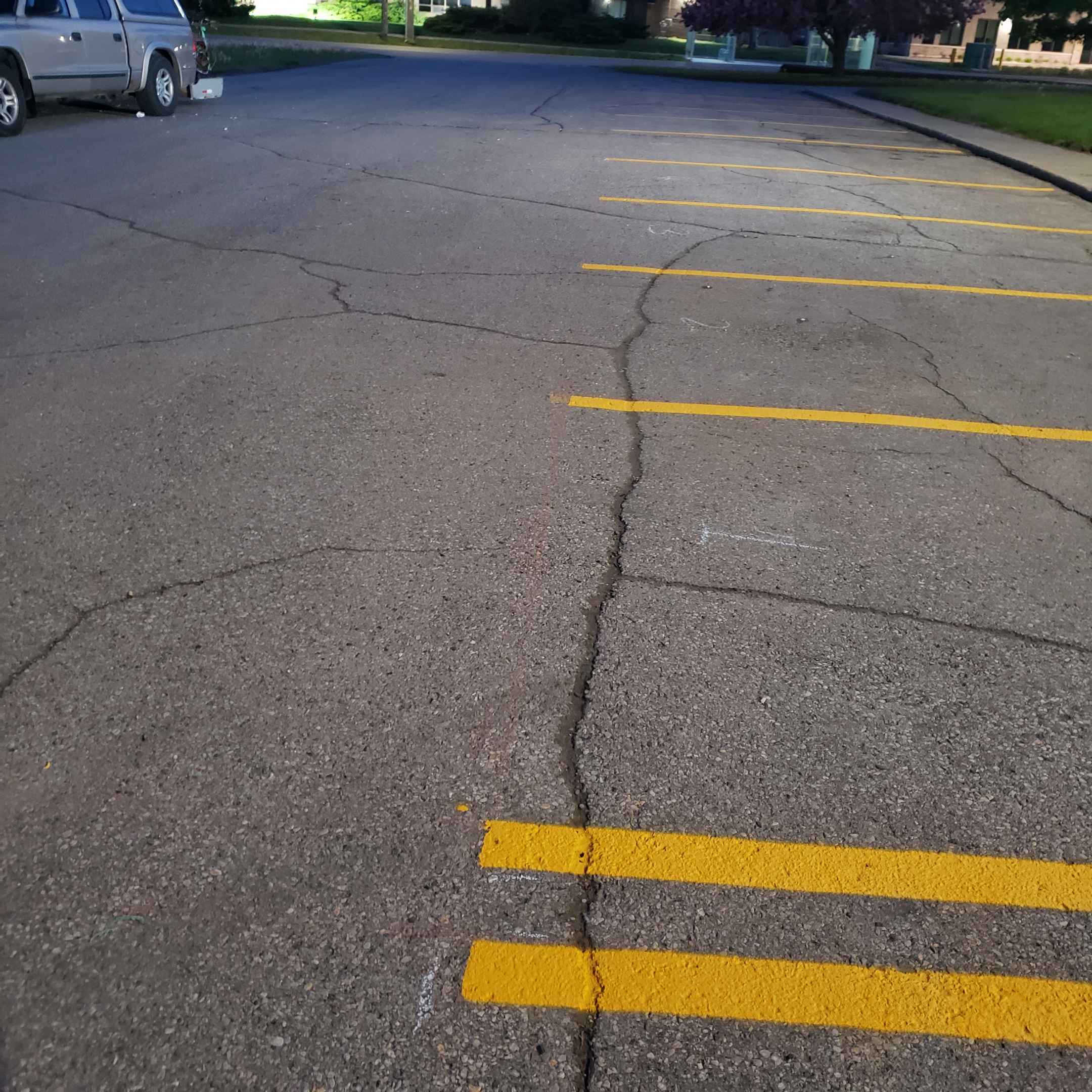
To the untrained eye, a hairline crack in a parking lot might seem like a cosmetic nuisance—something that can be ignored for another season. However, in the world of pavement management, those tiny fissures are the early warning signs of a looming structural disaster. For property owners in Ottawa, where seasonal temperature swings are extreme, ignoring these signs can lead to a rapid transition from simple surface cracks to catastrophic asphalt failure.
At Capital Parking Lot Line Painting, we have seen firsthand how a lack of timely maintenance can transform a manageable repair job into a full-scale resurfacing project. This post will dive deep into the science of why cracks form and how you can stop them in their tracks.
The Science of Degradation: Why Cracks Occur
Asphalt is a flexible pavement, meaning it is designed to move slightly under the weight of vehicles and changes in temperature. However, that flexibility has its limits. Several factors contribute to the initial breakdown of the asphalt surface:
1. Thermal Expansion and Contraction
In a top 30 city like Ottawa, the temperature variance between a blistering summer afternoon and a freezing winter night is immense. As the asphalt heats up, it expands; as it cools, it contracts. Over time, this constant "breathing" creates tension within the material, eventually causing the surface to snap and form cracks.
2. Oxidation and UV Exposure
Sunlight isn't just bad for your skin; it's bad for your pavement. Ultraviolet (UV) rays break down the bitumen—the "glue" that holds the asphalt aggregate together. As the bitumen oxidizes, the asphalt becomes brittle, loses its dark color, and becomes much more susceptible to cracking.
3. Water Infiltration: The Silent Killer
Once a crack has formed, the real danger begins: water. When rain or melting snow enters a crack, it settles into the sub-base of your parking lot. In the winter, this water freezes and expands, exerting massive upward pressure on the asphalt—a process known as the freeze-thaw cycle. This widens the crack and eventually undermines the entire foundation.
The Progression of Failure
Understanding the stages of failure helps property managers prioritize their maintenance budgets. Most asphalt degradation follows a predictable pattern:
- Stage 1: Hairline Cracking: Small, thin cracks that are mostly aesthetic but indicate the beginning of oxidation.
- Stage 2: Alligator Cracking: Cracks that interconnect to look like the scales of an alligator. This is a sign of structural fatigue and base failure.
- Stage 3: Potholes: When the base material is completely washed away or displaced, leaving deep holes that can damage vehicles.
- Stage 4: Full Failure: The point where the pavement can no longer support weight, requiring complete removal and replacement.
Proactive Maintenance Strategies
The goal of any property manager should be to stay in "Stage 1" as long as possible. Capital Parking Lot Line Painting recommends a multi-pronged approach to pavement longevity.
Crack Sealing
This is the most critical step. By filling cracks with a flexible, rubberized sealant, you prevent water from reaching the sub-base. This simple act can extend the life of your asphalt by years.
Sealcoating
Applying a protective sealcoat acts like a "sunscreen" for your parking lot. It protects against UV oxidation and provides a fresh, clean appearance that improves curb appeal.
Line Marking and Safety Updates
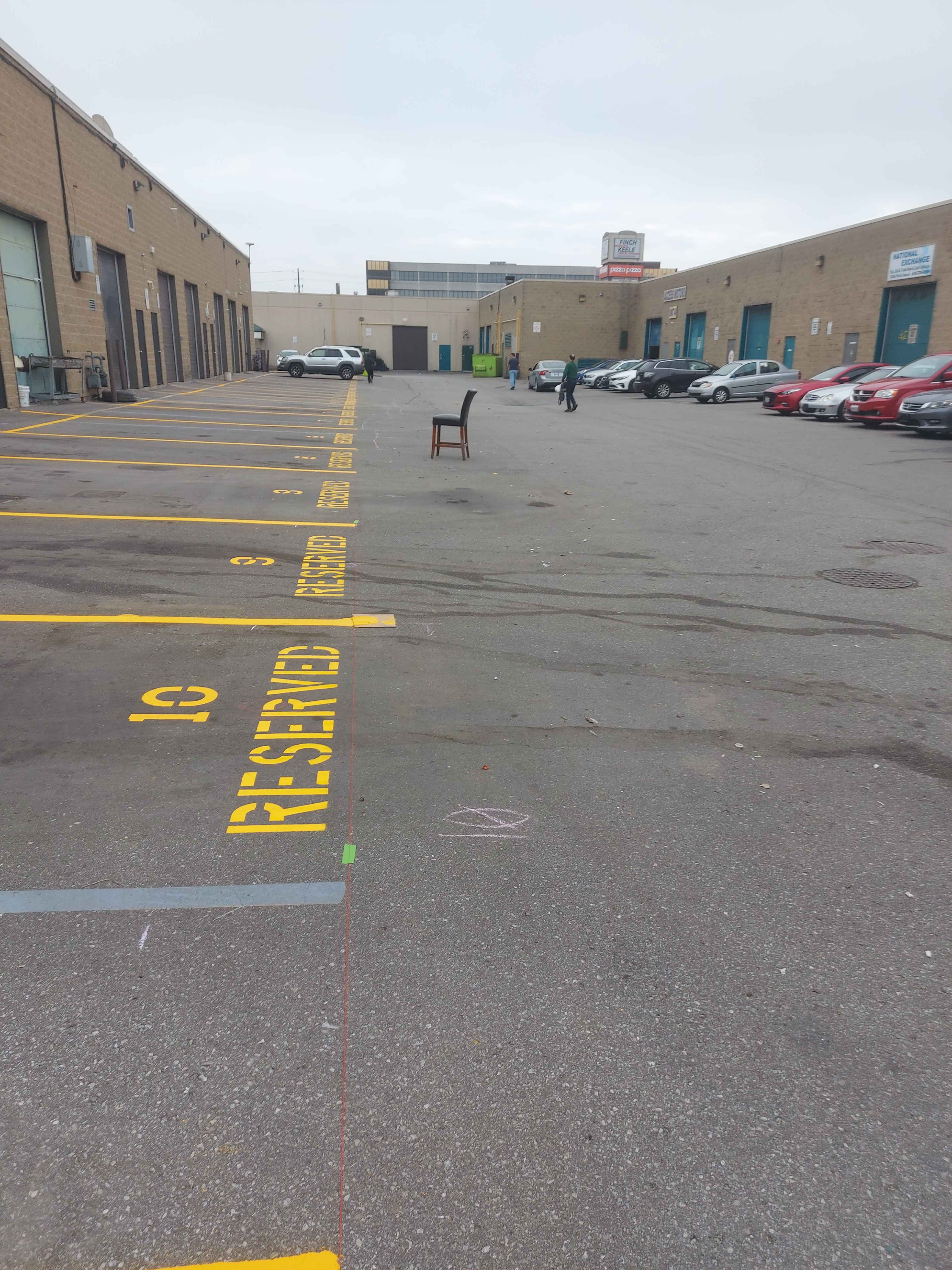
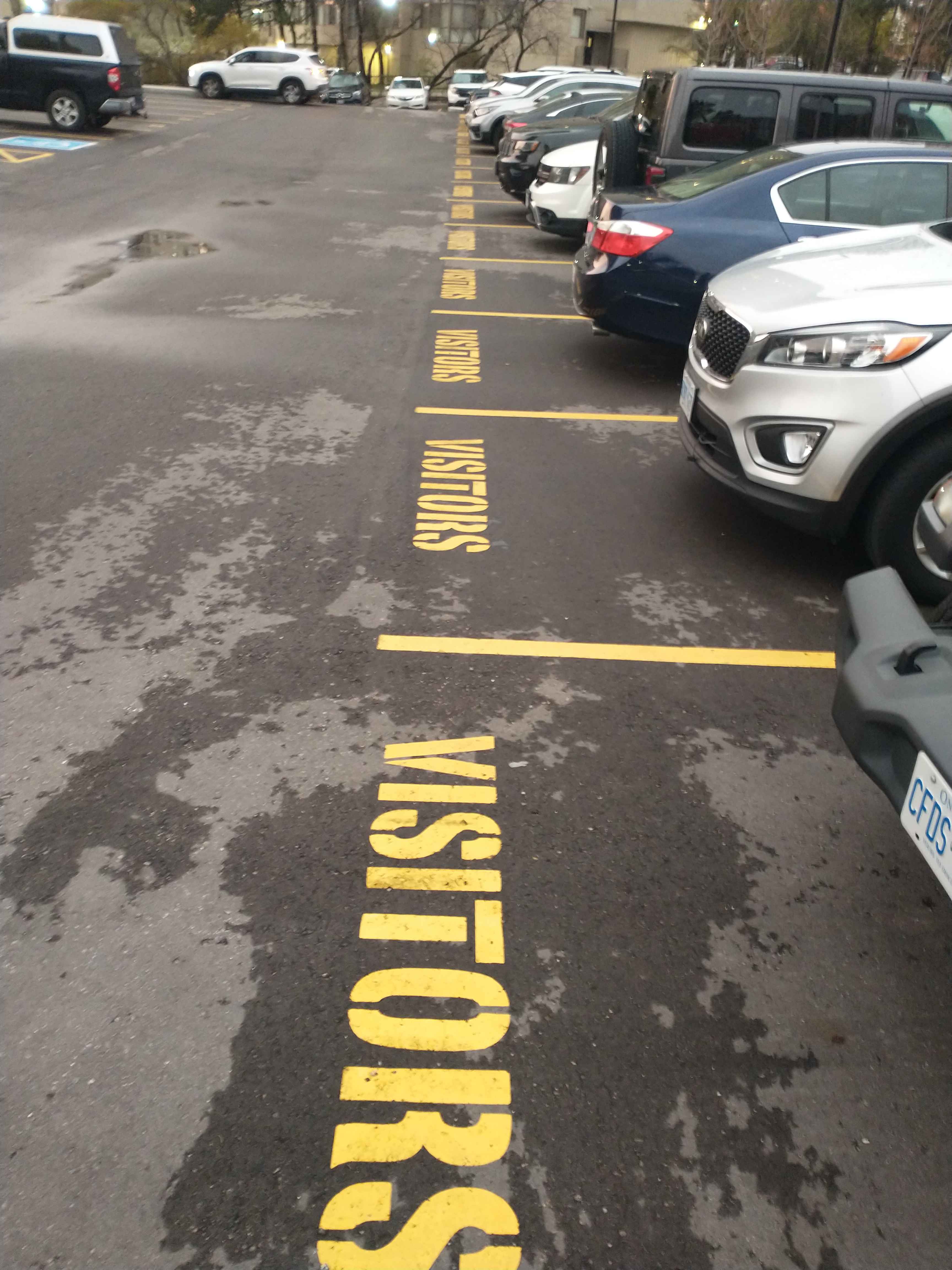
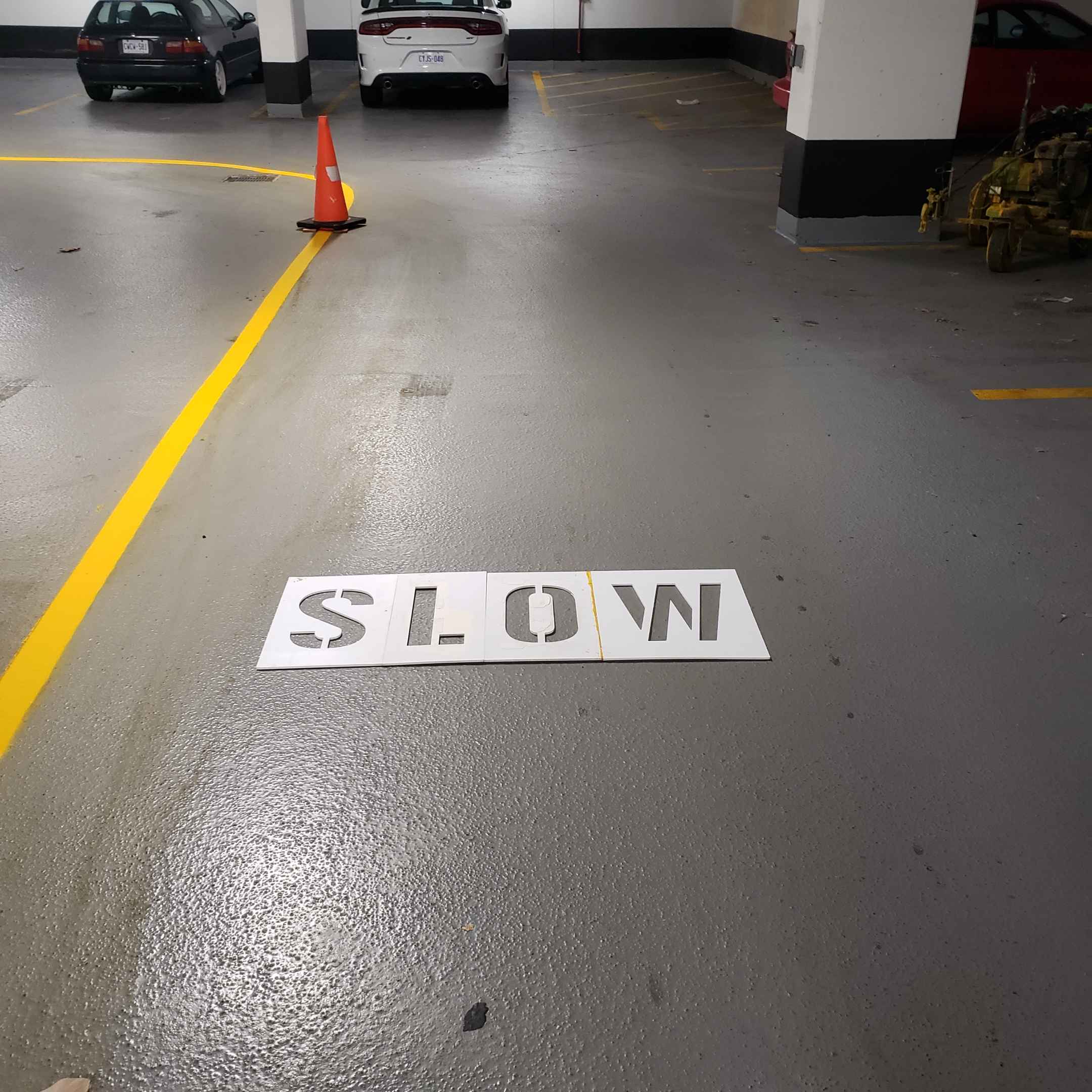
Maintenance isn't just about the ground beneath the tires; it's about visibility and safety. Regular Line Marking ensures that traffic flow remains orderly and that parking stalls are clearly defined. Faded lines can lead to confusion, accidents, and liability issues. Integrating Line Painting into your annual maintenance schedule ensures your facility remains professional and compliant.
Why Professional Expertise Matters
It may be tempting to attempt DIY repairs, but asphalt is a highly technical material. Using the wrong sealant or applying it in improper weather conditions can actually accelerate damage. Working with experts like Capital Parking Lot Line Painting ensures that the materials used are industry-grade and applied with precision.
A professional inspection can identify hidden issues—like sub-grade instability—before they manifest as visible cracks, saving you significant resources in the long run.
Ready to Protect Your Investment?
Don't wait for the potholes to appear. Contact the professionals today to schedule an assessment and keep your pavement in peak condition.