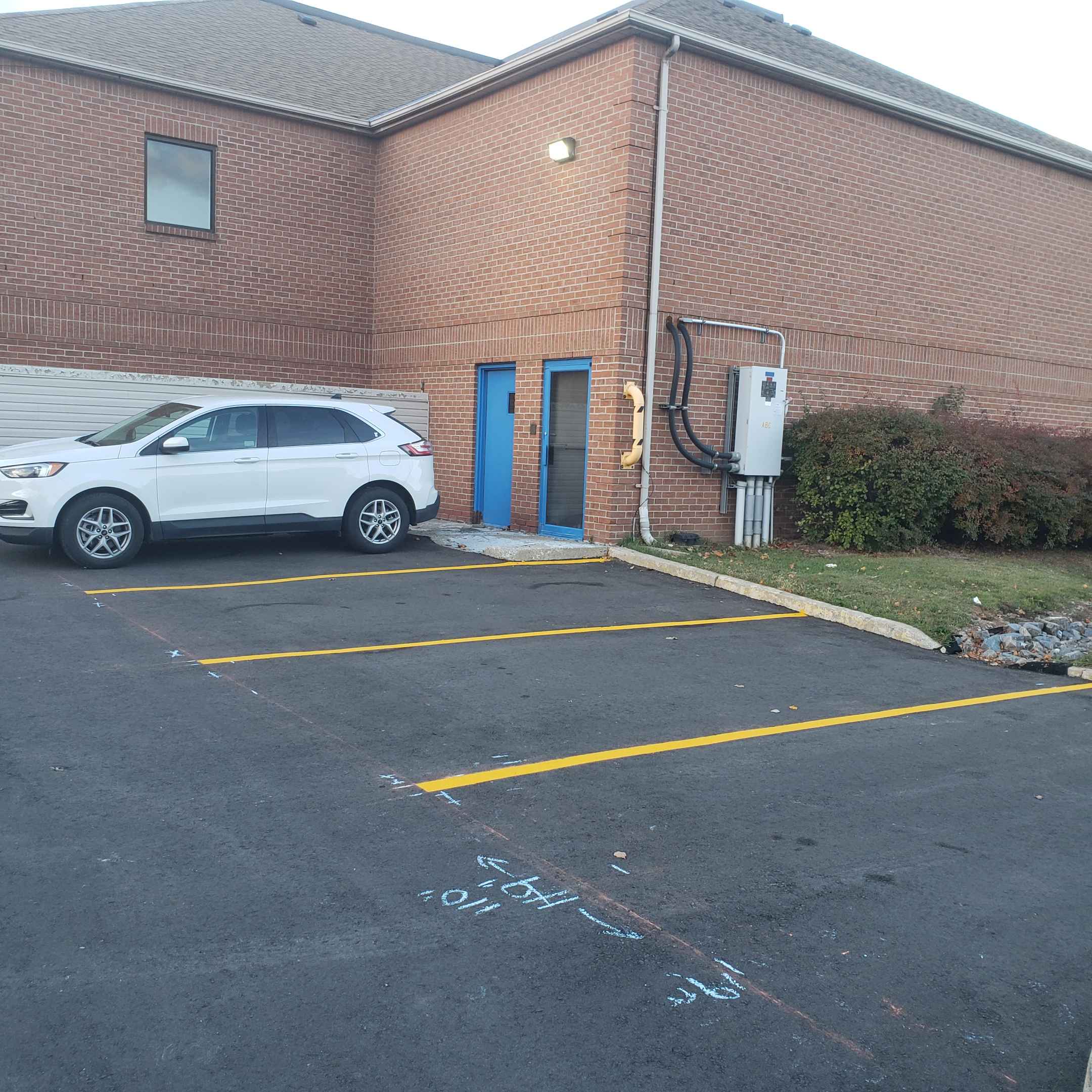
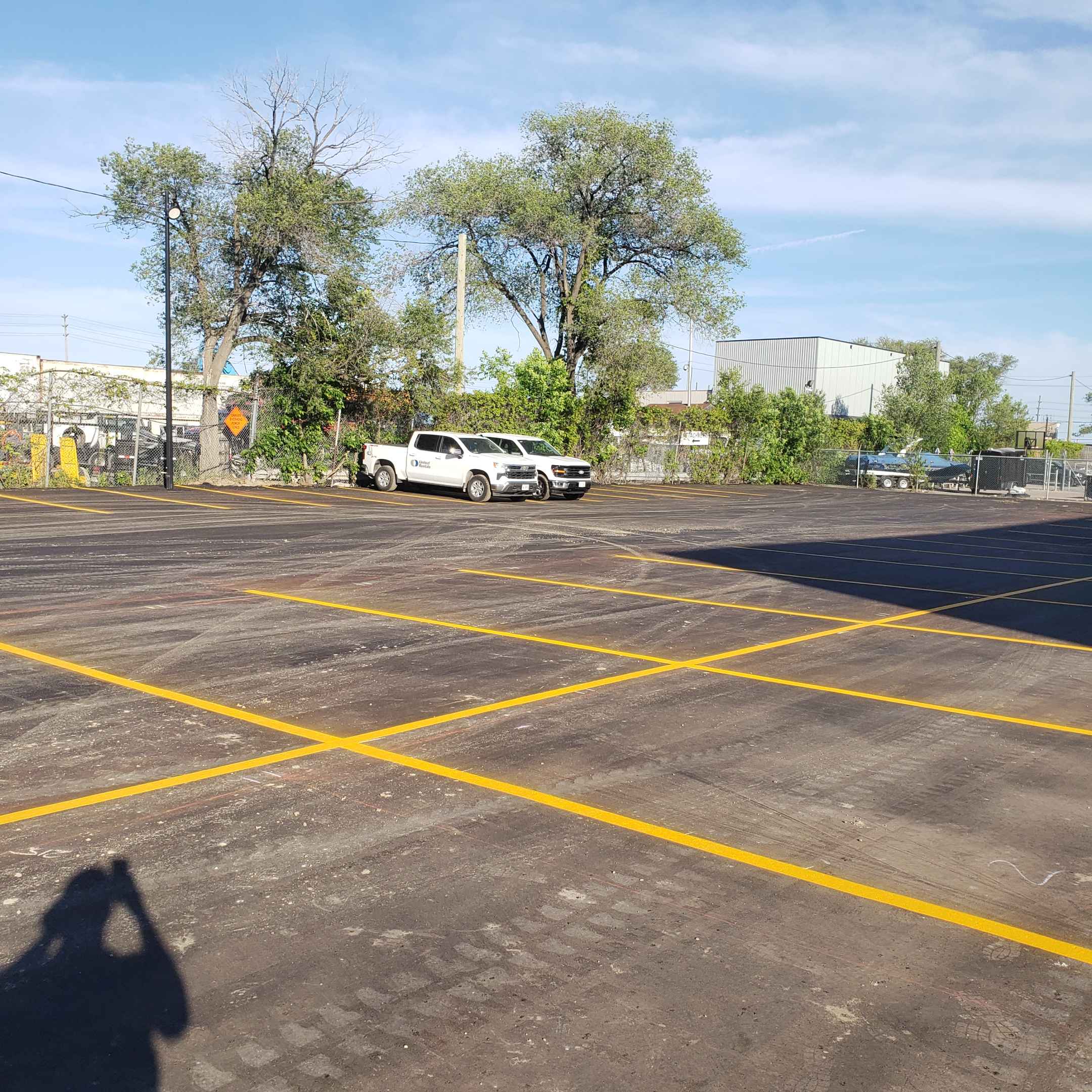
How to Add Directional Arrows and Text to Your Parking Lot
A well-organized parking lot is more than just a place to park; it is a critical component of your property's traffic management system and overall safety profile.
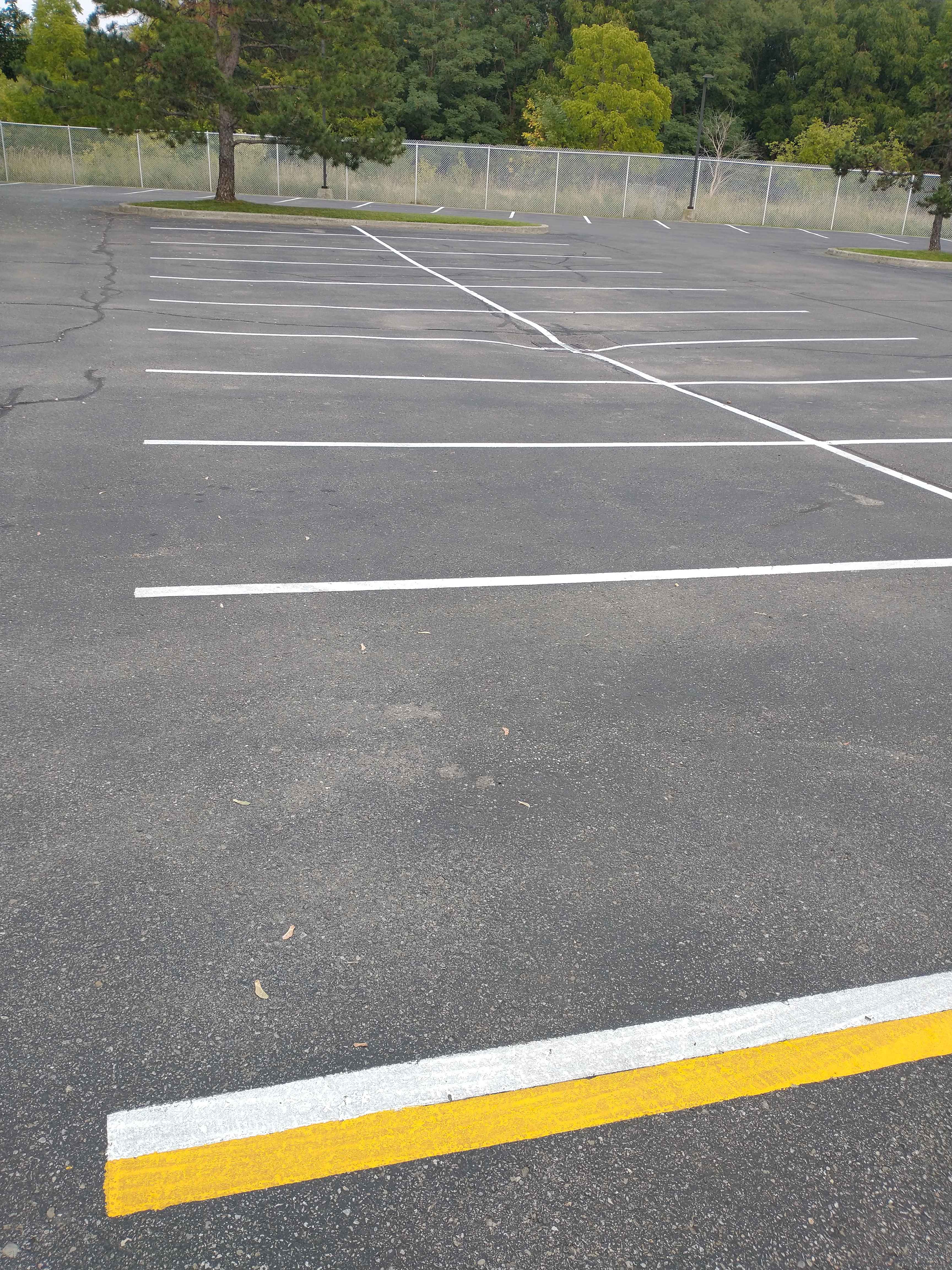
The Importance of Visual Communication in Parking Lots
When drivers enter a commercial property, they are often looking for immediate guidance. Without clear instructions, they may hesitate, make sudden turns, or drive in the wrong direction, creating potential hazards for pedestrians and other vehicles. This is where professional line marking becomes an indispensable tool for property managers.
By utilizing directional arrows and text-based markings, you create a silent language that guides movement. Whether it is a "ONE WAY" sign painted on the asphalt or a large arrow pointing toward an exit, these visual cues reduce confusion and streamline the flow of traffic. For businesses in growing areas like Milton, maintaining a high standard of lot organization is essential to keeping up with increased customer volume.
Key Elements of Effective Parking Lot Markings
Not all markings serve the same purpose. To create a truly functional environment, you must balance various types of line painting to address different needs.
1. Directional Arrows
Arrows are the most direct way to dictate movement. They should be placed at decision points—such as intersections within the lot or near entrance/exit gates. Large, bold arrows ensure they are visible even in low-light conditions or during inclement weather.
2. Text-Based Markings
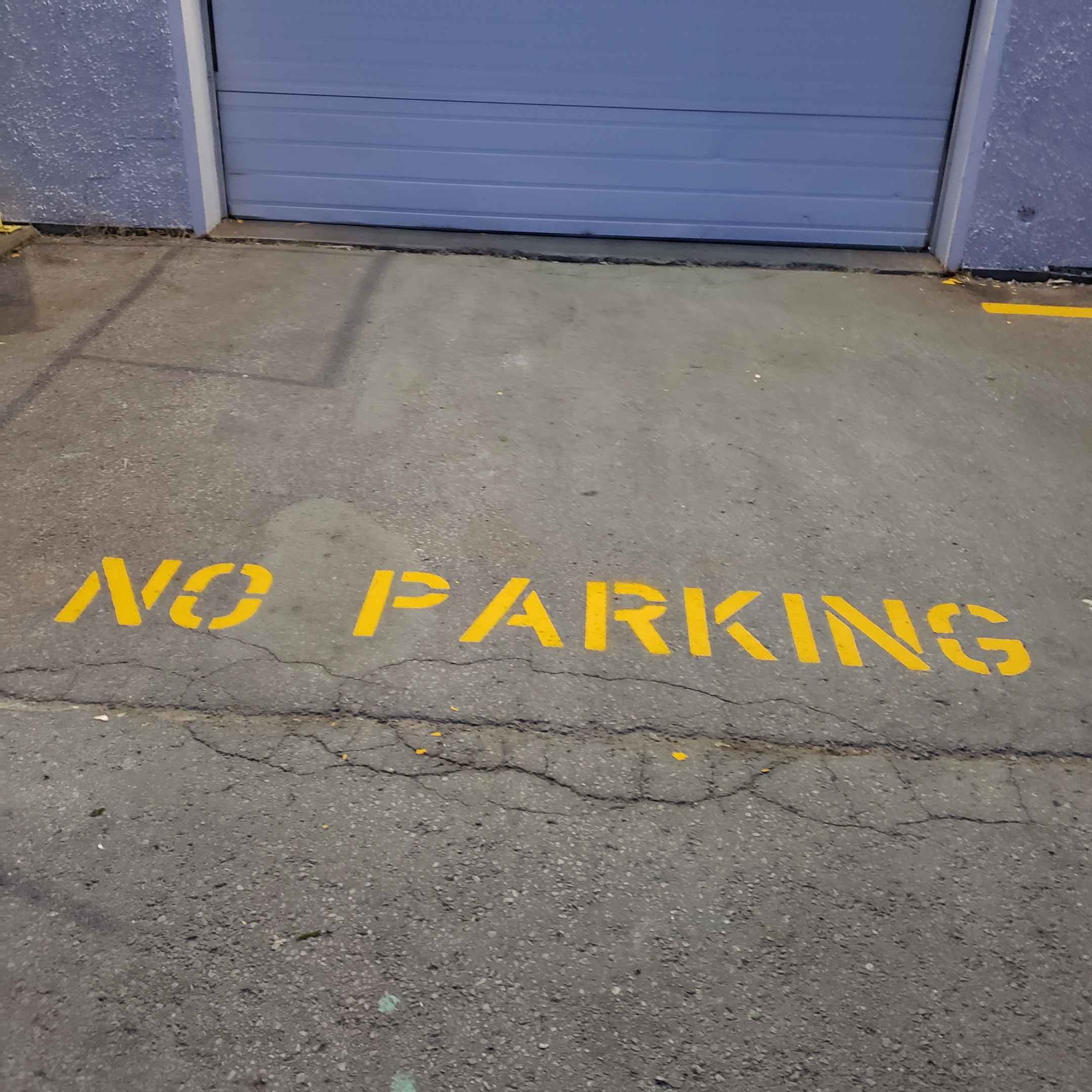
Text markings, such as "STOP," "NO PARKING," or "FIRE LANE," provide explicit instructions that arrows alone cannot convey. These are vital for legal compliance and ensuring that emergency access routes remain unobstructed.
3. Regulatory Symbols
Symbols like handicap icons or pedestrian crossing indicators work in tandem with arrows and text to create a holistic safety system. Capital Parking Lot Line Painting specializes in integrating these elements into a cohesive design.
Why Professional Execution Matters
While it might be tempting to attempt DIY markings, the precision required for professional line marking is significant. Improperly placed arrows can lead to more confusion rather than less. Partnering with experts like Capital Parking Lot Line Painting ensures that every stroke is mathematically aligned with your lot's layout.
The Process of Professional Line Marking
Achieving a crisp, long-lasting finish requires a systematic approach. Here is the general workflow used by industry leaders:
- Surface Preparation: Cleaning the asphalt to remove dirt, oil, and debris is crucial for paint adhesion.
- Layout and Stenciling: Using precision stencils for arrows and text ensures uniformity and readability.
- Material Selection: Choosing high-durability coatings that can withstand heavy vehicle traffic and Ontario weather.
- Application: Applying the line painting with consistent pressure to prevent bleeding or uneven edges.
- Curing Time: Allowing sufficient time for the markings to dry before reopening the lot to traffic.
Common Mistakes to Avoid
When planning your parking lot updates, keep these common pitfalls in mind:
- Inconsistent Sizing: If your arrows are too small, they won't be visible to drivers in motion.
- Poor Contrast: Using colors that blend too closely with the asphalt color reduces effectiveness.
- Cluttered Layouts: Overloading a small area with too many signs and arrows can lead to "information overload," causing drivers to ignore them entirely.
In a busy municipality like Milton, where traffic density is constantly evolving, your markings must be clear, bold, and strategically placed. Capital Parking Lot Line Painting can help you audit your current layout to identify these potential issues before they become safety hazards.
Conclusion
Adding directional arrows and text is a high-impact, low-maintenance way to improve your property's functionality. By investing in professional line marking, you protect your visitors, reduce liability, and enhance the professional appearance of your business. Don't leave your traffic flow to chance—ensure your lot is clearly communicated through high-quality visual cues.