How to Design Parking Lot Layouts That Maximize Capacity
Maximizing the utility of your asphalt is more than just drawing lines; it is about engineering a seamless flow of traffic and maximizing every square inch of available real estate.
The Importance of Strategic Parking Design
For business owners in growing hubs like Sarnia, space is a premium commodity. Whether you manage a retail complex, a medical facility, or an industrial warehouse, the efficiency of your parking lot directly impacts your customer experience. A poorly designed lot leads to congestion, frustrated drivers, and wasted space that could have accommodated several more vehicles.
When we talk about maximizing capacity, we aren't just talking about cramming cars into tight spots. We are talking about creating a layout that allows for easy entry, smooth navigation, and efficient exit. This is where professional expertise from Capital Parking Lot Line Painting becomes invaluable. A well-planned layout balances the need for high density with the necessity of safety and accessibility.
Key Factors in Maximizing Capacity
To get the most out of your property, you must consider several geometric and logistical variables. Small changes in the angle of your stalls or the width of your driving aisles can result in a significant increase in total stall count.
1. Stall Angle: 90-Degree vs. Angled Parking
The most common debate in parking design is between perpendicular (90-degree) parking and angled parking (usually 45 or 60 degrees).
- 90-Degree Parking: This is the gold standard for maximizing pure numbers. It allows for the highest density of vehicles per linear foot but requires wider driving aisles to allow cars to turn into the spots.
- Angled Parking: While it may result in fewer total spots in some configurations, angled parking allows for narrower driving aisles and often facilitates one-way traffic flow, which can actually improve the overall efficiency of a small lot.
2. Driving Aisle Width
If your aisles are too narrow, drivers will struggle to maneuver, leading to accidental curb strikes and damage to your pavement. However, if they are too wide, you are losing valuable space. The goal is to find the "sweet spot" dictated by local municipal codes and the type of vehicles expected to use the lot.
3. ADA Compliance and Accessibility
In a top 30 Ontario city like Sarnia, adhering to accessibility standards is not just a legal requirement—it is a necessity for inclusivity. Designing your layout to include properly sized van-accessible stalls and clear pedestrian paths ensures that your lot is functional for everyone without sacrificing too much capacity.
Common Mistakes to Avoid
Many property managers attempt to DIY their layout or hire unqualified contractors, which often leads to costly mistakes. Avoid these common pitfalls:
- Ignoring traffic flow patterns (creating "dead ends").
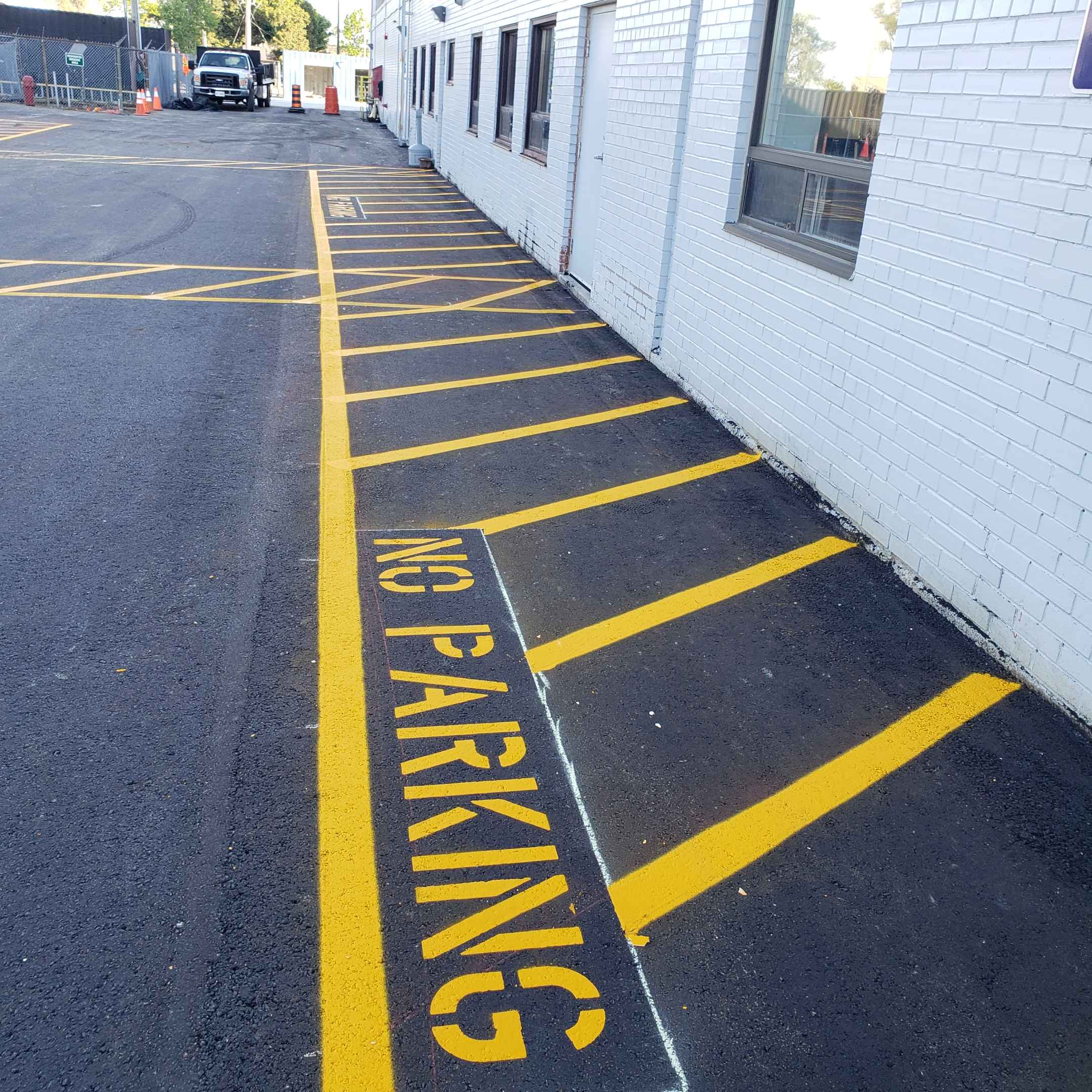
- Neglecting proper Line Marking to define clear boundaries.
- Failing to account for turning radii of larger vehicles.
- Inconsistent stall widths that cause driver confusion.
The Role of Professional Line Marking
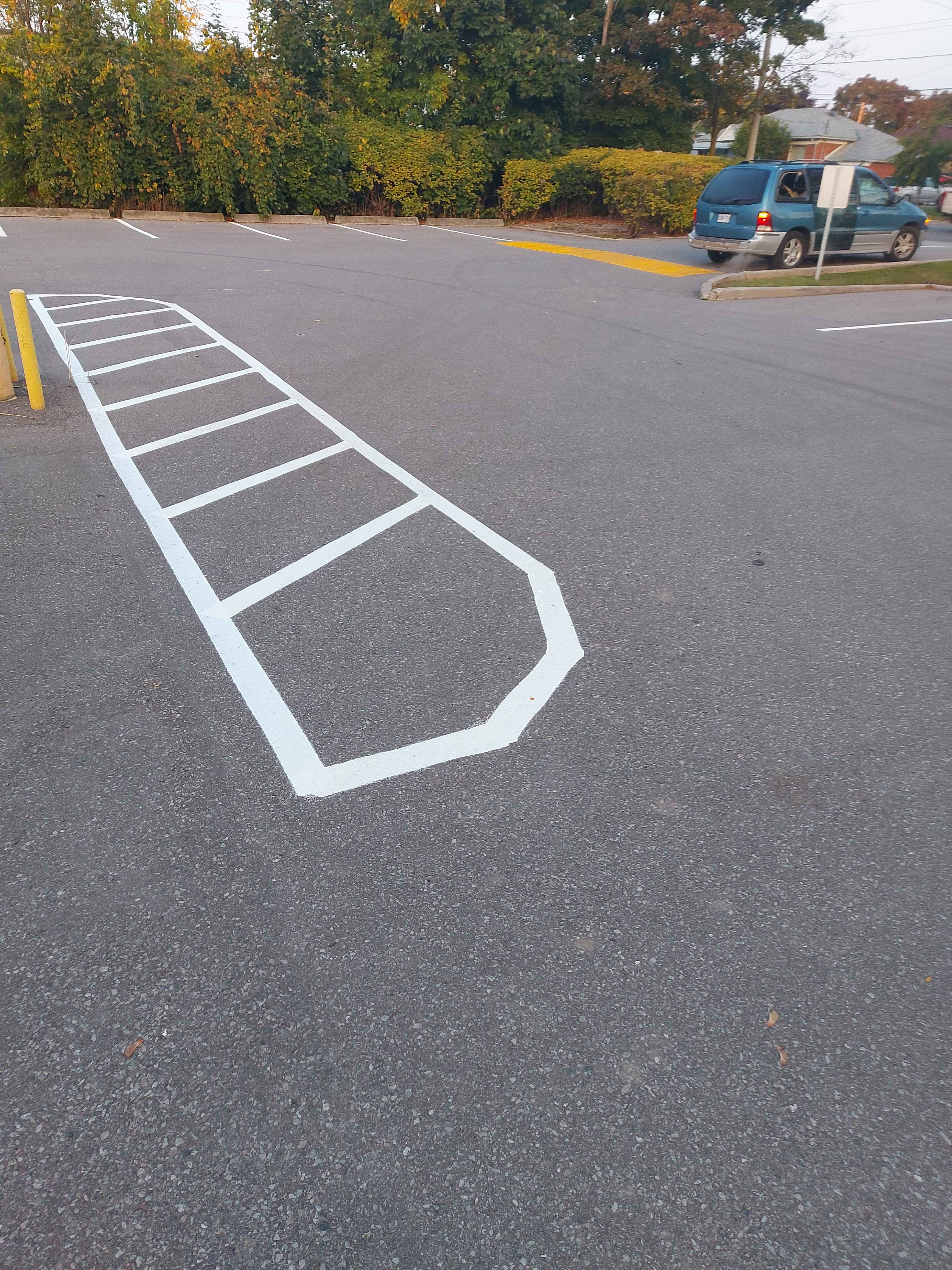
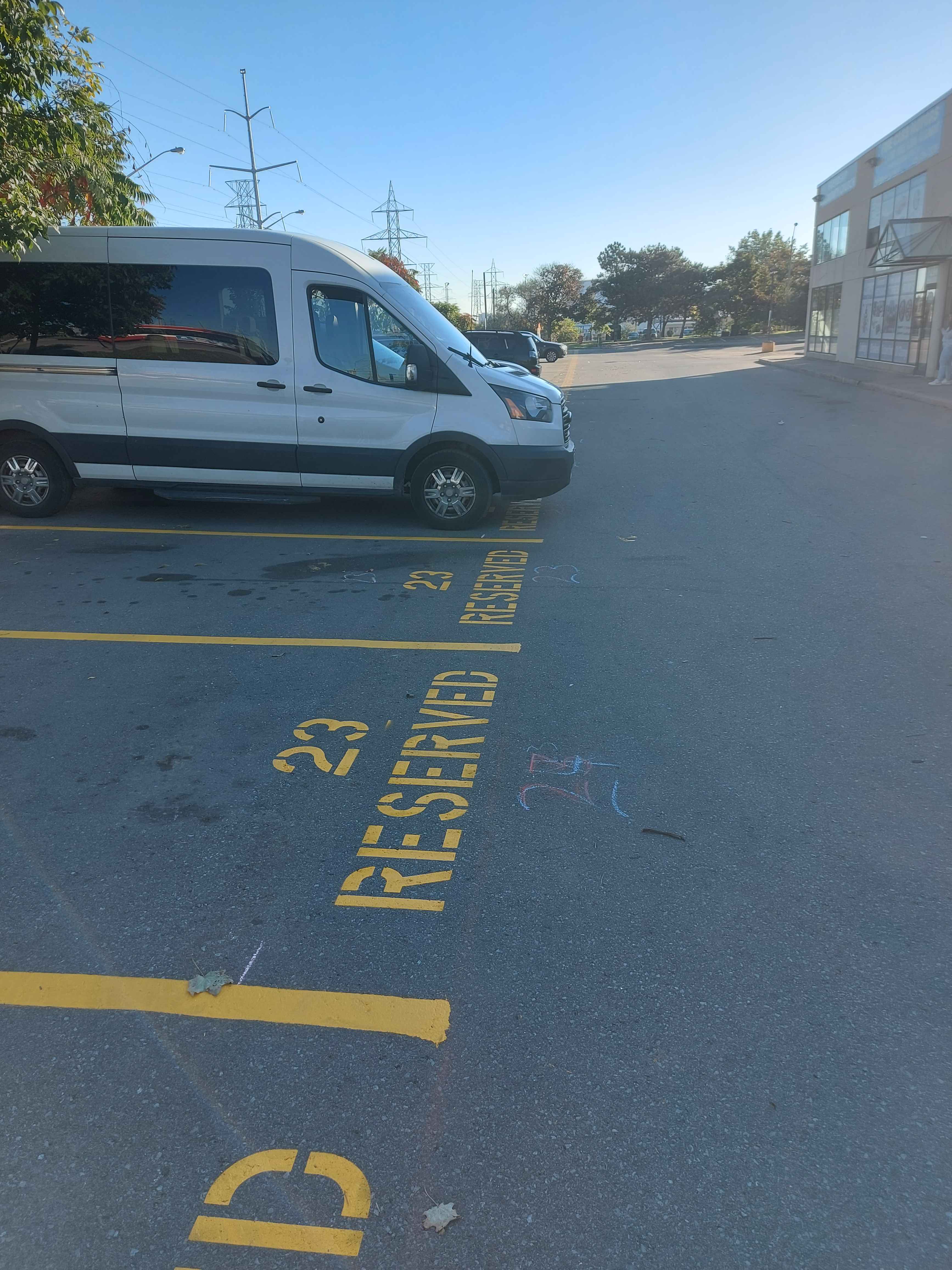
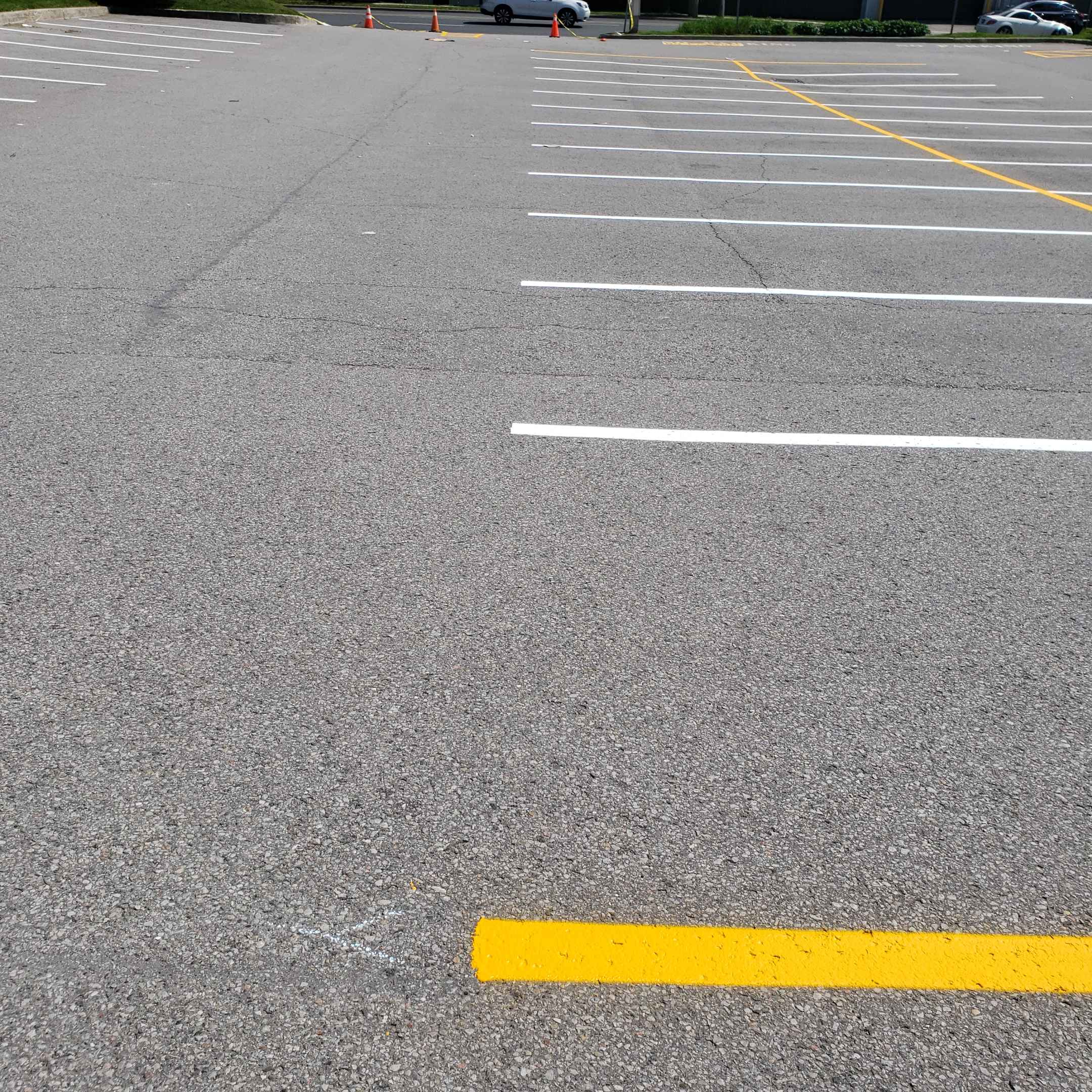
Once your layout is engineered, the execution is everything. You can have the most mathematically perfect design in the world, but if the Line Marking is faded, crooked, or inconsistent, the capacity benefits are lost. Drivers will park haphazardly, taking up two spots instead of one, effectively neutralizing your design efforts.
Capital Parking Lot Line Painting specializes in high-visibility, durable markings that guide drivers precisely where they need to go. Clear lines mean organized rows, which translates directly to higher capacity and a more professional appearance for your business.
Ready to Optimize Your Space?
Don't let wasted space impact your bottom line. Whether you need a complete redesign or a fresh application of professional Line Painting, Capital Parking Lot Line Painting is here to help you maximize every inch of your property.