How to Integrate Accessible Parking Symbols Properly
Ensuring your parking lot is inclusive is more than just a legal requirement; it is a commitment to accessibility and community respect.
Accessibility is a cornerstone of modern urban design. When a visitor pulls into your parking lot, the ease with which they can find a designated space can dictate their entire experience with your business or facility. Integrating accessible parking symbols is not merely about slapping a blue icon on the ground; it requires precision, adherence to standards, and high-quality line marking to ensure long-term durability.
For property owners in Cambridge, a top 30 city in Ontario, maintaining these standards is vital for both local compliance and providing a welcoming environment for all citizens. At Capital Parking Lot Line Painting, we specialize in helping businesses navigate these complexities through professional application techniques.
The Importance of Precision in Accessible Markings
Accessible parking spaces are subject to strict regulations. If the symbols are too small, faded, or incorrectly positioned, they fail to serve their primary purpose: providing clear guidance to those with mobility challenges. Proper integration involves several key factors:
- Symbol Clarity: The International Symbol of Accessibility must be clearly recognizable from a distance.
- Contrast: Using high-contrast colors (typically white on blue or blue on white) ensures visibility even in low-light conditions.
- Spatial Accuracy: The symbol must be centered within the designated area to prevent confusion with standard parking stalls.
- Durability: Using professional-grade materials prevents the symbol from peeling or fading due to weather and heavy traffic.
Steps for Successful Integration
Achieving a professional look requires a systematic approach. Whether you are managing a commercial complex in Cambridge or a small retail lot, following these steps will ensure your line marking stands the test of time.
1. Site Assessment and Measurement
Before any paint touches the ground, the dimensions of the accessible stall must be verified. This includes the width of the stall and the necessary adjacent access aisle. Capital Parking Lot Line Painting recommends a thorough survey to ensure all dimensions meet current provincial and local standards.
2. Surface Preparation
The longevity of your line marking depends heavily on the state of the asphalt or concrete. Dirt, oil, and debris must be removed to allow the coating to bond effectively. Without proper preparation, even the best symbols will flake off within months.
3. Professional Line Marking Application
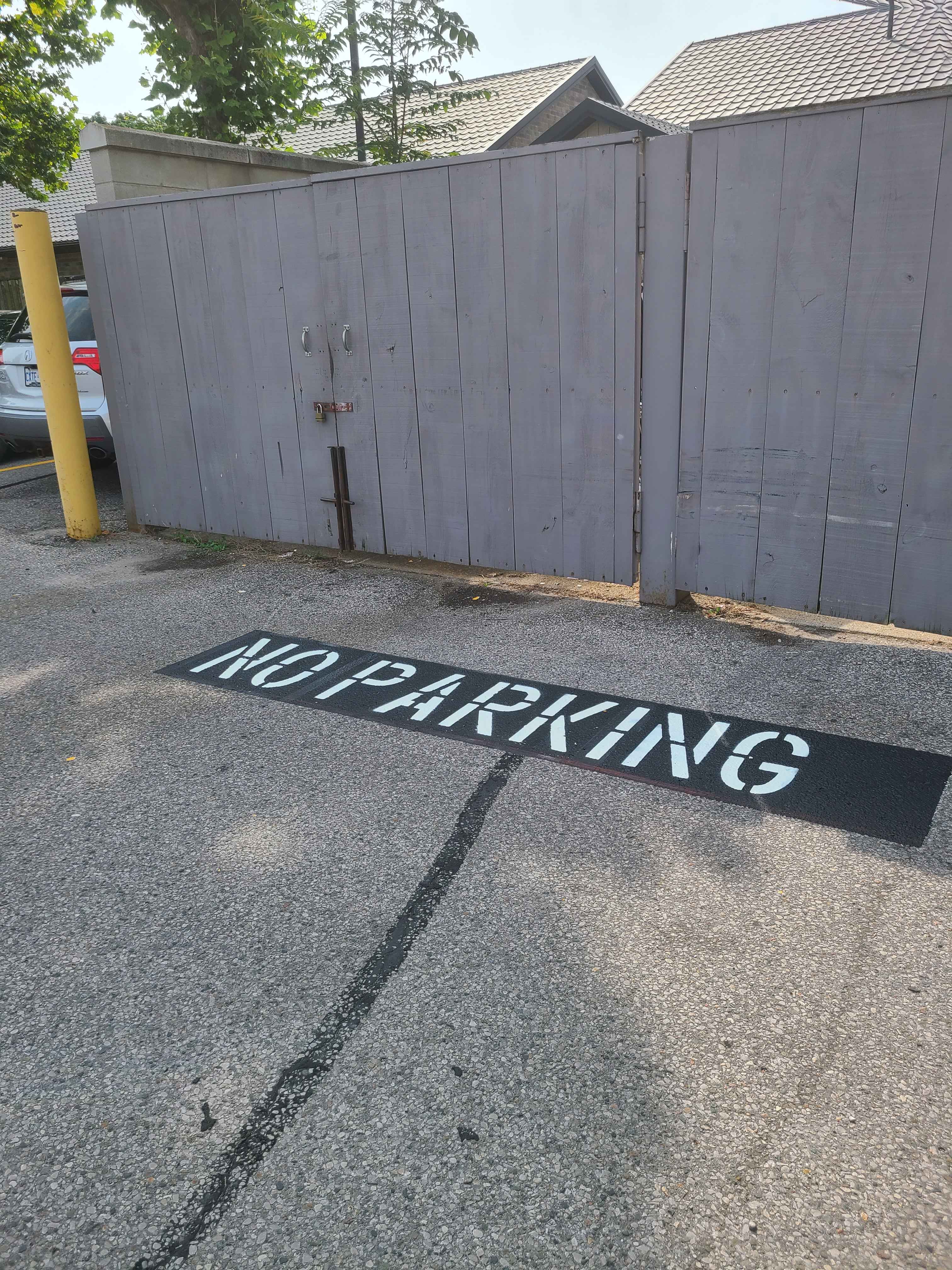
Precision is everything. Using stencils designed specifically for accessibility symbols ensures that the proportions are correct. Professional technicians use specialized equipment to ensure the lines are crisp and the symbols are perfectly rendered.
Common Mistakes to Avoid
Many property managers attempt to DIY their parking lot maintenance, which often leads to costly mistakes. Avoid these common pitfalls:
Using Low-Quality Paint: Standard hardware store paint is often not designed for the heavy friction of vehicle tires. Always opt for industrial-grade coatings used by experts like Capital Parking Lot Line Painting.
Improper Symbol Placement: Placing the symbol too close to the edge of the stall can lead to it being obscured by vehicles, rendering it useless.
Neglecting the Access Aisle: An accessible space is incomplete without the properly marked access aisle. Failing to mark this area correctly can lead to compliance issues and safety hazards.
Why Professionalism Matters
When you invest in professional line marking, you are investing in the safety and reputation of your property. A well-maintained parking lot signals to your customers that you care about details and accessibility. Capital Parking Lot Line Painting provides the expertise needed to ensure your facility remains compliant and welcoming for everyone.
Quick Reference Summary
Properly integrated accessible symbols enhance safety, ensure legal compliance, and demonstrate a commitment to inclusivity in every parking lot design.