How to Integrate Accessible Parking Symbols Properly
Ensuring your parking lot is inclusive is more than just a legal requirement; it is a commitment to accessibility and community respect.
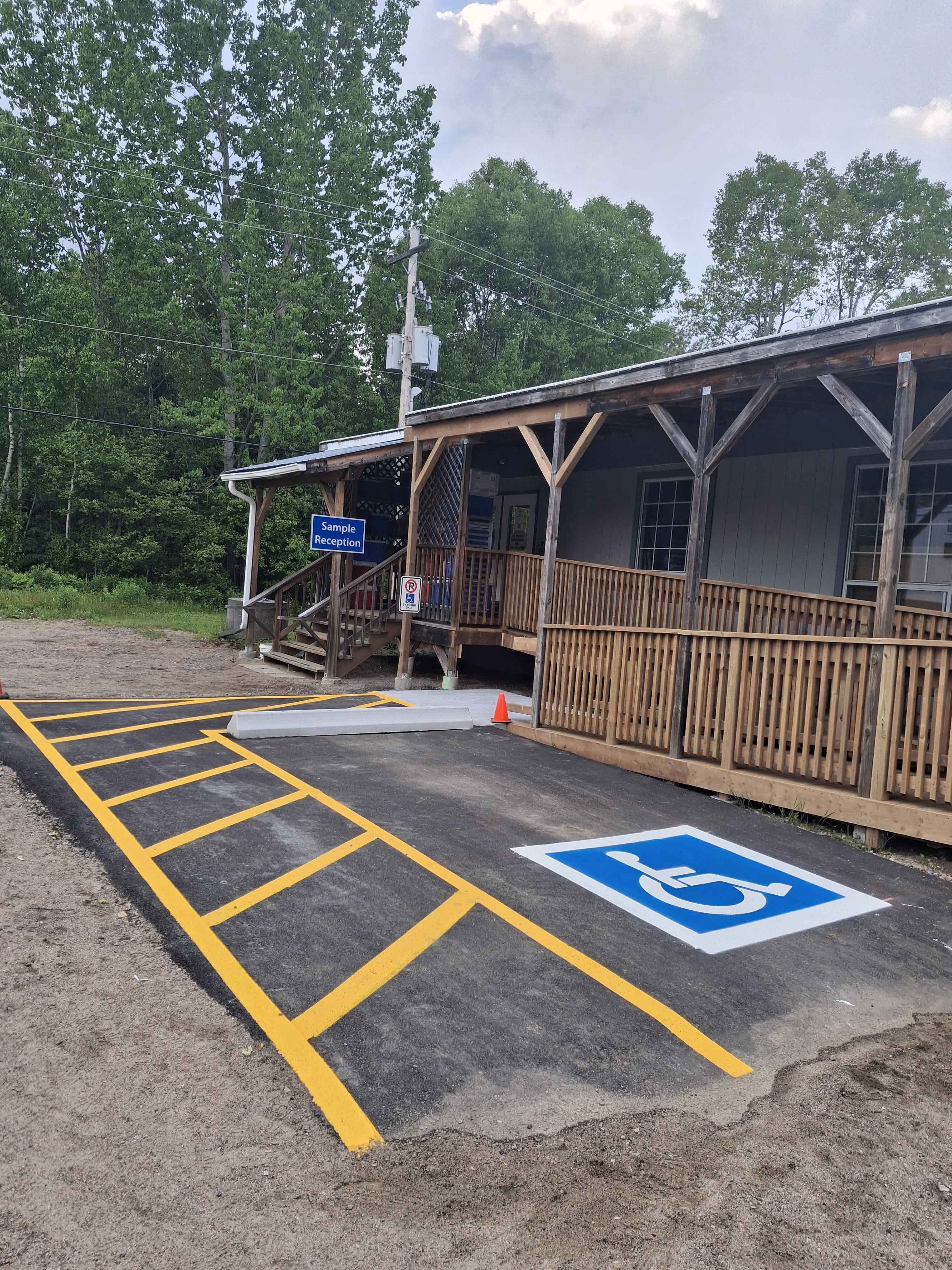
When managing a commercial property or a public space, the layout of your parking lot plays a critical role in the user experience. One of the most vital components of a functional lot is the integration of accessible parking spaces. These spaces are designed to provide extra room for individuals with mobility aids, ensuring they can enter and exit their vehicles safely and with dignity.
For business owners in St. Catharines, a top 30 city in Ontario, maintaining these standards is essential for both local compliance and customer satisfaction. At Capital Parking Lot Line Painting, we understand that precision in line marking is the difference between a functional space and a liability.
The Importance of Symbol Visibility and Placement
Accessible parking symbols—typically the International Symbol of Access (ISA)—are not merely decorative. They serve as immediate visual cues. To integrate these symbols properly, the symbol must be clearly visible from a distance and placed in a way that does not interfere with the driving path of the vehicle.
When performing line marking, the contrast between the symbol and the pavement is paramount. A faded or poorly applied symbol can lead to confusion, resulting in unauthorized vehicles occupying spaces intended for those with disabilities. This is why professional application is non-negotiable.
Key Elements of Compliant Accessible Parking
Proper integration involves more than just painting a blue square. It requires a holistic approach to the space design. Here are the essential components to consider:
- The Access Aisle: A striped area adjacent to the parking stall that allows for wheelchair deployment.
- High-Contrast Line Marking: Using bright, durable paints to ensure boundaries are unmistakable.
- Correct Symbol Orientation: The ISA symbol should be centered within the designated area for maximum recognition.
- Surface Integrity: Ensuring the ground is clean and level before any line painting begins to prevent peeling.
- Regulatory Compliance: Adhering to local Ontario standards and accessibility acts.
Common Mistakes to Avoid
Even well-intentioned property managers can make errors during the maintenance of their parking facilities. Avoiding these common pitfalls will save you time and ensure your facility remains compliant.
1. Poor Contrast Levels
If your asphalt is dark, using a dark blue for your symbols might seem aesthetically pleasing, but it fails the visibility test. Capital Parking Lot Line Painting recommends using high-quality, high-visibility pigments that stand out against the substrate.
2. Inaccurate Dimensions
Accessible spaces require specific widths and aisle dimensions. If your line marking is off by even a few inches, you may inadvertently create a space that is too narrow for a standard wheelchair ramp to deploy, rendering the spot useless.
3. Neglecting Maintenance
Weather conditions in St. Catharines can be harsh. Snow, salt, and temperature fluctuations can wear down paint quickly. Regular inspections are necessary to ensure symbols remain crisp and legible.
Why Professional Line Painting Matters
While it may be tempting to attempt DIY solutions, the technical requirements for accessible parking are stringent. Professional line painting ensures that the application is even, the edges are sharp, and the materials used are rated for heavy vehicular traffic.
By partnering with experts like Capital Parking Lot Line Painting, you ensure that your property meets all necessary standards the first time, reducing the risk of legal complications and improving the overall safety of your site.
Ready to Upgrade Your Facility?
Don't leave your accessibility compliance to chance. Ensure your parking lot is safe, compliant, and professional with expert services.