How to Know If Your Asphalt Surface Is Ready for Sealcoating
Protecting your pavement investment starts with timing. Learn the warning signs of asphalt deterioration and when to call the professionals.
Asphalt is a resilient material, but it is constantly under siege. From the intense UV rays of summer to the harsh freeze-thaw cycles common in Ontario, your pavement faces a relentless battle against the elements. For property owners in Kitchener, understanding the lifecycle of asphalt is the difference between a simple maintenance task and a massive reconstruction project.
Sealcoating acts as a protective shield, filling in microscopic pores and providing a barrier against water, oil, and oxidation. However, applying sealer at the wrong time—or waiting too long—can lead to suboptimal results. At Capital Parking Lot Line Painting, we specialize in helping property managers identify the precise moment their surfaces need professional attention.
The Visual Indicators of Aging Asphalt
Before you schedule a service, perform a visual inspection of your parking lot or driveway. While every surface is unique, there are several universal red flags that indicate your asphalt is losing its integrity.
1. Color Fading (Oxidation)
Freshly laid asphalt has a deep, rich black hue. As it ages, the sun’s UV rays cause a chemical reaction known as oxidation. This turns the surface a light gray. While gray asphalt is still functional, it is a clear sign that the bitumen (the "glue" that holds the rocks together) is drying out and becoming brittle.
2. Surface Cracking
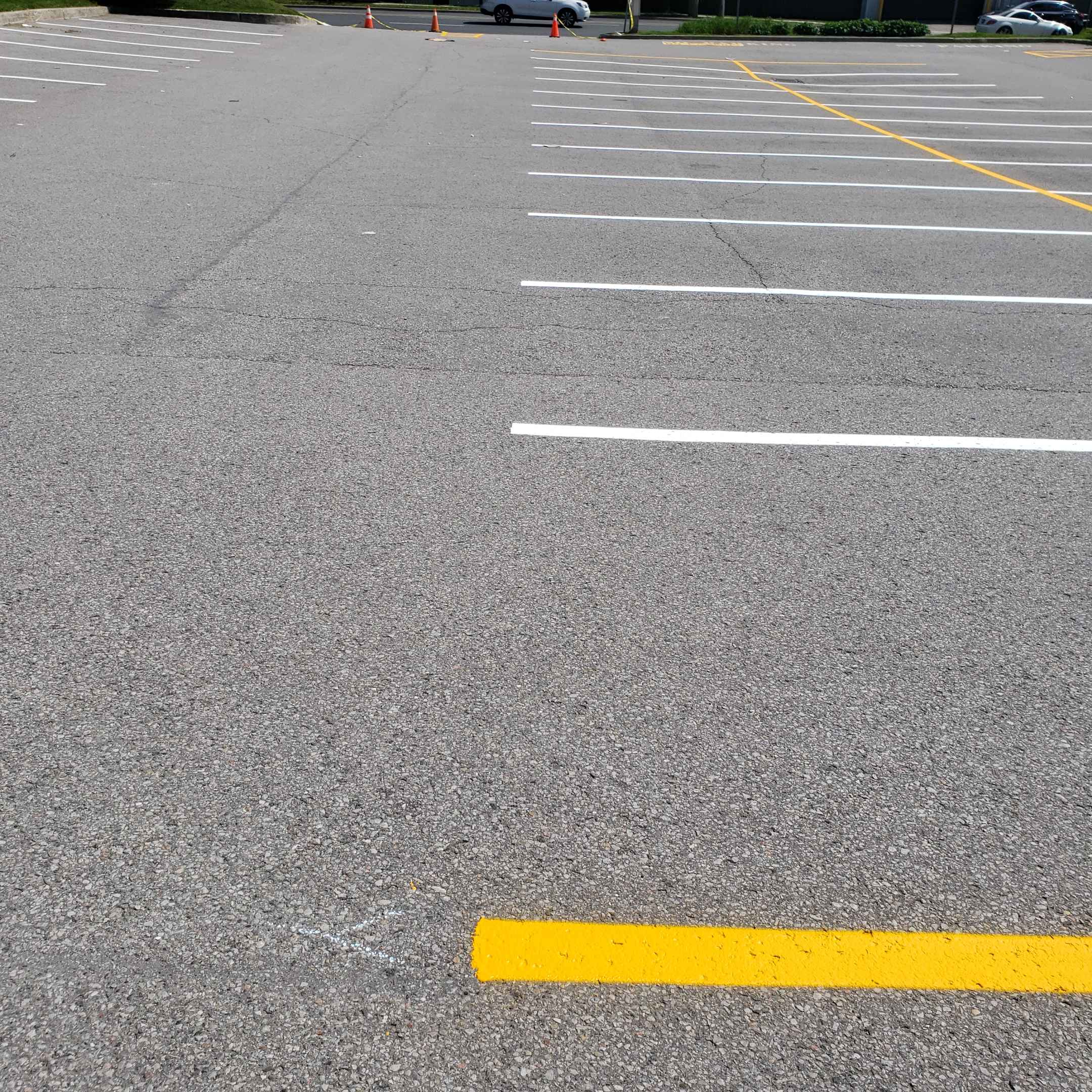
Small, hairline cracks are often the first sign that your sealcoating is overdue. If these cracks are left untreated, water will seep into the base layer. In a city like Kitchener, where winter temperatures fluctuate wildly, that trapped water will freeze, expand, and turn tiny cracks into massive potholes. Capital Parking Lot Line Painting recommends sealing as soon as minor cracking is detected to prevent structural failure.
3. Oil and Chemical Stains
Automotive fluids like oil, gasoline, and transmission fluid are incredibly destructive to asphalt. They act as solvents, dissolving the bitumen and causing the asphalt to crumble. If you notice dark, soft spots on your pavement, these areas need cleaning and sealing immediately to prevent deep penetration.
Why Sealcoating is Essential for Long-Term Maintenance
Many property owners view sealcoating as a cosmetic upgrade, but its primary function is structural preservation. Here are the core benefits of a regular sealcoating schedule:
- Waterproofing: Prevents moisture from penetrating the sub-base.
- UV Protection: Blocks harmful rays from oxidizing the binder.
- Chemical Resistance: Shields the surface from oil and salt damage.
- Enhanced Aesthetics: Restores a deep black look that improves curb appeal.
- Improved Visibility: Creates a high-contrast background for professional Line Marking.
The Relationship Between Sealcoating and Line Marking
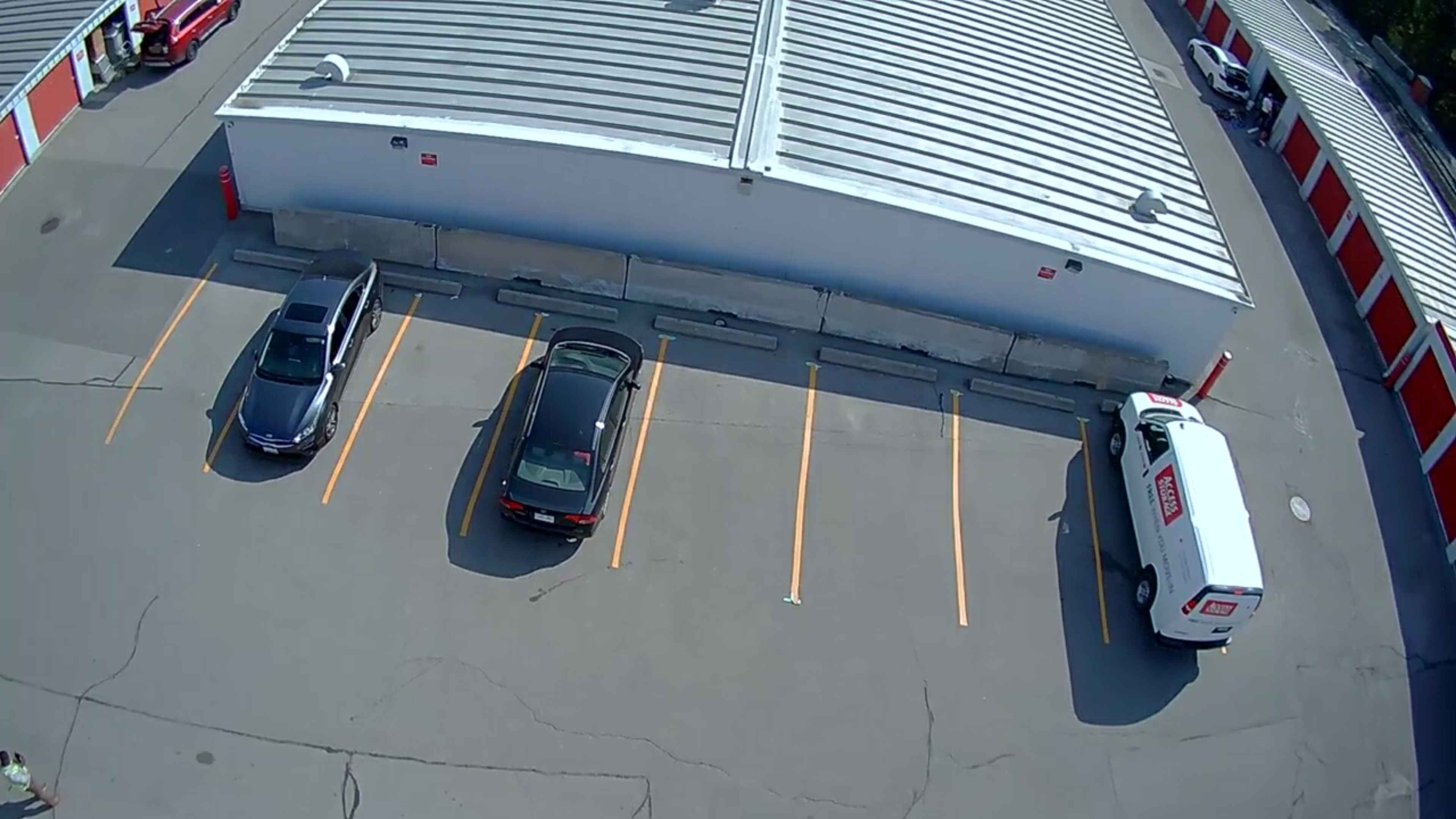
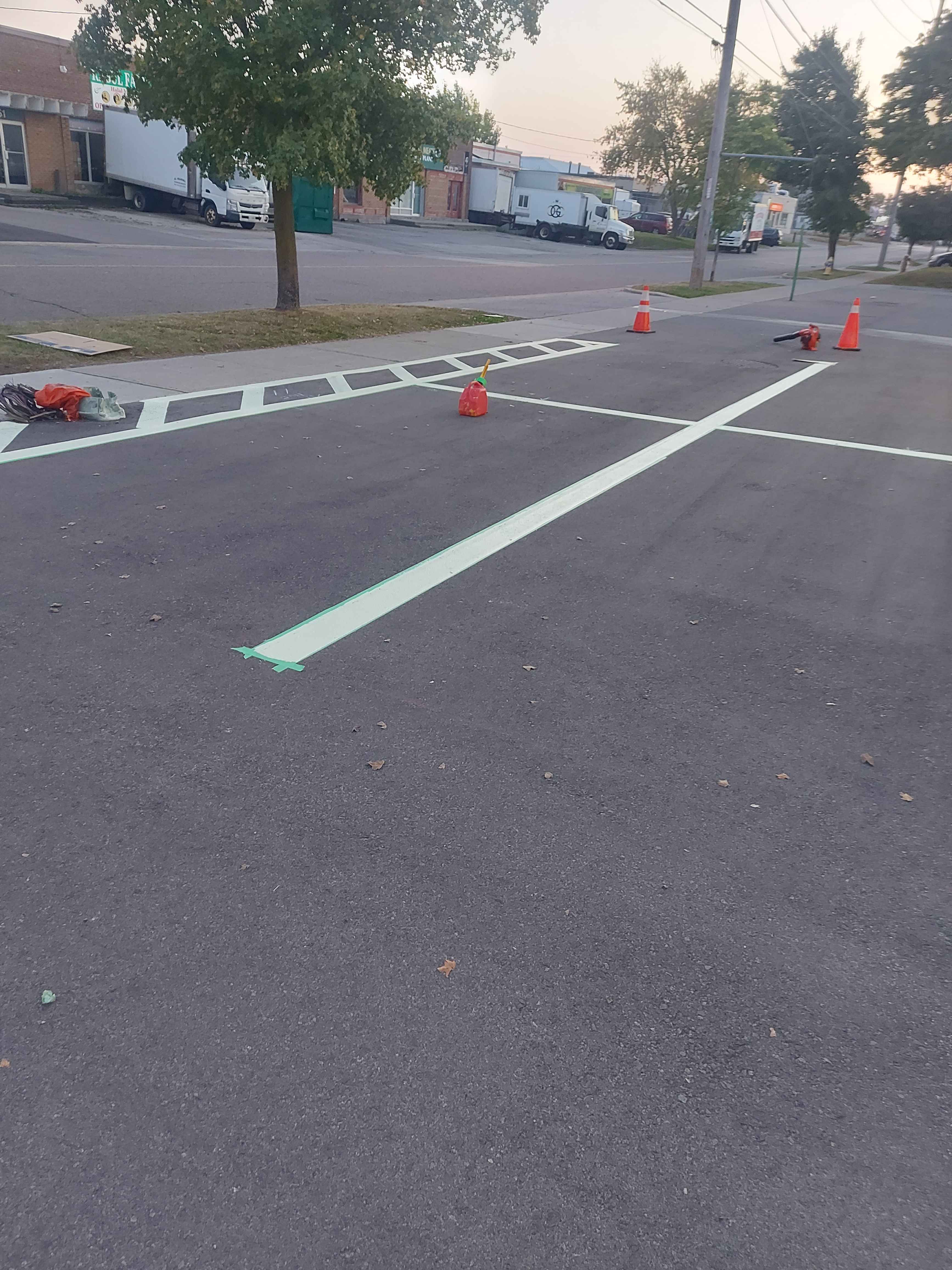
A common mistake property owners make is attempting to refresh their markings before addressing the surface condition. If you are looking to improve the navigation and safety of your lot, you might consider Line Painting. However, if the surface is cracked or faded, new paint will not adhere properly.
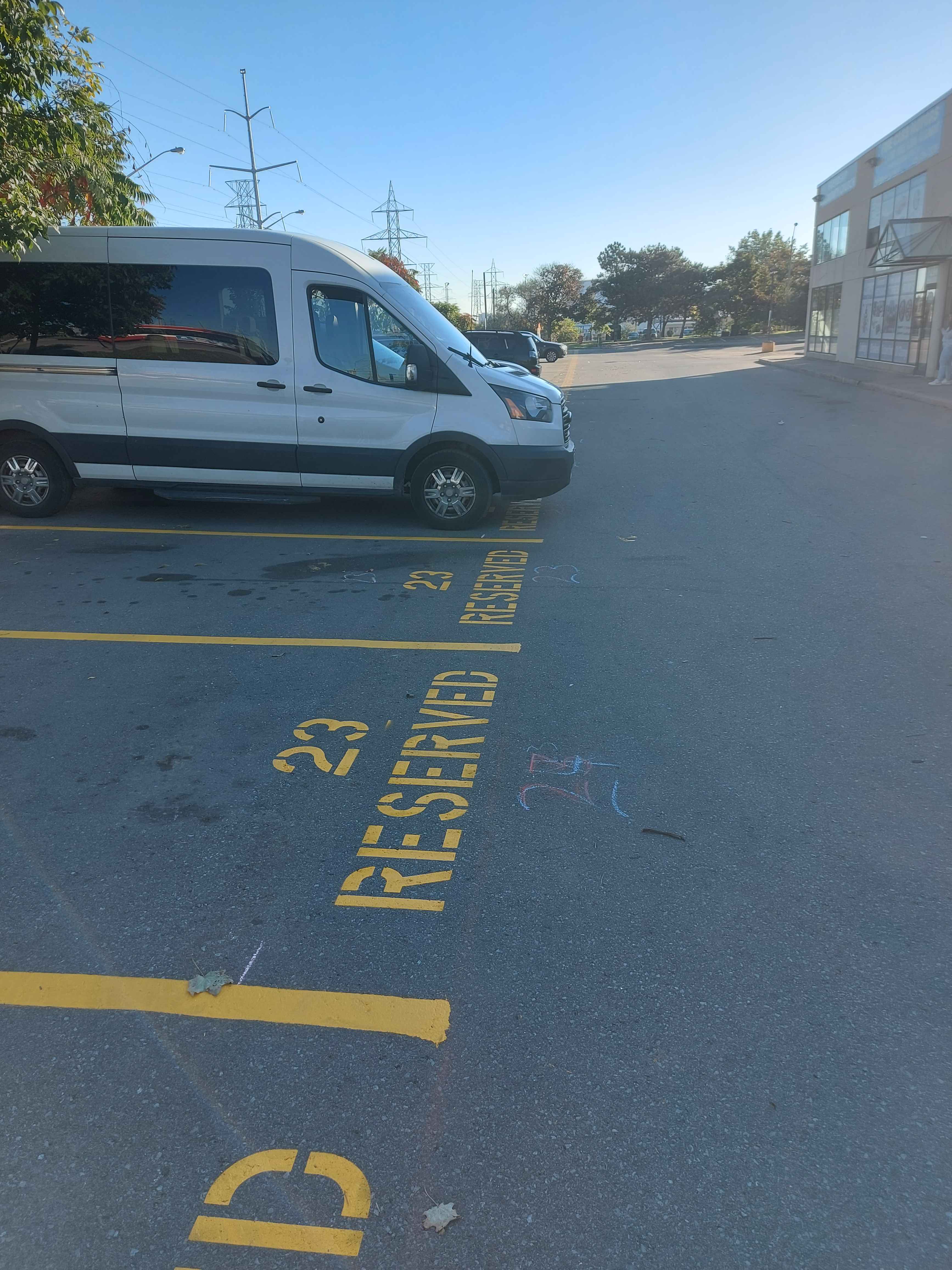
The most effective workflow for a professional appearance is to sealcoat the surface first, allow it to cure, and then proceed with high-visibility Line Marking. This ensures that your directional arrows, parking stalls, and handicap symbols are crisp, durable, and easy for drivers to see. Capital Parking Lot Line Painting provides comprehensive solutions that integrate both surface protection and clear Line Painting for a complete property refresh.
Common Mistakes to Avoid
When preparing for your maintenance, avoid these frequent errors:
Waiting for Potholes
By the time a pothole forms, the damage is already structural. Sealcoating is a preventative measure, not a patch for deep holes.
Ignoring Minor Cracks
Small cracks are inexpensive to seal. Large cracks require specialized crack-filling procedures before sealcoating can even begin.
Summary Checklist
Is your surface ready? Check these boxes:
- Is the asphalt turning from black to gray?
- Are there visible hairline cracks appearing?
- Are there noticeable oil stains from vehicles?
- Has it been more than 2-3 years since your last application?
If you answered "yes" to any of these, it is time to reach out to the experts at Capital Parking Lot Line Painting to schedule a professional assessment.
Ready to Restore Your Surface?
Don't wait for the pavement to fail. Contact us today for a professional consultation and ensure your property stays safe, functional, and beautiful.