What Facility Managers Should Know About Thermoplastic Marking
Optimizing safety, durability, and visibility in high-traffic environments through advanced material science.
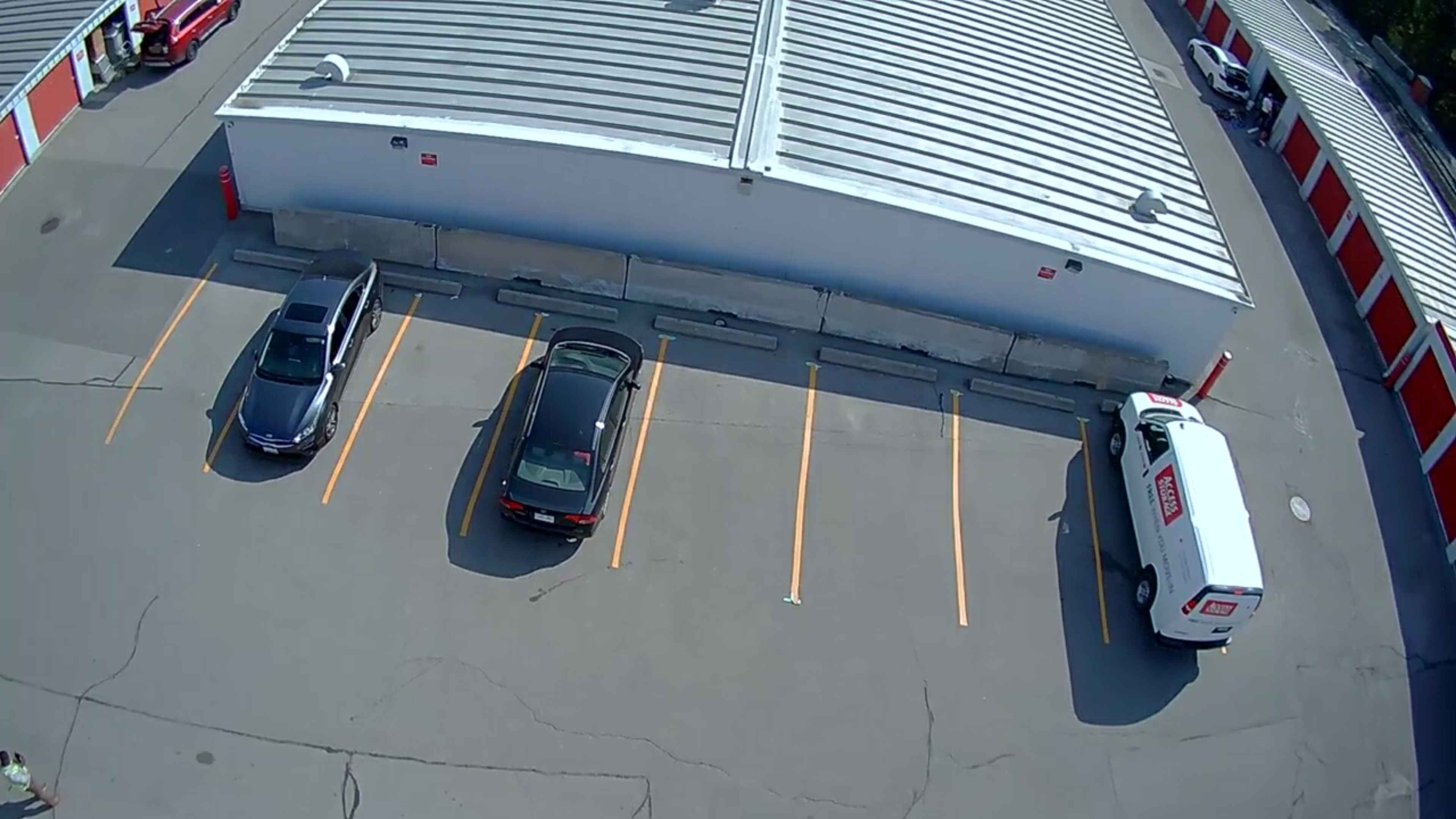
For facility managers overseeing large-scale commercial properties, industrial sites, or municipal infrastructure, the longevity of pavement markings is a critical operational concern. Whether you are managing a shopping complex in Oshawa or a massive logistics hub, the lines that guide traffic, designate pedestrian walkways, and mark hazardous zones are your first line of defense against accidents and liability.
Traditional line painting methods have their place, but as traffic volume increases and environmental stressors become more aggressive, many professionals are turning to thermoplastic marking. At Capital Parking Lot Line Painting, we understand that facility managers aren't just looking for a quick fix; they are looking for long-term asset management solutions.
Understanding Thermoplastic Marking
Thermoplastic marking is not a standard liquid paint. It is a mixture of thermoplastic resin, pigments, glass beads, and various additives. Unlike standard line marking paints that dry through evaporation, thermoplastic is applied hot and hardens through cooling. This creates a thick, durable layer that bonds chemically and mechanically to the pavement surface.
The Science of Durability
Because the material is applied at high temperatures, it creates a much more robust bond than traditional coatings. This makes it incredibly resistant to the heavy friction caused by vehicle tires and the abrasive effects of snowplows—a vital consideration for any facility located in a climate-prone region like Oshawa.
Key Benefits for Facility Managers
Choosing the right material for your facility's line marking can significantly impact your long-term maintenance budget and safety compliance. Here are the primary advantages of opting for thermoplastic:
- Extreme Longevity: Thermoplastic lasts significantly longer than standard line painting, reducing the frequency of re-application.
- Enhanced Visibility: The ability to easily integrate glass beads directly into the material ensures superior retroreflectivity, especially at night or during heavy rain.
- High Resistance: It withstands heavy-duty traffic, chemical spills, and harsh weather conditions without fading or peeling.
- Safety Compliance: The thickness of the material allows for highly visible, tactile markings that help guide pedestrians and vehicles clearly.
- Reduced Maintenance Cycles: While the initial application is specialized, the extended lifecycle means fewer disruptions to your facility operations.
Comparing Thermoplastic vs. Standard Line Painting
A common question we receive at Capital Parking Lot Line Painting is whether the switch to thermoplastic is necessary. To make an informed decision, facility managers should evaluate their specific environment.
Standard Line Painting
Best suited for low-traffic areas, temporary markings, or facilities with very limited budgets that can accommodate frequent maintenance. It is faster to apply but wears down quickly under heavy friction.
Thermoplastic Marking
The gold standard for high-traffic intersections, loading docks, and pedestrian crossings. It is designed for permanence and high-performance visibility.
Implementation and Professional Oversight
Applying thermoplastic is a technical process that requires specialized heating equipment and precise temperature control. If the material is applied too cool, it won't bond; if it's too hot, the chemical properties can degrade. This is why partnering with experts like Capital Parking Lot Line Painting is essential for ensuring the job is done correctly the first time.
When planning your next project, consider these steps:
- Surface Assessment: Ensure the pavement is clean, dry, and structurally sound.
- Traffic Planning: Schedule the application during low-traffic periods to allow for proper cooling.
- Material Selection: Choose specific pigments and bead types based on your facility's visibility needs.
Common Mistakes to Avoid
Facility managers often encounter issues when they prioritize immediate ease over long-term quality. Avoid these pitfalls:
1. Ignoring Surface Prep: Even the best thermoplastic will fail if applied over dirt, oil, or moisture.
2. Choosing the Wrong Material: Using standard paint in a high-turnover loading zone will lead to rapid degradation.
3. Neglecting Night Visibility: Forgetting to specify high-grade glass beads can lead to safety hazards during evening hours.
Summary Thumbnail
Investing in thermoplastic marking is an investment in the safety and professional appearance of your facility. By choosing durable line marking solutions, you reduce long-term costs and ensure a safer environment for everyone.