How to Know If Your Asphalt Surface Is Ready for Sealcoating
Maintaining a professional and durable parking lot requires more than just periodic cleaning; it requires proactive protection against the elements.
The Importance of Timely Sealcoating
Asphalt is a resilient material, but it is not invincible. Constant exposure to UV rays, water penetration, and heavy vehicular traffic can lead to rapid deterioration. For property owners in a major hub like Ottawa, the seasonal shifts—from scorching summer sun to freezing winter ice—place an incredible amount of stress on your pavement.
Sealcoating acts as a protective barrier, much like sunscreen for your skin. It fills small pores and prevents liquids from seeping into the sub-base. At Capital Parking Lot Line Painting, we have seen firsthand how regular maintenance can save property owners from expensive full-depth reconstructions later down the road.
Key Indicators Your Asphalt Needs Attention
Knowing when to call in the professionals is the difference between a minor maintenance task and a major structural repair. Here are the primary signs that your surface is ready for a fresh coat of sealant:
1. Fading Color (The "Graying" Effect)
Fresh asphalt has a deep, rich black appearance. As it ages and oxidizes due to UV exposure, it begins to turn a light gray. While gray asphalt is still functional, it is a visual indicator that the oils holding the bitumen together are evaporating. Sealcoating will restore that deep black look and replenish the surface's protective qualities.
2. Small Surface Cracks (Hairline Cracks)
If you notice tiny, spider-web-like cracks on the surface, your asphalt is sending you a warning signal. These cracks allow water to enter the pavement. In a city like Ottawa, where freeze-thaw cycles are common, that trapped water expands as it freezes, widening the cracks and causing potholes. Sealcoating helps seal these minor fissures before they become structural failures.
3. Loss of Texture and Aggregate Exposure
When the binder (the "glue" of the asphalt) wears away, the small stones (aggregate) begin to sit loosely on the surface. If you can feel a rough, sandy texture or see loose pebbles, the integrity of your surface is compromised. Capital Parking Lot Line Painting recommends addressing this immediately to prevent raveling.
Benefits of Regular Maintenance
Investing in sealcoating and routine upkeep provides several long-term advantages for commercial and residential properties:
- Extended Pavement Life: Significantly delays the need for costly repaving.
- Enhanced Curb Appeal: A dark, clean surface makes your business look professional and well-managed.
- Improved Safety: Helps maintain a smooth surface, reducing trip hazards.
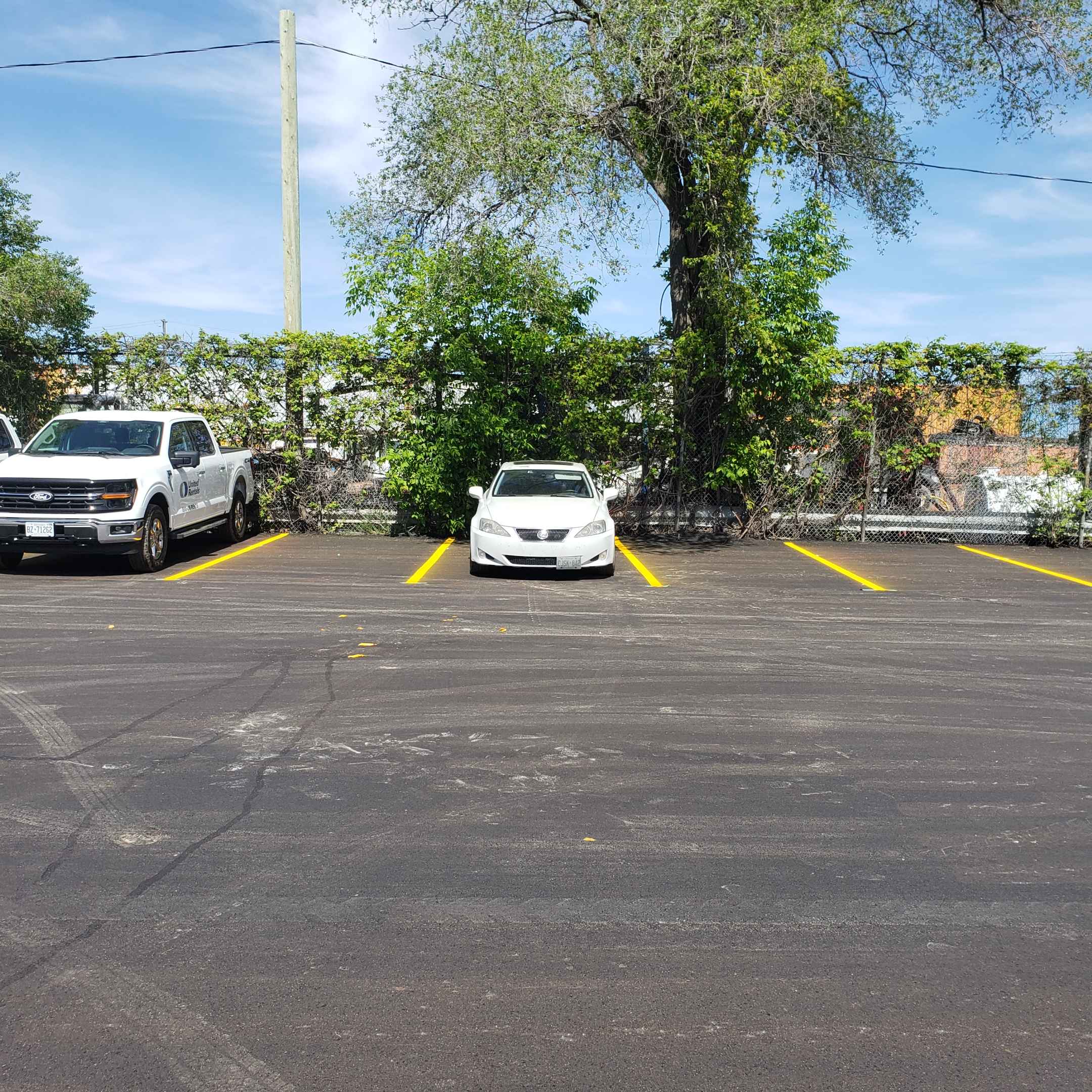
- Better Visibility: A fresh black surface provides the perfect high-contrast background for professional Line Marking.
The Relationship Between Sealcoating and Line Marking
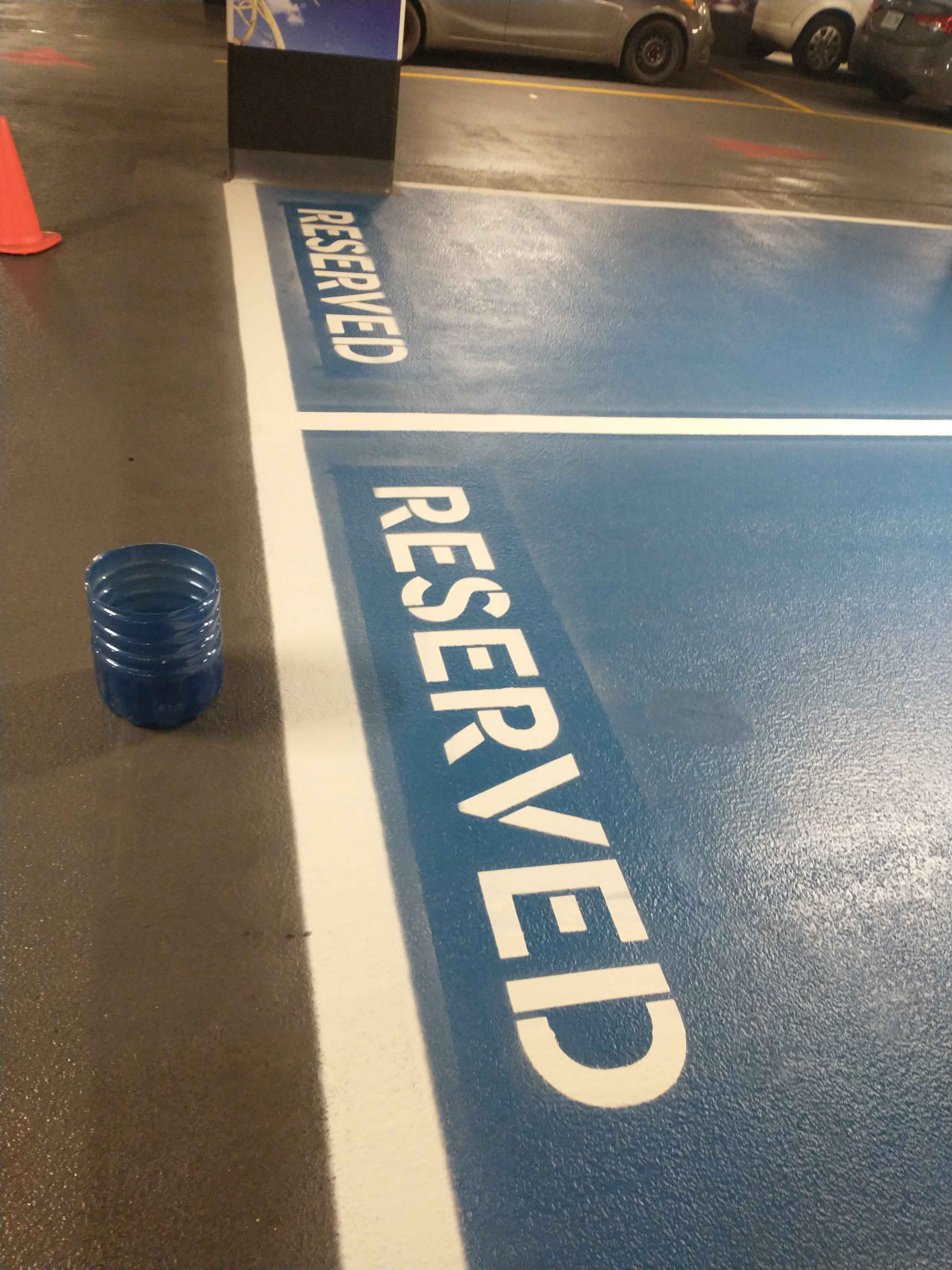
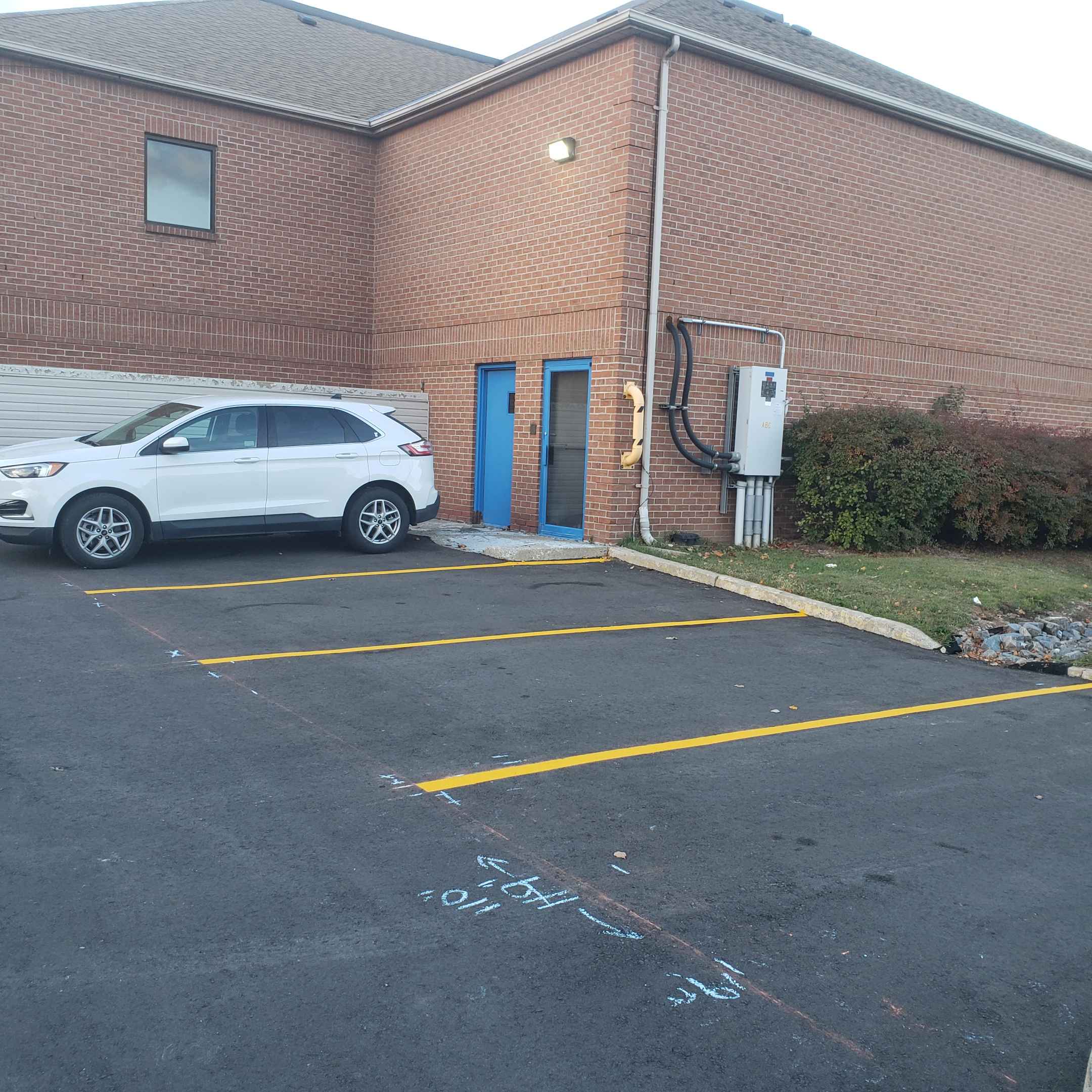
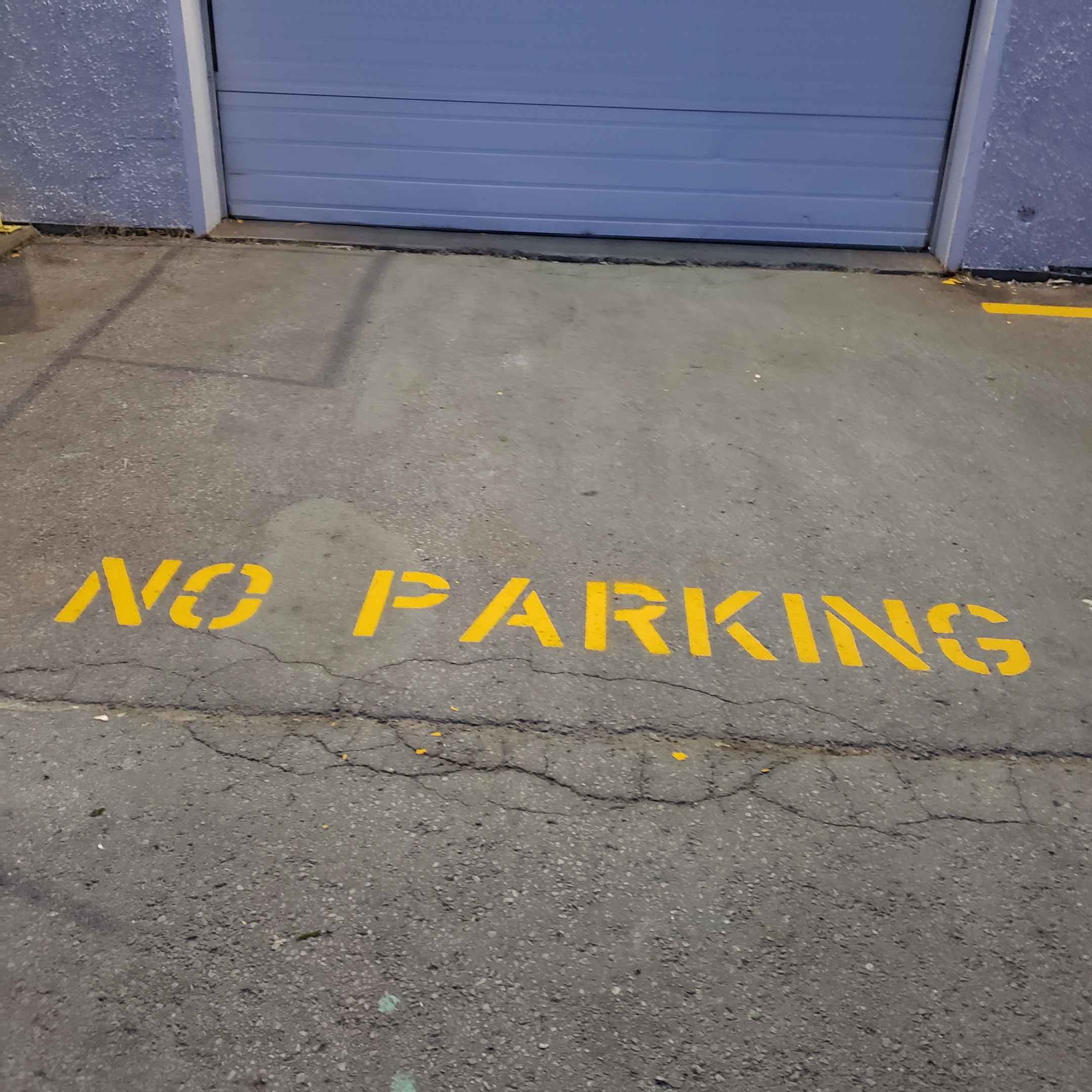
Many property managers mistakenly believe that sealcoating and Line Painting should be done at the same time. While they are often part of the same maintenance cycle, they serve different purposes. Sealcoating protects the substrate, while Line Marking ensures traffic flow, safety, and compliance with accessibility regulations.
For the best results, we recommend sealcoating first. Once the sealant has fully cured, we can apply crisp, bright Line Painting that will pop against the new black surface. This dual approach ensures that your parking lot is not only protected but also highly functional and easy to navigate.
At Capital Parking Lot Line Painting, we specialize in coordinating these services to provide a seamless, comprehensive solution for your property.
Common Mistakes to Avoid
When managing your asphalt, avoid these common pitfalls:
- Waiting too long: Ignoring small cracks leads to potholes.
- Applying sealant over heavy oil stains: Oil must be cleaned or treated before sealcoating, or it will prevent adhesion.
- DIY attempts on large surfaces: Professional-grade sealants and application equipment ensure a uniform, long-lasting finish that DIY kits simply cannot match.
Ready to protect your investment?
Don't wait for the cracks to become craters. Contact the experts to assess your asphalt's condition and schedule your maintenance today.