How to Plan Your Parking Lot Pavement Marking for EV and Future Needs
As the automotive landscape shifts toward electrification, commercial property owners must rethink how they utilize their most valuable outdoor asset: the parking lot.
The transition to Electric Vehicles (EVs) is no longer a futuristic concept; it is a current reality. For business owners in Sarnia, a key economic hub in Ontario, staying ahead of this curve is essential for customer satisfaction and property value. Integrating EV charging stations requires more than just plugging in a machine—it requires a strategic approach to line marking and spatial management.
At Capital Parking Lot Line Painting, we help property managers navigate these transitions by providing high-visibility, durable markings that guide drivers to the right locations while ensuring compliance with local regulations.
The Rise of the Electric Vehicle: Why Planning Matters
EV charging stations require specific parking configurations. Unlike standard combustion engine vehicles, EVs often require longer dwell times and specific access points for charging cables. If your line painting is outdated or poorly planned, you may find that your charging stalls are difficult to access or that they inadvertently block traffic flow.
When planning for the future, you aren't just marking a spot; you are designing an experience. A well-marked EV stall tells the driver exactly where to go, how much space they have for the cable, and where the pedestrian walkway begins.
Key Elements of Future-Proof Pavement Marking
To ensure your parking lot remains functional for the next decade, consider these three pillars of modern line marking:
1. Dedicated EV Stall Identification
It is no longer enough to simply paint a white box. Modern standards suggest using distinct colors or symbols. High-contrast line painting that incorporates EV icons or green-tinted markings can help differentiate these spots from standard stalls, preventing non-EV drivers from occupying valuable charging space.
2. Accessibility and ADA Compliance
In many jurisdictions, EV stalls must also meet specific accessibility requirements. This means ensuring that the line marking around van-accessible spaces is precise and provides the necessary width for mobility aids. Capital Parking Lot Line Painting specializes in ensuring that all markings meet both functional and regulatory standards.
3. Wayfinding and Traffic Flow
As more people seek out charging hubs, traffic patterns in your lot will change. You may need to implement new directional arrows or specialized pedestrian crossings to manage the increased movement of people walking between their vehicles and the charging units.
Common Mistakes to Avoid
When upgrading your facility, avoid these frequent pitfalls:
- Ignoring Cable Clearance: Not leaving enough width for drivers to maneuver charging cables.
- Using Low-Quality Materials: Choosing cheap paint that fades quickly under heavy tire friction.
- Poor Visibility: Failing to use high-contrast colors that are visible during nighttime or rainy weather.
- Neglecting Pedestrians: Forgetting that charging stations are often high-activity zones that require clear walking paths.
Implementation Steps for Property Managers
If you are located in Sarnia or the surrounding Ontario regions, follow these steps to modernize your lot:
- Conduct a site audit to determine the best placement for charging infrastructure.
- Consult with a professional service like Capital Parking Lot Line Painting to design a layout that maximizes stall count and safety.
- Select high-durability thermoplastic or epoxy-based markings for long-lasting results.
- Schedule the work during off-peak hours to minimize disruption to your customers.
Visualizing the Result
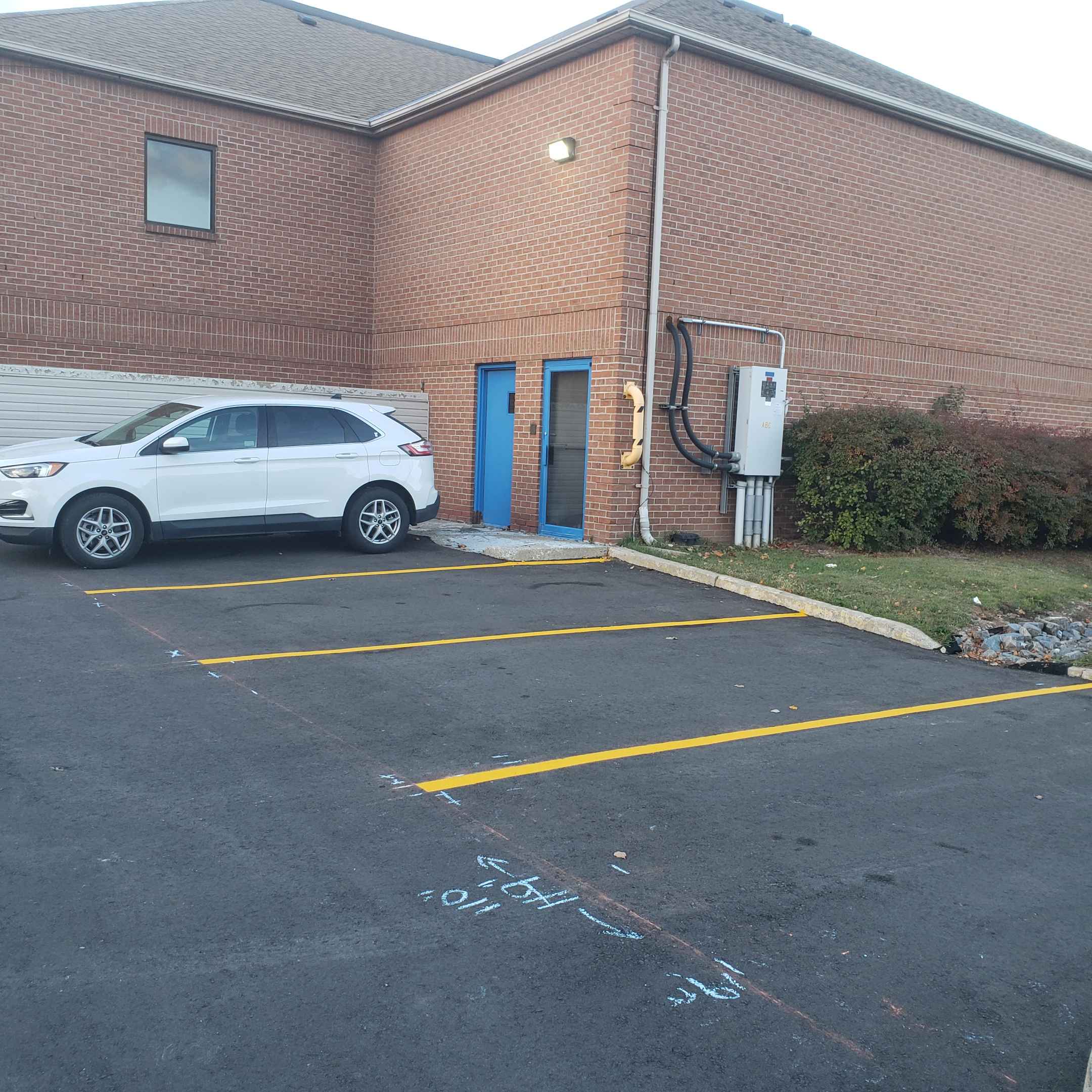
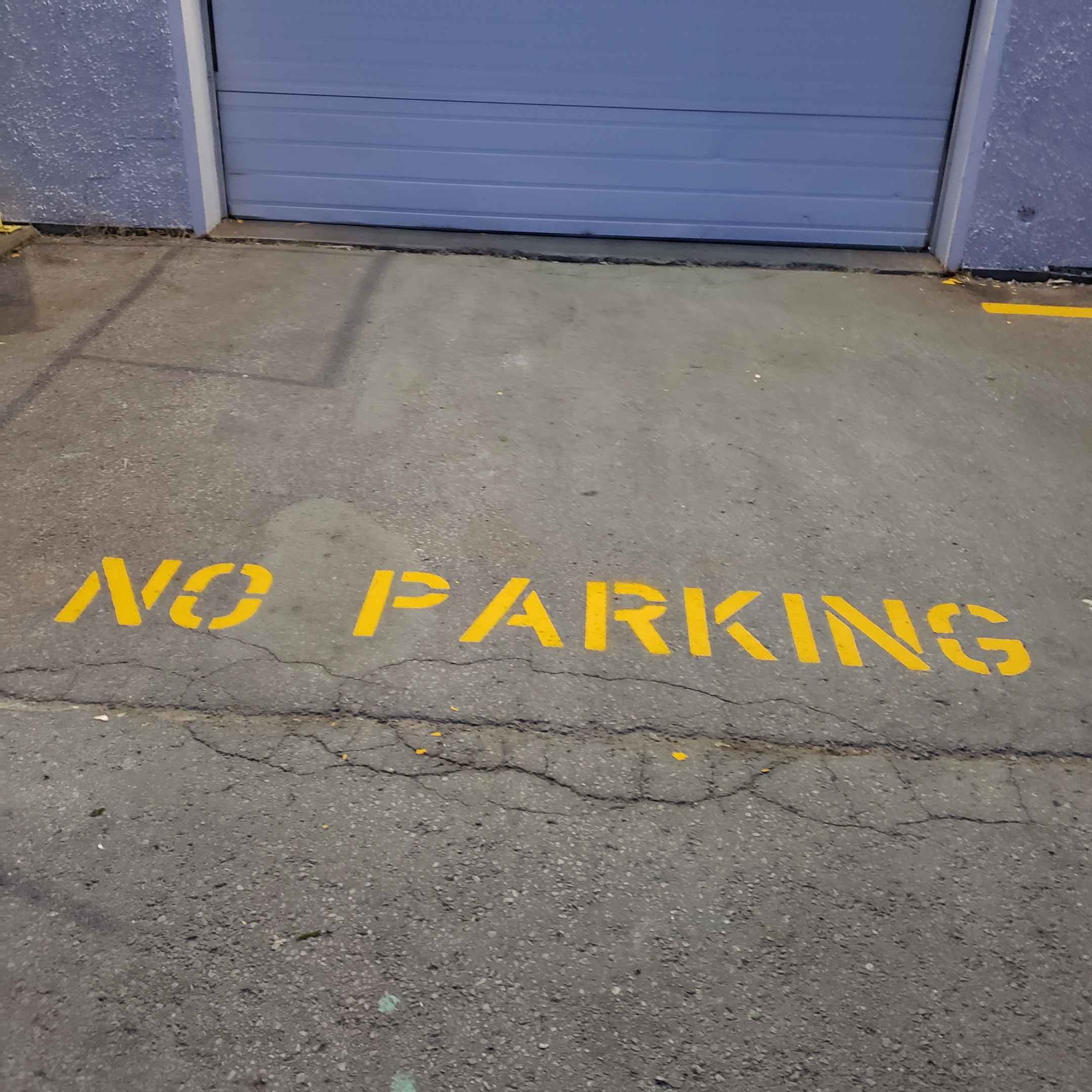
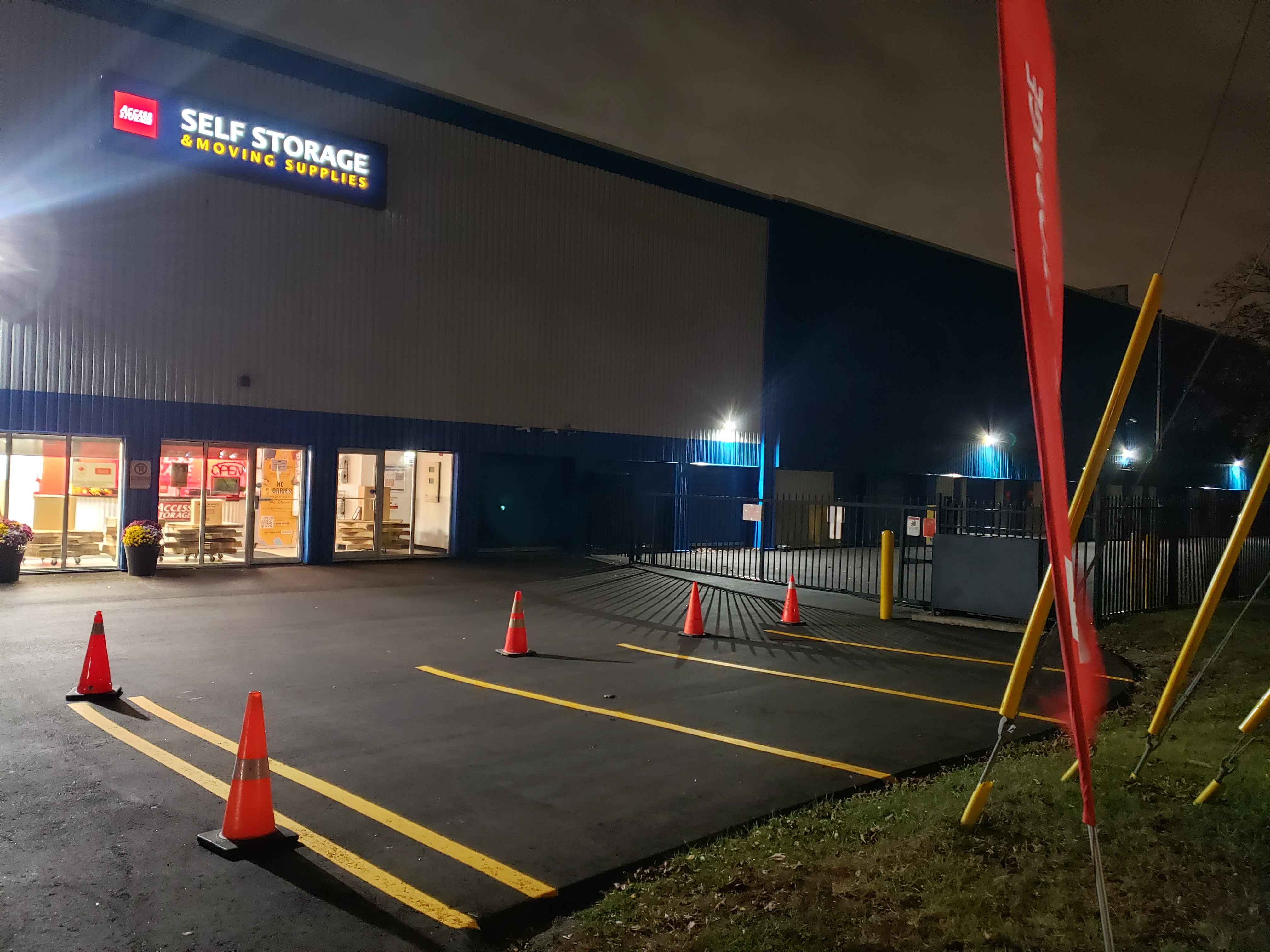
Precision line marking ensures a professional and organized facility.
Conclusion
Preparing for the EV revolution is an investment in the longevity of your property. By focusing on strategic line marking and thoughtful layout planning, you can provide a premium experience for the modern driver. Don't wait for your parking lot to become obsolete—plan for the future today.