How to Prioritize Crack Repairs in a Large Commercial Lot
Maintaining a sprawling commercial parking lot is a marathon, not a sprint. When cracks begin to appear, property managers face a daunting task: deciding which ones need immediate attention and which can wait.
The High Stakes of Asphalt Maintenance
For business owners in Sarnia, a top 30 city in Ontario, the parking lot is the first thing a customer sees. It serves as the gateway to your business. However, beyond aesthetics, the structural integrity of your asphalt is vital for safety and long-term asset management. Ignoring small cracks today can lead to massive potholes and complete resurfacing requirements tomorrow.
At Capital Parking Lot Line Painting, we have seen firsthand how proactive maintenance can save property owners significant headaches. The key is not just fixing cracks, but fixing the *right* cracks at the *right* time.
Categorizing Your Cracks: A Tiered Approach
Not all cracks are created equal. To manage a large lot effectively, you should categorize damage into three distinct tiers of urgency.
Tier 1: Immediate Action Required (Structural Threats)
These are cracks that threaten the very foundation of your pavement. If you see these, you should contact Capital Parking Lot Line Painting immediately to prevent further deterioration.
- Alligator Cracking: This looks like the skin of a crocodile. It indicates that the base layer of your lot is failing.
- Wide Longitudinal Cracks: Cracks running parallel to the direction of travel that have widened significantly.
- Potholes: These are essentially advanced cracks that have lost all structural integrity.
- Edge Cracking: Cracks along the perimeter of the lot that suggest the sub-base is washing away.
Tier 2: Preventative Maintenance (The "Sweet Spot")
Tier 2 cracks are those that are still relatively narrow but are clearly visible. This is the most cost-effective stage for repair. By sealing these cracks now, you prevent water from seeping into the sub-base, which is the primary cause of pavement failure in the harsh Ontario climate.
Tier 3: Cosmetic or Minor Wear
These are hairline fractures. While they don't pose an immediate threat to the structure, they should be monitored. In a large commercial lot, these are often addressed during a scheduled seasonal maintenance program alongside Line Marking updates.
Why Timing Matters in Sarnia
In Sarnia, our freeze-thaw cycles are brutal on asphalt. Water enters a small crack, freezes, expands, and pushes the asphalt apart. This cycle repeats dozens of times a year. If you wait until spring to address cracks that appeared in the autumn, you are already too late. Prioritizing repairs before the heavy winter moisture sets in is the smartest move a property manager can make.
The Connection Between Crack Repair and Line Marking
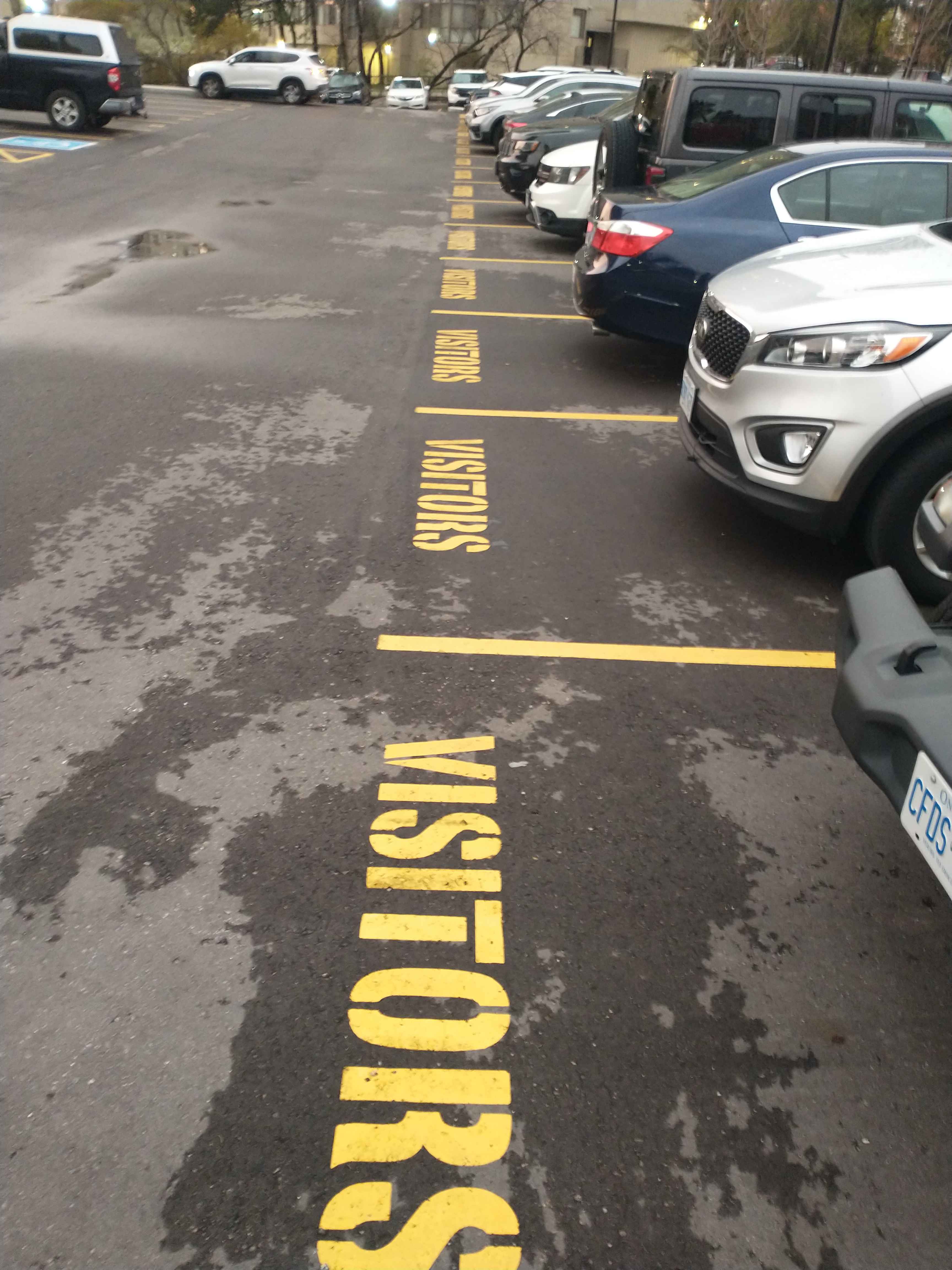
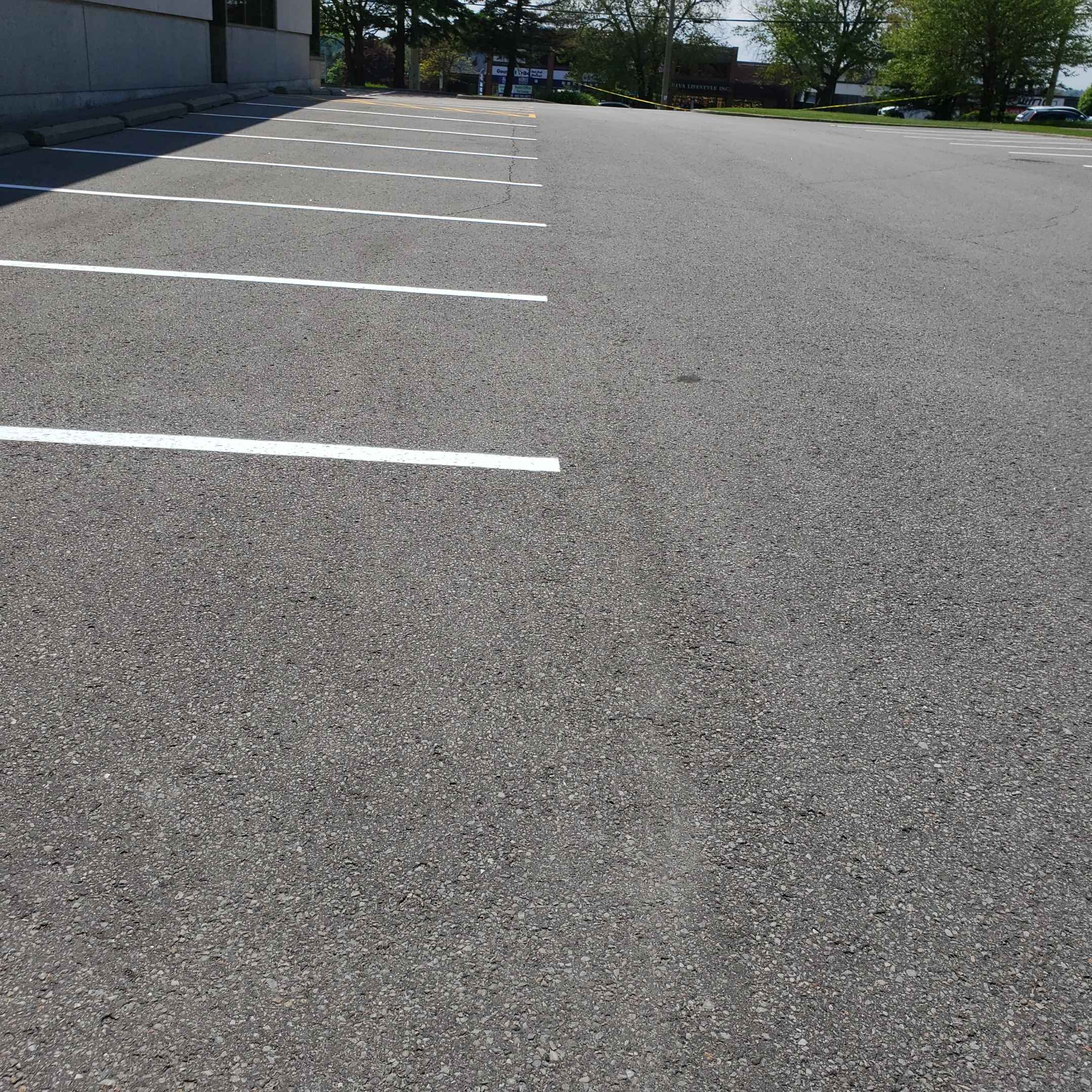
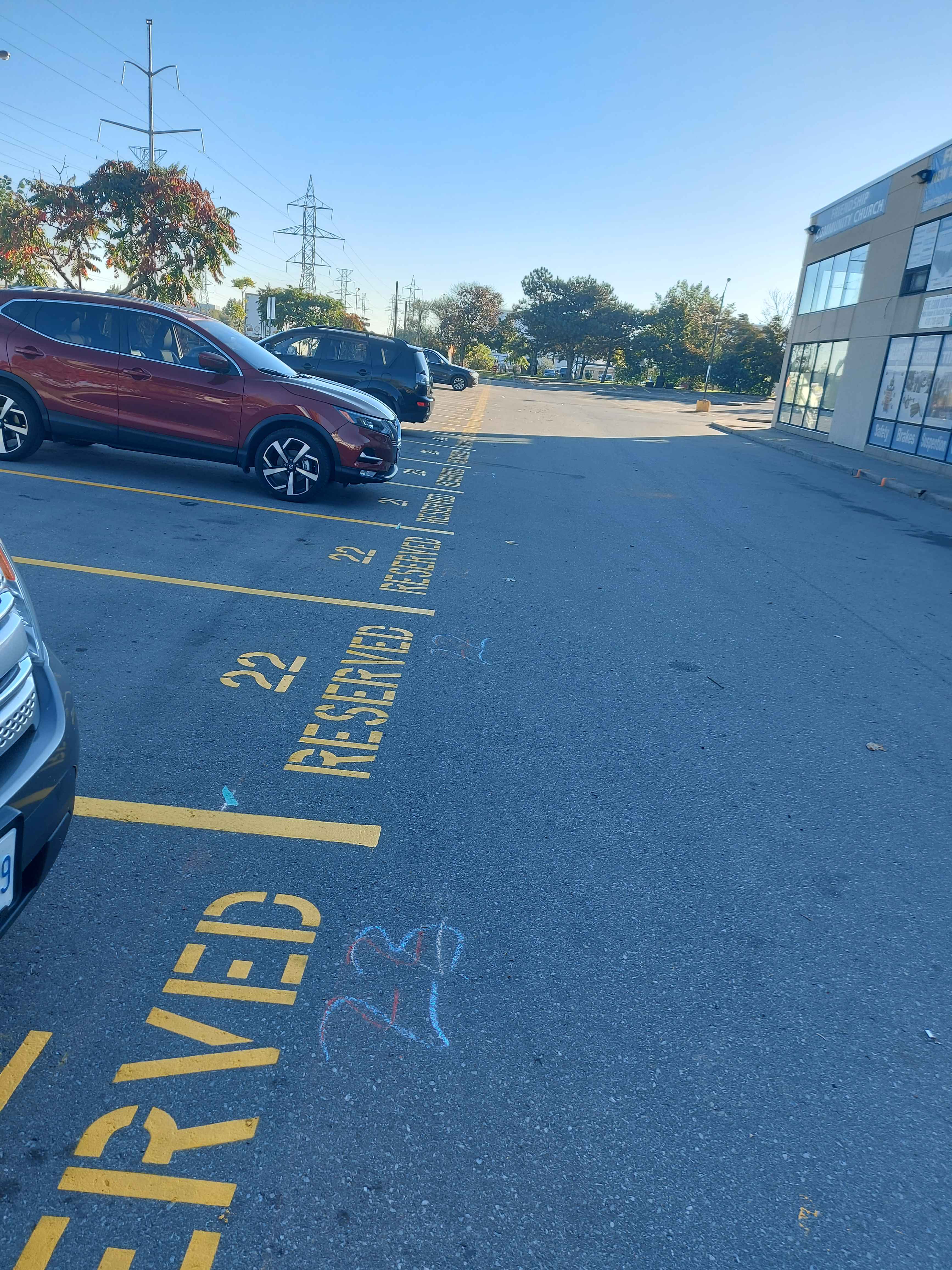
A common mistake property managers make is treating crack repair and Line Marking as entirely separate issues. In reality, they are two sides of the same coin. A lot with perfectly painted lines but massive, unsealed cracks looks neglected. Conversely, a smooth, crack-free lot with faded, peeling lines looks unprofessional.
When Capital Parking Lot Line Painting performs a site assessment, we recommend looking at the lot holistically. Addressing structural repairs and refreshing your Line Painting simultaneously ensures a cohesive, professional look that enhances curb appeal and ensures traffic safety.
Common Mistakes to Avoid
When managing your maintenance schedule, avoid these frequent pitfalls:
- Overlooking Small Cracks: Thinking "it's just a tiny line" is how potholes are born.
- Using Improper Sealants: DIY solutions often fail to bond with the asphalt, leading to wasted effort.
- Ignoring Drainage: If water is pooling in certain areas, cracks will form there regardless of how many repairs you do. Fix the drainage first.
- Delaying Seasonal Maintenance: Waiting for a "perfect time" often means waiting until the damage is irreparable.
Conclusion: A Proactive Strategy Wins
Prioritizing crack repairs is about risk management. By identifying Tier 1 structural failures and aggressively treating Tier 2 preventative cracks, you extend the life of your investment and maintain a safe environment for your customers and employees. Don't wait for the asphalt to fail; stay ahead of the weather and the wear.