How to Spot Early Signs of Asphalt Cracking
Don't wait for a total breakdown. Learn the subtle warning signs of asphalt deterioration to protect your commercial property.
For property managers and business owners, a parking lot is more than just a place to park cars; it is the first impression your business makes on every client and visitor. In a bustling area like Burlington, where traffic and weather conditions can be demanding, maintaining the structural integrity of your pavement is crucial. One of the most common yet overlooked issues is asphalt cracking.
While a small crack might seem like a minor cosmetic issue, it is often a symptom of deeper structural problems. If left unaddressed, these small fissures can allow water to seep into the sub-base, leading to potholes, uneven surfaces, and expensive full-scale reconstructions. At Capital Parking Lot Line Painting, we believe that proactive observation is the key to long-term pavement health.
Common Types of Asphalt Cracks
Not all cracks are created equal. Understanding the type of damage you are seeing can help you determine the urgency of the repair. Here are the most common patterns to look for:
1. Hairline Cracks
These are the earliest indicators of aging. Hairline cracks are thin, narrow fissures that appear on the surface. While they don't pose an immediate structural threat, they are the perfect entry points for moisture. Catching these early allows for simple crack filling, which can extend the life of your lot by years.
2. Longitudinal Cracks
Longitudinal cracks run parallel to the direction of travel or the length of the pavement. These often occur due to poor joint construction or subgrade settling. If you notice these running along the seams of your parking stalls, it is time to call in the professionals at Capital Parking Lot Line Painting.
3. Transverse Cracks
These cracks run perpendicular to the direction of travel. They are typically caused by temperature fluctuations—expanding and contracting as the seasons change in Ontario. In cities like Burlington, the freeze-thaw cycle is a primary driver of this type of damage.
4. Alligator (Fatigue) Cracking
This is perhaps the most serious sign of distress. Alligator cracking looks like the scales on a reptile's skin—a series of interconnected cracks forming a pattern. This indicates that the base layer of your pavement has failed, and the asphalt can no longer support the weight of vehicles.
Why Early Detection Matters
Identifying these issues early provides several strategic advantages for your property management:
- Prevents Water Infiltration: Stopping water from reaching the sub-base prevents the foundation from washing away.
- Maintains Safety: Small cracks can become tripping hazards or cause damage to vehicle tires if they evolve into potholes.
- Preserves Curb Appeal: A well-maintained lot with fresh Line Marking looks professional and inviting.
- Cost Management: Patching a crack is significantly more efficient than replacing an entire parking section.
The Role of Maintenance and Visibility
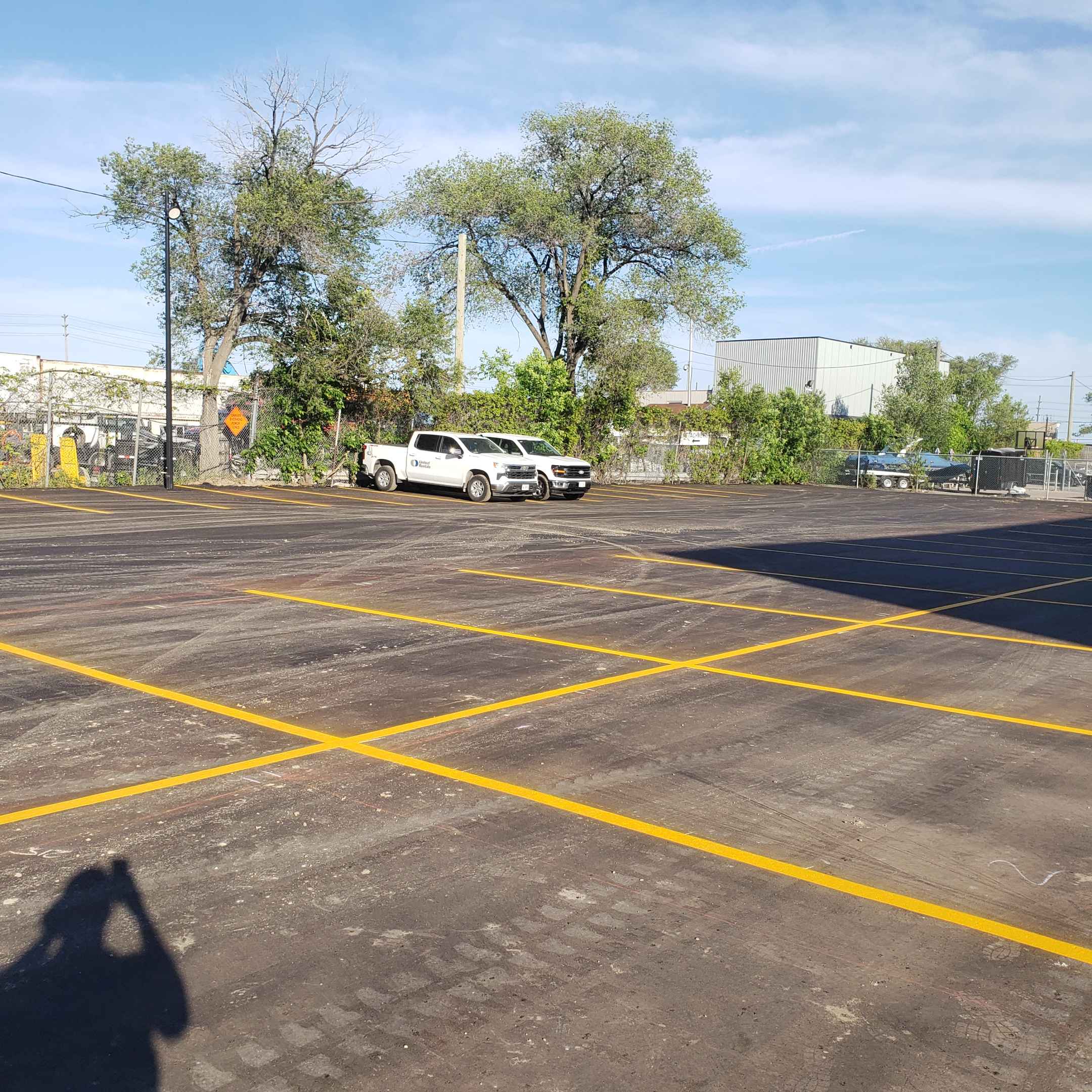
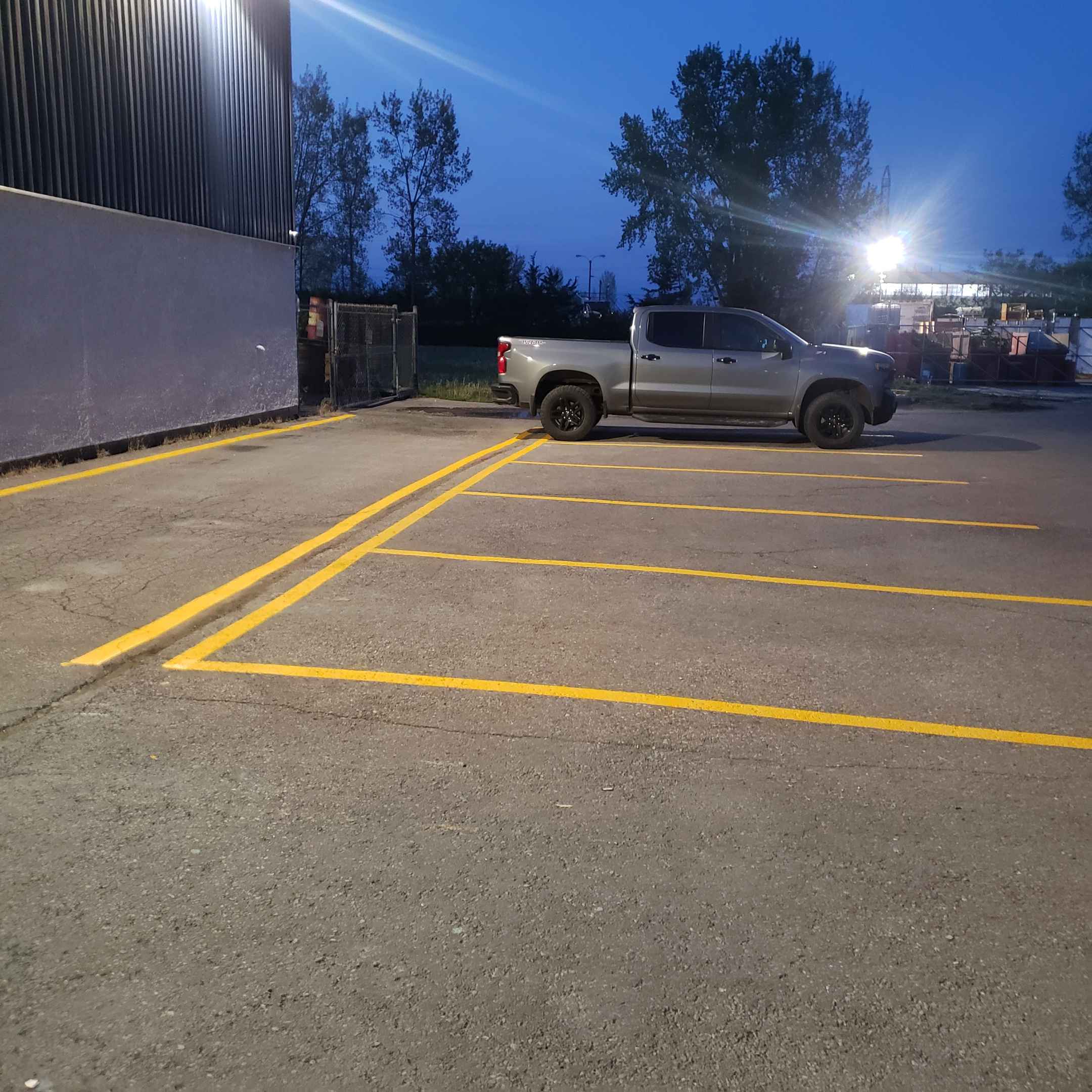
Maintenance isn't just about fixing holes; it's about clarity and organization. As asphalt ages and cracks, the surface becomes more porous and loses its color. This makes it harder to see the boundaries of your parking stalls. Integrating regular Line Painting into your maintenance schedule ensures that even as the asphalt ages, your lot remains functional and easy to navigate.
Capital Parking Lot Line Painting recommends a holistic approach. When you address cracks, you should also evaluate your Line Marking to ensure that traffic flow remains safe and compliant with local regulations. A clean, well-defined lot paired with smooth pavement creates a high-quality environment for your customers.
Ready to Restore Your Parking Lot?
Don't wait for the cracks to turn into craters. Regular inspections and timely repairs can save you significant stress and logistical headaches. Whether you need crack sealing, resurfacing, or professional Line Painting, our team is here to help you maintain a top-tier facility.