How to Spot Early Signs of Asphalt Cracking
Don't wait for a pothole to appear. Learn the subtle warning signs of pavement distress to protect your investment.
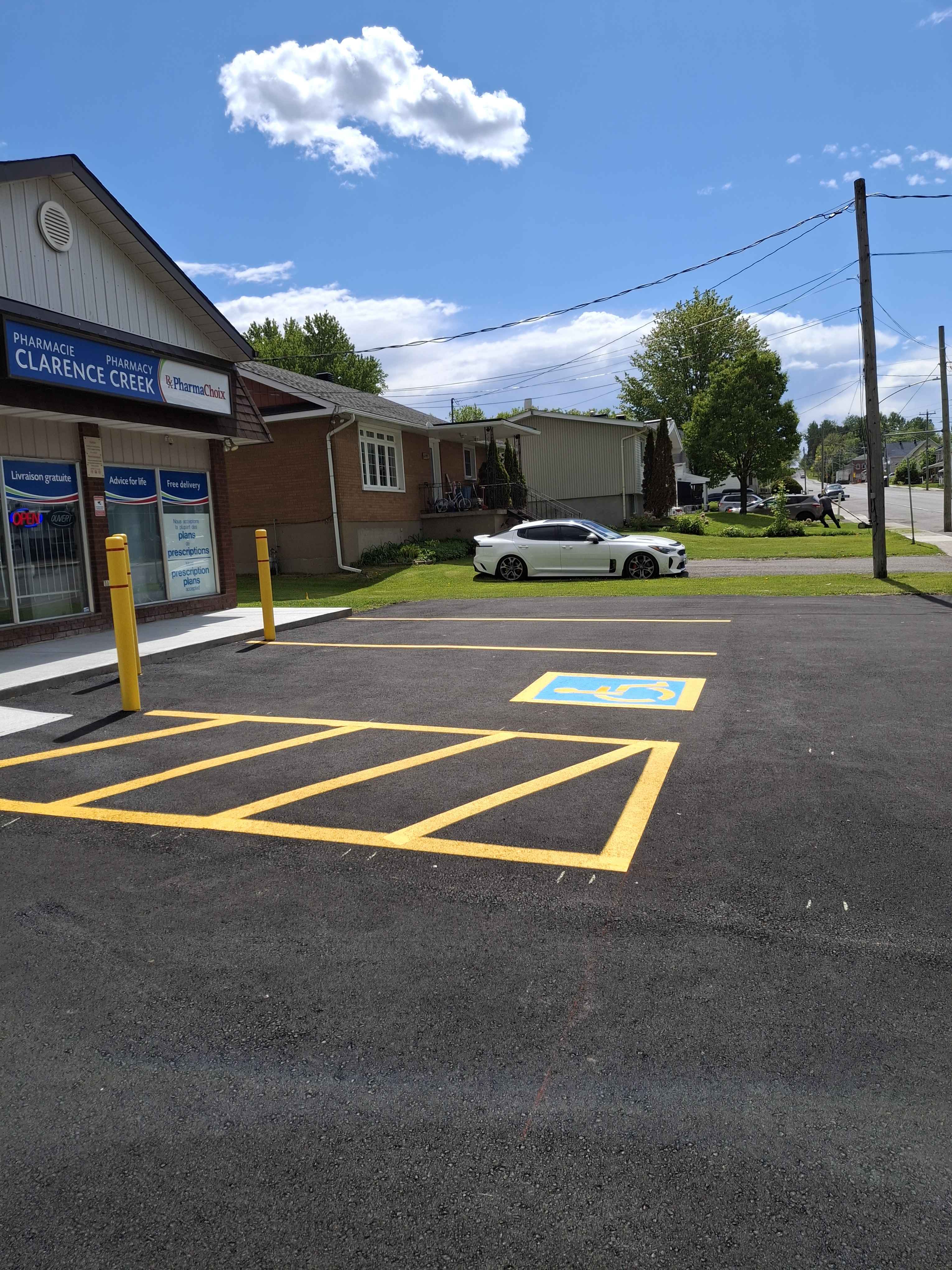
As a property owner or facility manager, your parking lot is often the first thing visitors see. It serves as the gateway to your business, providing a sense of professionalism and safety. However, asphalt is a living material that reacts constantly to environmental stressors, heavy vehicle loads, and temperature fluctuations. In a bustling hub like Mississauga, where traffic volume and seasonal weather shifts are significant, maintaining pavement integrity is a constant challenge.
Ignoring minor imperfections today can lead to catastrophic failures tomorrow. By the time a pothole forms, the underlying base layer has often been compromised, leading to much more expensive reconstruction projects. At Capital Parking Lot Line Painting, we believe that proactive observation is the key to extending the lifespan of your asphalt surfaces.
Understanding the Anatomy of Asphalt Failure
Asphalt doesn't just "break." It undergoes various stages of distress that follow predictable patterns. Recognizing these patterns early allows you to implement targeted repairs rather than full-scale replacements. Understanding these signs helps you coordinate with experts like Capital Parking Lot Line Painting before the damage becomes irreversible.
1. Hairline or Crazing Cracks
The earliest sign of distress is often "crazing." These are tiny, interconnected cracks that look somewhat like a spiderweb or a dried-out riverbed. They are usually very shallow and occur due to the oxidation of the asphalt binder—essentially, the sun's UV rays are drying out the oils that keep the asphalt flexible.
2. Longitudinal Cracks
These cracks run parallel to the direction of travel (lengthwise). They often occur due to poor subgrade compaction or the repeated weight of heavy vehicles driving over the same path. If you notice these forming, it is a sign that the structural foundation beneath the asphalt is beginning to settle unevenly.
3. Transverse Cracks
Unlike longitudinal cracks, transverse cracks run perpendicular to the direction of travel. These are almost always caused by temperature changes. In cities like Mississauga, the extreme expansion and contraction caused by freezing winters and hot summers put immense stress on the pavement, causing it to snap across its width.
Common Mistakes in Pavement Management
Many property managers fall into common traps when managing their asphalt. Avoiding these mistakes can save your budget and your surface:
- Ignoring Small Cracks: Small cracks allow water to seep into the base layer, leading to rapid erosion.
- Delaying Line Marking: While it seems cosmetic, clear Line Marking ensures vehicles stay in designated paths, preventing uneven wear and tear on the asphalt edges.
- Poor Drainage Management: Allowing water to pool on the surface accelerates the cracking process significantly.
- Reactive vs. Proactive Maintenance: Waiting for a complete failure rather than performing regular sealcoating or crack filling.
The Role of Professional Maintenance
When you spot these signs, the next step is professional intervention. A specialist can determine if a crack requires simple crack filling, a professional sealcoat, or more intensive structural repairs. Capital Parking Lot Line Painting offers comprehensive inspections to help you understand the health of your pavement.
Beyond structural repairs, the visual aspect of your lot is vital. Regular Line Painting not only improves safety and traffic flow but also signals to your customers that the property is well-maintained and cared for. A clean, well-marked lot with fresh asphalt looks significantly more professional than one with faded lines and growing cracks.
Summary Checklist
Keep this quick guide handy during your monthly site walks:
- Check for spiderweb-like patterns (Crazing).
- Look for cracks running lengthwise (Longitudinal).
- Identify cracks running widthwise (Transverse).
- Inspect for areas of water pooling or standing water.
- Evaluate the clarity of your Line Marking.