How to Spot Structural Cracks in Commercial Lots
For property managers and business owners, the pavement of a commercial lot is more than just a place to park; it is the first impression of your brand and a critical component of site safety.
The Importance of Pavement Inspection
A commercial parking lot undergoes immense stress daily. From heavy delivery trucks to the extreme freeze-thaw cycles common in Ontario, the asphalt is constantly battling the elements. If you are managing a property in a bustling area like Burlington, you know that high traffic volume can accelerate wear and tear significantly.
Ignoring small imperfections today can lead to massive reconstruction costs tomorrow. By learning how to spot structural cracks early, you can implement preventative maintenance, such as professional Line Marking or crack sealing, to extend the life of your surface. At Capital Parking Lot Line Painting, we emphasize that proactive care is the most cost-effective way to manage commercial real estate.
Identifying Different Types of Cracks
Not all cracks are created equal. Understanding the distinction between a cosmetic surface crack and a structural failure is vital for prioritizing your maintenance budget.
1. Hairline or Crazing Cracks
These are very fine, shallow cracks that look like a spiderweb across the surface. They are often caused by oxidation or surface aging. While they don't immediately threaten the integrity of the lot, they can allow water to seep in, leading to larger issues.
2. Longitudinal Cracks
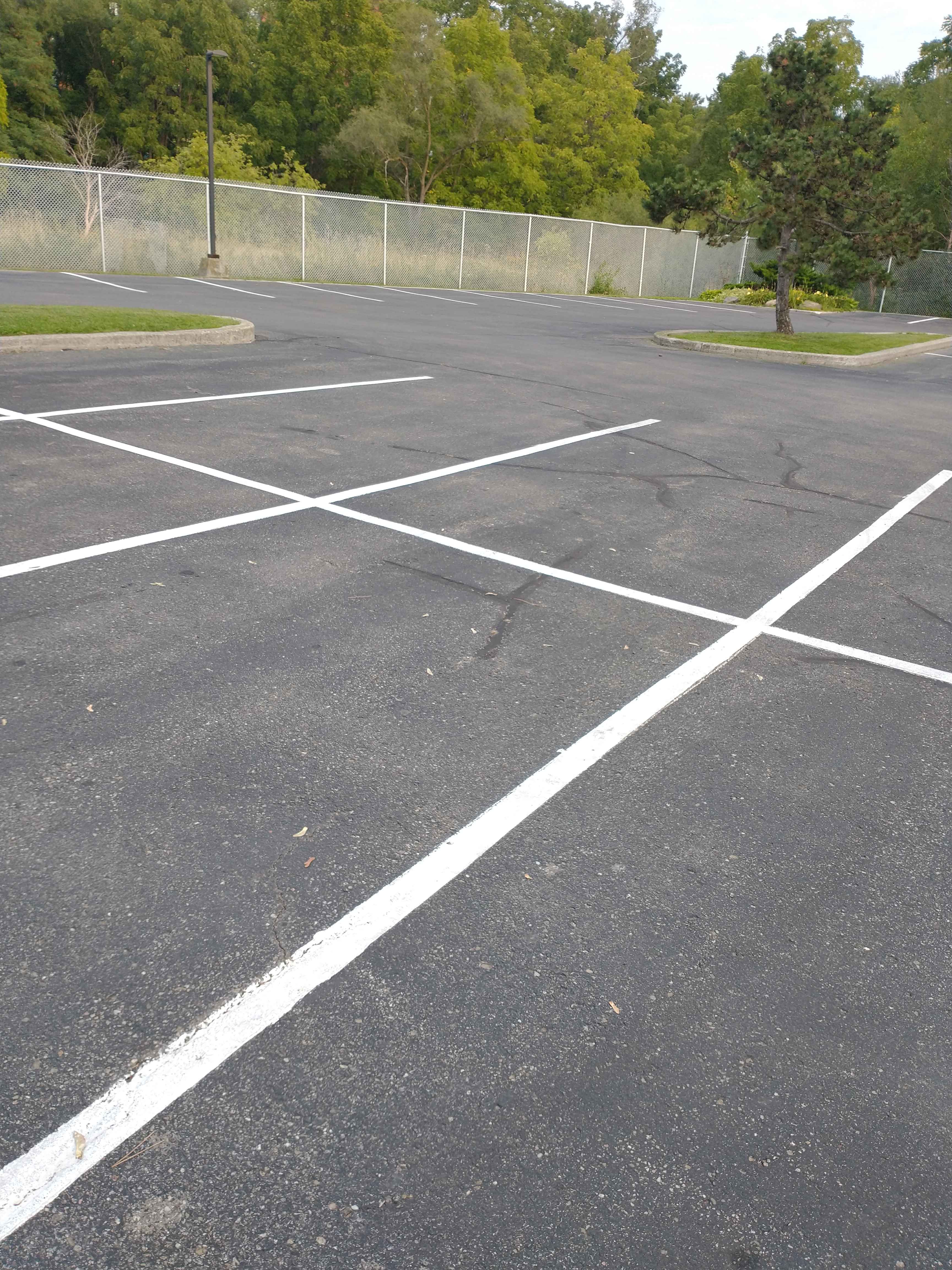
These cracks run parallel to the direction of travel. They often occur due to poor joint construction or subgrade settling. If left untreated, they can widen rapidly during the winter months.
3. Transverse Cracks
Running perpendicular to the direction of travel, these cracks are frequently caused by temperature fluctuations. In a top 30 city like Burlington, where seasonal changes are drastic, transverse cracking is a common sight.
4. Alligator Cracking (Structural Failure)
This is the most serious type of crack. It resembles the scales on an alligator's back and indicates that the base layer or subgrade has failed. This is no longer a surface issue; it is a structural one that requires immediate professional intervention from experts like Capital Parking Lot Line Painting.
Red Flags: When to Take Action
How do you know when a crack has crossed the line from "annoying" to "dangerous"? Watch for these indicators:
- Water Pooling: If water sits in a crack or a depression after rain, the subgrade is likely compromised.
- Rapid Expansion: If you notice a crack getting significantly wider over just a few months.
- Uneven Surfaces: Any vertical displacement (one side of the crack is higher than the other) indicates shifting soil.
- Fading Markings: When your Line Painting begins to peel or crack along with the asphalt, it's a sign the surface is degrading.
The Role of Maintenance in Longevity
Maintaining a commercial lot is a multi-step process. It isn't just about fixing what is broken; it is about preserving what is working. A well-maintained lot benefits the property owner in several ways:
- Enhanced Safety: Reducing trip hazards and preventing vehicle damage from potholes.
- Improved Aesthetics: Fresh Line Marking and a smooth surface signal to customers that your business is professional and well-managed.
- Increased Property Value: High-quality pavement is a tangible asset.
Regular inspections should be conducted at least twice a year—ideally in the spring and fall. During these inspections, look for areas where the asphalt meets curbs or drains, as these are common failure points.
Common Mistakes in Lot Management
Many property owners fall into the trap of "reactive maintenance." They wait until a pothole is large enough to damage a tire before calling for help. This approach is not only more expensive but also more disruptive to business operations. Another mistake is using improper DIY sealants that can actually damage the asphalt binder over time. Always consult with Capital Parking Lot Line Painting to ensure the materials used are appropriate for your specific asphalt type and climate.
Ready to Restore Your Lot?
Don't let small cracks turn into major structural headaches. Whether you need professional Line Painting to refresh your layout or a deep inspection of your pavement's health, our team is here to help.