How to Spot Structural Cracks in Commercial Lots
A well-maintained parking lot is the first thing a customer notices about your business. Beyond aesthetics, the integrity of your asphalt or concrete surface is vital for safety and liability prevention.
The Importance of Early Detection
For property managers and business owners, the parking lot is often an overlooked asset until something goes wrong. In a bustling economic hub like Hamilton, heavy traffic and fluctuating seasonal temperatures can take a significant toll on pavement surfaces. Ignoring small imperfections today can lead to massive structural failures tomorrow.
At Capital Parking Lot Line Painting, we have seen firsthand how minor fissures can evolve into deep potholes if not addressed through timely maintenance and professional Line Marking updates. Understanding the difference between a surface-level blemish and a structural threat is the key to long-term asset management.
Types of Cracks to Watch For
Not all cracks are created equal. To effectively manage your lot, you must categorize the damage you see during your routine inspections.
1. Hairline Cracks (Crazing)
These are very thin, shallow cracks that appear on the surface. While they might look unsightly, they are often cosmetic. However, they serve as a warning sign that the surface is beginning to oxidize and lose its flexibility.
2. Alligator Cracking
This is one of the most serious signs of structural failure. It looks like the scales on an alligator's back—a pattern of interconnected cracks. This usually indicates that the base layer beneath the asphalt has failed or that the load-bearing capacity is insufficient for the traffic volume.
3. Longitudinal and Transverse Cracks
Longitudinal cracks run parallel to the direction of traffic, while transverse cracks run perpendicular to it. While common, if they widen over time, they allow water to seep into the sub-base, leading to rapid deterioration.
Common Causes of Pavement Failure
Understanding why cracks form can help you prevent them in the future. In regions like Hamilton, the freeze-thaw cycle is a primary culprit.
- Water Infiltration: Water entering cracks expands when it freezes, exerting massive pressure from within.
- Subgrade Instability: Poor soil compaction or drainage issues underneath the lot.
- Heavy Load Stress: Constant movement of heavy delivery trucks or overweight vehicles.
- UV Oxidation: Sunlight breaking down the chemical bonds in the asphalt, making it brittle.
- Lack of Maintenance: Neglecting routine Line Painting and sealcoating.
How to Conduct a Professional Inspection
You don't need to be an engineer to spot the major red flags, but you do need a systematic approach. Follow these steps during your quarterly walkthrough:
- Visual Sweep: Walk the entire perimeter and center aisles.
- Depth Check: Use a screwdriver or a small probe to see how deep a crack goes. If it penetrates the surface layer, it requires immediate attention.
- Drainage Observation: Look for standing water after a rainstorm. Puddles often hide underlying structural depressions.
- Edge Inspection: Check the edges of the lot where it meets curbs or landscaping, as these are high-stress areas.
If you notice significant alligator cracking or deep depressions, it is time to call in the experts. Capital Parking Lot Line Painting specializes in identifying these issues before they become catastrophic.
The Role of Line Marking in Safety
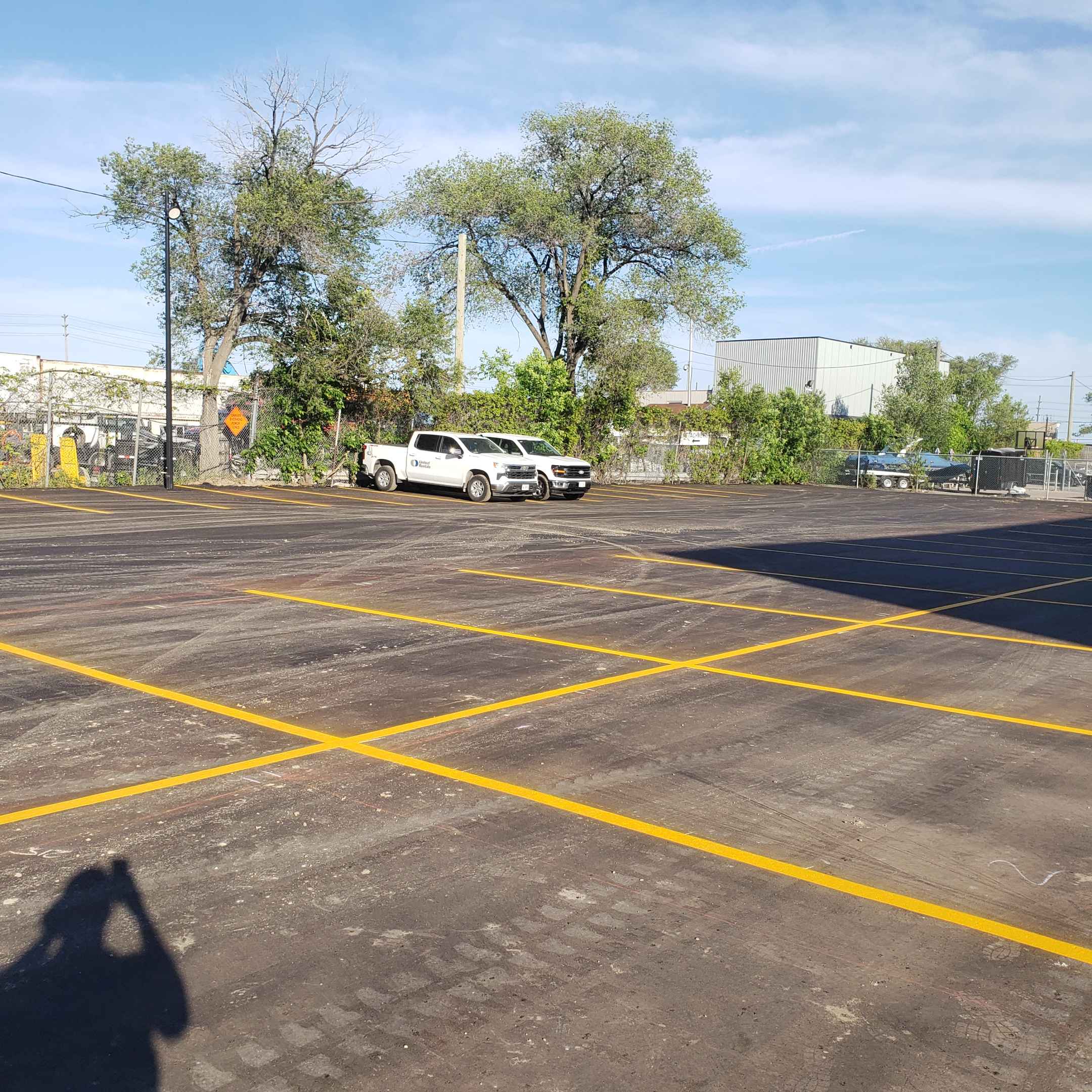
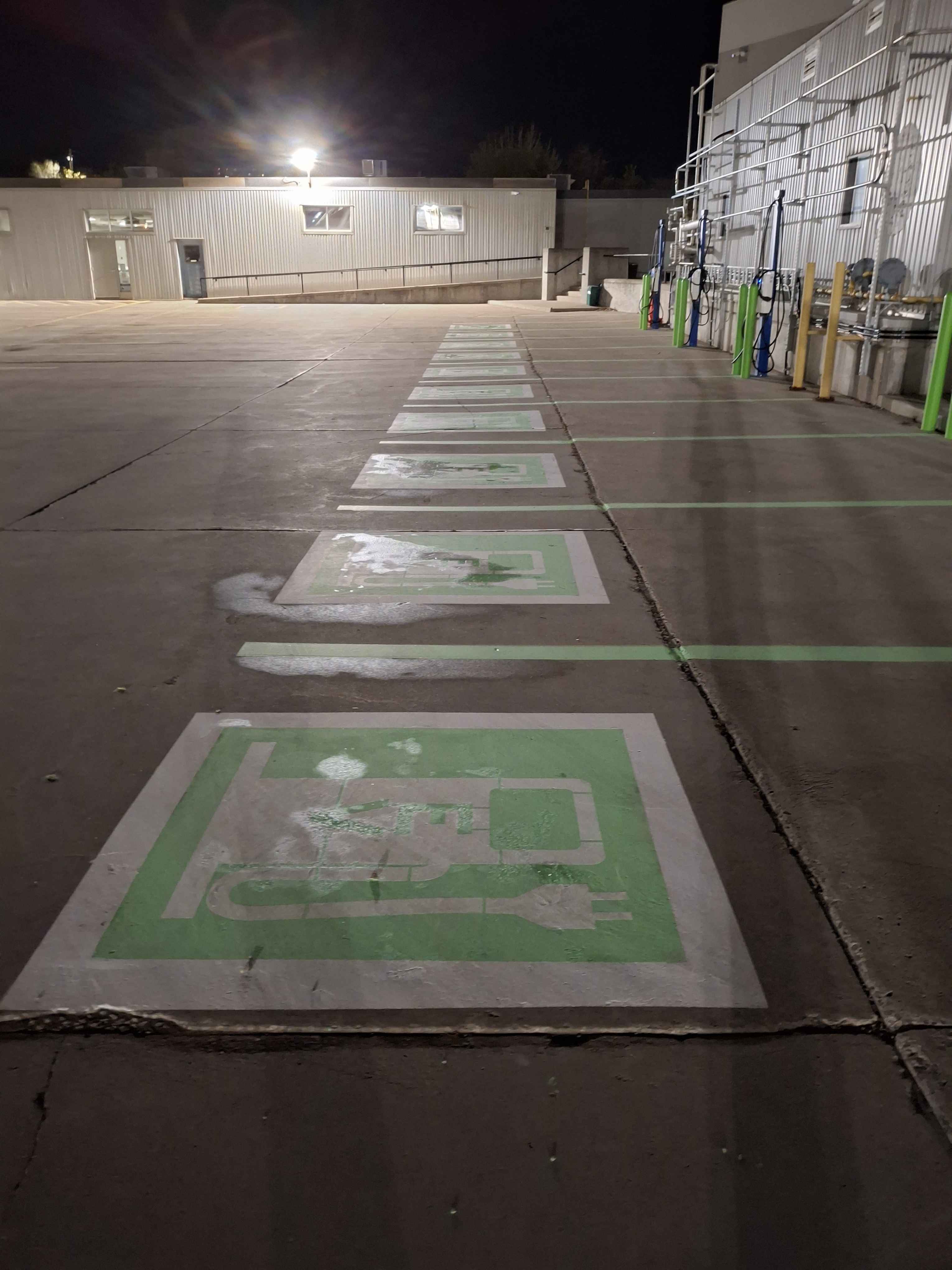
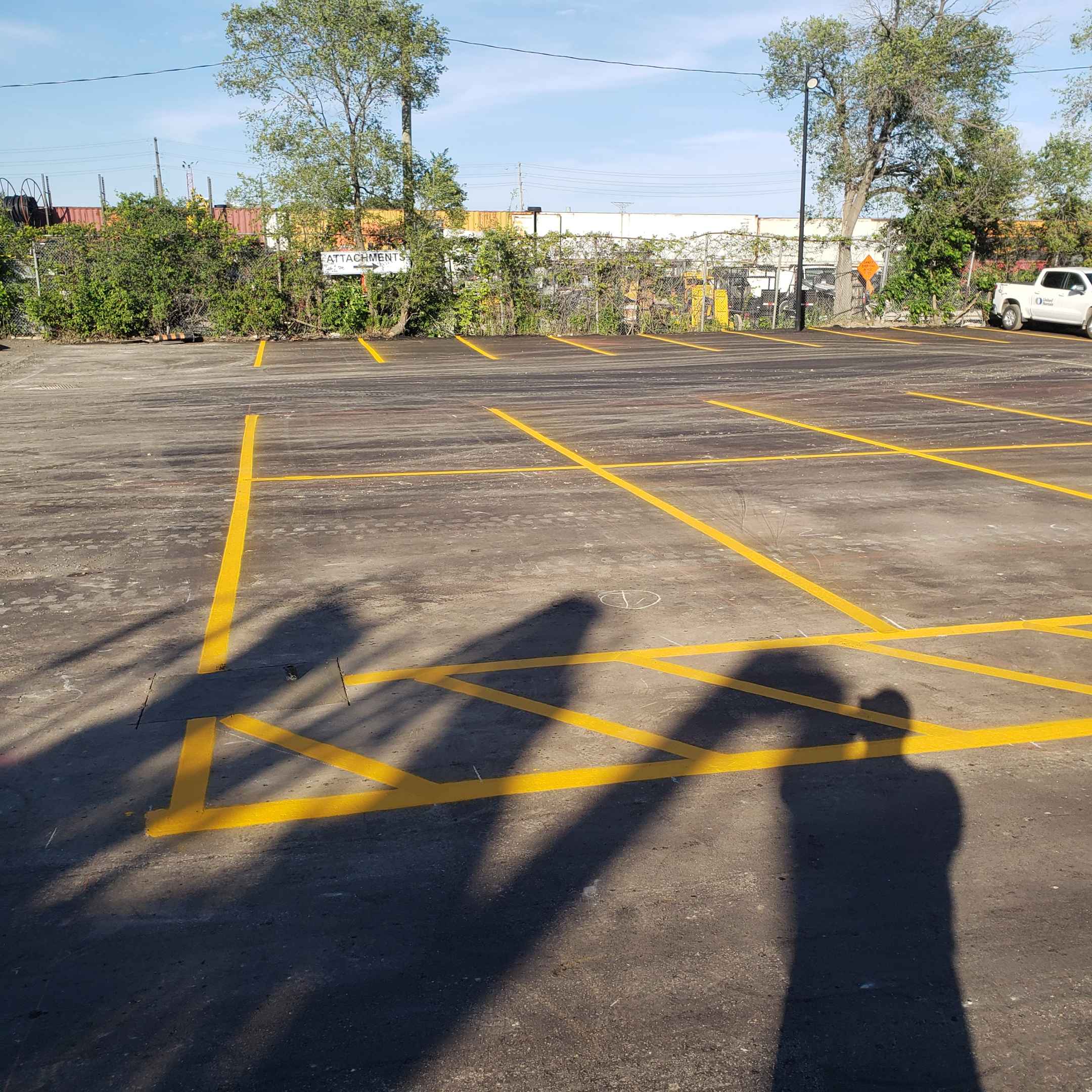
While structural repairs fix the foundation, Line Marking ensures the lot functions correctly. Clear, bright lines guide traffic, define pedestrian walkways, and designate accessible parking spots. A structurally sound lot with faded, illegible lines is still a liability. Integrating crack repair with fresh Line Painting provides a complete solution for your property.
Conclusion
Preventative maintenance is the most effective way to extend the life of your commercial lot. By spotting cracks early and working with professionals like Capital Parking Lot Line Painting, you can avoid the massive costs of full lot reconstruction and keep your customers safe.