How to Spot Structural Cracks in Commercial Lots
Protecting your pavement investment starts with a keen eye and a proactive maintenance mindset.
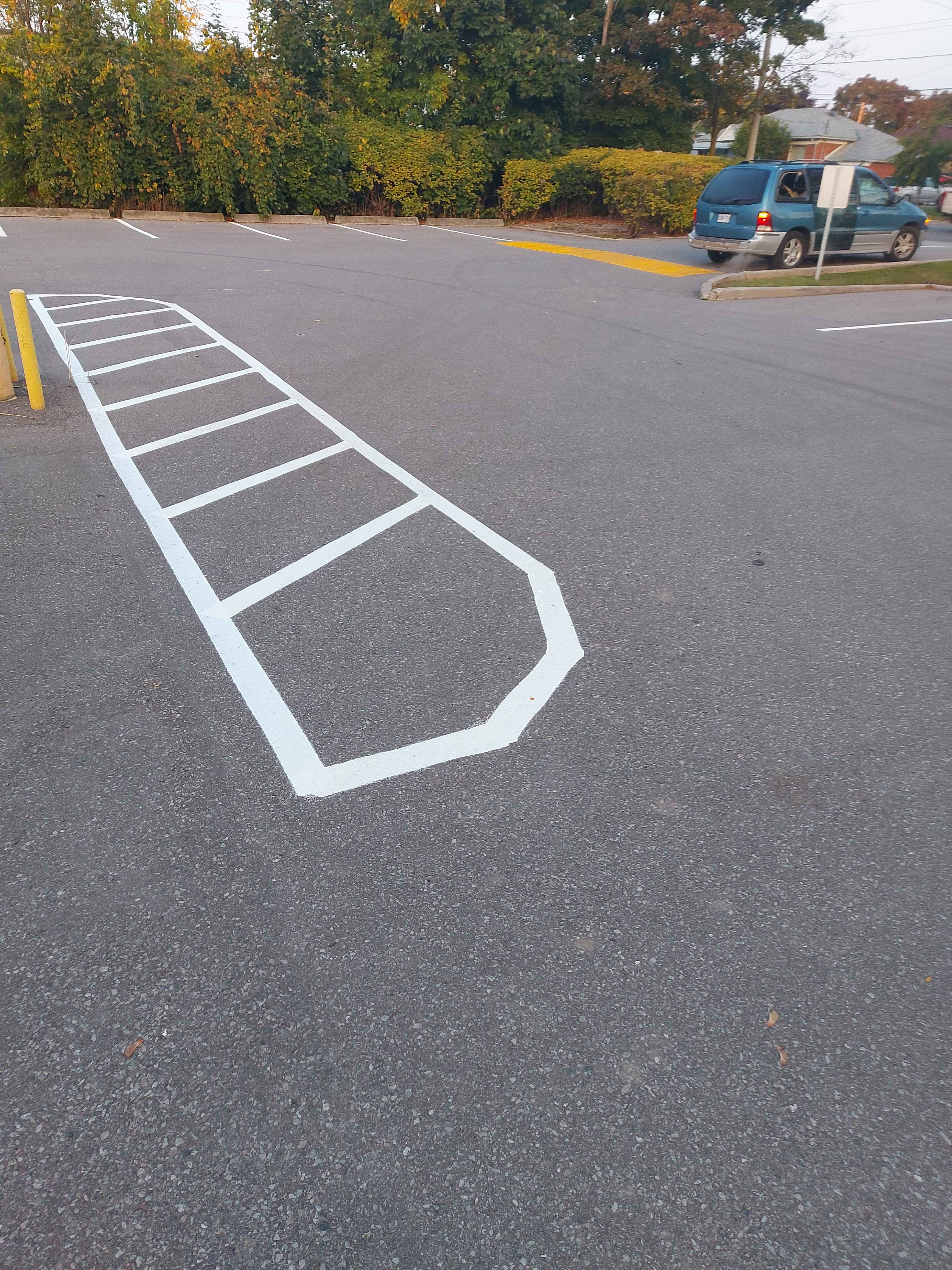
For property managers and business owners, a parking lot is more than just a place for customers to leave their vehicles; it is the first impression of your establishment. In a bustling city like London, where weather fluctuations can be extreme, the integrity of your asphalt is constantly under siege. While many focus on aesthetic updates like Line Painting, understanding the underlying structural health of your lot is critical to preventing total pavement failure.
Structural cracks are not merely cosmetic blemishes. If left unaddressed, they allow water to seep into the sub-base, leading to potholes, shifting, and eventually, the need for a complete resurfacing. At Capital Parking Lot Line Painting, we believe that awareness is the first step toward longevity.
Understanding the Different Types of Cracks
Not all cracks are created equal. To effectively manage your lot, you must first learn to distinguish between minor surface issues and major structural threats.
1. Hairline/Crazing Cracks
These are very thin, shallow cracks that appear on the surface. They are often caused by UV oxidation or the natural aging of the asphalt binder. While they don't pose an immediate structural threat, they are a signal that your surface is becoming brittle.
2. Alligator Cracking
Perhaps the most dangerous sign, alligator cracking (or fatigue cracking) looks like the scales on a reptile. This occurs when the base layer of your lot has failed. It indicates that the asphalt can no longer support the weight of vehicles, and Capital Parking Lot Line Painting recommends immediate intervention when this pattern is spotted.
3. Longitudinal and Transverse Cracks
Longitudinal cracks run parallel to the direction of travel, while transverse cracks run perpendicular to it. These are often caused by temperature changes or poor joint construction. If these cracks widen over time, they are likely transitioning from surface issues to structural problems.
The Checklist: How to Inspect Your Lot
Performing a monthly walkthrough can save you thousands in the long run. Use this checklist to evaluate your commercial property in London:
- Check for Water Pooling: Standing water often indicates uneven settling or deep cracks that are holding moisture.
- Observe Traffic Patterns: Look closely at the areas where heavy vehicles turn; these are high-stress zones prone to fatigue.
- Monitor Crack Width: Use a standard ruler to see if cracks are widening. Any crack wider than a quarter-inch requires attention.
- Inspect Edge Integrity: Check where the asphalt meets grass or concrete; crumbling edges suggest sub-grade erosion.
- Evaluate Line Marking Visibility: If your Line Marking is fading or being interrupted by cracks, it’s a sign the surface is degrading.
Common Mistakes in Lot Maintenance
Many property owners fall into common traps that exacerbate pavement damage. Avoid these pitfalls:
Ignoring Small Issues
The "wait and see" approach is the most expensive way to manage a lot. Small cracks lead to large potholes.
Using Incorrect Sealants
Applying the wrong type of sealant to a structural crack can actually trap moisture inside, making the problem worse.
The Role of Professional Maintenance
Regular maintenance is a holistic process. It isn't just about filling holes; it's about maintaining the entire ecosystem of your parking facility. This includes crack sealing, sealcoating, and ensuring your Line Painting is crisp and compliant with safety regulations.
By partnering with experts like Capital Parking Lot Line Painting, you ensure that your maintenance schedule is scientifically sound and tailored to the specific climate of Ontario. Proactive care keeps your lot safe for pedestrians and smooth for drivers.
Don't Wait for Failure
Regular inspections and timely repairs are the keys to a long-lasting commercial lot. Contact a professional today to schedule a comprehensive assessment of your property.