How to Spot Structural Cracks in Commercial Lots
Protecting your commercial real estate starts from the ground up. Understanding the difference between minor wear and major structural failure is key to long-term asset management.
The Importance of Pavement Inspection
For property managers and business owners, the parking lot is the first thing a customer sees. Beyond aesthetics, however, the structural integrity of your asphalt or concrete is a matter of liability and safety. In a bustling hub like Niagara Falls, where weather fluctuations can be extreme, pavement undergoes significant stress throughout the year.
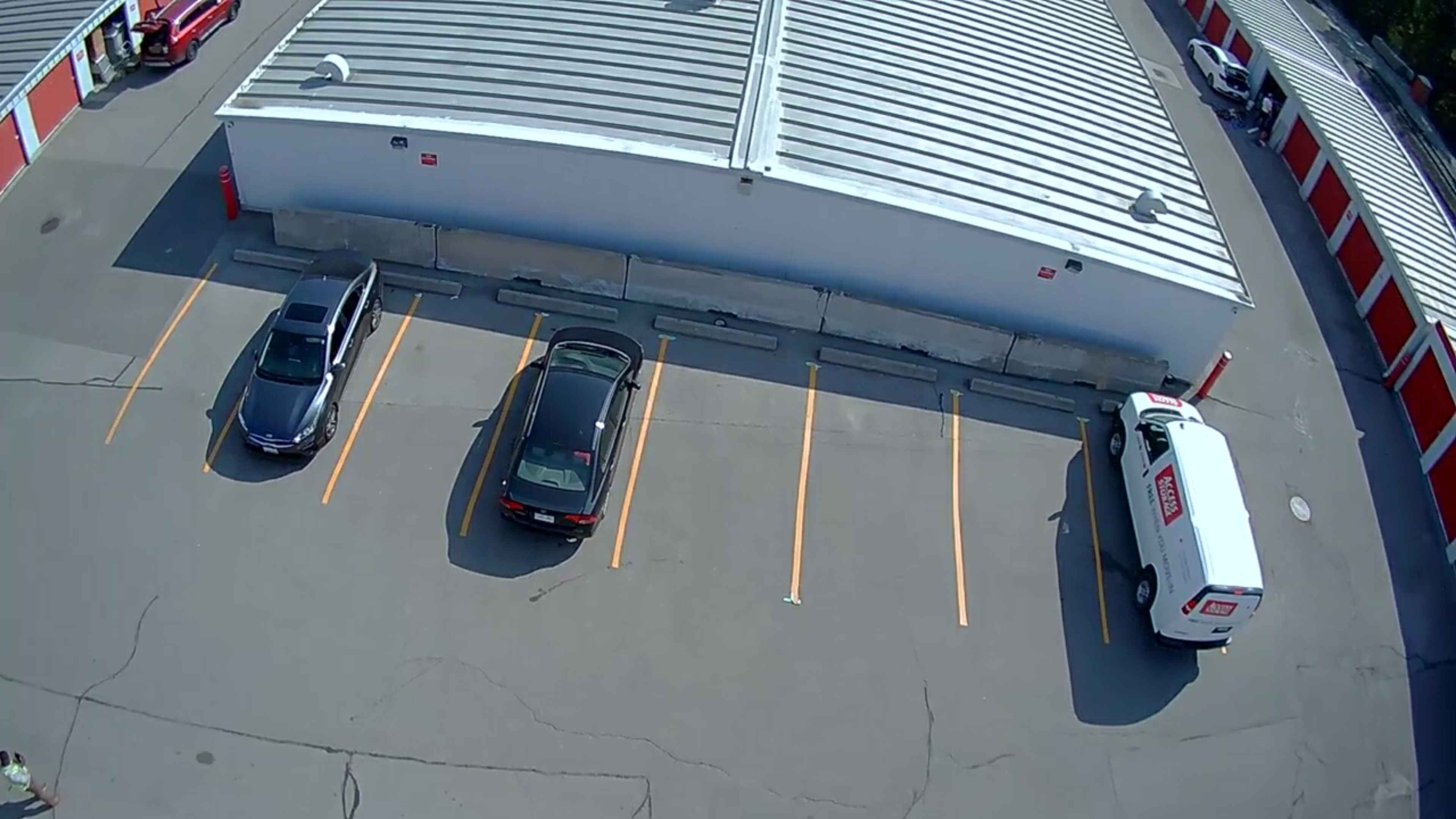
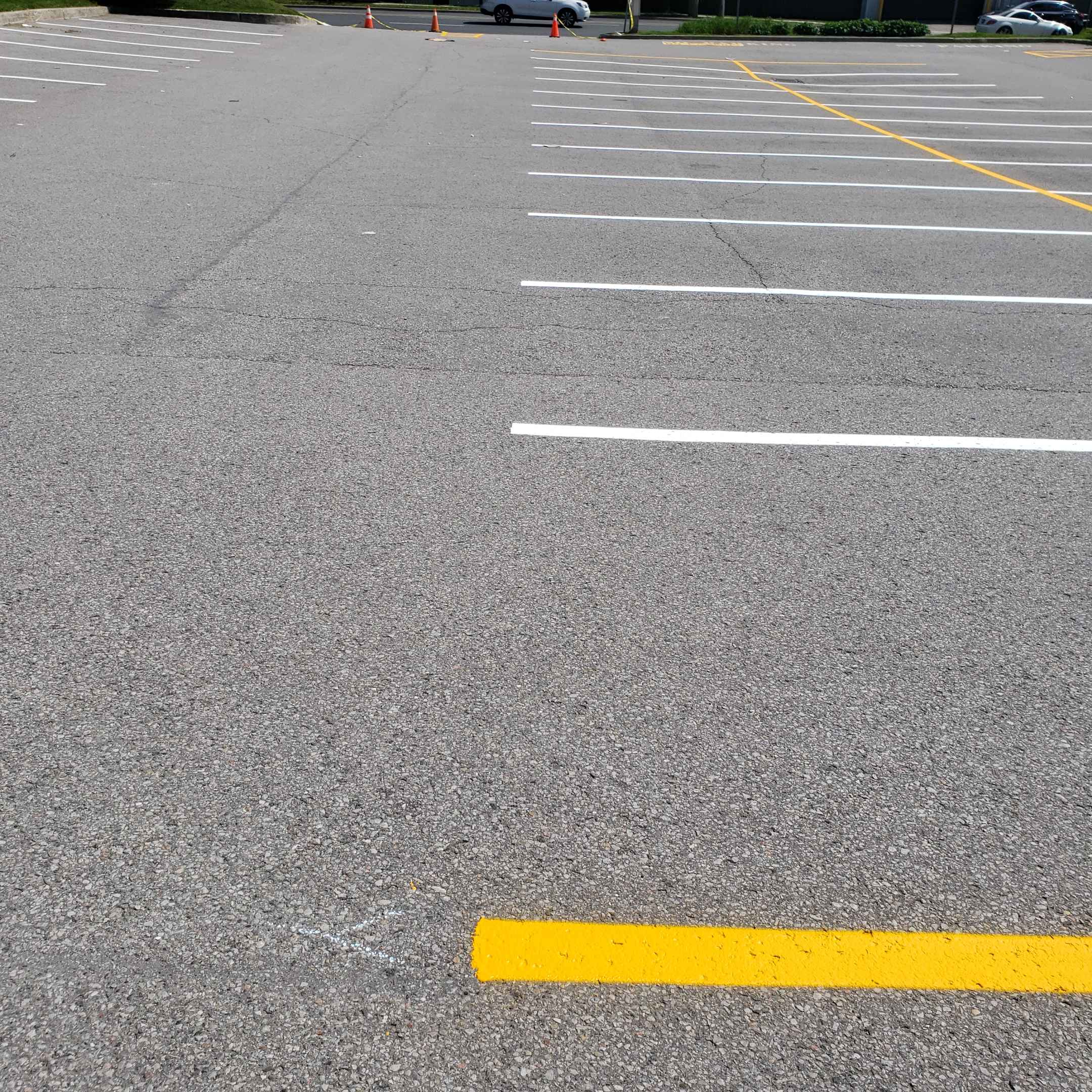
Ignoring small fissures can lead to catastrophic failures. When water penetrates the sub-base through cracks, it weakens the foundation, leading to potholes and large-scale shifting. This is why regular inspections and proactive maintenance, such as professional Line Painting, are essential components of a facility management strategy.
Identifying Different Types of Cracks
Not all cracks are created equal. To manage your maintenance budget effectively, you must be able to categorize the damage you see during your walkthroughs.
1. Hairline and Shrinkage Cracks
These are typically very thin and do not penetrate the full depth of the asphalt. They are often caused by the natural drying process of the material. While they don't require immediate structural intervention, they should be sealed to prevent moisture from entering.
2. Alligator Cracking (Fatigue Cracking)
This is one of the most serious signs of structural distress. It looks like the scales on an alligator's back—a series of interconnected cracks forming small, irregular polygons. This usually indicates that the base layer of your lot has failed or that the asphalt is too thin to support the traffic load. If you notice this, it is time to contact Capital Parking Lot Line Painting for a professional assessment.
3. Longitudinal and Transverse Cracks
Longitudinal cracks run parallel to the direction of traffic, while transverse cracks run perpendicular to it. While these can be caused by temperature changes, they often indicate a failure in the subgrade or improper compaction during the original installation.
Common Mistakes in Lot Maintenance
Many property owners in Niagara Falls and surrounding regions fall into common traps when trying to manage their pavement. Avoid these pitfalls:
- Ignoring the "Small" Stuff: Waiting until a pothole forms is often too late; by then, the sub-base is already compromised.
- DIY Patching: Using low-quality fillers that don't bond with the existing asphalt can actually trap moisture and accelerate decay.
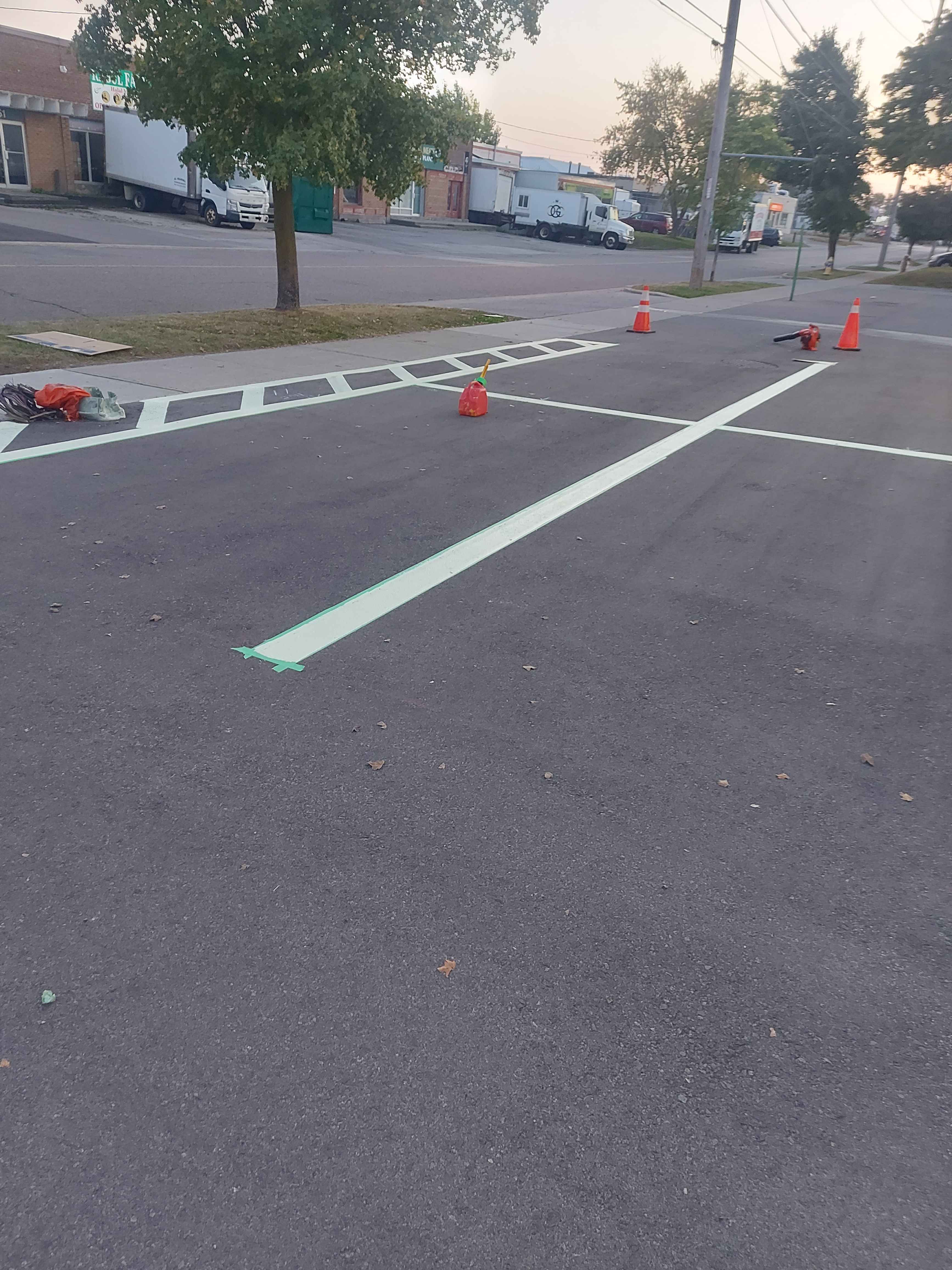
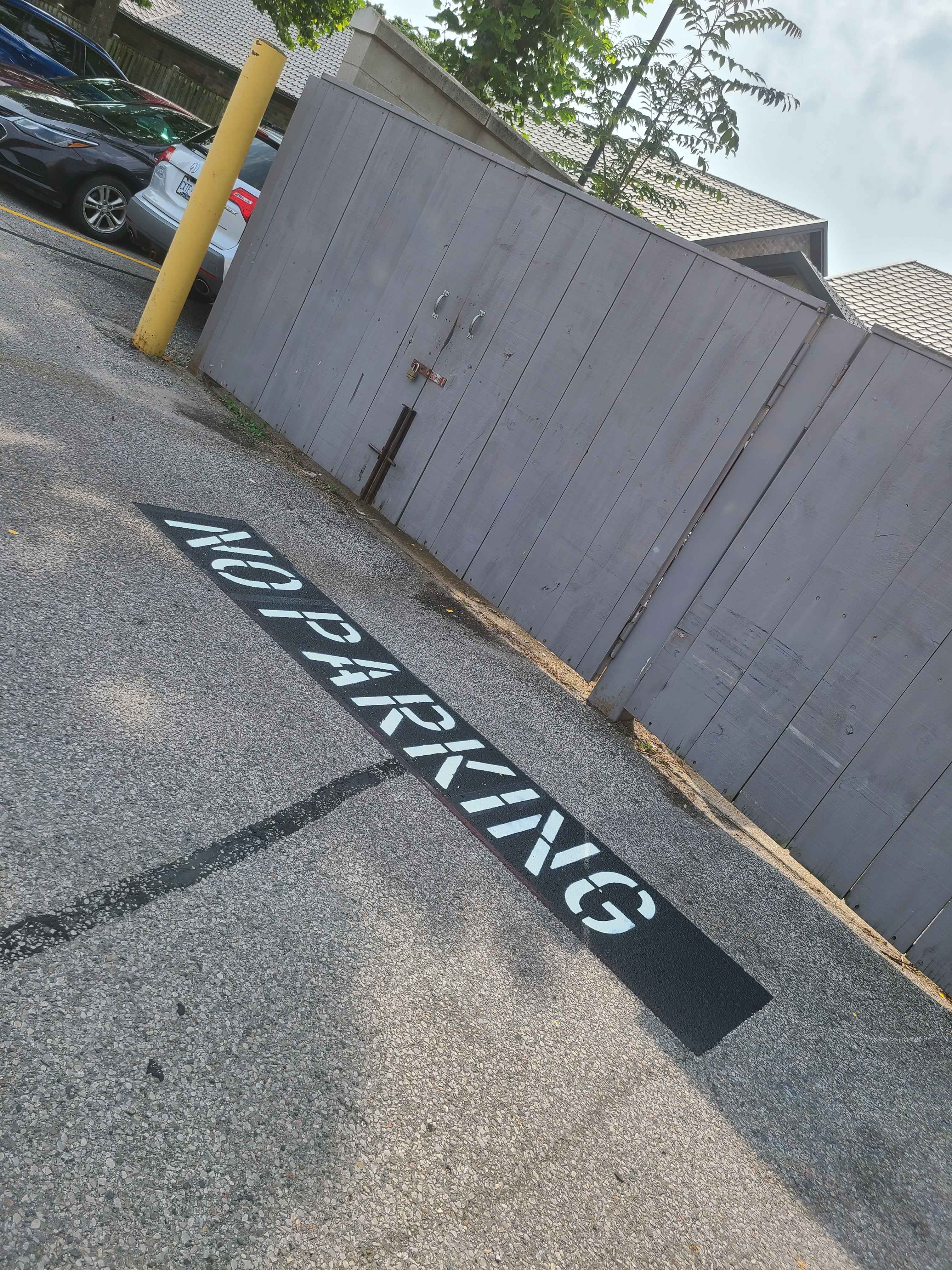
- Neglecting Line Marking: Faded Line Marking isn't just an aesthetic issue; it can lead to traffic confusion and accidents, increasing your liability.
- Skipping Seasonal Inspections: The freeze-thaw cycle is brutal on commercial lots; checking your pavement in spring is vital.
When to Call the Professionals
If you have identified alligator cracking, significant depressions, or widespread longitudinal cracks, you need expert intervention. Capital Parking Lot Line Painting specializes in identifying these issues before they become insurmountable problems.
A professional team can provide a comprehensive plan that might include crack sealing, patching, or a complete resurfacing. Furthermore, once the structural integrity is restored, maintaining clear and visible Line Painting ensures that your lot remains organized, safe, and professional-looking.
Expert maintenance keeps your lot safe and functional.
Summary Checklist for Property Managers
Use this quick guide during your monthly site visits:
- Check for interconnected "alligator" patterns.
- Inspect edges for crumbling or erosion.
- Look for standing water after rainfall (indicates poor drainage/depressions).
- Verify that Line Marking is crisp and compliant with safety standards.
When in doubt, trust the experts at Capital Parking Lot Line Painting to provide a clear path forward for your commercial property.