How to Spot Structural Cracks in Commercial Lots
Understanding the difference between minor surface wear and critical structural failure is vital for any property owner.
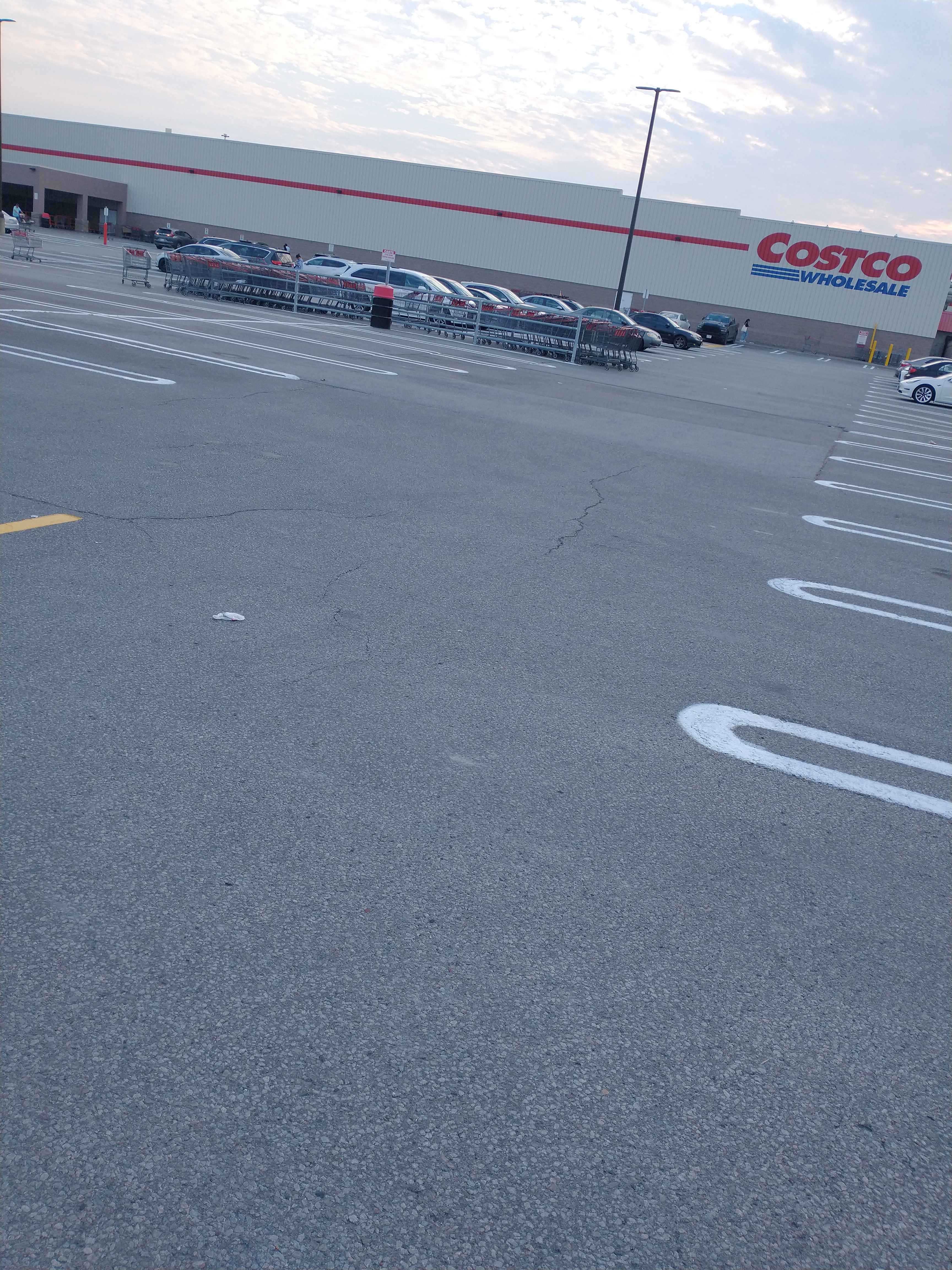
For commercial property owners, the parking lot is often the first thing a customer sees. It serves as the gateway to your business, and its condition speaks volumes about your professionalism and attention to detail. However, beyond the aesthetic appeal of fresh Line Painting, the underlying integrity of the asphalt is what truly matters for safety and long-term investment protection.
Ignoring small imperfections can lead to massive expenses. At Capital Parking Lot Line Painting, we have seen firsthand how neglected cracks can evolve from minor nuisances into full-scale structural failures that require complete resurfacing. This guide is designed to help you perform a professional-grade inspection of your lot.
Types of Cracks: Cosmetic vs. Structural
Not all cracks are created equal. To manage your maintenance budget effectively, you must be able to distinguish between surface-level issues and deep-seated structural problems.
1. Hairline and Crazing Cracks
These are small, shallow cracks that often look like a spiderweb across the surface. They are typically caused by UV oxidation or the natural aging of the asphalt binder. While they aren't immediate threats to the foundation, they do allow water to penetrate the surface, which can lead to larger issues if not addressed through proper sealcoating.
2. Longitudinal and Transverse Cracks
Longitudinal cracks run parallel to the direction of traffic, while transverse cracks run perpendicular to it. If these are narrow and single, they are manageable. However, if they begin to widen or connect, they indicate that the base layer may be shifting.
3. Alligator Cracking (Structural Failure)
This is the most serious type of crack. It looks like the scales on an alligator's back—a series of interconnected, polygon-shaped cracks. This is a clear sign of structural failure, usually caused by a weakened subgrade or excessive weight loads. When you see this, it is time to call professionals like Capital Parking Lot Line Painting immediately.
Key Indicators of Trouble
When walking your property in Peterborough, keep an eye out for these specific warning signs that suggest your lot needs more than just a fresh coat of Line Marking:
- Potholes: Deep depressions that collect water are signs of base failure.
- Depressions: Areas where the asphalt has sunk, often indicating soil erosion beneath the lot.
- Edge Cracking: Cracks along the perimeter of the lot, often caused by poor drainage or lack of lateral support.
- Water Pooling: If water sits in one spot for long periods, your grading is off, which will eventually destroy the asphalt structure.
The Role of Preventative Maintenance
The most cost-effective way to manage a commercial lot is through a proactive schedule. Many property managers in Peterborough make the mistake of waiting until a pothole forms before taking action. By then, the damage is often deep within the sub-base.
A healthy maintenance cycle should include:
- Annual Inspections: Walking the lot seasonally to catch new cracks.
- Crack Filling: Sealing cracks before they expand and allow water infiltration.
- Sealcoating: Protecting the asphalt from UV rays and chemical spills.
- Line Marking: Ensuring traffic flow is safe and compliant with local regulations.
By integrating Line Painting and crack repair into your annual budget, you extend the life of your pavement by years, if not decades.
Why Professional Expertise Matters
Attempting DIY repairs on a large commercial lot often results in temporary fixes that fail within months. Professional crews understand the chemistry of asphalt and the nuances of different repair methods. Capital Parking Lot Line Painting utilizes industry-standard materials to ensure that repairs bond correctly with the existing surface, preventing the "patchwork" look that can devalue your property.
Ready to Restore Your Lot?
Don't wait for a minor crack to become a major liability. Regular inspections and professional maintenance are the keys to a safe, durable, and attractive commercial space.