How to Spot Structural Cracks in Commercial Lots
Protecting your investment starts with a keen eye for detail and early detection of pavement distress.
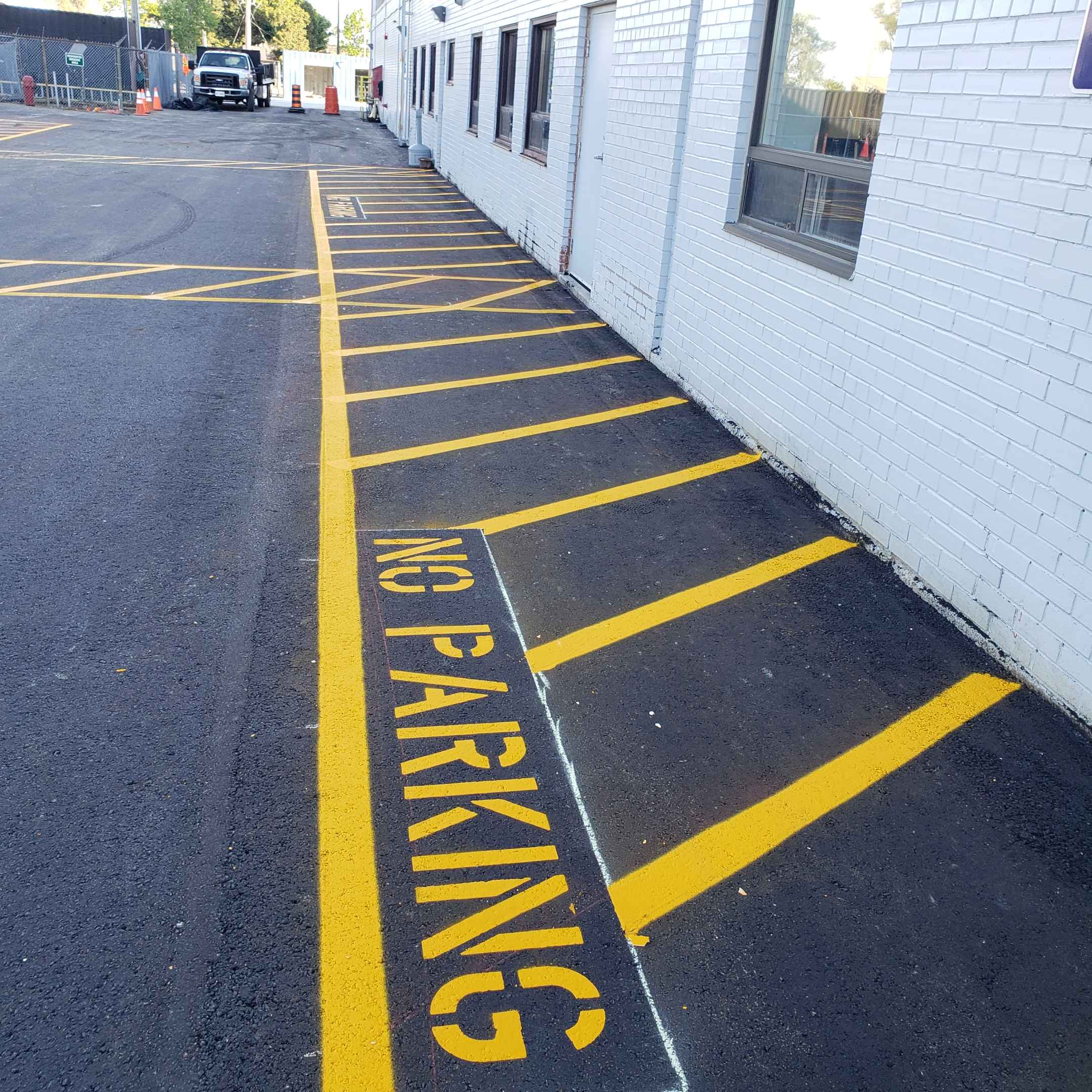
For commercial property owners, the parking lot is more than just a place to park cars; it is the first impression your business makes on every client, employee, and visitor. However, the harsh weather conditions often experienced in a top 30 Ontario city like Windsor can take a heavy toll on asphalt surfaces. Over time, small imperfections can evolve into significant structural failures if left unaddressed.
Recognizing the difference between minor surface wear and deep structural cracks is the key to managing maintenance costs effectively. At Capital Parking Lot Line Painting, we believe that proactive inspection is the most powerful tool in your facility management arsenal.
Understanding Types of Pavement Cracks
Not all cracks are created equal. To manage your lot effectively, you must first understand the anatomy of pavement failure. Identifying the specific pattern of a crack can tell you exactly what is happening beneath the surface.
1. Hairline and Surface Cracks
These are often the first signs of aging. They are typically very thin and do not penetrate deep into the sub-base. While they may look unsightly, they are often cosmetic in nature. However, if water enters these tiny fissures, the freeze-thaw cycles common in Windsor can expand them rapidly.
2. Alligator (Fatigue) Cracking
Named for its resemblance to the skin of an alligator, this type of cracking consists of interconnected cracks forming small, rectangular polygons. This is a serious structural issue indicating that the base layer of your parking lot has failed or the asphalt has become too thin to support the load. This requires immediate attention from Capital Parking Lot Line Painting to prevent total pavement collapse.
3. Longitudinal and Transverse Cracks
Longitudinal cracks run parallel to the direction of travel (or the length of the lot), while transverse cracks run perpendicular to it. While sometimes caused by poor installation, they often signal that the pavement is shifting due to soil movement or temperature fluctuations.
The Warning Signs: What to Look For
When performing your monthly walk-throughs, keep an eye out for these specific red flags:
- Water Pooling: If puddles remain in the same spot after rain, your sub-base may be compromised or the grading has shifted.
- Raveling: This is when the aggregate (the stones in the asphalt) begins to come loose, creating a rough, sandpaper-like texture.
- Depressions and Rutting: Indentations caused by heavy vehicle traffic indicate that the foundation is no longer stable.
- Edge Cracking: Cracks occurring along the perimeter of the lot often suggest poor compaction at the edges during the initial build.
Why Early Detection Saves Money
It is a common misconception that waiting to repair cracks will save money in the short term. In reality, the opposite is true. Small cracks allow water to seep into the sub-grade. Once the foundation is saturated, the entire lot loses its structural integrity, leading to a complete resurfacing requirement rather than a simple repair.
By integrating regular maintenance—such as professional crack filling and fresh Line Marking—you extend the life of your asphalt by years. Capital Parking Lot Line Painting specializes in identifying these early warning signs before they turn into expensive emergencies.
Professional Maintenance Matters
Don't let a neglected lot damage your business reputation. From structural repairs to high-visibility Line Painting, professional care ensures your property remains safe and accessible for everyone.