How to Use Color Coding in Line Marking for Better Organization
Transforming your asphalt and concrete surfaces from simple walkways into highly organized, intuitive navigation systems through the power of color.
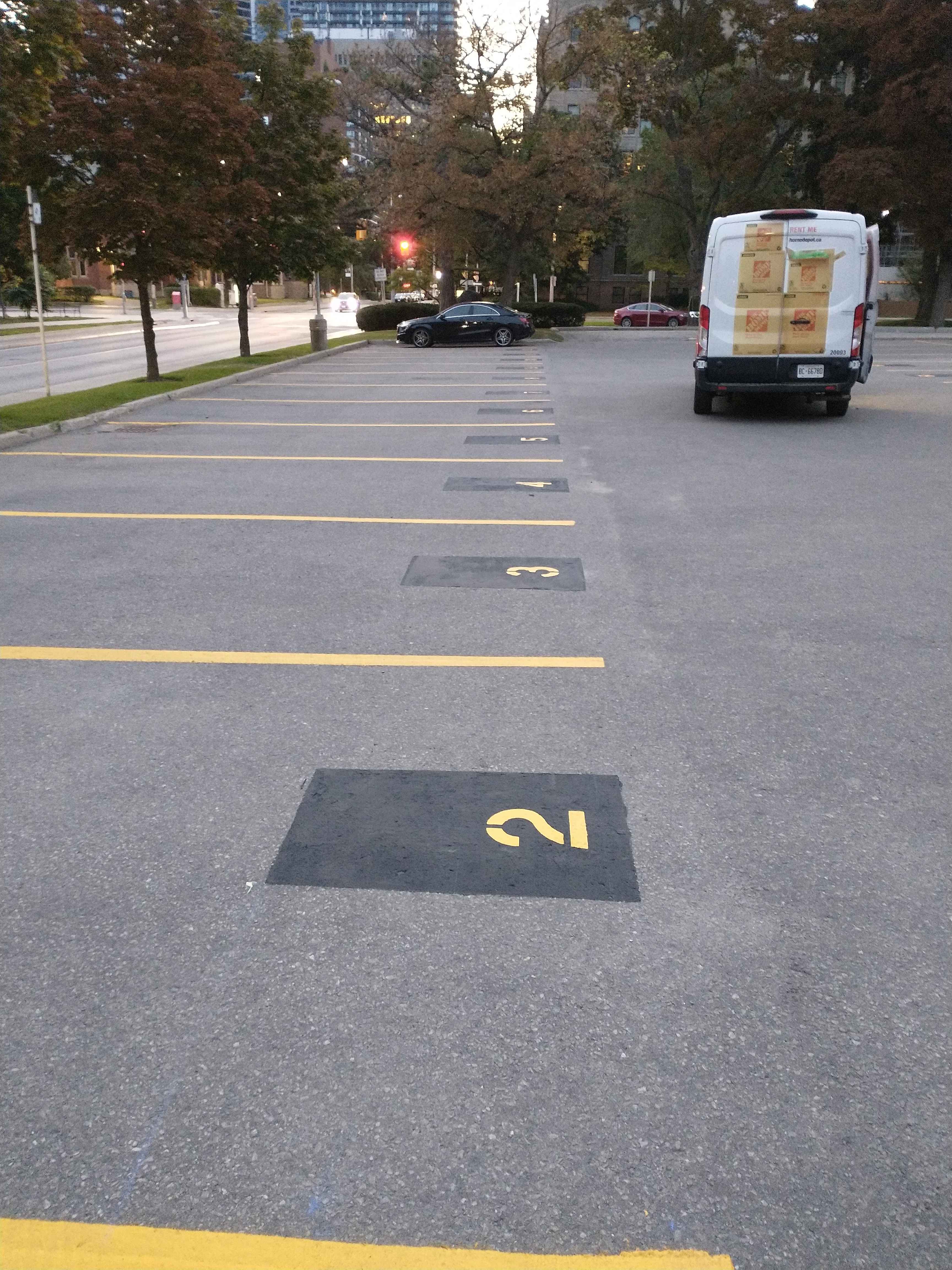
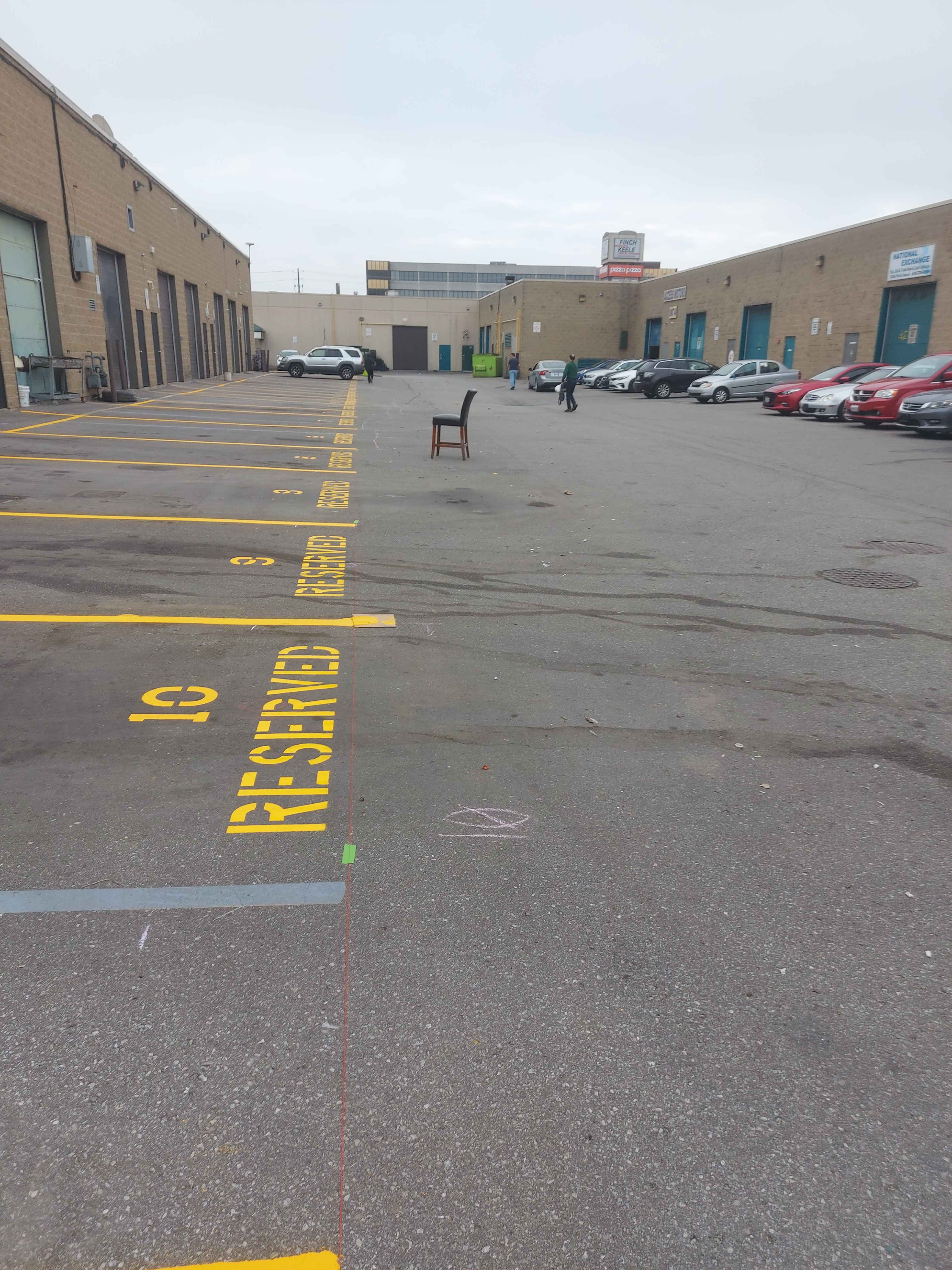
When we think about parking lots or warehouse floors, we often picture a sea of grey asphalt or concrete. However, a well-organized space is more than just a flat surface; it is a sophisticated communication tool. Through professional line marking, property owners can direct traffic, designate specific zones, and ensure the safety of every pedestrian and driver on site.
One of the most overlooked yet powerful tools in this process is color coding. Instead of relying solely on standard white or yellow lines, utilizing a strategic palette can drastically reduce confusion and improve the overall flow of a facility. At Capital Parking Lot Line Painting, we specialize in helping businesses implement these visual cues to optimize their spatial management.
The Psychology of Color in Line Marking
Color is the fastest way for the human brain to process information. In a busy environment—whether it is a retail parking lot in a bustling area like Vaughan or a massive industrial warehouse—drivers and pedestrians need to make split-second decisions. Color coding leverages subconscious cues to guide these decisions.
By assigning specific meanings to different hues, you create a "visual language." This language tells a visitor where to park, warns a worker of a hazard, or directs a delivery driver to a loading dock without the need for excessive signage. This reduces cognitive load and minimizes the risk of accidents caused by hesitation or misunderstanding.
Common Color Standards and Their Uses
While local regulations and specific industry standards should always be consulted, there are general conventions used in professional line painting that can serve as a foundation for your organization strategy:
- Yellow: Typically used for warnings, caution zones, and to indicate boundaries that should not be crossed (such as around heavy machinery or fire hydrants).
- White: The standard for general parking stalls, lane dividers, and directional arrows in most parking environments.
- Blue: Universally recognized for accessibility. Using blue for designated handicap parking spaces ensures immediate compliance and ease of access.
- Red: Reserved for high-alert areas, such as "No Parking" zones, fire lanes, or emergency exits.
- Green: Often used to denote pedestrian walkways, eco-friendly zones, or specific employee-only parking areas.
Implementing Color Coding in Commercial Spaces
1. Parking Lot Management
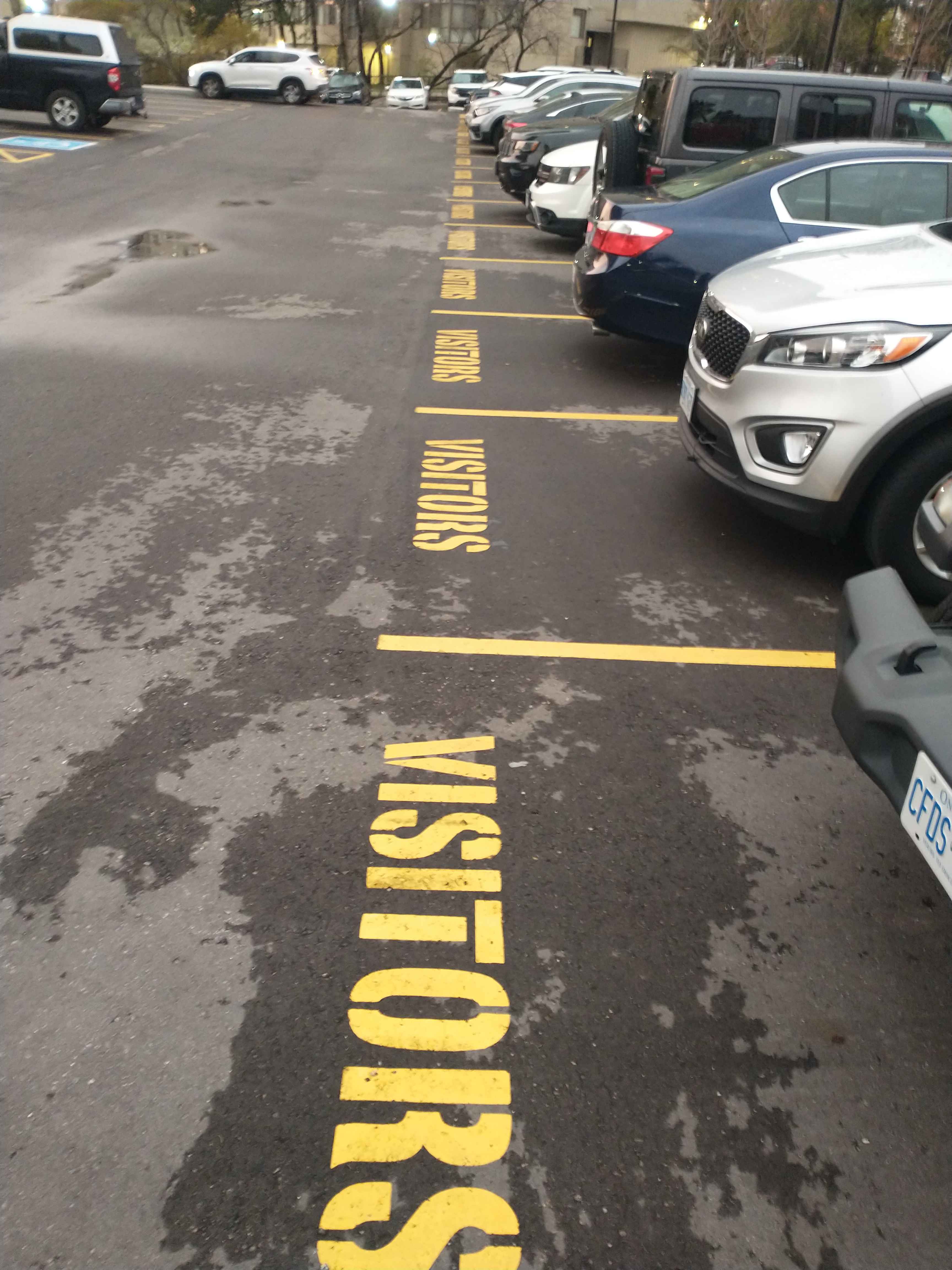
In high-traffic municipalities like Vaughan, parking management is a constant challenge. Using color coding can help separate customer parking from employee parking or reserved VIP spots. For instance, using white for standard stalls and a subtle blue or green for premium spots can help manage expectations and flow seamlessly.
2. Industrial and Warehouse Safety
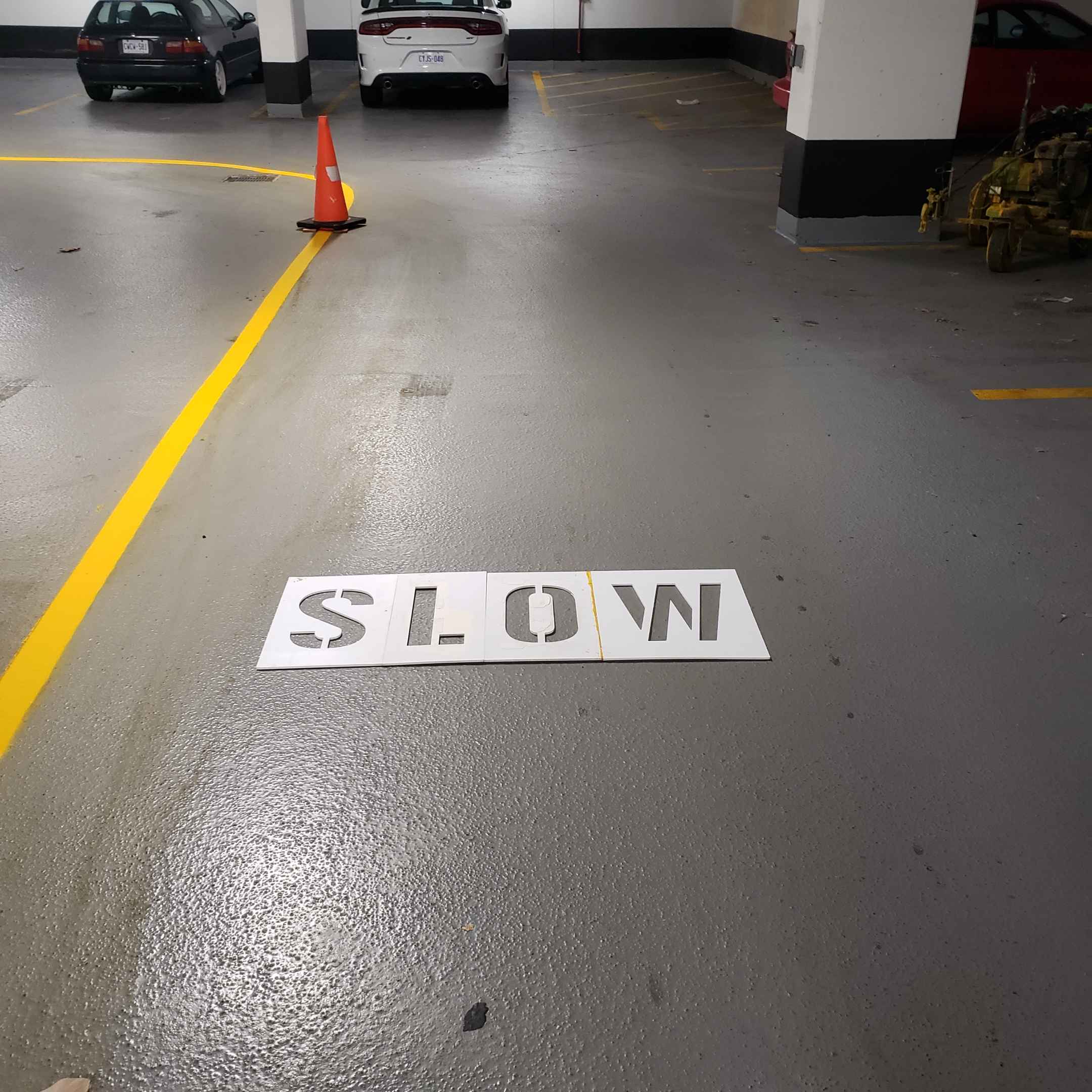
Inside a warehouse, the stakes are even higher. Line marking becomes a critical safety component. Using color-coded paths for forklifts versus pedestrian walkways prevents collisions. Capital Parking Lot Line Painting recommends a high-contrast approach in these settings to ensure visibility even in low-light conditions.
3. Loading Docks and Service Areas
Loading zones are often chaotic. By using bold red or yellow borders around these zones, you can clearly signal to non-authorized vehicles that these areas must remain clear for logistics operations.
Avoid These Common Line Marking Mistakes
Even with the best intentions, poor execution can negate the benefits of color coding. Keep these pitfalls in mind:
- Overcomplicating the Palette: Using too many colors can lead to "visual noise," where nothing stands out because everything is colorful. Stick to a purposeful scheme.
- Inconsistent Application: If a blue line means "reserved" in one section of your lot but "handicap" in another, you create confusion.
- Poor Contrast: Ensure the color you choose stands out against the base color of your pavement.
- Neglecting Maintenance: Faded or chipped lines lose their communicative power. Regular upkeep is essential.
Professional Solutions with Capital Parking Lot Line Painting
Achieving a clean, professional, and highly organized look requires precision. It isn't just about applying paint; it's about understanding the geometry of your space and the specific needs of your traffic flow. Whether you are managing a small business lot or a large-scale industrial complex, the expertise of Capital Parking Lot Line Painting ensures that your lines are straight, your colors are vibrant, and your organization is top-tier.
From the heart of Vaughan to surrounding regions, we provide the high-quality line marking services necessary to keep your property safe and efficient.
Ready to organize your space?
Don't let a disorganized lot hinder your business operations or compromise safety. Contact us today to discuss a custom color-coded line marking plan tailored to your facility.