How Water and Salt Damage Asphalt Through Cracks
Understanding the silent killers of your pavement: moisture and winter de-icing agents.

For property owners in London, maintaining a pristine parking lot is more than just an aesthetic choice; it is a matter of structural integrity and safety. Asphalt is a resilient material, but it is not invincible. Two of the most significant threats to your pavement are water and road salt. While they might seem like minor seasonal inconveniences, when they find their way into existing cracks, they trigger a cycle of destruction that can lead to costly repairs.
At Capital Parking Lot Line Painting, we see the aftermath of this cycle every spring. By understanding the science behind this damage, you can take proactive steps to extend the life of your asphalt.
The Freeze-Thaw Cycle: Nature's Jackhammer
The primary way water destroys asphalt is through a physical phenomenon known as the freeze-thaw cycle. In a city like London, where temperatures fluctuate wildly between winter and spring, this cycle is relentless.
It begins when small, often invisible cracks form in the asphalt due to heavy loads or UV aging. Rainwater or melting snow seeps into these fissures. Once the water reaches the sub-base of your parking lot, the real trouble starts. When the temperature drops below freezing, that trapped water expands by approximately 9% as it turns to ice.
This expansion exerts immense upward pressure on the asphalt surface. As the ice melts and refreezes repeatedly, the cracks widen, and the underlying base material begins to erode. This eventually leads to potholes, alligator cracking, and complete structural failure.
The Chemical Assault: How Salt Accelerates Decay
While water provides the physical force, road salt provides the chemical catalyst. Salt is essential for keeping roads safe in Ontario, but it is incredibly aggressive toward asphalt binders.
When salt dissolves in water, it creates a brine that penetrates deep into the asphalt structure. This brine can weaken the bitumen—the "glue" that holds the asphalt aggregates together. As the salt breaks down the chemical bonds of the binder, the asphalt becomes brittle and more prone to crumbling.
Furthermore, the salt-laden water increases the permeability of the pavement. This means that once the surface is compromised, even more water can enter the system, accelerating the freeze-thaw damage mentioned earlier. This combination of chemical erosion and physical expansion is why untreated cracks become massive potholes so quickly.
Common Signs of Asphalt Deterioration
Early detection is the key to saving your pavement. Keep an eye out for these common warning signs:
- Hairline Cracks: Small, thin cracks that appear after a dry spell.
- Alligator Cracking: A pattern of interconnected cracks that look like reptile skin, indicating base failure.
- Raveling: When the aggregate (small stones) starts coming loose from the surface.
- Potholes: The final stage of water and salt damage where the surface has completely collapsed.
- Edge Cracking: Cracks occurring along the perimeter of the parking area.
Preventative Maintenance and Professional Care
You don't have to wait for a total collapse to act. Regular maintenance is the most cost-effective way to manage your asphalt. At Capital Parking Lot Line Painting, we recommend a multi-tiered approach to protection:
1. Crack Sealing
The single most effective way to stop water and salt is to seal the cracks before they expand. Professional crack sealing fills these gaps with flexible, waterproof materials that move with the pavement, preventing moisture from reaching the sub-base.
2. Sealcoating
Applying a high-quality sealcoat acts as a protective shield. It fills micro-cracks and provides a barrier against both UV rays and chemical salt penetration.
3. Line Marking and Visibility
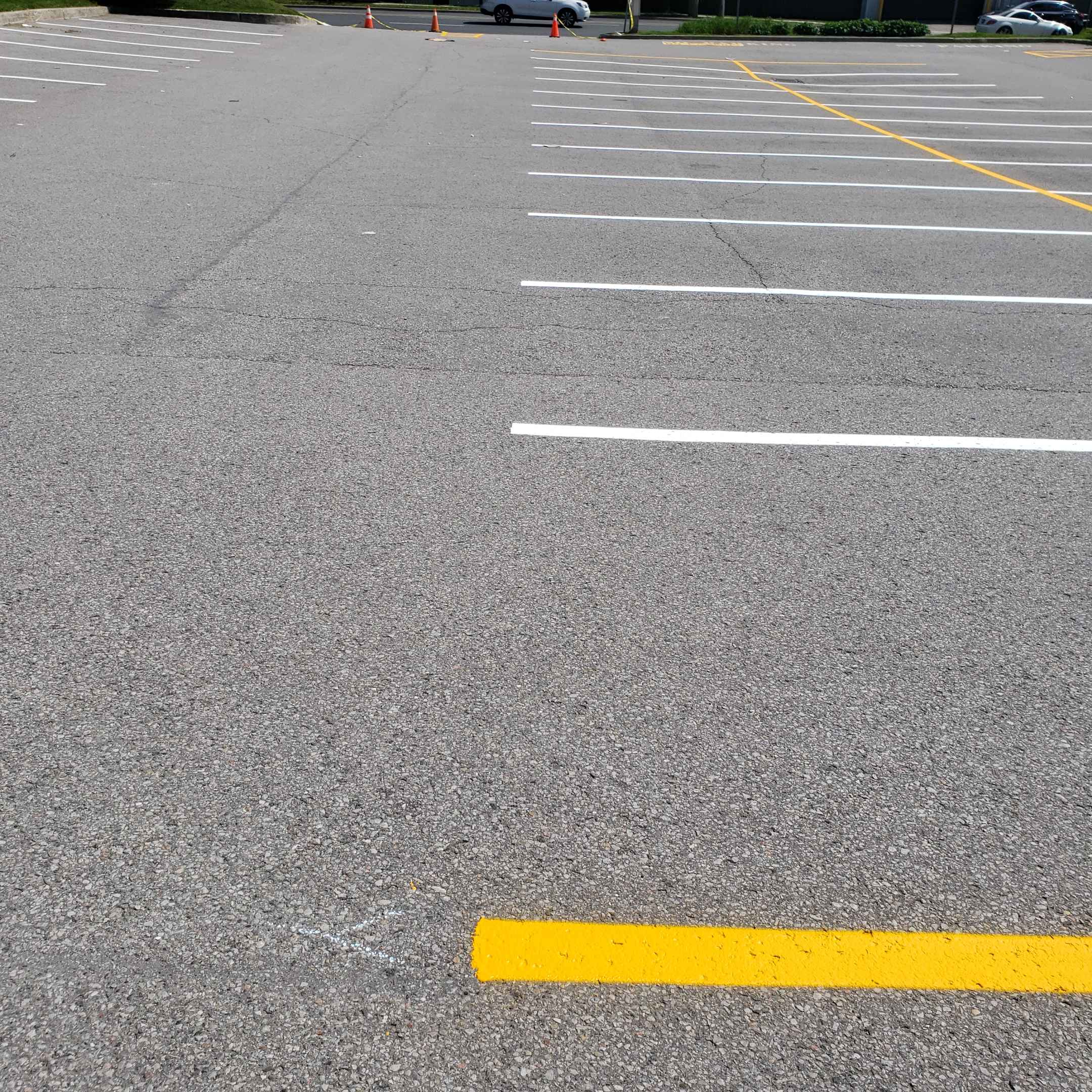
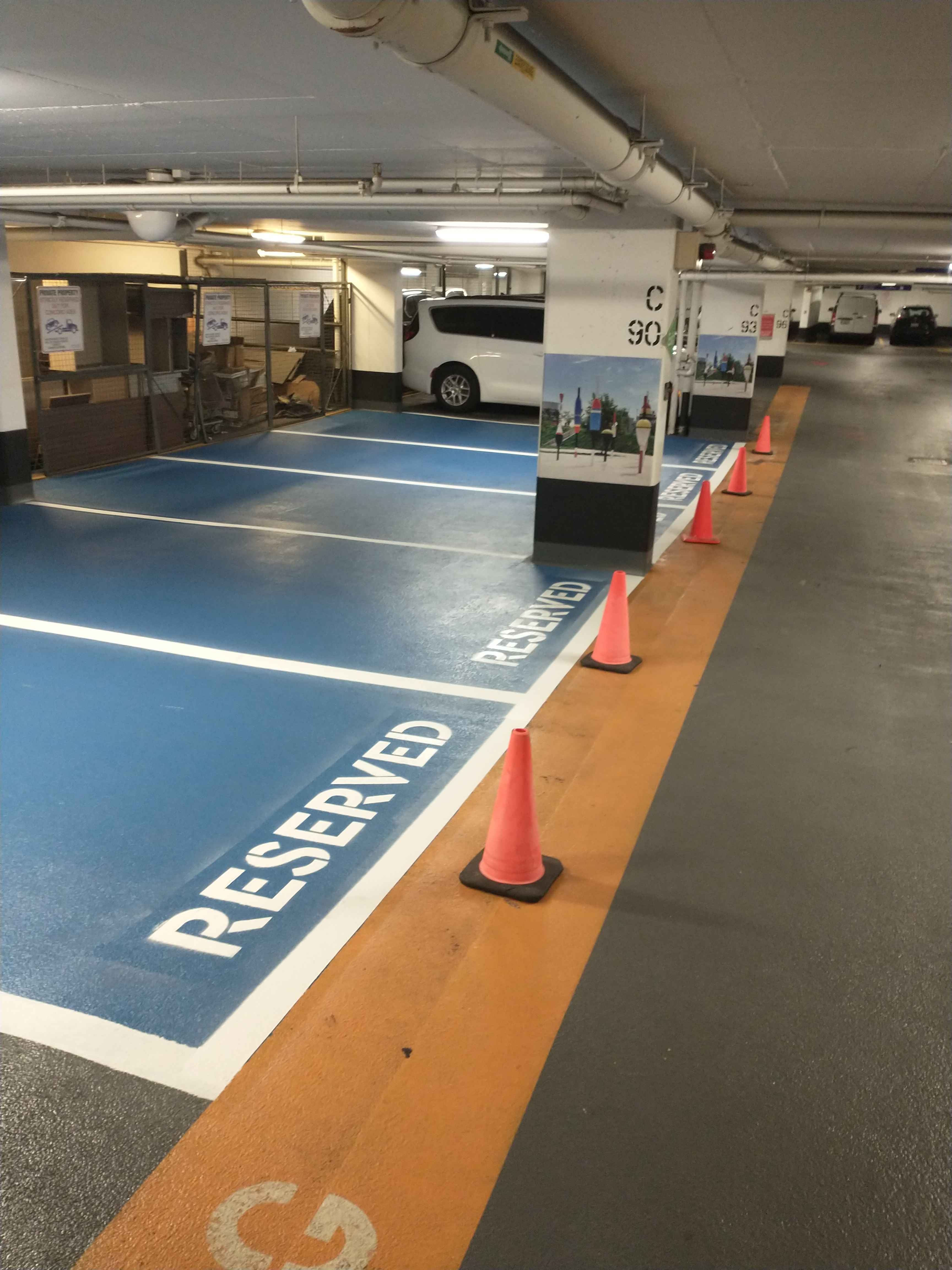
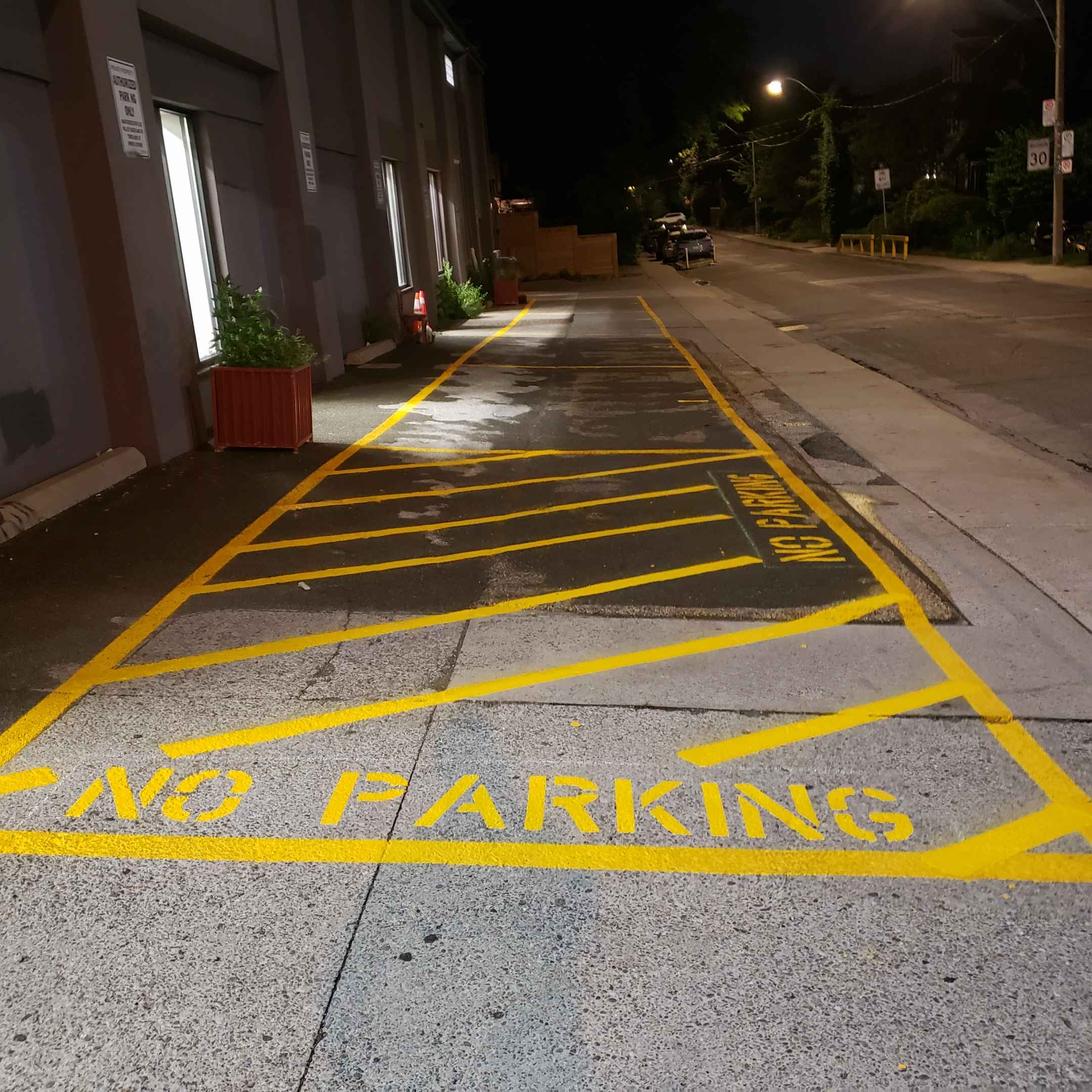
While not directly related to structural integrity, maintaining your Line Marking is vital for safety. Clear lines ensure that vehicles stay within designated paths, reducing the heavy stress and uneven wear that can exacerbate existing cracks. Capital Parking Lot Line Painting specializes in refreshing your Line Painting to ensure your lot is both safe and professional-looking.
Protect Your Investment Today
Don't let a small crack turn into a massive repair bill. Regular inspections and timely repairs can save you thousands of dollars in the long run. Trust the experts at Capital Parking Lot Line Painting to keep your surfaces smooth, safe, and durable.