How Water and Salt Damage Asphalt Through Cracks
Understanding the invisible enemies of your pavement: the devastating synergy between moisture and winter de-icing agents.
For property owners in high-traffic areas like Vaughan, maintaining a pristine parking lot is a constant battle against the elements. While asphalt is designed to be a durable, flexible surface, it is not invincible. The most significant threats to the longevity of your pavement aren't just heavy vehicles, but the microscopic vulnerabilities that allow water and salt to penetrate the surface.
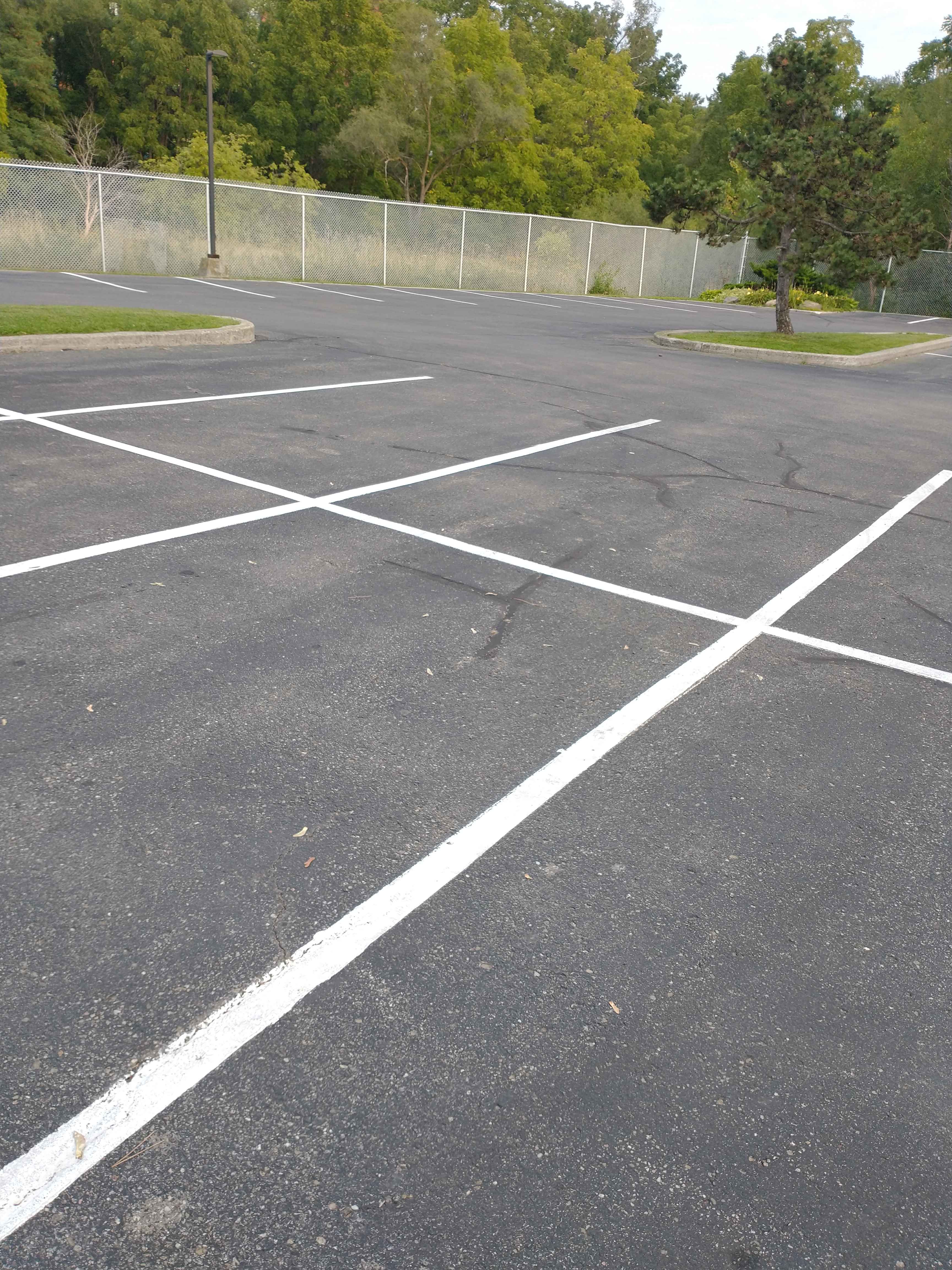
When cracks begin to form, they act as gateways for destruction. At Capital Parking Lot Line Painting, we see firsthand how neglected cracks lead to systemic failures that require more than just simple Line Painting to fix. Once the structural integrity is compromised, the repair process becomes significantly more complex and intensive.
The Science of the Freeze-Thaw Cycle
The primary driver of asphalt degradation in Ontario is the freeze-thaw cycle. Because Vaughan experiences significant temperature fluctuations between seasons, the pavement undergoes constant expansion and contraction. This movement is natural, but when water enters the equation, the damage is amplified exponentially.
The Hydraulic Pressure Effect
When a crack develops, rainwater or melting snow seeps into the sub-base of the asphalt. As temperatures drop below freezing, this trapped water turns into ice. Water is unique because it expands by approximately 9% when it freezes. This expansion exerts massive outward pressure against the walls of the crack, forcing it to widen.
This isn't a one-time event. Every time the temperature rises during the day and drops at night, the crack grows. This cycle creates a feedback loop: larger cracks allow more water to enter, which leads to even larger cracks in the next cycle.
The Corrosive Role of Road Salt
While water provides the physical force, salt provides the chemical catalyst. During winter months, salt is applied liberally to prevent ice buildup. While necessary for safety, salt is highly detrimental to the chemical composition of asphalt binders.
When salt-laden water enters a crack, several destructive processes occur:
- Oxidation Acceleration: Salt can accelerate the oxidation of the bitumen (the "glue" that holds asphalt together), making the surface brittle and more prone to cracking.
- Sub-base Erosion: As salt water reaches the soil and gravel beneath the asphalt, it can alter the soil structure, leading to soft spots and eventual potholes.
-
The Progression of Damage
Damage rarely happens overnight. It is a progressive decay that property managers often overlook until it becomes a liability. The progression typically follows this pattern:
- Hairline Cracks: Small, superficial cracks caused by UV exposure and aging.
- Alligator Cracking: Interconnected cracks that look like reptile skin, indicating that the sub-base is failing due to water infiltration.
- Potholes: The final stage where chunks of asphalt break away entirely because the foundation has been washed out.
Regular maintenance from professionals like Capital Parking Lot Line Painting can help intercept this cycle at the hairline stage, preventing the much more costly alligator cracking stage.
Proactive Prevention is Key
The most effective way to combat the water-salt duo is through timely crack sealing and surface treatments. By sealing cracks before the winter freeze, you prevent the hydraulic pressure from ever starting. Furthermore, ensuring your Line Marking is clear and your surface is well-maintained helps direct water runoff away from vulnerable areas.
At Capital Parking Lot Line Painting, we recommend a seasonal inspection to identify these vulnerabilities before the harsh Ontario winter sets in.