How Water and Salt Damage Asphalt Through Cracks
Understanding the destructive cycle of moisture and winter elements on your pavement surfaces.
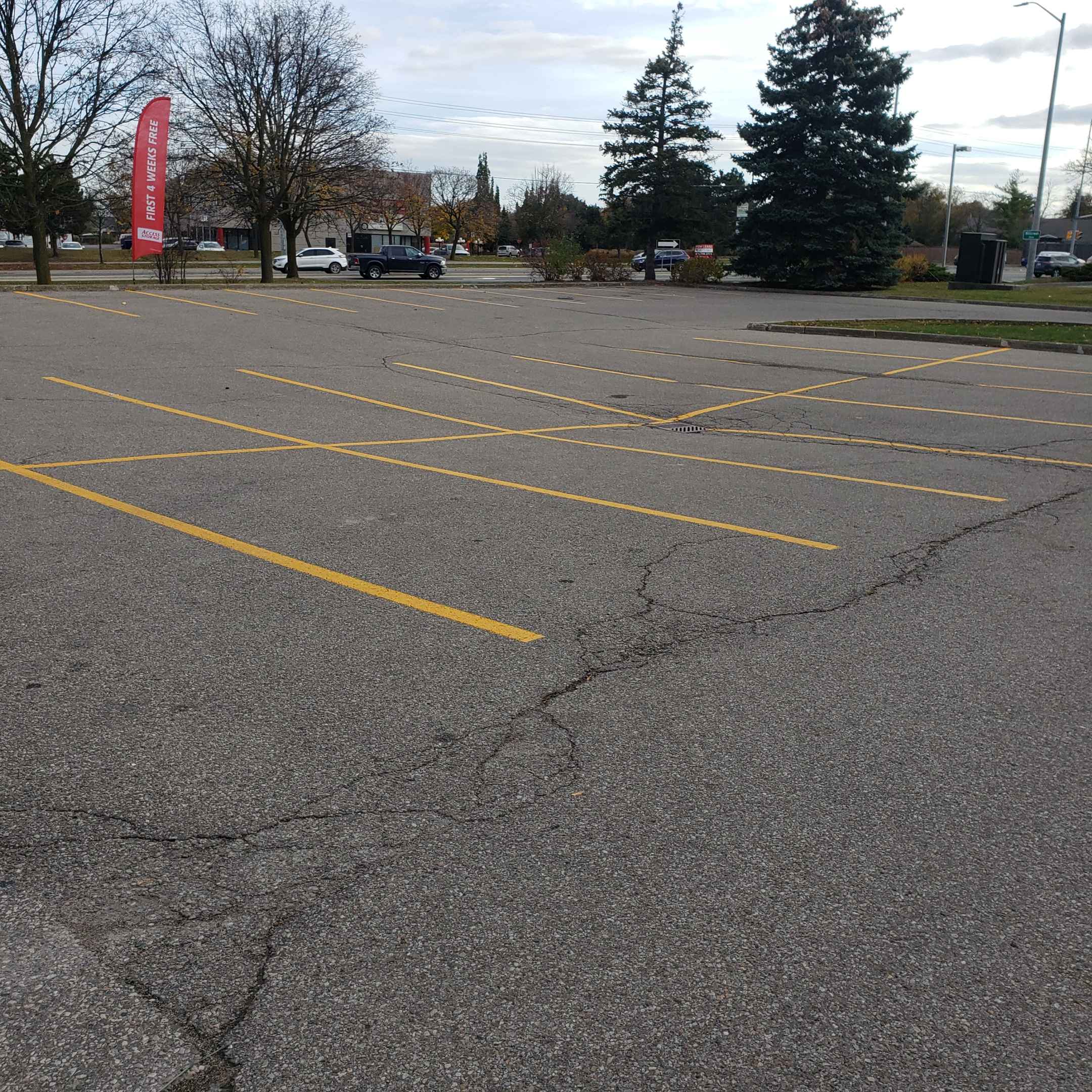
For property owners in Kitchener, maintaining a pristine parking lot is more than just a matter of aesthetics; it is a matter of structural integrity. Asphalt is a resilient material, but it is far from indestructible. The most silent and devastating enemies of your pavement are two elements that every Ontario resident knows well: water and salt. While a small crack might seem like a minor nuisance, it is actually an open door for environmental forces to dismantle your parking lot from the inside out.
At Capital Parking Lot Line Painting, we have seen firsthand how neglected cracks can transform into massive potholes and structural failures. Understanding the science behind this damage is the first step toward effective preventative maintenance.
The Science of the Freeze-Thaw Cycle
The primary way water destroys asphalt is through a phenomenon known as the freeze-thaw cycle. In a climate like Kitchener's, temperatures fluctuate frequently between freezing and thawing. This cycle acts like a slow-motion hydraulic jack inside your pavement.
How It Works:
- Infiltration: When cracks appear due to aging or heavy traffic, rainwater or melting snow seeps deep into the sub-base of the asphalt.
- Expansion: When the temperature drops below freezing, that trapped water turns into ice. As water freezes, it expands by approximately 9% in volume.
- Pressure: This expansion exerts immense upward and outward pressure against the walls of the crack, widening the gap and pushing the asphalt pieces apart.
- Structural Erosion: As the ice melts, it leaves behind a void. The next time it freezes, the damage is even deeper. Eventually, the foundation becomes so unstable that the surface collapses, forming a pothole.
The Corrosive Role of Road Salt
While water provides the physical force, road salt provides the chemical onslaught. During the winter months, salt is spread liberally to manage ice. However, once that salt enters the cracks in your asphalt, the damage accelerates significantly.
Salt acts as a chemical catalyst. When dissolved in water, it creates a brine that can penetrate even the smallest fissures. This brine can seep into the aggregate and the binder that holds the asphalt together. Over time, the chemical reaction can weaken the bitumen (the "glue" of the asphalt), making the material more brittle and prone to further cracking. This creates a vicious cycle: salt weakens the asphalt, making it crack more, which allows more salt-laden water to enter.
Common Signs of Asphalt Distress
To protect your property, you must be able to identify the early warning signs of moisture and salt damage. Waiting until you see large potholes is often too late.
- Hairline Cracks: These are the first entry points for water and salt.
- Alligator Cracking: A pattern of interconnected cracks that looks like reptile skin, indicating base failure.
- Edge Cracking: Cracks occurring along the perimeter of the lot, often caused by poor drainage.
- Ravelling: When the aggregate (stones) starts coming loose from the surface.
- Depressions: Low spots that collect standing water, exacerbating the freeze-thaw cycle.
Preventative Maintenance and Professional Care
The most cost-effective way to manage your asphalt is through proactive care. Instead of waiting for a total resurfacing project, focus on sealing the vulnerabilities. This includes crack filling, sealcoating, and ensuring that your Line Marking is clearly visible to guide traffic away from damaged areas.
Capital Parking Lot Line Painting specializes in helping commercial and residential clients maintain their surfaces. By addressing cracks early, you prevent the water and salt from ever reaching the sub-base. Furthermore, maintaining clear Line Painting ensures that vehicles are parked correctly, preventing unnecessary stress on the edges of your asphalt where cracks often begin.
Regular inspections are vital. In a top 30 city like Kitchener, the high volume of traffic and seasonal weather changes means your asphalt is under constant stress. A professional assessment can help you determine if you need a simple sealcoat or more intensive crack repair.
Don't Wait for the Potholes
Early intervention is the key to longevity. When you contact Capital Parking Lot Line Painting, you are investing in the long-term health of your pavement. Our team understands the specific challenges posed by the Ontario climate and provides solutions tailored to keep your surfaces smooth and safe.