Is Sealcoating Suitable for Older Asphalt Surfaces?
As asphalt ages, property owners often face a critical question: can a fresh layer of sealant breathe new life into a weathered surface, or is the damage too deep to repair?
Understanding the Lifecycle of Asphalt
Asphalt is a resilient material, but it is not invincible. In a bustling metropolitan area like Toronto, where seasonal temperature fluctuations are extreme, asphalt surfaces undergo significant stress. From the freezing winters that cause expansion to the hot summers that can soften the bitumen, the pavement is constantly fighting a battle against the elements.
Sealcoating is traditionally viewed as a preventative maintenance tool. Its primary job is to act as a protective barrier against UV rays, water penetration, and chemical spills. However, when an asphalt surface has reached an "older" stage, the conversation shifts from prevention to restoration.
When Sealcoating Works for Older Surfaces
It is a common misconception that sealcoating is only for brand-new driveways or parking lots. If your older asphalt is characterized by minor discoloration, light surface oxidation, or small hairline cracks, sealcoating can be an incredibly effective way to extend its life. At Capital Parking Lot Line Painting, we often see surfaces that look "tired" but are structurally sound enough to benefit from a professional sealcoat.
The Benefits of Sealcoating Older Asphalt:
- Restored Aesthetics: It returns that deep, rich black color that makes a property look well-maintained.
- Waterproofing: It seals small pores, preventing water from seeping into the sub-base.
- Oxidation Delay: It protects the remaining oils in the asphalt from being baked out by the sun.
- Surface Smoothing: It can help fill in very minor surface irregularities.
When Sealcoating is Not Enough
There is a threshold where sealcoating becomes a "band-aid" solution rather than a cure. If your asphalt surface exhibits the following symptoms, a simple sealcoat may not be suitable without significant preparatory work:
1. Alligator Cracking: This is a pattern of interconnected cracks that resemble the skin of an alligator. It indicates a failure of the base layer, not just the surface. No amount of sealant will fix a structural base failure.
2. Deep Potholes: If the asphalt has eroded to the point where the underlying gravel is visible, the surface requires patching or a complete overlay before any coating is applied.
3. Severe Depressions: Significant sinking or pooling of water suggests that the foundation has shifted. In these cases, Capital Parking Lot Line Painting would recommend structural repairs before aesthetic treatments.
Professional Assessment is Key
Before committing to a maintenance plan, it is vital to have a professional inspection. A technician can determine if your surface needs a simple sealcoat, a combination of crack filling and sealcoating, or a full reconstruction. In a major hub like Toronto, the high volume of traffic can exacerbate even minor structural issues quickly.
The Importance of Integrated Maintenance
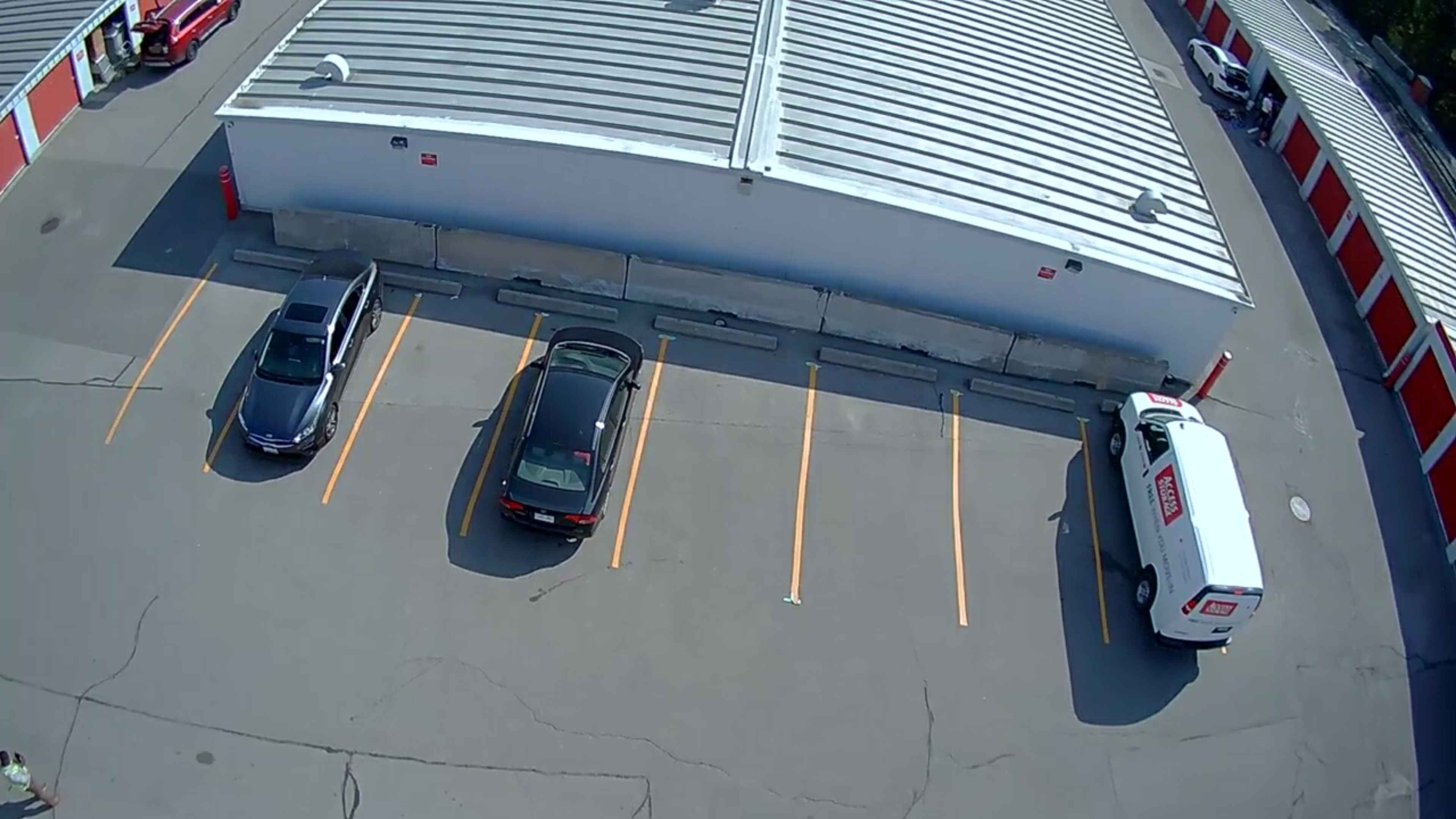
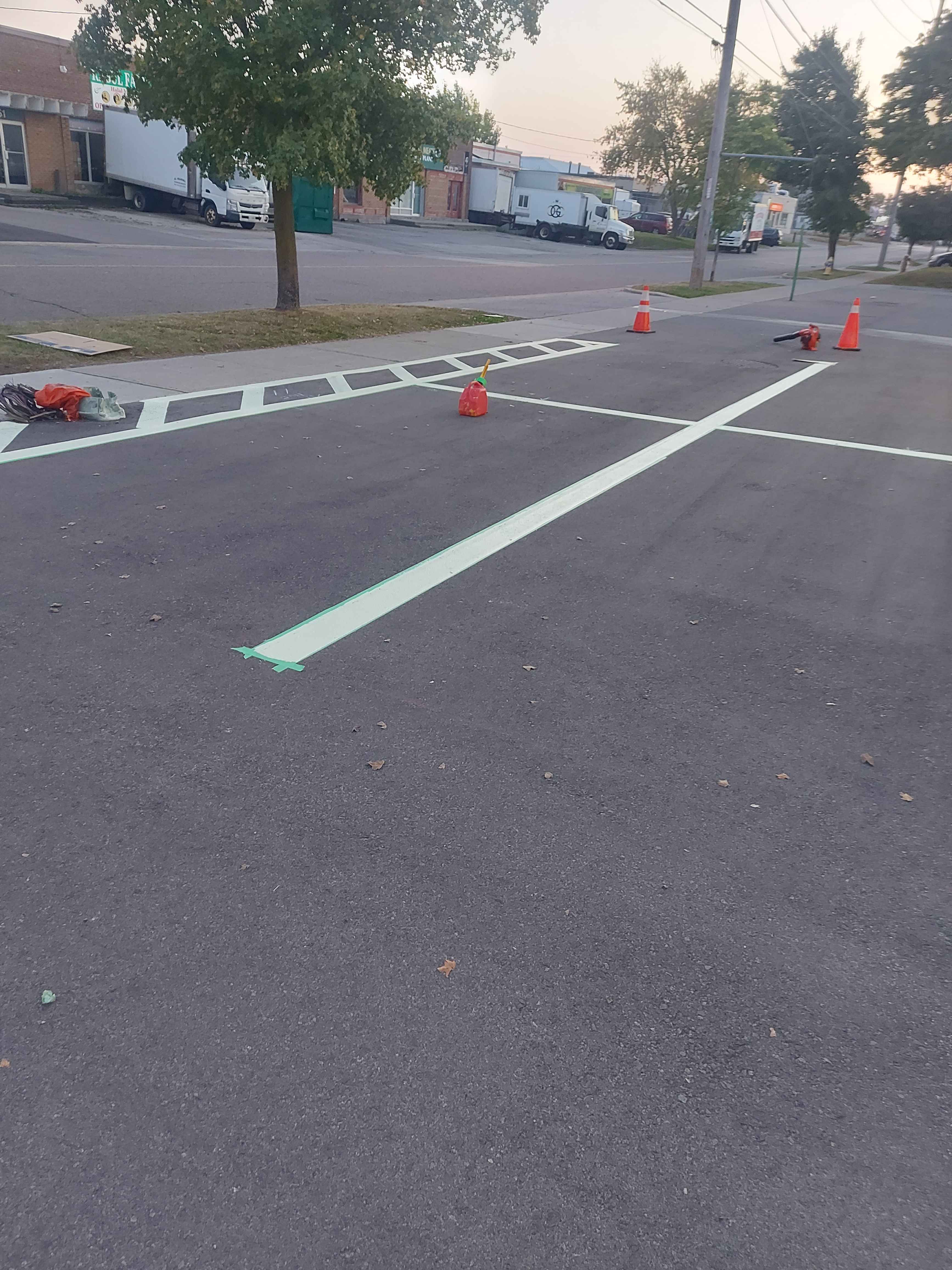
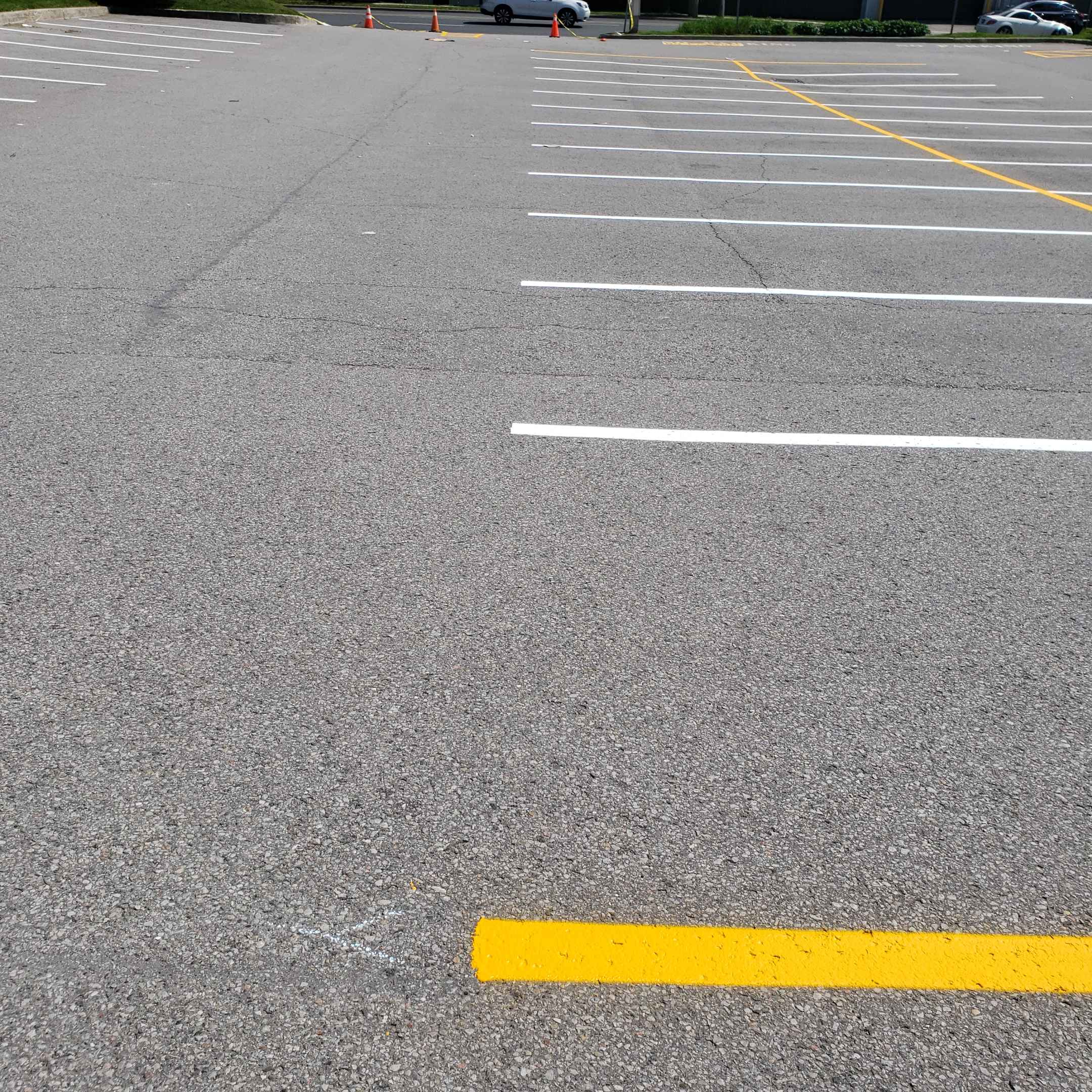
Maintenance is rarely a single-step process. To get the most out of an older surface, sealcoating should be paired with other services. For example, once the surface is sealed and stabilized, performing fresh Line Marking is essential for safety and organization. Clear, bright Line Painting ensures that parking stalls, pedestrian walkways, and directional arrows are highly visible, which is critical for liability management in commercial properties.
By combining sealcoating with professional Line Marking, you create a cohesive, high-contrast look that makes an aging lot appear nearly new. Capital Parking Lot Line Painting specializes in this holistic approach, ensuring that your pavement is both structurally protected and visually compliant with safety standards.
Common Mistakes to Avoid
When dealing with older asphalt, avoid these common pitfalls:
- Applying sealant over cracks: Sealant is not a filler. Cracks must be cleaned and filled with hot rubberized filler before sealcoating.
- Skipping the cleaning phase: Older asphalt often has accumulated dirt, oil, and debris. If not pressure washed, the sealant will not bond properly.
DIY on large surfaces:While small driveways are manageable, large commercial lots require professional-grade equipment to ensure an even, durable application.
Conclusion
Is sealcoating suitable for older asphalt? The answer is a qualified "yes." If the damage is cosmetic or superficial, sealcoating is a brilliant way to extend the life of your investment. However, if the structural integrity of the base is compromised, you must address the foundation first. Always consult with experts like Capital Parking Lot Line Painting to ensure you are choosing the right path for your specific surface needs.