Is Your Parking Lot Ready for Sealcoating? A Quick Checklist
Maintaining a professional appearance starts from the ground up. Ensure your asphalt is prepared for long-lasting protection.
As a property owner or facility manager, you know that your parking lot is often the first thing a customer sees. It sets the tone for your entire business. Whether you operate a retail center or an industrial complex in Kingston, the condition of your asphalt speaks volumes about your attention to detail. One of the most effective ways to preserve your investment is through regular sealcoating, but not every lot is ready for it at any given moment.
Sealcoating acts as a protective barrier against UV rays, water penetration, and oil spills. However, applying sealer to a poorly prepared surface is a waste of resources. To ensure you get the most out of your maintenance budget, the experts at Capital Parking Lot Line Painting recommend performing a thorough assessment before scheduling your service.
Understanding the Importance of Sealcoating
Asphalt is a flexible pavement, but it is susceptible to environmental degradation. In Ontario, our seasonal temperature shifts can be brutal on asphalt surfaces. The freeze-thaw cycle causes moisture to seep into tiny cracks, expand when frozen, and eventually create larger potholes. Sealcoating provides a sacrificial layer that takes the brunt of this environmental abuse.
Key Benefits of Regular Sealcoating:
- UV Protection: Prevents the sun from oxidizing the asphalt binder, which causes the surface to turn gray and brittle.
- Waterproofing: Seals small pores and cracks to prevent water from reaching the sub-base.
- Chemical Resistance: Protects against oil, gas, and chemical spills common in high-traffic areas.
- Enhanced Aesthetics: Restores a deep, rich black color that makes your property look brand new.
- Cost Savings: Extending the life of your asphalt prevents the need for expensive full-depth repairs or repaving.
The Pre-Sealcoating Checklist
Before you call Capital Parking Lot Line Painting to begin the application, run through this checklist to see if your lot is in prime condition. If you find several "No" answers, you may need repair work before the sealer can be applied effectively.
1. Surface Cleanliness
Is the surface free of dirt, sand, and debris? Sealant will not bond to a dusty surface. A thorough power wash or sweeping is a non-negotiable first step.
2. Crack Assessment
Are there cracks wider than 1/4 inch? While sealcoating covers hairline fractures, large cracks must be filled with a specialized crack sealant first to prevent them from telegraphing through the new sealer.
3. Oil and Chemical Spills
Are there significant oil stains? Oil can penetrate deep into the asphalt. These spots must be cleaned with degreasers, or the sealer will fail to adhere to those specific patches.
4. Structural Integrity
Are there potholes or sunken areas? Sealcoating is a surface treatment, not a structural fix. Potholes must be patched and leveled before the coating process begins.
The Synergy of Sealcoating and Line Marking
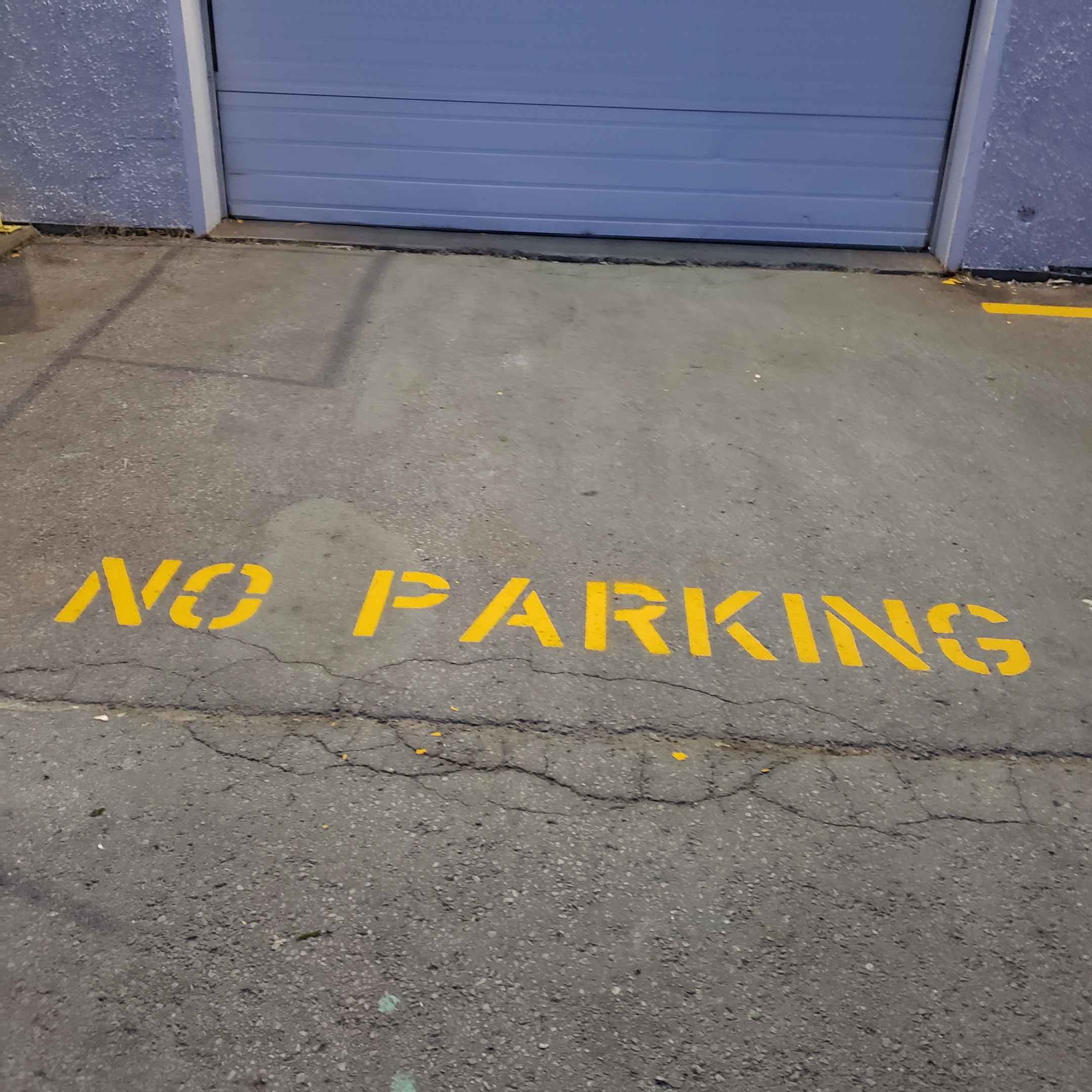
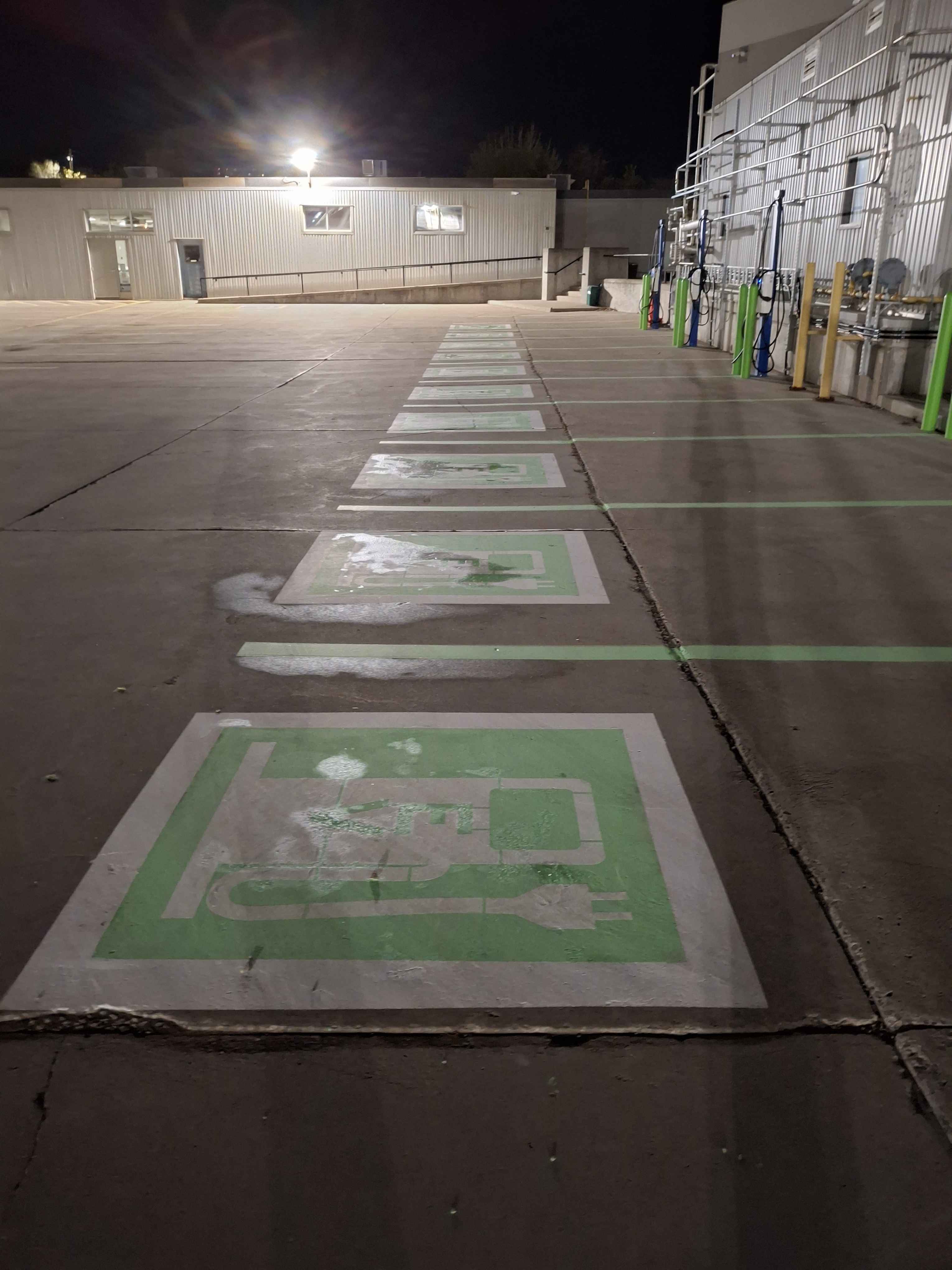
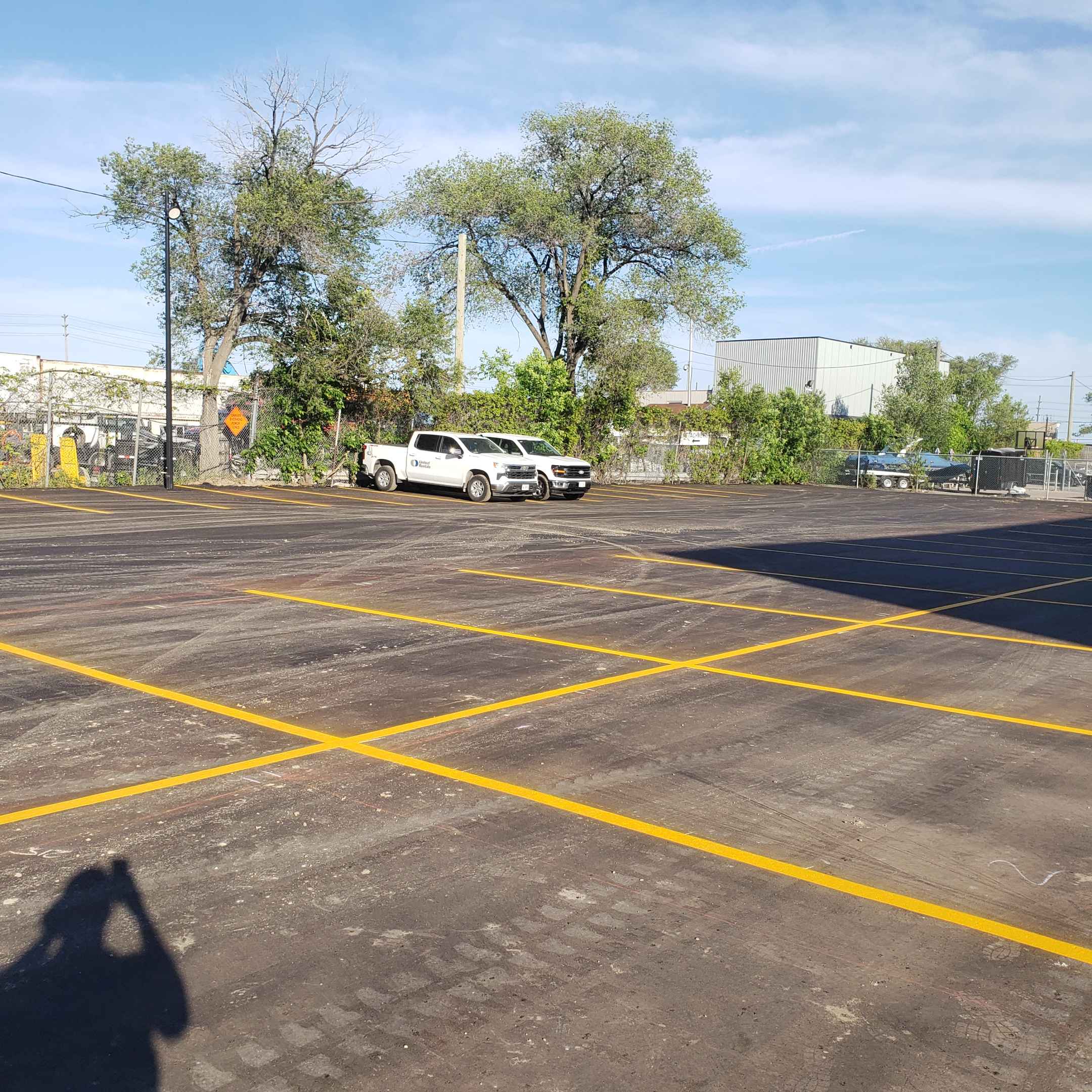
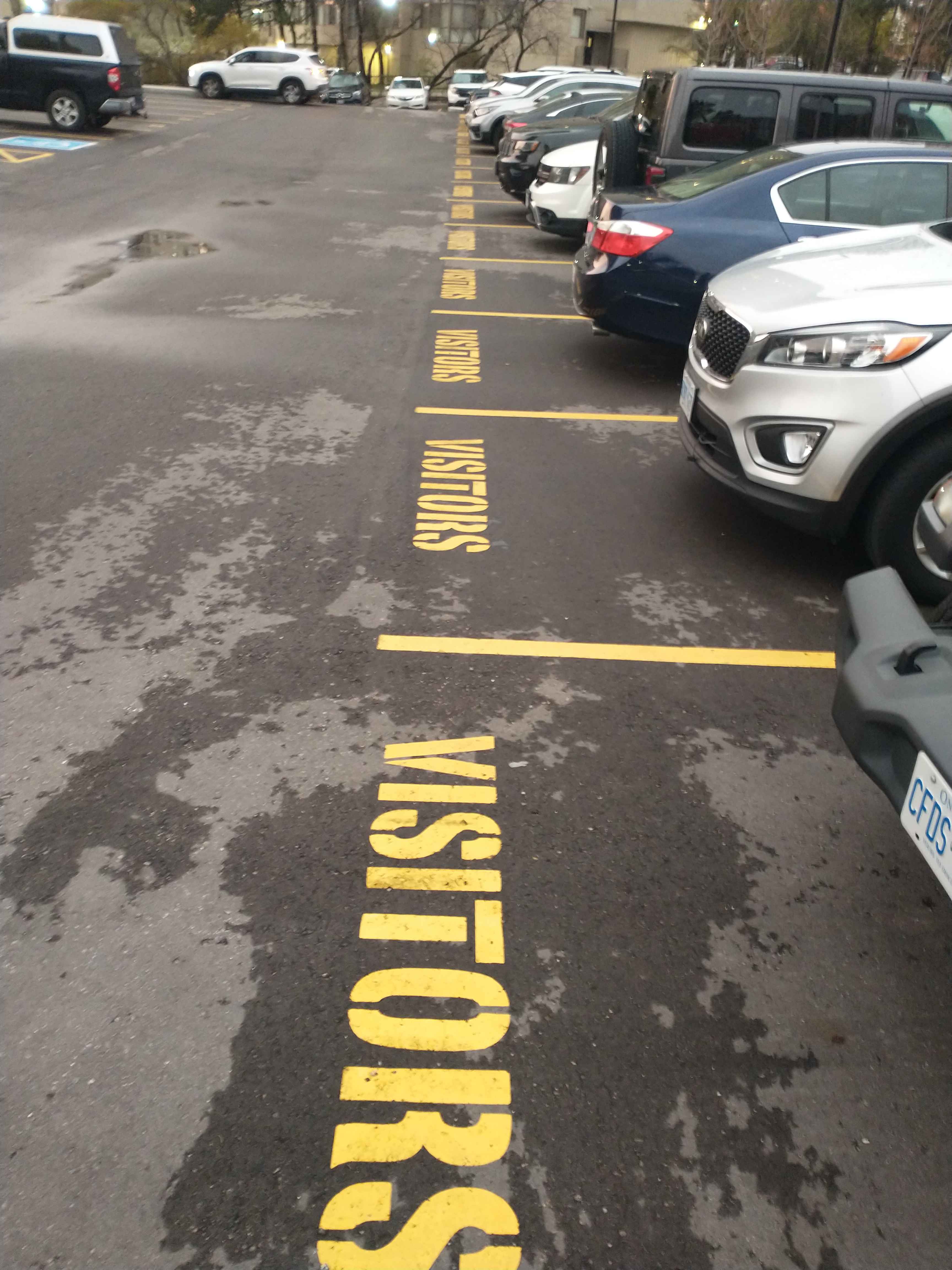
Once your surface is sealed and looking pristine, it is the perfect time to refresh your visual guides. A freshly sealed, black surface provides the ultimate high-contrast background for professional Line Marking. This is where the magic happens for your property's organization and safety.
At Capital Parking Lot Line Painting, we understand that a clean, dark surface makes your Line Painting pop, ensuring that parking stalls, handicap symbols, and directional arrows are highly visible to drivers. This combination of protection and clarity is the gold standard for commercial property maintenance in Kingston.
Common Mistakes to Avoid
Even with the best intentions, many property owners make mistakes that compromise their results. Avoid these common pitfalls:
- Applying during bad weather: Rain or high humidity can prevent the sealer from curing properly.
- Skipping the crack fill: This is the most common error. Sealer alone will not stop water from entering deep cracks.
- Neglecting the sub-base: If the ground underneath is unstable, the surface will crack regardless of how much sealer you apply.
- Waiting too long: If the asphalt has already begun to crumble or disintegrate, sealcoating is no longer an effective solution.
Ready to Protect Your Investment?
Don't wait for the cracks to become craters. Professional maintenance is the key to longevity. Contact the experts to ensure your parking lot is treated with the care it deserves.