Is Your Parking Lot Ready for Sealcoating? A Quick Checklist
Don't apply a protective layer to a failing foundation. Ensure your asphalt is prepared for long-term success.
As a property owner, your parking lot is more than just a place to park cars; it is the first impression your business makes on every customer, client, and employee. In a growing hub like North Bay, maintaining professional curb appeal is essential for staying competitive. One of the most effective ways to preserve your investment is through regular sealcoating. However, sealcoating is not a "one size fits all" solution that can be slapped onto any surface at any time.
To get the most out of your maintenance budget, you must first determine if your asphalt is actually in a condition that can benefit from a new sealcoat. If you apply sealer over a damaged or dirty surface, you aren't protecting your lot—you are simply masking a problem that will continue to grow underneath. At Capital Parking Lot Line Painting, we believe in doing the job right the first time, which starts with a thorough assessment.
Why Preparation Matters
Sealcoating acts as a sacrificial barrier against the elements. It protects against UV rays, oil spills, and water penetration. However, for the sealer to bond effectively, the asphalt must be clean, dry, and structurally sound. If the surface is riddled with deep cracks or significant depressions, the sealer will fail to provide the protection you expect.
Proper preparation ensures that the sealant adheres to the aggregate of the asphalt rather than sitting on top of loose debris or old, crumbling material. This is why professional services like Capital Parking Lot Line Painting emphasize the inspection phase before any equipment is even unloaded.
The Ultimate Sealcoating Readiness Checklist
Walk your property with a keen eye. If you can check off most of these items, you are likely ready for a fresh coat of protection. If you see several "red flags," you may need repairs before sealcoating can occur.
- Surface Cleanliness: Is the lot free of heavy dirt, sand, and vegetation growth in the cracks?
- Oil and Chemical Stains: Are there significant oil spots? (These must be treated with a degreaser before sealing).
- Crack Integrity: Are cracks shallow and narrow? (Deep or wide cracks require professional crack filling first).
- Structural Stability: Are there large potholes or areas where the ground has shifted?
- Drainage: Does water pool in certain areas? (Standing water can indicate sub-base issues).
- Previous Coatings: Is there an old, peeling layer of sealer that needs to be removed?
Common Mistakes to Avoid
Many property managers in North Bay attempt to DIY their maintenance to save time, but this often leads to much higher costs down the road. Here are the most common pitfalls:
1. Skipping the Cleaning Phase
Applying sealer over dust or loose gravel is a recipe for disaster. The sealer will bond to the dust instead of the asphalt, leading to premature peeling.
2. Ignoring Deep Cracks
Sealcoating is a surface treatment. It is not a filler for structural voids. If you don't fill the cracks first, water will continue to seep underneath the new sealer.
The Next Step: Refreshing Your Visuals
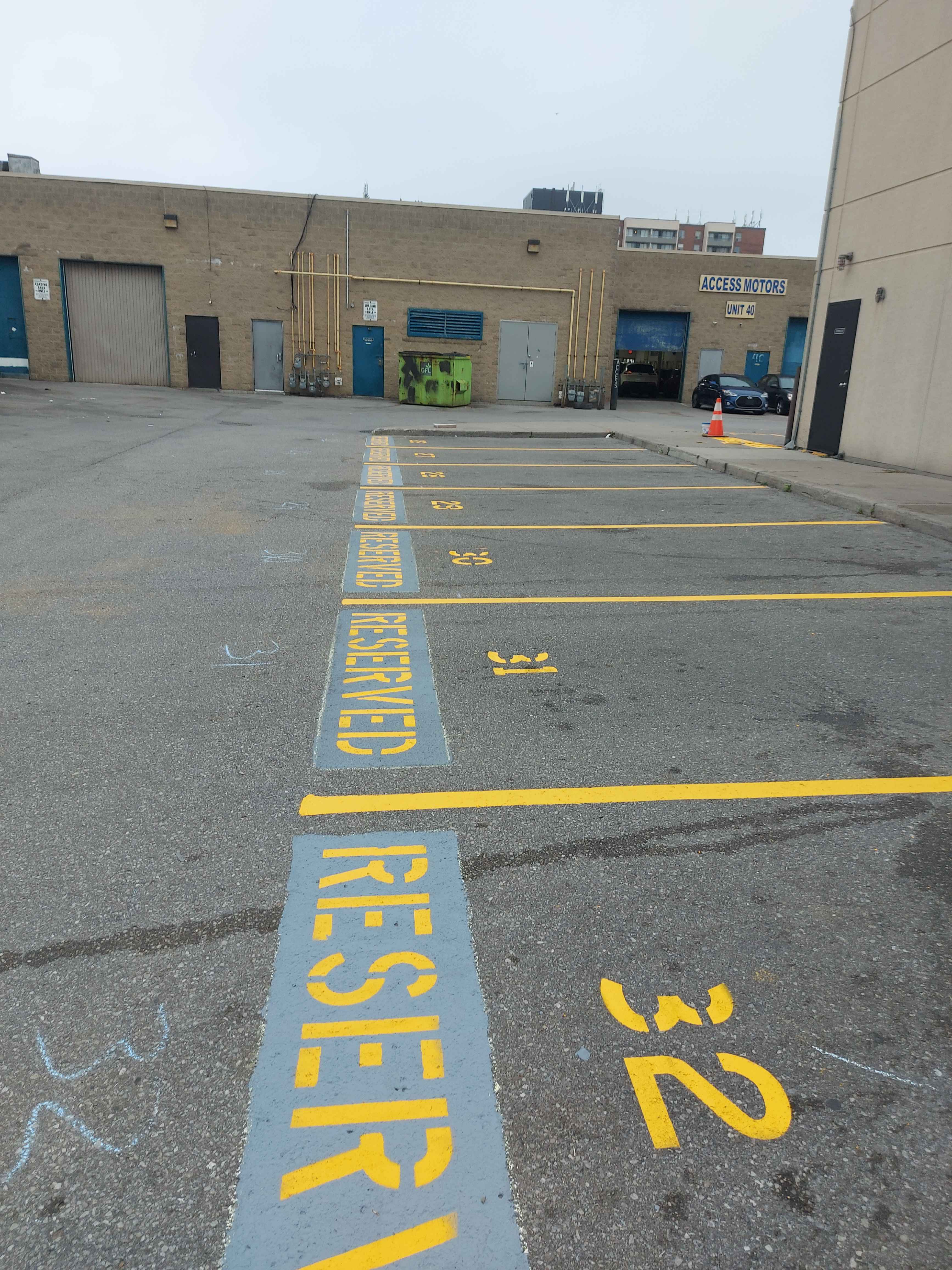
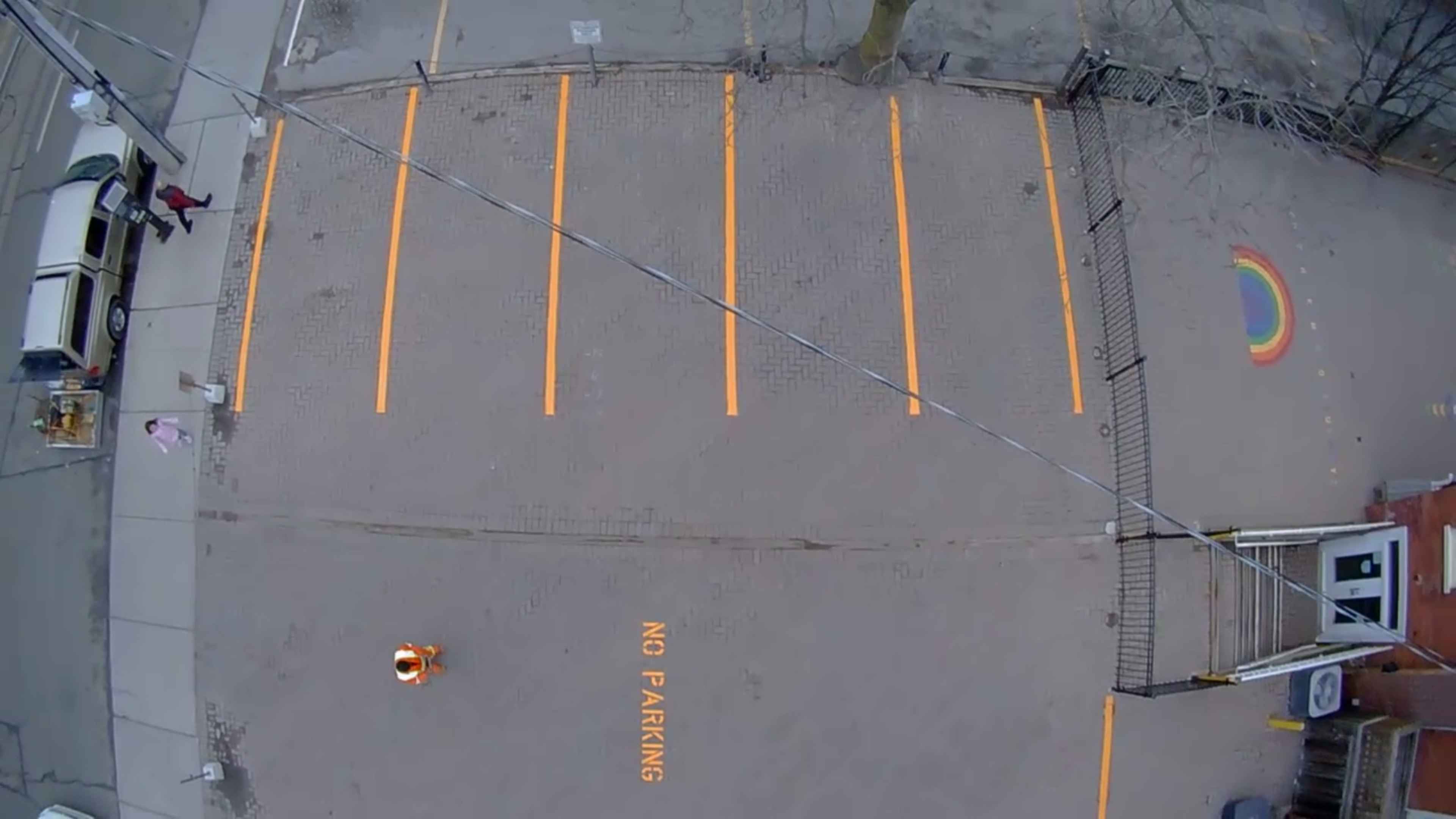
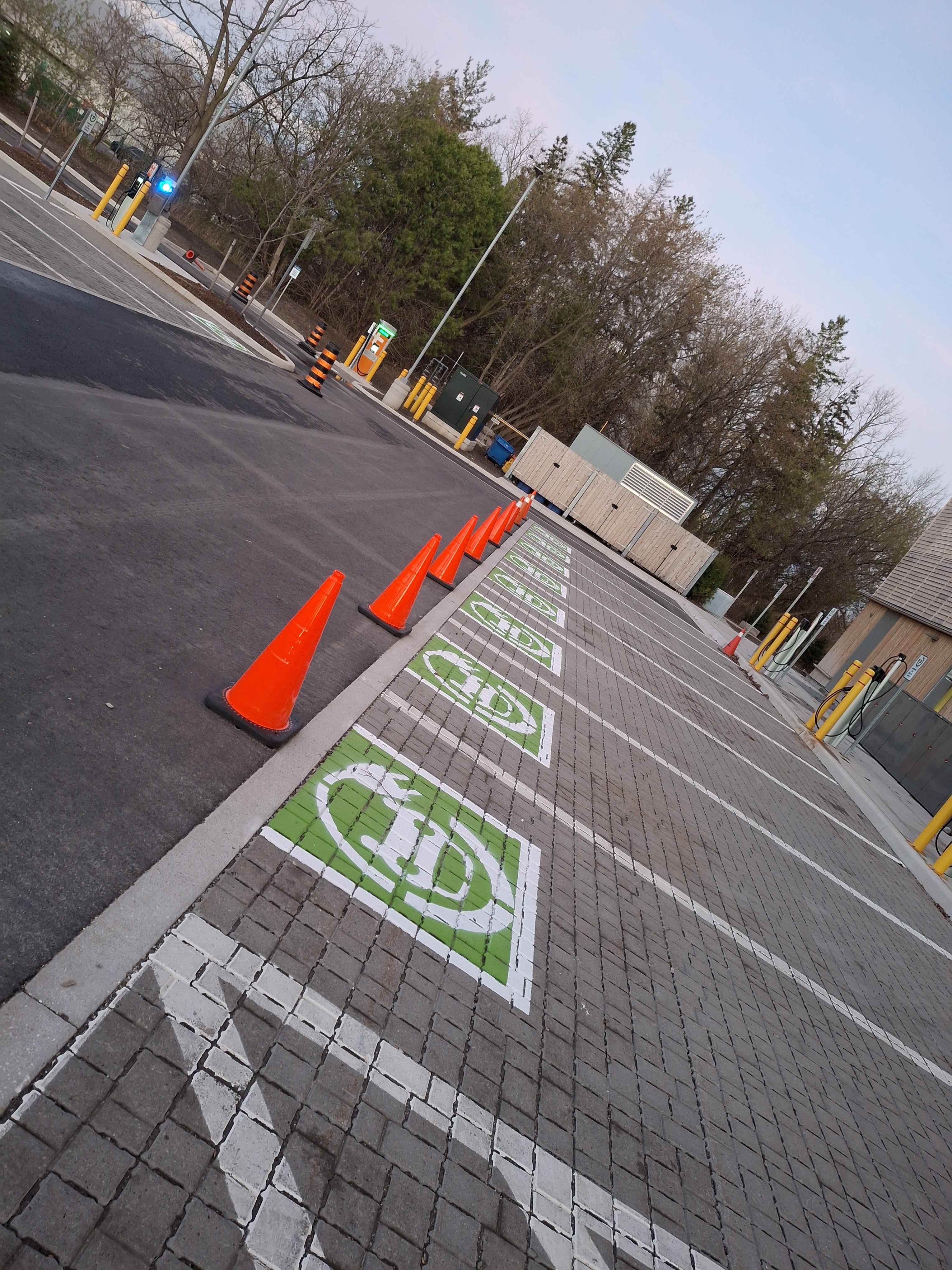
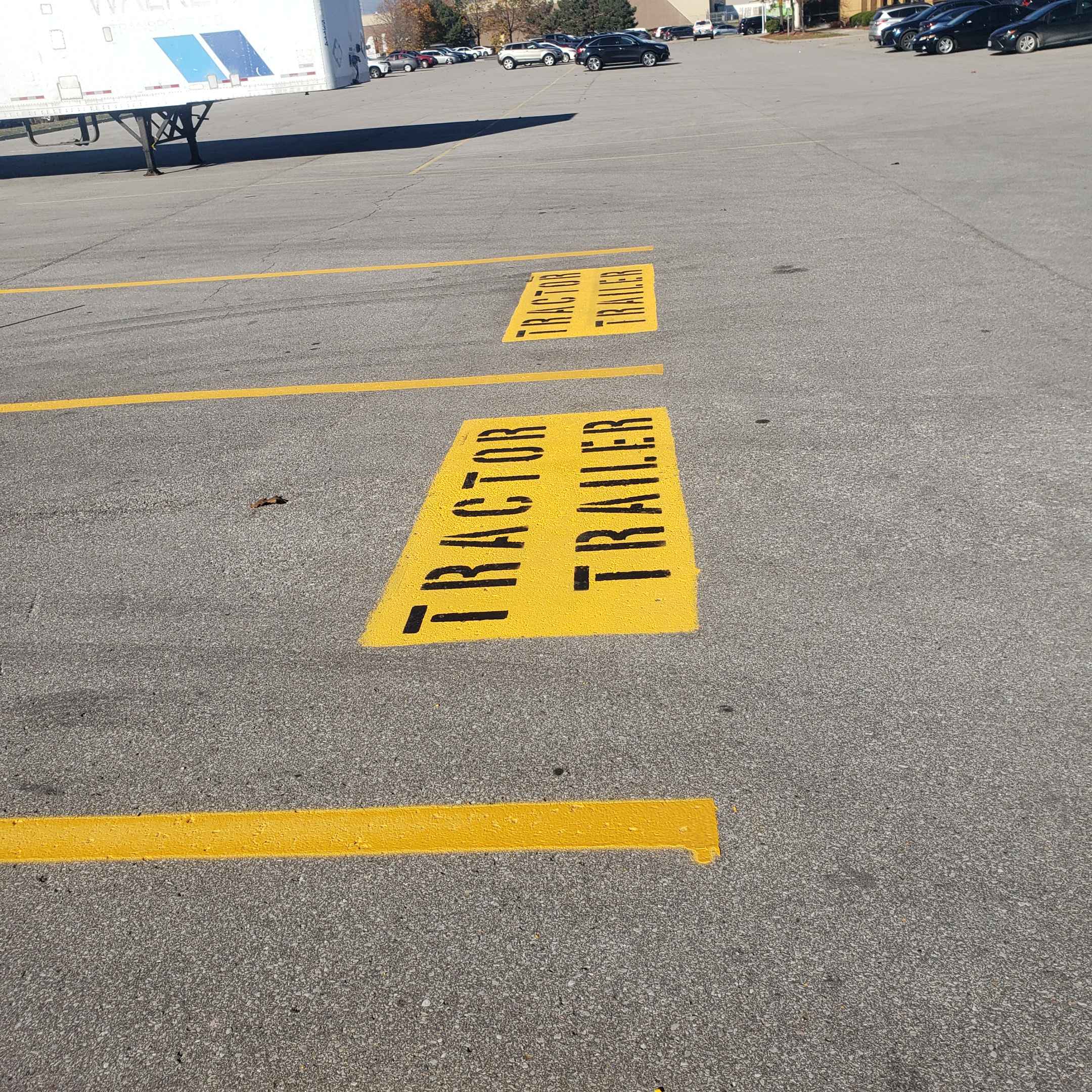
Once your sealcoating is complete and the surface is dark, rich, and protected, your parking lot will look brand new. However, a dark lot is only half the battle. To ensure safety and compliance, you must pair your sealcoating with professional Line Marking.
Fresh, bright lines provide the necessary contrast against a newly sealed surface. This improves traffic flow, clearly defines handicap spaces, and ensures your customers can navigate your property with ease. Capital Parking Lot Line Painting specializes in both the protective coating and the precision Line Painting required to make your lot look its absolute best.
Ready for a Professional Assessment?
Don't guess when it comes to your asphalt's health. Let the experts at Capital Parking Lot Line Painting provide a comprehensive evaluation of your property to ensure your maintenance plan is built on a solid foundation.