The Role of Sealcoating in Your Asphalt Maintenance Plan
Protect your investment and extend the lifespan of your pavement through proactive care and professional sealcoating services.
For property owners in Cambridge, maintaining a pristine parking lot or driveway is more than just an aesthetic choice; it is a critical component of asset management. Asphalt is a resilient material, but it is constantly under siege from environmental stressors. From the harsh Canadian winters to the intense UV rays of summer, your pavement faces a relentless battle against degradation. This is where sealcoating plays a pivotal role in your long-term maintenance strategy.
At Capital Parking Lot Line Painting, we have seen firsthand how a well-timed sealcoating application can be the difference between a decade of service and a premature, costly reconstruction. Understanding the science behind sealcoating and its place in a holistic maintenance plan is essential for any commercial or residential property manager.
What Exactly is Sealcoating?
Sealcoating is the application of a protective liquid coating over the surface of your asphalt. It is important to distinguish sealcoating from paving. While paving involves laying down new asphalt, sealcoating is a preventative maintenance measure designed to seal the pores of the existing surface.
The coating acts as a sacrificial layer. It takes the brunt of the environmental damage—such as water penetration, oil spills, and oxidation—so that the structural asphalt beneath remains intact. By incorporating sealcoating into your routine, you are essentially providing your pavement with a high-performance shield.
The Core Benefits of Regular Sealcoating
Why should you prioritize this service? The benefits extend far beyond making your parking lot look "new" again. Here are the primary advantages:
- UV Protection: Sunlight causes asphalt to oxidize, turning it from a deep black to a brittle gray. Sealcoating blocks these harmful rays.
- Waterproofing: Water is the enemy of asphalt. Sealcoating prevents moisture from seeping into the sub-base, which prevents cracks and potholes.
- Chemical Resistance: Oil, gas, and salt can eat away at the bitumen binder. A sealcoat provides a barrier against these corrosive substances.
- Enhanced Aesthetics: A fresh coat restores that rich, dark appearance that signals quality and care to your customers.
- Improved Safety: By preventing surface crumbling and small cracks, you reduce trip hazards and maintain a smoother driving surface.
Integrating Sealcoating with Line Marking
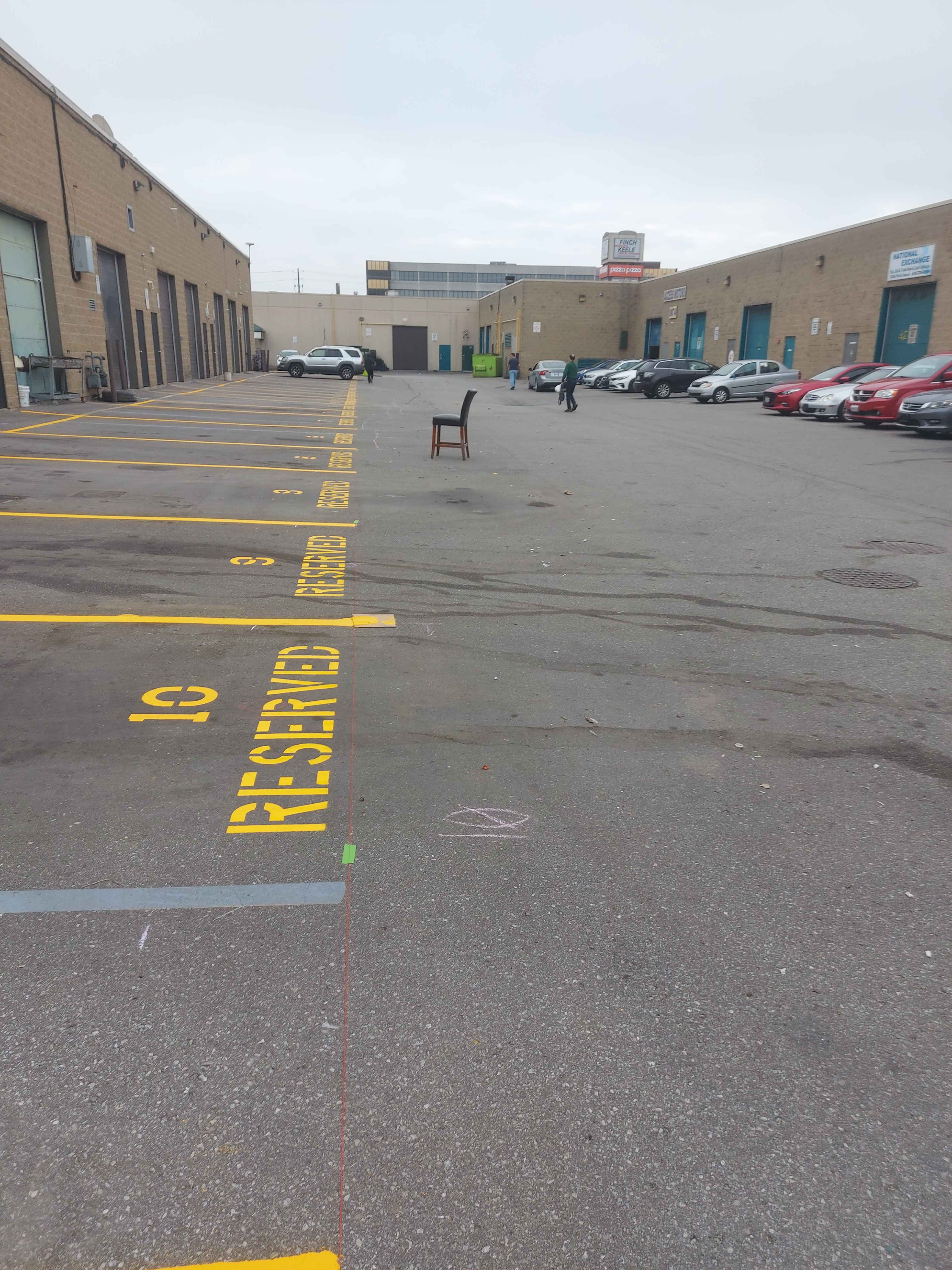
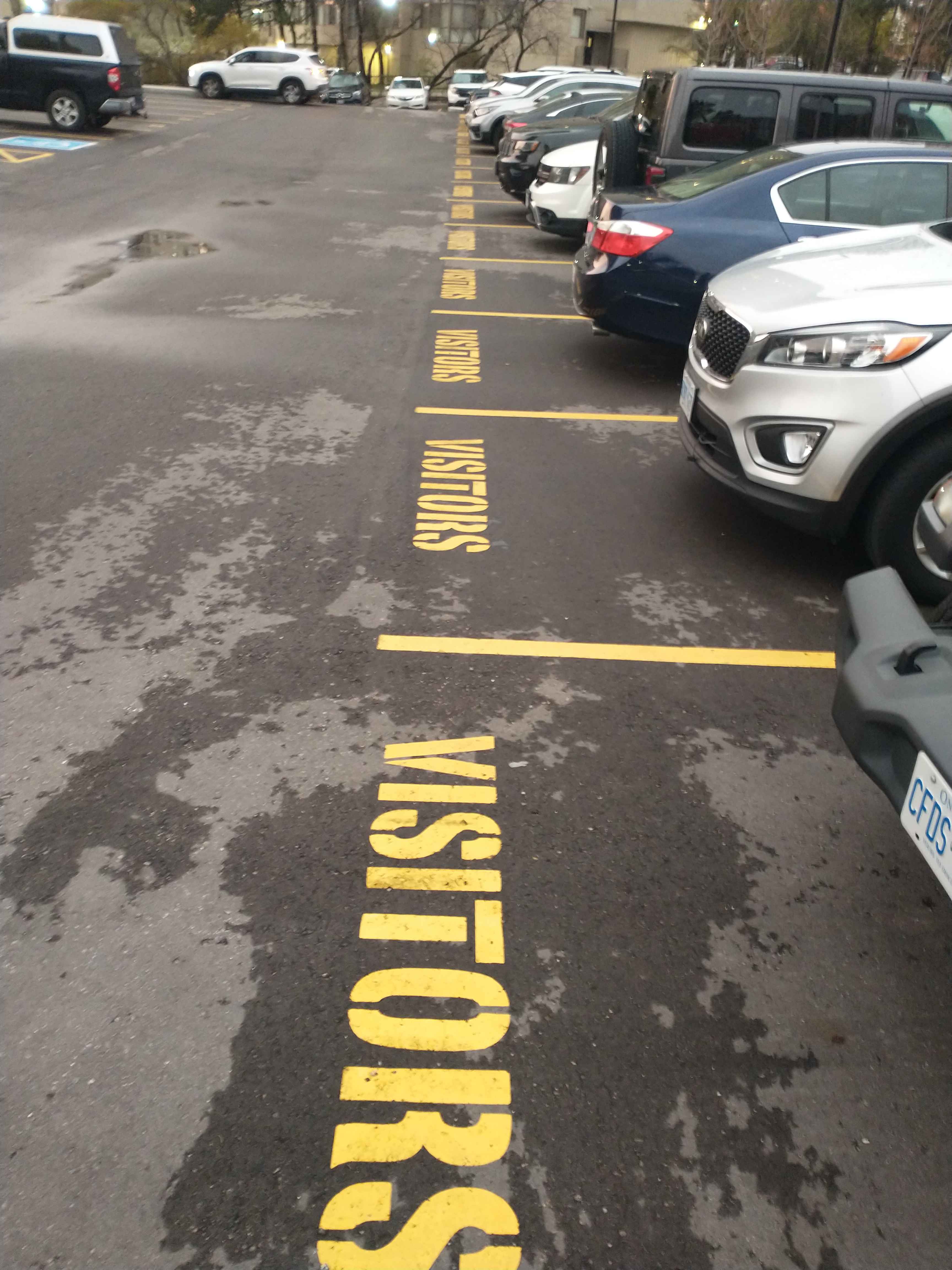
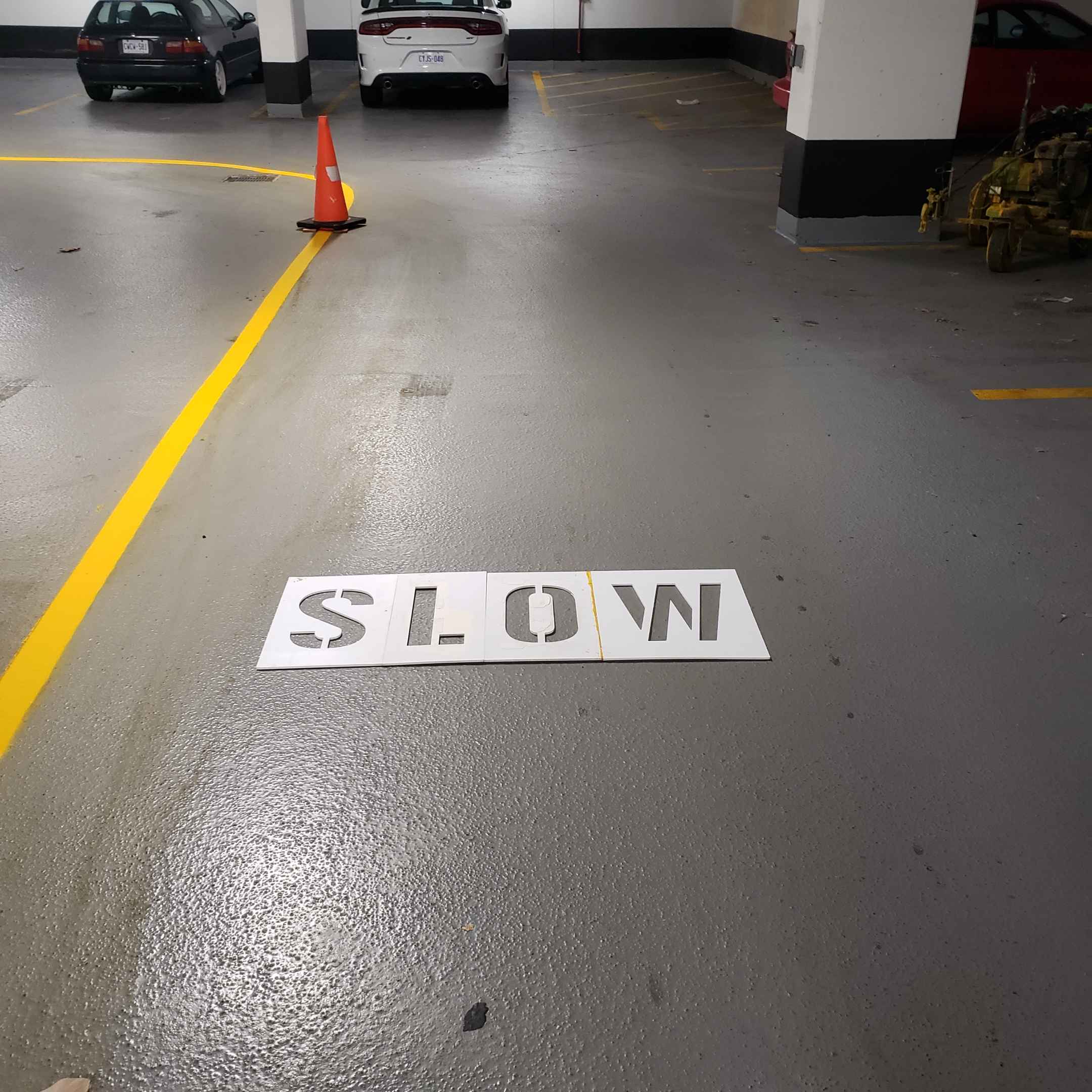
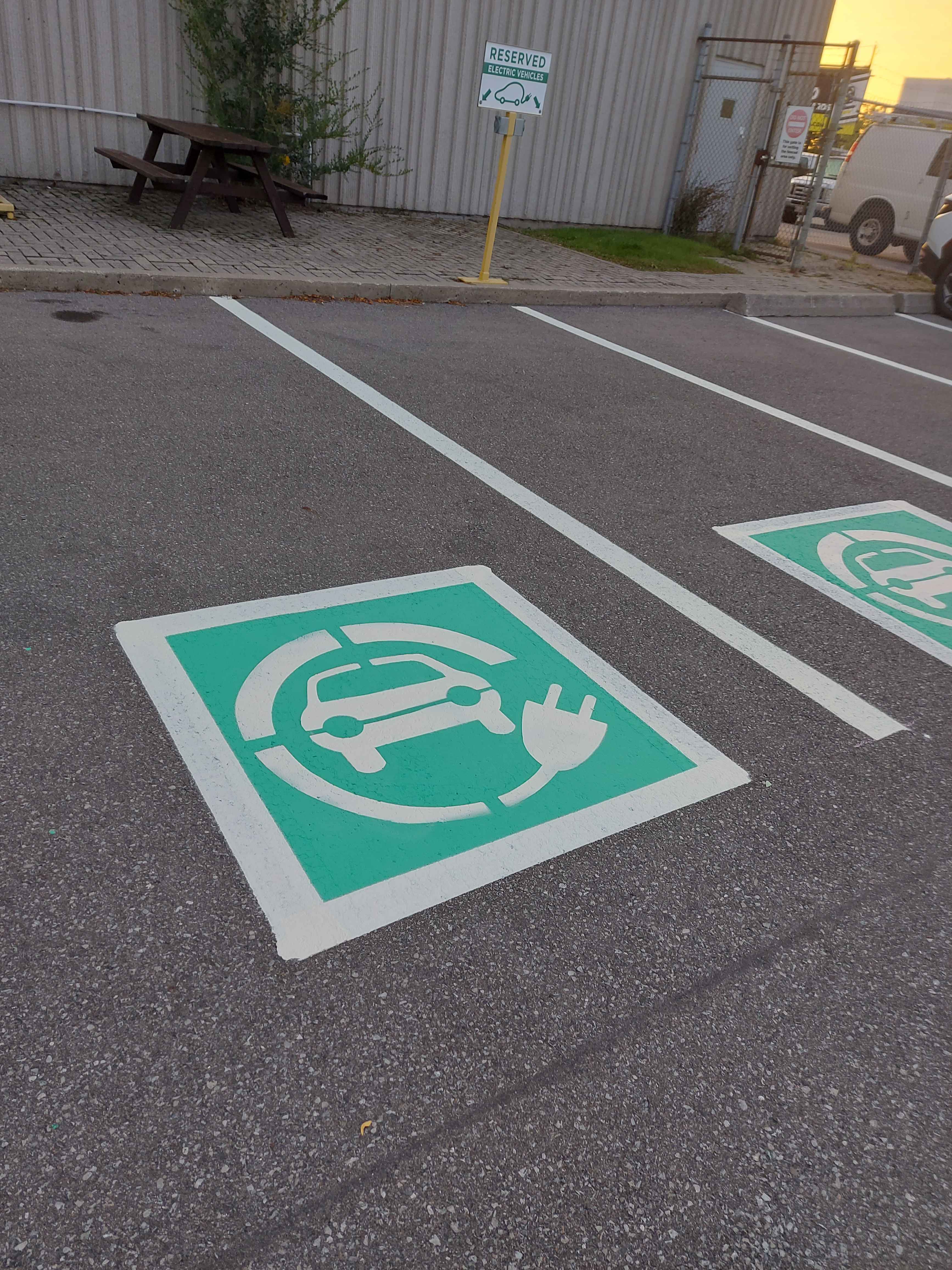
A maintenance plan is never complete with just one service. To achieve a truly professional finish, sealcoating should be paired with professional Line Marking. Once the sealcoat has cured, applying fresh, crisp lines ensures that your parking lot is organized, compliant with local regulations, and easy to navigate.
Capital Parking Lot Line Painting recommends performing Line Painting immediately following a sealcoating project. This combination not only maximizes the visual impact but also ensures that your traffic flow patterns are clearly defined on a clean, dark canvas. This synergy is vital for high-traffic areas in growing hubs like Cambridge, where parking efficiency is paramount.
Common Sealcoating Mistakes to Avoid
Many property owners attempt to save time or resources by skipping steps, which often leads to failure. Avoid these common pitfalls:
1. Poor Surface Preparation
Applying sealcoat over dirt, debris, or loose gravel is a recipe for disaster. The coating must bond to the asphalt, not to the dust sitting on top of it.
2. Ignoring Existing Cracks
Sealcoating is a surface treatment, not a structural repair. If you have deep cracks, they must be filled with a professional-grade crack filler before the sealcoat is applied.
3. Applying in Improper Weather
Moisture or extreme temperature fluctuations during application can prevent the sealer from curing correctly, leading to peeling or premature wear.
Building Your Maintenance Schedule
A proactive approach is always more cost-effective than a reactive one. For most commercial properties, we recommend a maintenance cycle that includes:
- Annual inspections for cracks and drainage issues.
- Crack filling every 1-2 years depending on severity.
- Sealcoating every 3-5 years to maintain the protective barrier.
- Periodic Line Marking to refresh faded directional arrows and stall lines.
By following this cadence, Capital Parking Lot Line Painting can help you manage your property's lifecycle efficiently, ensuring your asphalt remains a functional and attractive asset for years to come.
Ready to Protect Your Pavement?
Don't wait for the first pothole to appear. Contact the experts at Capital Parking Lot Line Painting today to schedule a consultation and build a customized maintenance plan for your property.