Line Painting Design Tips for Retail Parking Lots
Maximize your property's potential and ensure customer safety through strategic line marking and professional layout design.
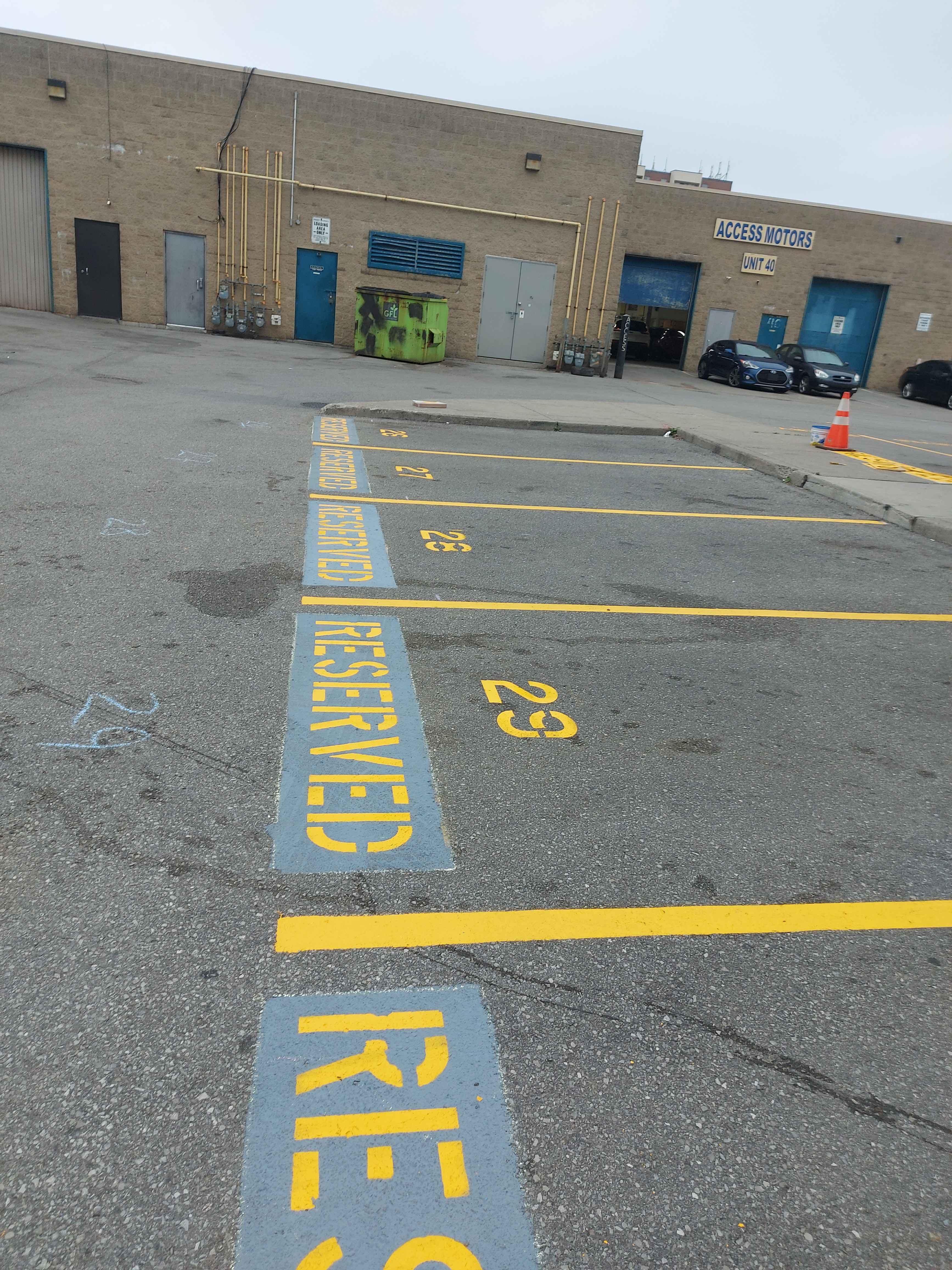
For retail business owners, the parking lot is the very first interaction a customer has with your brand. Before they enter your store, they navigate your asphalt. A well-organized, clearly marked parking area communicates professionalism, safety, and respect for the customer's time. Conversely, faded or chaotic markings can lead to confusion, accidents, and a poor first impression.
At Capital Parking Lot Line Painting, we understand that effective line painting is about more than just aesthetics; it is about functional engineering that facilitates smooth traffic flow and maximizes every square inch of your available space.
The Importance of Strategic Layout Design
When planning your next refresh, don't just aim to replicate what was there before. Use this opportunity to optimize your layout. In growing urban centers like London, space is a premium commodity. Retailers must balance the need for high-density parking with the necessity of wide, safe driving lanes.
Maximizing Capacity vs. Accessibility
While it may be tempting to squeeze in as many stalls as possible, overly narrow spaces lead to door dings and frustrated customers. A strategic approach to line painting involves calculating the ideal width for different types of vehicles, including compact cars and larger SUVs, to ensure a seamless experience.
Key Elements of Effective Line Marking
A comprehensive parking lot design includes several distinct types of markings, each serving a specific purpose in the ecosystem of your retail property. When working with Capital Parking Lot Line Painting, we recommend focusing on these core components:
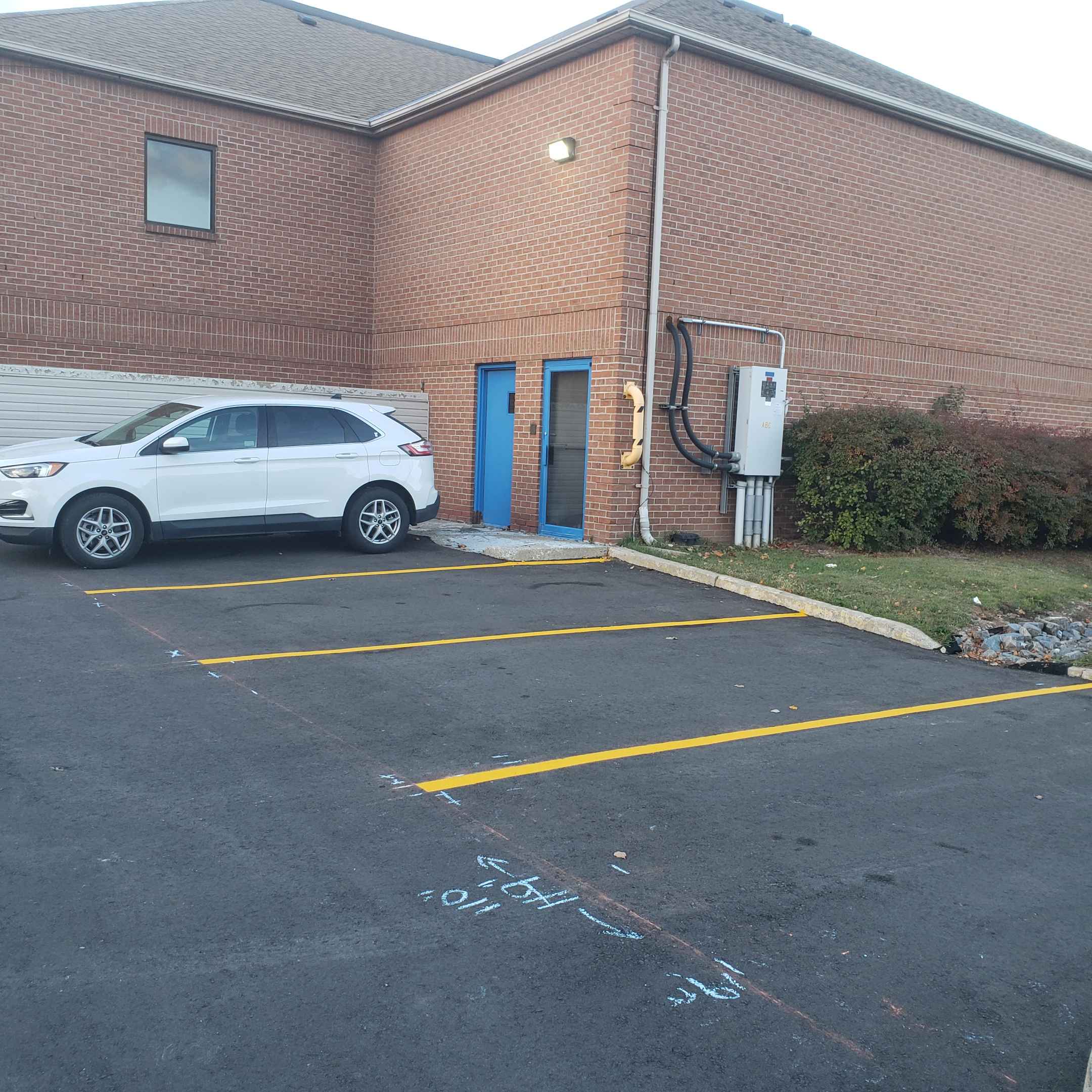
- Standard Stall Markings: The foundational lines that define parking spaces and prevent haphazard parking.
- Directional Arrows: Essential for guiding one-way traffic and preventing head-on collisions in narrow lanes.
- Pedestrian Walkways: Painted paths that guide customers safely from their vehicles to the storefront, away from moving traffic.
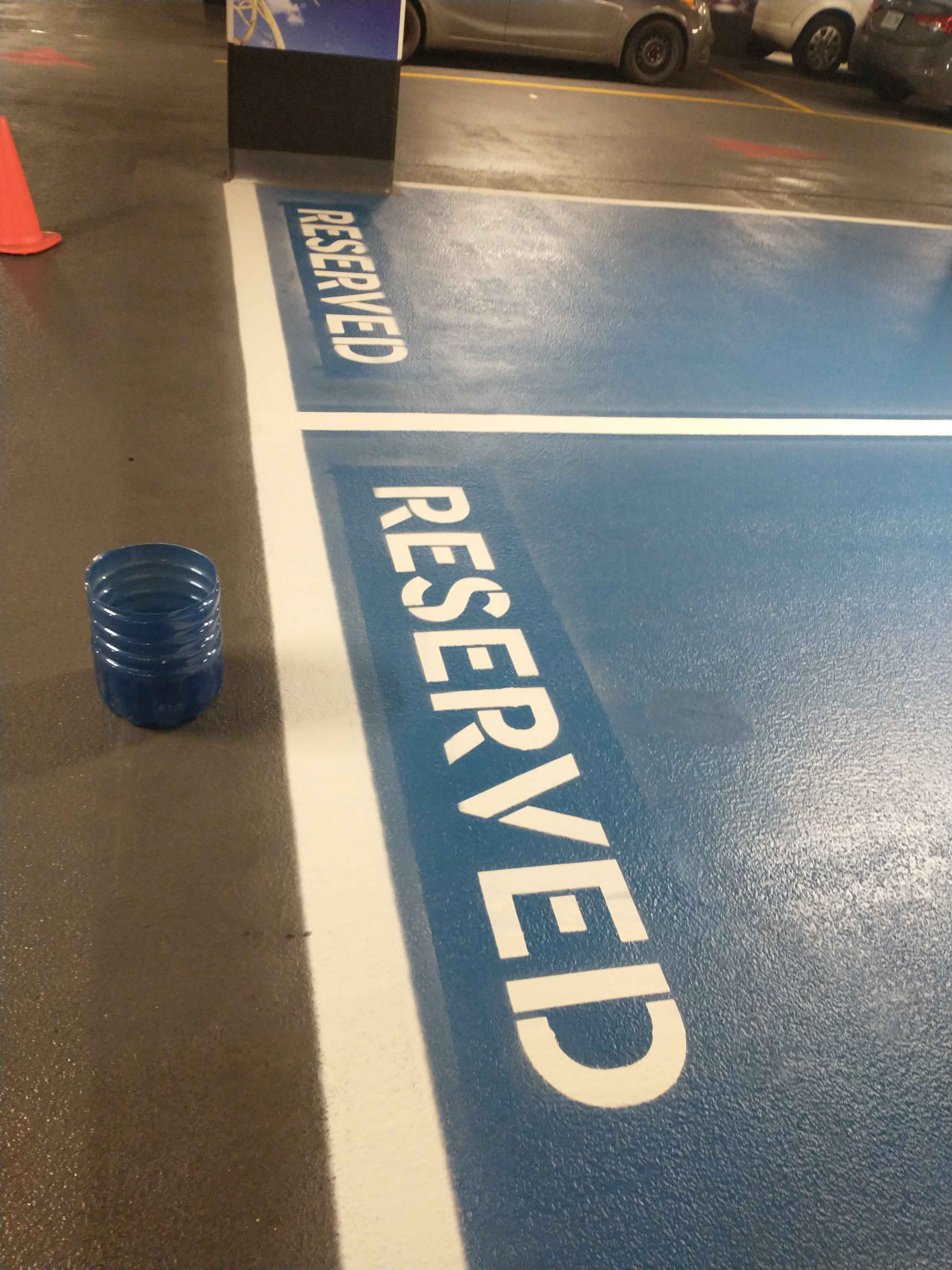
- Accessible (ADA) Stalls: Clearly marked blue-and-white or high-contrast zones that ensure inclusivity and legal compliance.
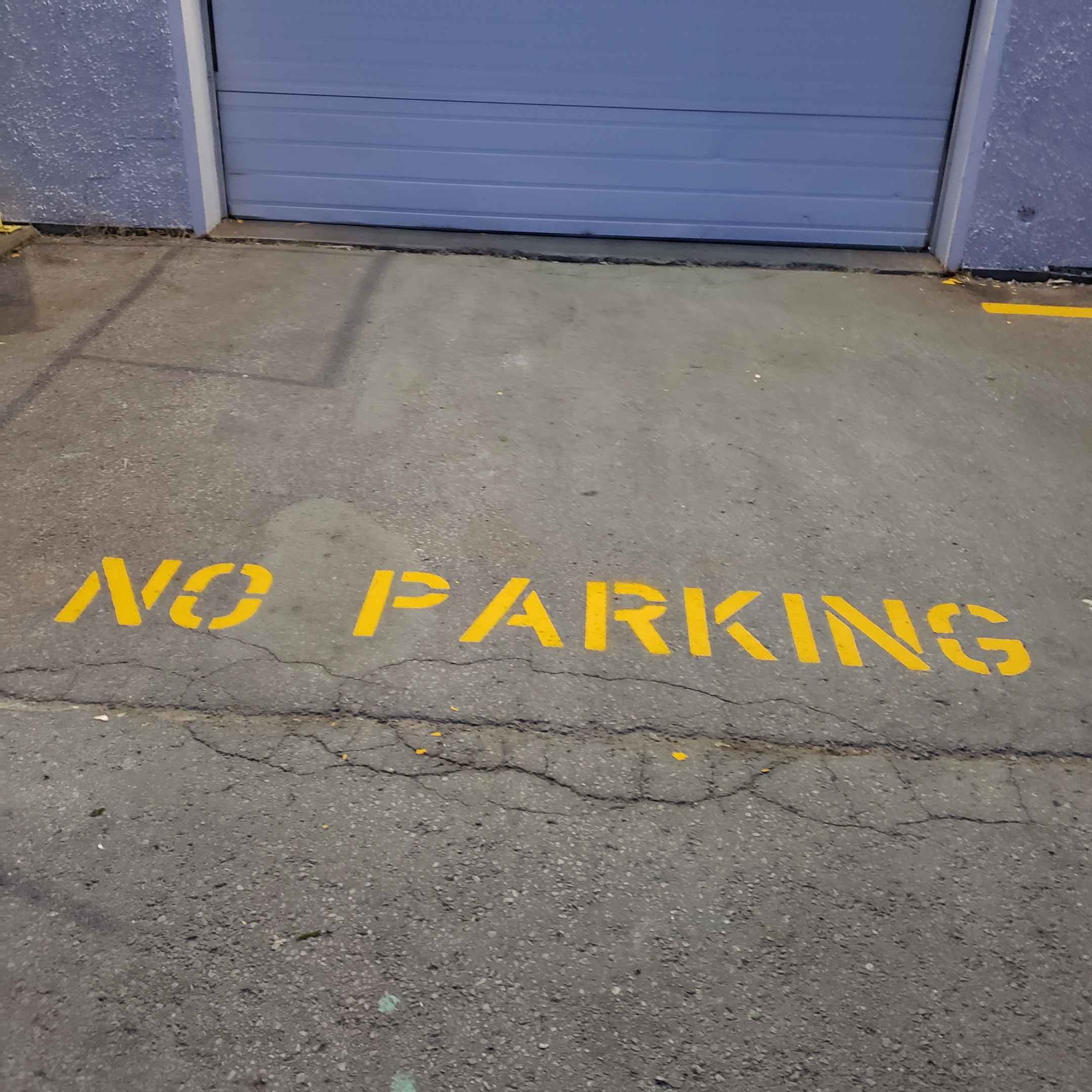
- Fire Lanes and No-Parking Zones: Critical for emergency access and maintaining clear sightlines at intersections.
- Loading Zones: Dedicated areas for delivery trucks to prevent congestion in customer parking areas.
Enhancing Safety and Visibility
Safety is the primary driver behind professional line marking. In a busy city like London, where weather conditions can change rapidly, high-visibility markings are a necessity. Using high-quality, reflective paints ensures that even during heavy rain or twilight hours, your customers can clearly see the boundaries of their environment.
Properly designed crosswalks and stop bars act as silent traffic controllers, reducing the liability for retail owners by establishing clear right-of-way rules for both drivers and pedestrians.
Common Mistakes to Avoid
Avoid these pitfalls when managing your parking lot maintenance:
1. Inconsistent Line Widths
Using different widths for different sections creates visual confusion and makes the lot look unprofessional.
2. Ignoring Faded Markings
Waiting until lines are completely gone increases the risk of accidents and legal issues.
Quick Reference: Design Checklist
Before scheduling your next project with Capital Parking Lot Line Painting, ensure you have evaluated your current traffic flow, checked for compliance with local accessibility regulations, and identified high-wear areas that require immediate attention.
Conclusion
Investing in professional line painting is an investment in your retail property's longevity and customer satisfaction. By prioritizing clear, bold, and strategic line marking, you create a safer and more efficient environment for everyone. Don't leave your first impression to chance—ensure your parking lot is as professional as the business it serves.