Line Painting Tips for High-Traffic Commercial Lots
Maintaining clear, visible, and durable markings is essential for safety and efficiency in high-volume commercial environments.
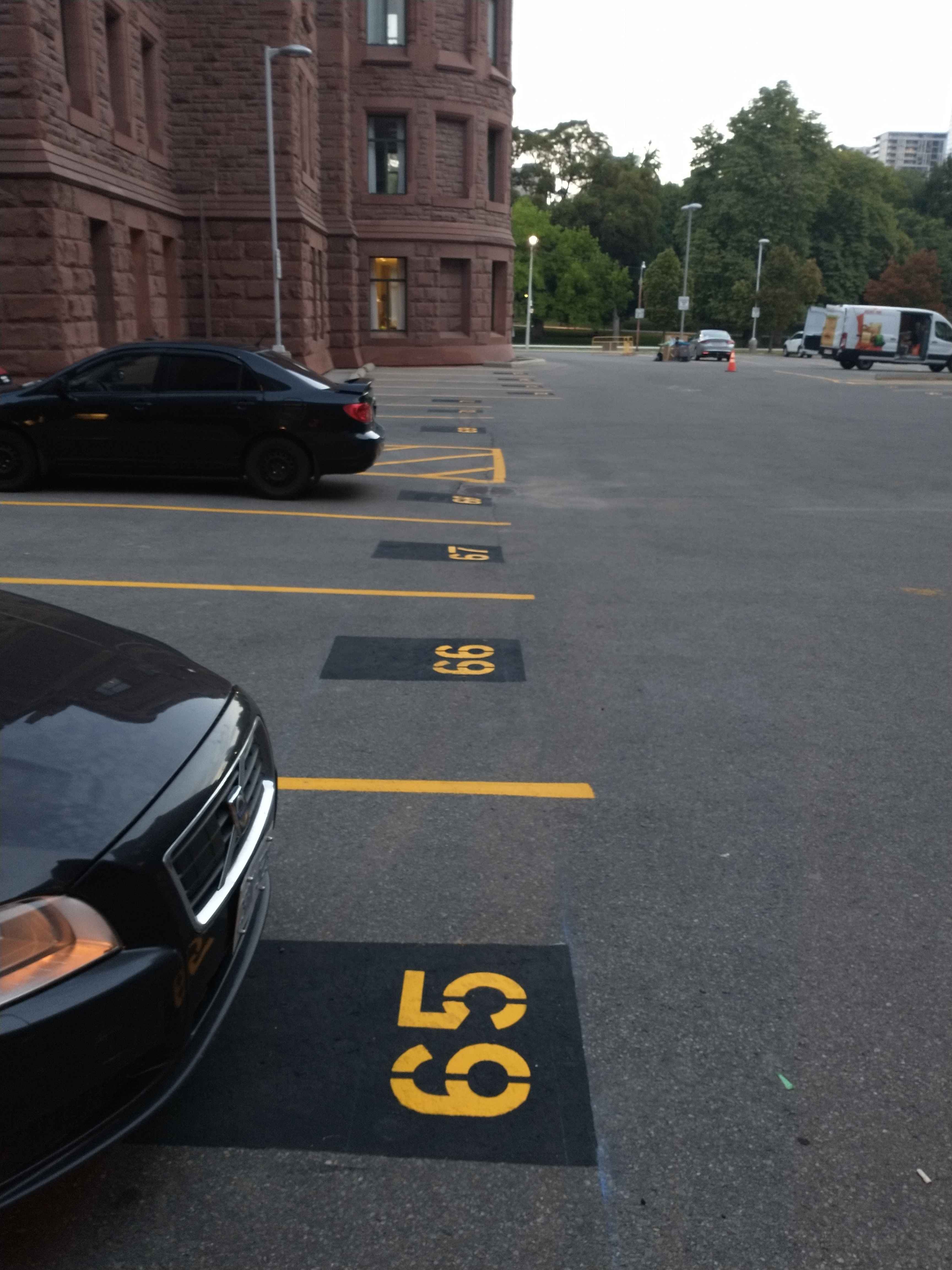
For property managers and business owners, the parking lot is the first thing a customer sees. In high-traffic areas, such as shopping centers, large office complexes, or industrial hubs, the wear and tear on pavement markings is significantly higher than in residential settings. Faded, cracked, or missing lines do more than just look unprofessional; they create safety hazards, impede traffic flow, and can even lead to liability issues.
At Capital Parking Lot Line Painting, we understand that high-traffic zones require a specialized approach to line marking. It isn't just about applying color to asphalt; it is about selecting the right materials and techniques to ensure longevity under constant vehicular pressure.
Why High-Traffic Lots Require Specialized Line Marking
Standard line painting techniques used for small driveways simply won't hold up in a busy commercial lot in a city like North Bay, where seasonal weather changes and heavy vehicle use are common. When vehicles are constantly turning, braking, and accelerating within marked stalls, the friction can strip away low-quality paint in a matter of months.
The Importance of Durability
High-quality line marking must be able to withstand:
- Constant tire friction and heavy vehicle weight.
- Extreme temperature fluctuations (common in Ontario).
- Chemical exposure from oil leaks and road salts.
- UV degradation from direct sunlight.
Key Tips for Successful Commercial Line Painting
If you are planning a refresh or a full layout redesign, keep these professional tips in mind to ensure your investment lasts as long as possible.
1. Surface Preparation is Non-Negotiable
The biggest mistake in line marking is applying new paint over a dirty or oily surface. For the paint to bond with the asphalt or concrete, the surface must be power-washed and completely free of debris, dust, and grease. Capital Parking Lot Line Painting emphasizes that thorough preparation is the foundation of a long-lasting finish.
2. Material Selection: Thermoplastic vs. Waterborne Paint
In high-traffic environments, the type of material used is critical. Waterborne acrylic paints are excellent for general use, but for high-stress areas like intersection crosswalks or heavy-duty loading zones, thermoplastic or high-build epoxy coatings may be more appropriate. These materials offer superior adhesion and much higher resistance to being worn down by heavy tires.
3. Precision and Compliance
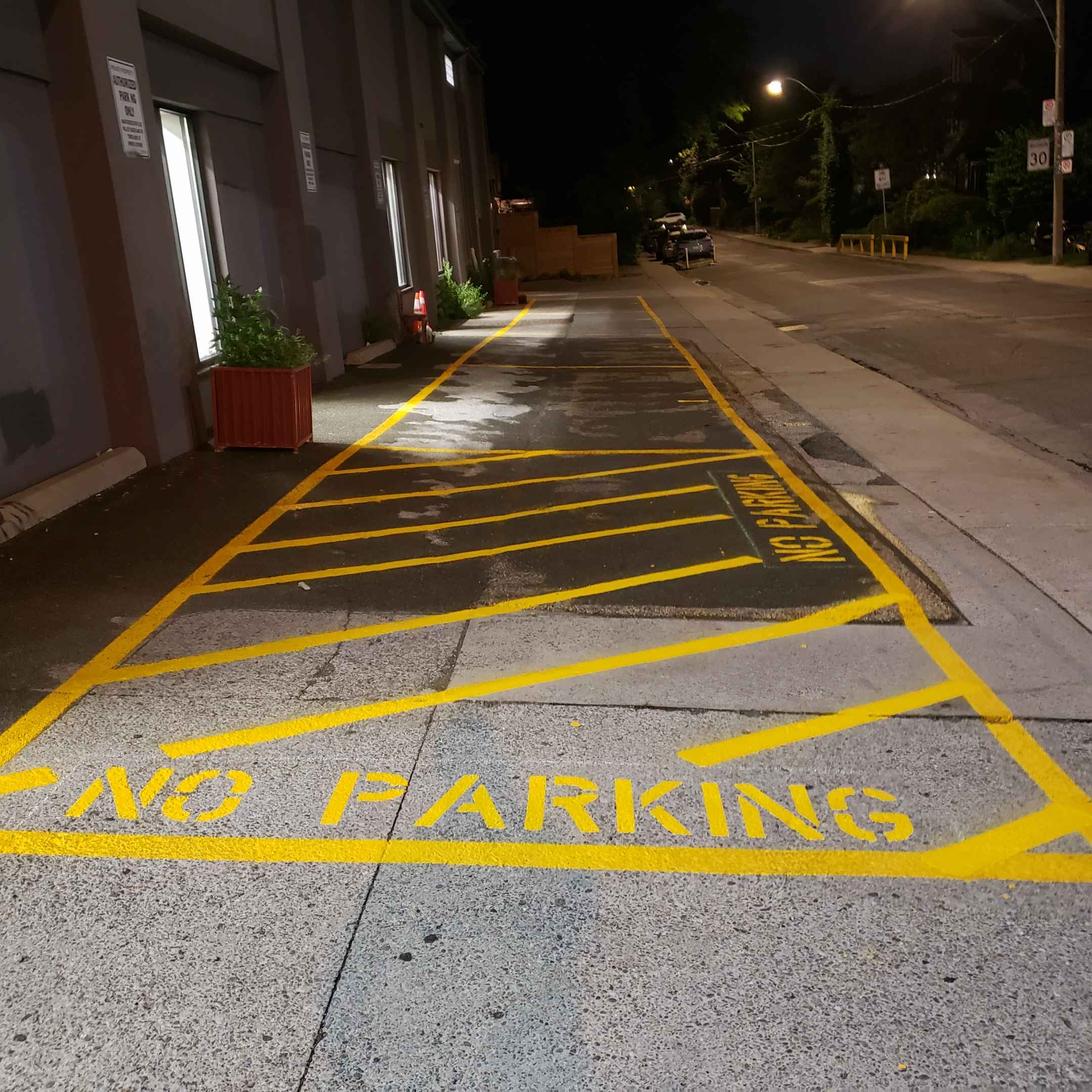
Line marking isn't just about aesthetics; it is about legal compliance. ADA (Americans with Disabilities Act) standards—or local Ontario accessibility equivalents—dictate specific widths for handicap stalls, blue zones, and loading aisles. Incorrectly measured lines can result in fines or accessibility complaints. Professional services ensure that every measurement is precise and meets all local municipal codes.
Managing Traffic During the Painting Process
One of the biggest challenges for businesses in North Bay is scheduling. You cannot simply shut down a commercial lot without a plan. Successful line painting requires strategic timing—often during off-peak hours or weekends—to minimize disruption to your customers and employees.
When working with professionals like Capital Parking Lot Line Painting, we coordinate with your management team to ensure that traffic flow is redirected safely and that the drying time is respected before vehicles are allowed back onto the freshly marked lines.
Quick Summary: Common Line Marking Mistakes
- Applying paint in wet or damp conditions.
- Skipping the cleaning/degreasing phase.
- Using low-grade paint in high-turnover zones.
- Ignoring local accessibility regulations.
- Inconsistent line widths and spacing.
- Poorly timed application during peak hours.
Conclusion
Investing in professional line painting is an investment in your property's safety, organization, and curb appeal. By focusing on high-quality materials, meticulous surface preparation, and regulatory compliance, you can ensure your commercial lot remains functional and safe for years to come.
Related Content
Looking for more maintenance advice? Check out our other guides on asphalt longevity and parking lot management.