How to Design Parking Lot Layouts That Maximize Capacity
Maximize your real estate value and improve customer satisfaction with strategic parking lot design and precision line marking.
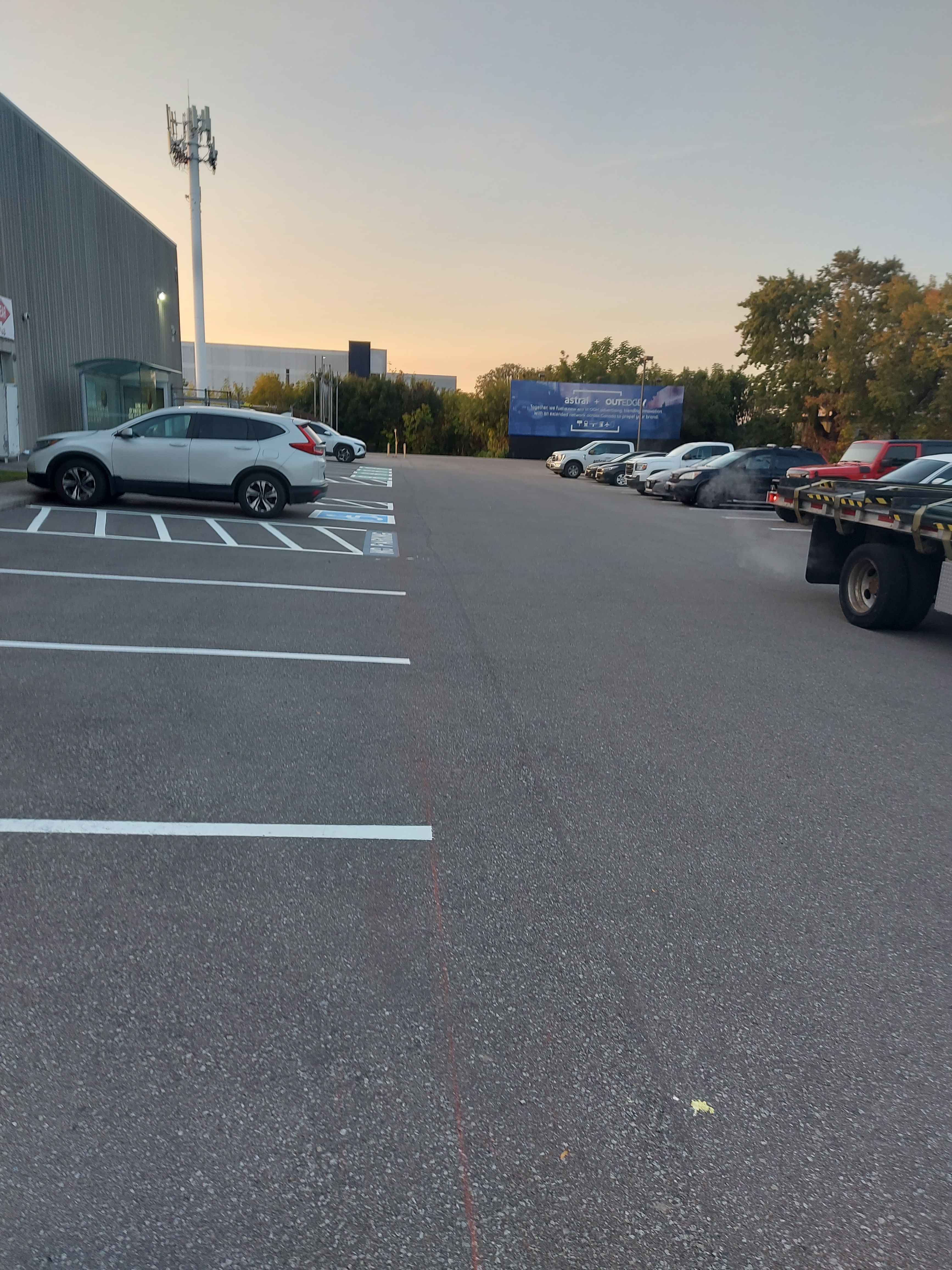
Every square foot of asphalt counts. Whether you manage a retail complex, an industrial warehouse, or a multi-family residential building, the efficiency of your parking lot directly impacts your operational success. A poorly designed lot leads to congestion, frustrated drivers, and wasted space. Conversely, a well-optimized layout ensures smooth traffic flow and accommodates the maximum number of vehicles possible.
For business owners in growing areas like Milton, optimizing existing space is often more critical than expanding footprint. This is where strategic design meets professional execution. At Capital Parking Lot Line Painting, we understand that the difference between a cluttered lot and a high-capacity lot lies in the details of the layout and the precision of the markings.
Key Elements of High-Capacity Parking Design
Designing for capacity isn't just about cramming as many stalls as possible into a space; it's about finding the balance between density and usability. If the spaces are too tight, drivers will damage vehicles, leading to liability issues. If the aisles are too wide, you are wasting valuable real estate.
1. Selecting the Right Angle
The angle of your parking stalls is one of the most significant decisions in the design process. There are three primary options:
- 90-Degree Parking: This is the most space-efficient method for maximizing the total number of stalls. It is ideal for large, open lots but requires wider drive aisles to allow vehicles to turn into the spots.
- 60-Degree Angled Parking: This offers a middle ground. It allows for narrower drive aisles, which can sometimes save space in long, narrow lots, though it may reduce the total stall count compared to 90-degree layouts.
- 45-Degree Angled Parking: This is the easiest for drivers to navigate, promoting high turnover and safety, but it generally requires the most linear footage per stall.
2. Optimizing Drive Aisles and Traffic Flow
A parking lot is more than just a collection of stalls; it is a circulatory system. If the "arteries" (the aisles) are blocked or poorly positioned, the entire system fails. Effective design uses one-way aisles for angled parking to streamline movement and two-way aisles for 90-degree configurations to maximize density.
The Importance of Precision Line Marking
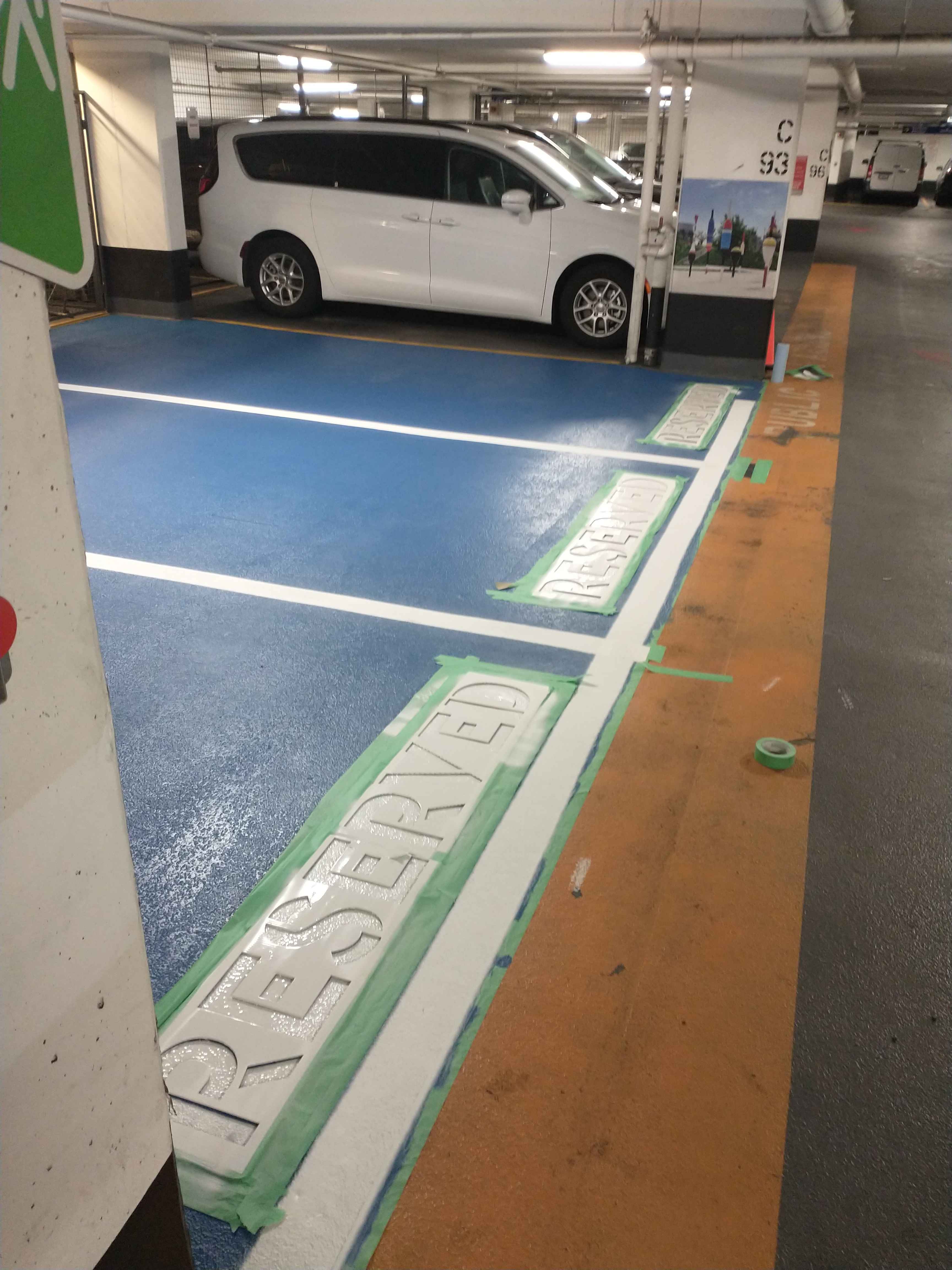
Even the most brilliant architectural layout will fail if the execution is sloppy. This is where Capital Parking Lot Line Painting plays a vital role. High-quality line marking serves as the visual guide that dictates how drivers interact with your space.
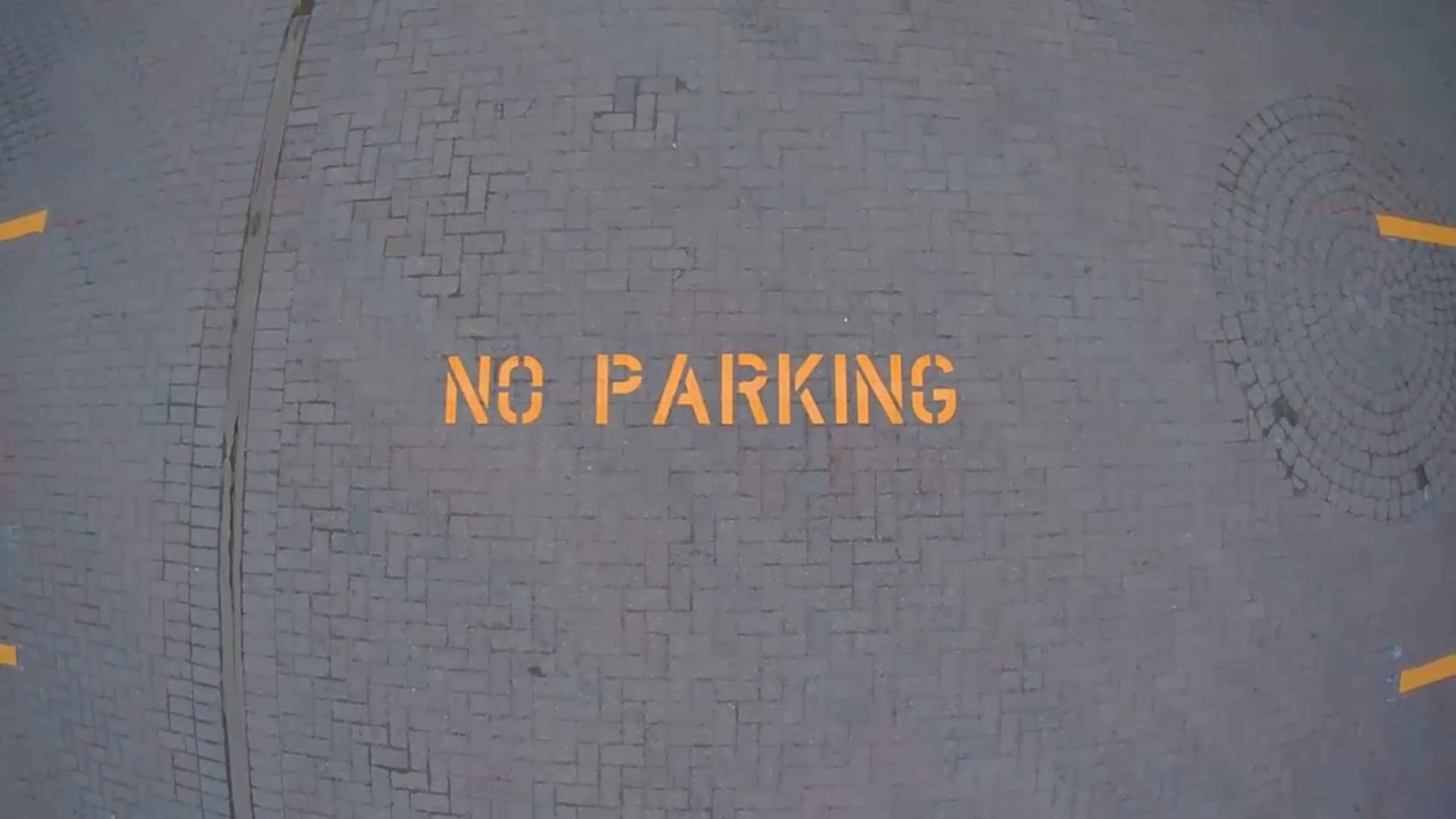
When lines are faded, crooked, or incorrectly placed, drivers become uncertain. Uncertainty leads to slow movement, erratic driving, and accidents. By investing in professional line painting, you ensure that every stall is exactly where the design intended it to be, maximizing the actual usable area of the lot.
In a bustling top 30 city like Milton, where commercial traffic is constantly increasing, maintaining clear and visible markings is essential for managing high volumes of vehicles efficiently.
Common Mistakes to Avoid
When attempting to increase capacity, many property managers fall into common traps that actually decrease efficiency. Avoid these pitfalls:
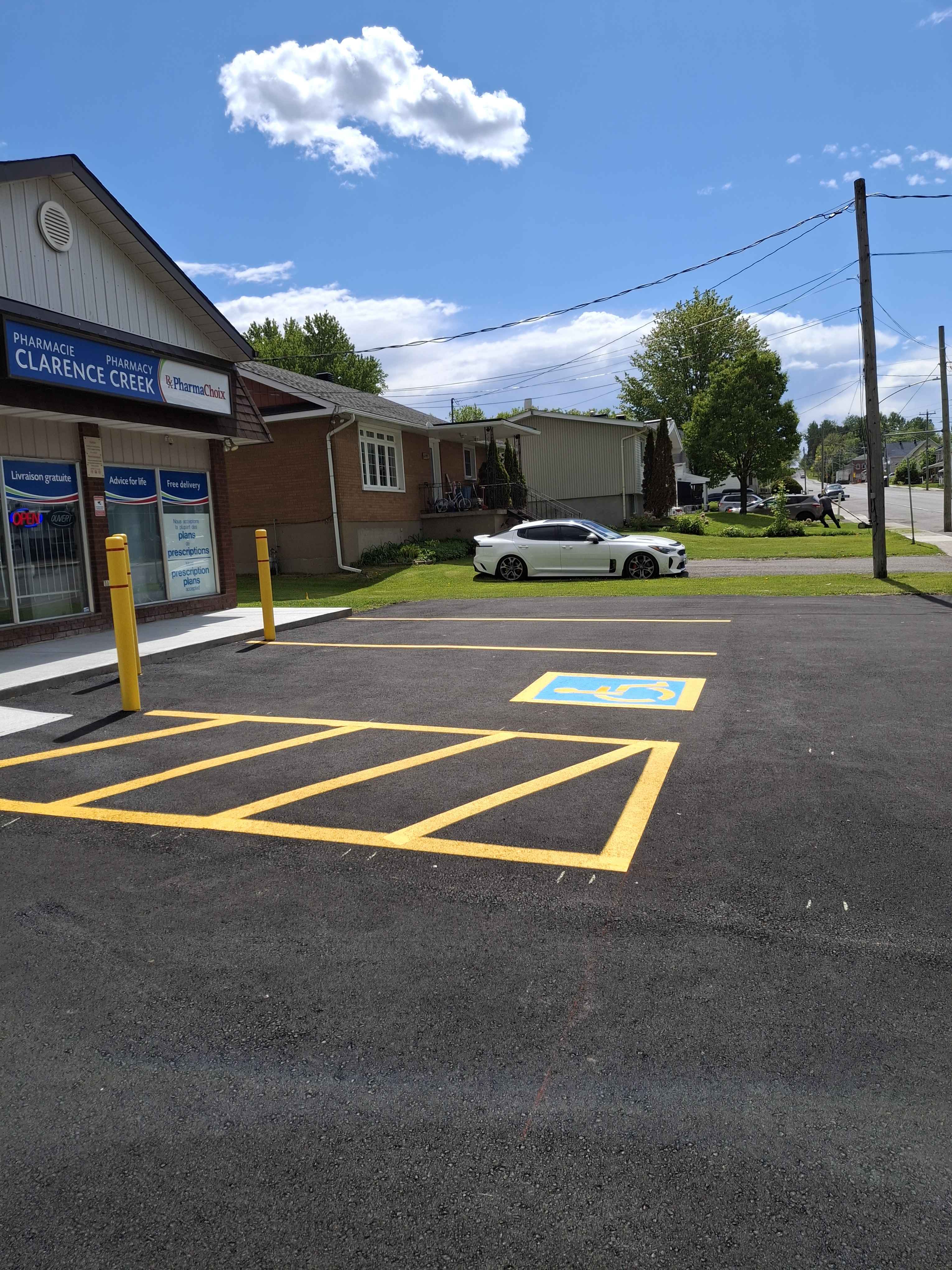
- Ignoring ADA/Accessibility Requirements
- Overlooking Turning Radii for Large Vehicles
- Neglecting Proper Drainage Placement
- Using Low-Quality Line Marking Materials
- Failing to Account for Pedestrian Walkways
- Inconsistent Stall Widths
Maximizing Longevity and Safety
Capacity and design are only half the battle. To maintain the benefits of your layout, you must ensure the surface remains in top condition. Capital Parking Lot Line Painting recommends a regular maintenance schedule. Fresh line marking not only improves the aesthetic appeal of your property but also reinforces safety protocols, such as pedestrian crossings and stop bars, which are crucial in high-density environments.
Ready to Optimize Your Space?
Don't let wasted space cost you customers. Contact the experts at Capital Parking Lot Line Painting today to ensure your lot is designed for maximum efficiency and professional appearance.