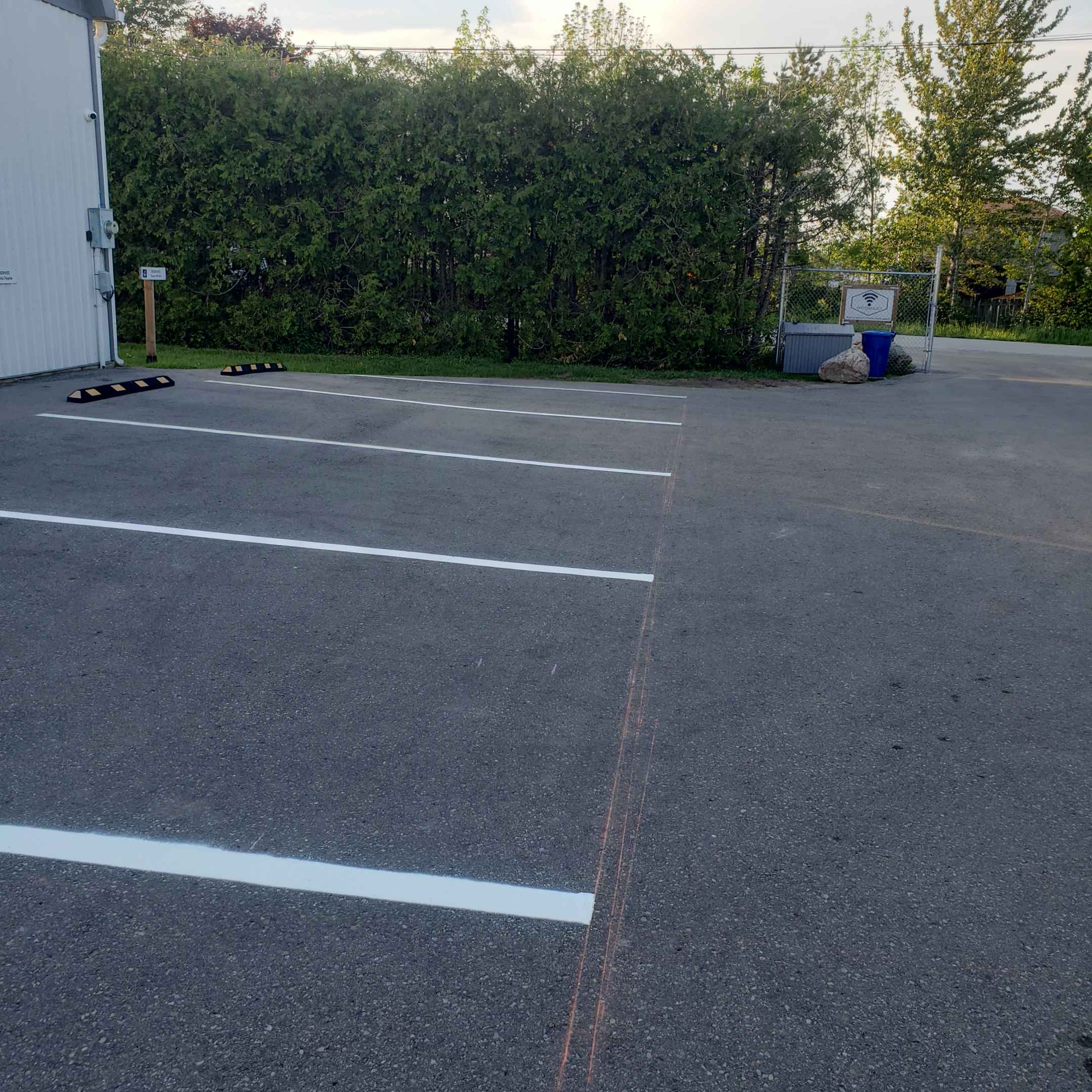
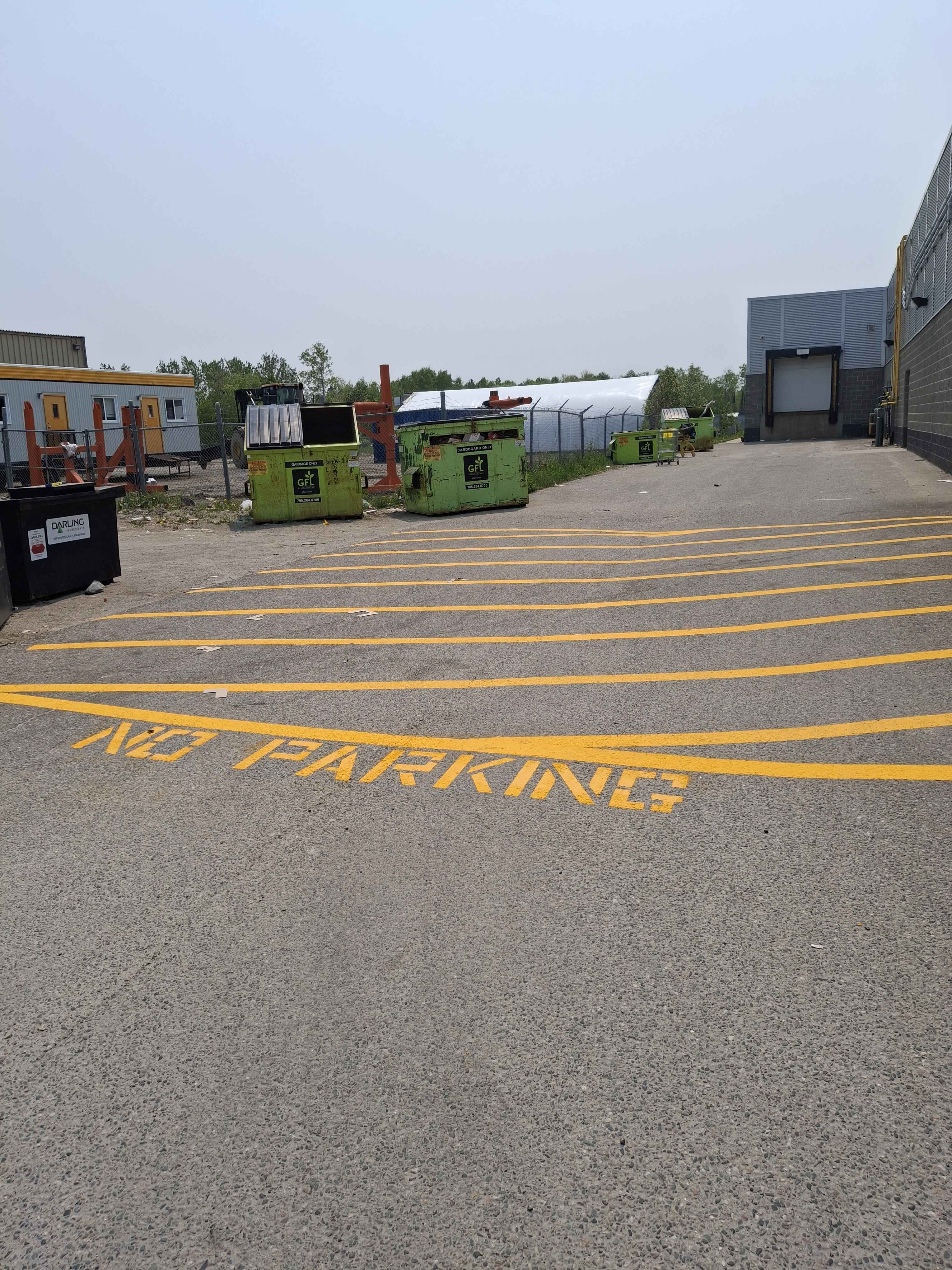
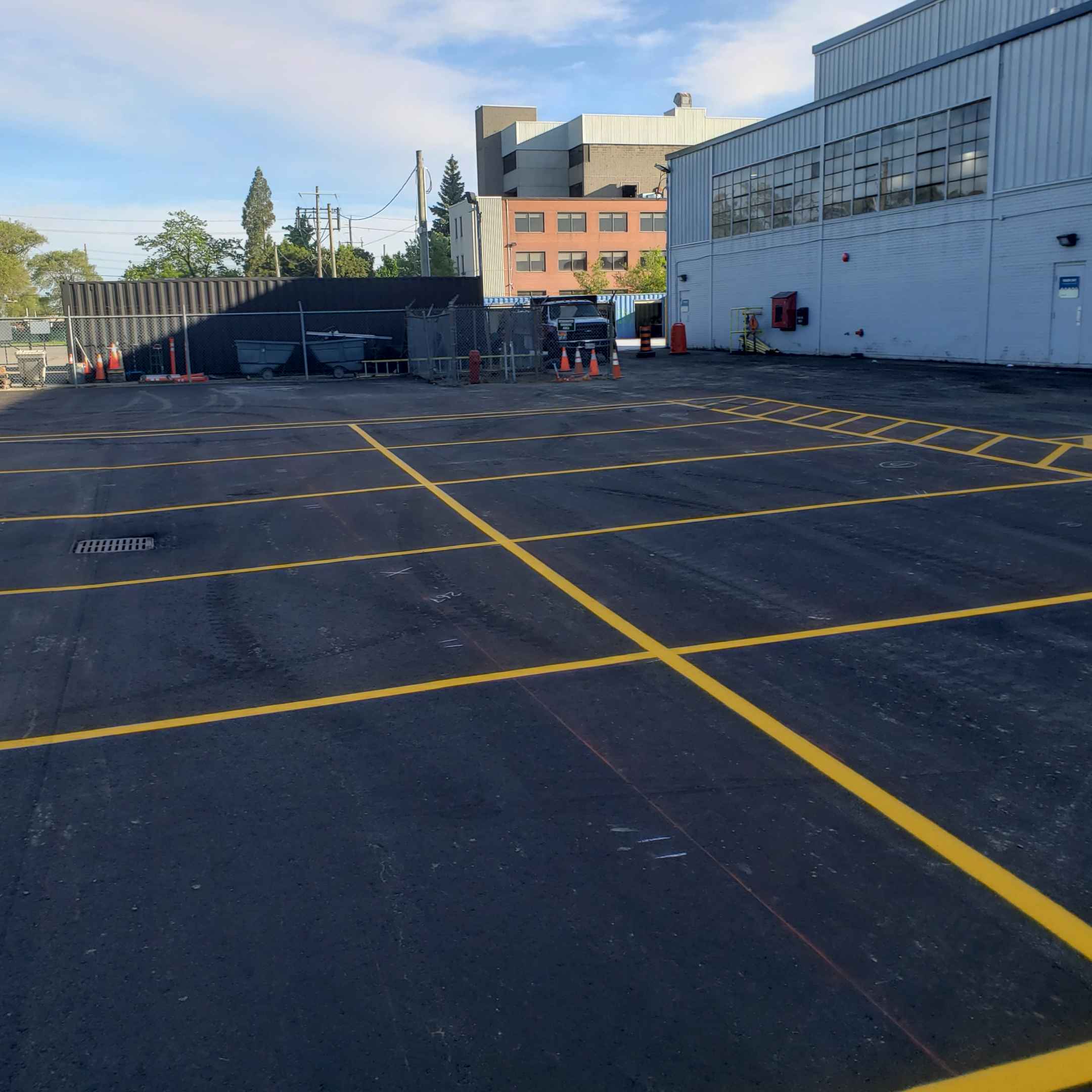
How Parking Lot Pavement Marking Enhances Pedestrian Safety
Beyond aesthetics, professional line marking serves as a silent guardian for pedestrians navigating busy parking environments.
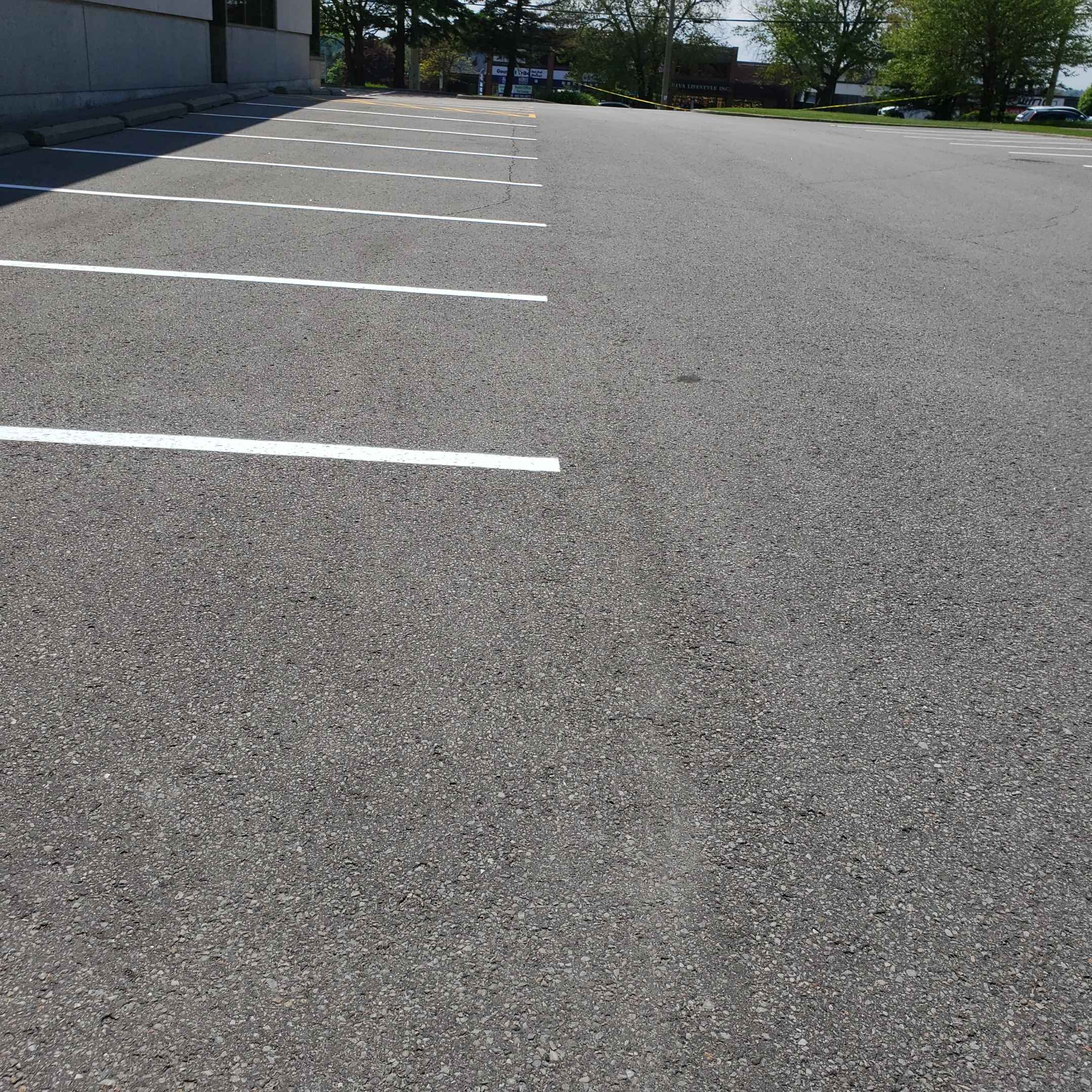
When we think about parking lot maintenance, our minds often jump to asphalt repair or crack filling. However, one of the most critical components of a safe and functional parking facility is often overlooked: the visibility and clarity of the markings on the ground. For property owners in high-density areas like Toronto, ensuring that pedestrians can move safely between vehicles and building entrances is a top priority.
Professional line marking is not just about defining where a car sits; it is about creating a predictable, structured environment where human error is minimized. When paths are clearly defined, the risk of collisions between vehicles and pedestrians drops significantly. This is where the expertise of Capital Parking Lot Line Painting becomes invaluable, providing the precision needed to protect every visitor to your property.
The Psychology of Visual Cues
Human beings rely heavily on visual cues to navigate complex environments. In a parking lot, a driver is often distracted by looking for a spot, checking mirrors, or navigating around other cars. Simultaneously, a pedestrian might be carrying groceries, looking at a smartphone, or guiding a child. Without clear line marking, these two groups are operating in a chaotic environment.
Clear, high-contrast line painting provides immediate subconscious instructions to both drivers and walkers. A bright, well-defined crosswalk tells a driver to slow down and prepare to stop, while a clearly marked pedestrian walkway tells a walker exactly where the "safe zone" is located. By reducing cognitive load, well-designed pavement markings prevent the split-second hesitations that often lead to accidents.
Key Safety Features of Effective Line Marking
To create a truly safe environment, property managers must look beyond standard stall lines. A comprehensive safety strategy involves several layers of visual communication:
- Pedestrian Crosswalks: High-visibility markings that designate specific zones for walking across vehicle lanes.
- Directional Arrows: Guidance for one-way aisles to prevent head-on collisions and confusion.
- Stop Bars: Clear indicators for where a vehicle must halt, ensuring sightlines remain clear for pedestrians.
- ADA Compliance Markings: Ensuring accessible parking stalls and paths are clearly marked for those with mobility challenges.
- Loading Zone Delineation: Separating heavy vehicle movement from pedestrian foot traffic.
At Capital Parking Lot Line Painting, we specialize in implementing these features with precision, ensuring that every mark serves a specific safety purpose.
The Impact of Wear and Fading
In a bustling city like Toronto, the sheer volume of traffic and the harsh seasonal changes can take a heavy toll on pavement markings. Over time, sun exposure, heavy vehicle weight, and winter salt can cause lines to fade, chip, or disappear entirely. When markings become illegible, the safety of your facility is compromised.
Faded lines lead to "zone ambiguity," where drivers are unsure of their lane boundaries and pedestrians are unsure of their safe paths. Regular maintenance and professional line painting are essential to restoring the visibility that prevents accidents. Relying on Capital Parking Lot Line Painting ensures that your markings are applied using high-quality materials designed to withstand the rigors of high-traffic commercial environments.
Don't Wait for an Accident to Happen
Proactive maintenance is always more effective than reactive repairs. Ensure your parking lot is a safe zone for everyone by scheduling a professional inspection and refresh of your pavement markings today.
Common Mistakes in Parking Lot Design
Even with the best intentions, property owners often make mistakes that inadvertently increase pedestrian risk. Avoiding these common pitfalls is crucial for maintaining a safe facility:
1. Inconsistent Line Widths
When markings vary in thickness or style, it creates visual confusion. Consistent line painting ensures a uniform language of safety throughout the lot.
2. Poor Contrast
Using colors that blend into the asphalt (such as dark grey on black asphalt) makes markings nearly invisible, especially at night or during rain. High-contrast white or yellow is the industry standard for a reason.
3. Ignoring Pedestrian Flow
Designing a lot solely for car capacity while ignoring how people walk from their cars to the entrance is a recipe for disaster. Safety must be integrated into the very layout of the markings.
Conclusion
Parking lot safety is a multi-faceted discipline, but at its core, it is about communication. Through strategic line marking, you communicate order, direction, and safety to every person who enters your property. By investing in professional line painting, you aren't just improving the look of your lot—you are protecting lives and reducing your liability.