What Facility Managers Should Know About Thermoplastic Marking
Navigating the complexities of pavement maintenance requires a strategic approach to durability, safety, and long-term asset management.
For facility managers overseeing large commercial properties, industrial complexes, or municipal parking lots, the decision of how to maintain pavement markings is more than just an aesthetic choice. It is a critical decision involving safety compliance, liability reduction, and lifecycle cost management. In high-traffic areas, standard paint often fails prematurely, leading to frequent maintenance cycles and increased operational headaches.
This is where thermoplastic marking enters the conversation. Unlike standard liquid coatings, thermoplastic is a heat-fused material that bonds directly to the surface, providing a level of permanence that is essential for busy environments. At Capital Parking Lot Line Painting, we recognize that facility managers need solutions that work as hard as they do.
Understanding Thermoplastic vs. Traditional Line Painting
When evaluating options for your facility, it is important to understand the fundamental differences between traditional line painting and thermoplastic application. Traditional paint sits on top of the asphalt, whereas thermoplastic is applied in a molten state, allowing it to melt into the pores of the pavement.
The Durability Factor
In a top 30 city in Ontario like Peterborough, weather conditions can be brutal. The freeze-thaw cycles, heavy snow removal, and salt application can strip standard line painting away in a matter of months. Thermoplastic is engineered to withstand these specific environmental stressors. Because it creates a physical bond with the substrate, it resists chipping and peeling far better than standard emulsions.
Visibility and Safety Compliance
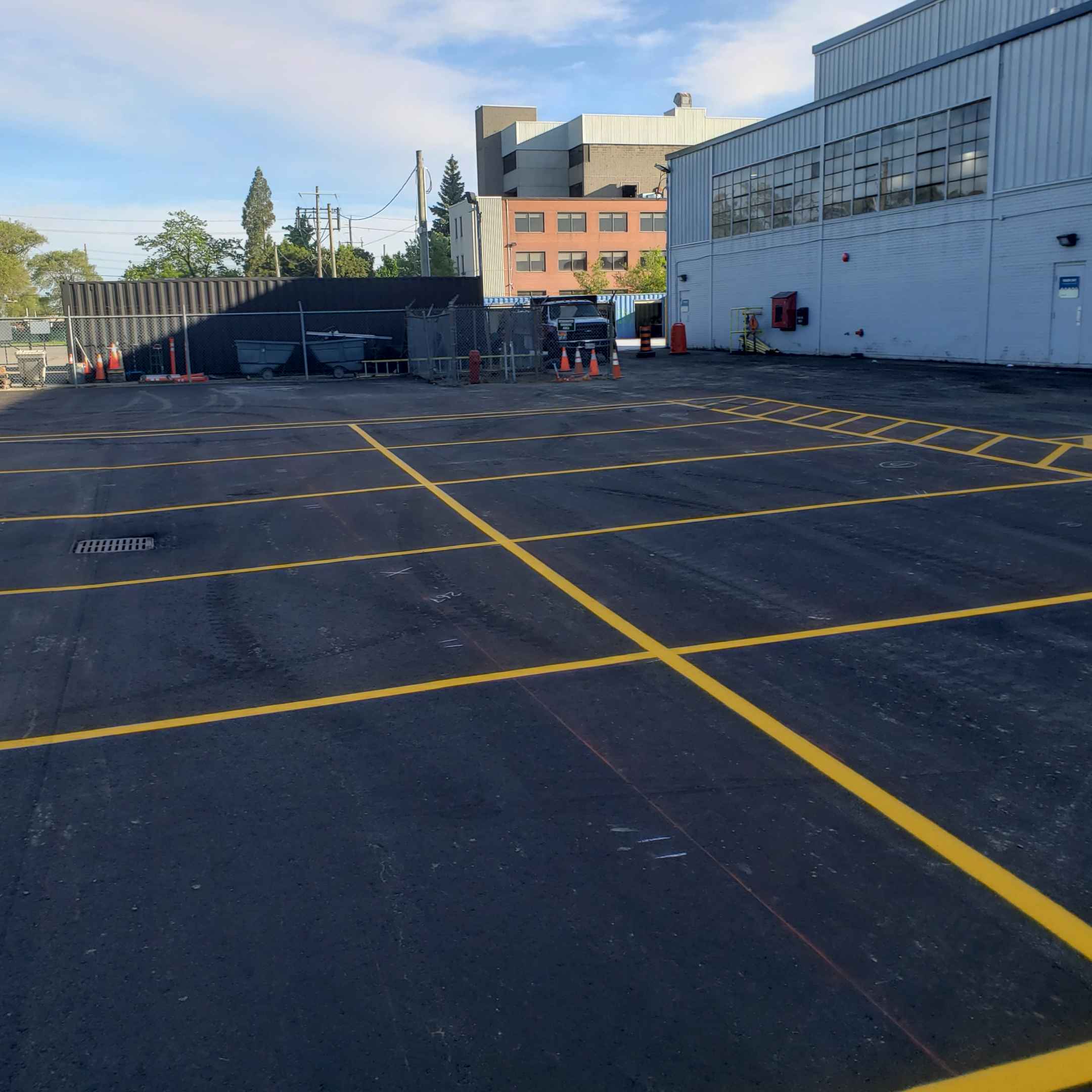
Safety is the primary concern for any facility manager. Thermoplastic can be easily infused with glass beads during the application process. This ensures high retroreflectivity, meaning the markings remain visible to drivers even in low-light conditions or during heavy rain. For properties in Peterborough where winter visibility is a constant concern, this extra layer of safety is invaluable.
Key Benefits of Thermoplastic Marking
- Superior Longevity: Lasts significantly longer than traditional line painting in high-traffic zones.
- High Reflectivity: Enhanced visibility through integrated glass bead technology.
- Chemical Resistance: Highly resistant to oil, gas, and road salt.
- Rapid Curing: Once cooled, the material is immediately ready for traffic, minimizing downtime.
- Textured Surface: Provides better skid resistance for pedestrians and vehicles.
Strategic Implementation for Facility Managers
Implementing a thermoplastic program requires careful planning. It is not a "set it and forget it" solution, but rather a strategic upgrade to your facility's infrastructure. When working with Capital Parking Lot Line Painting, we help managers identify high-wear zones where thermoplastic will provide the highest return on investment.
Where to Use Thermoplastic
Not every marking in your facility requires the heavy-duty nature of thermoplastic. To optimize your maintenance budget, consider a hybrid approach:
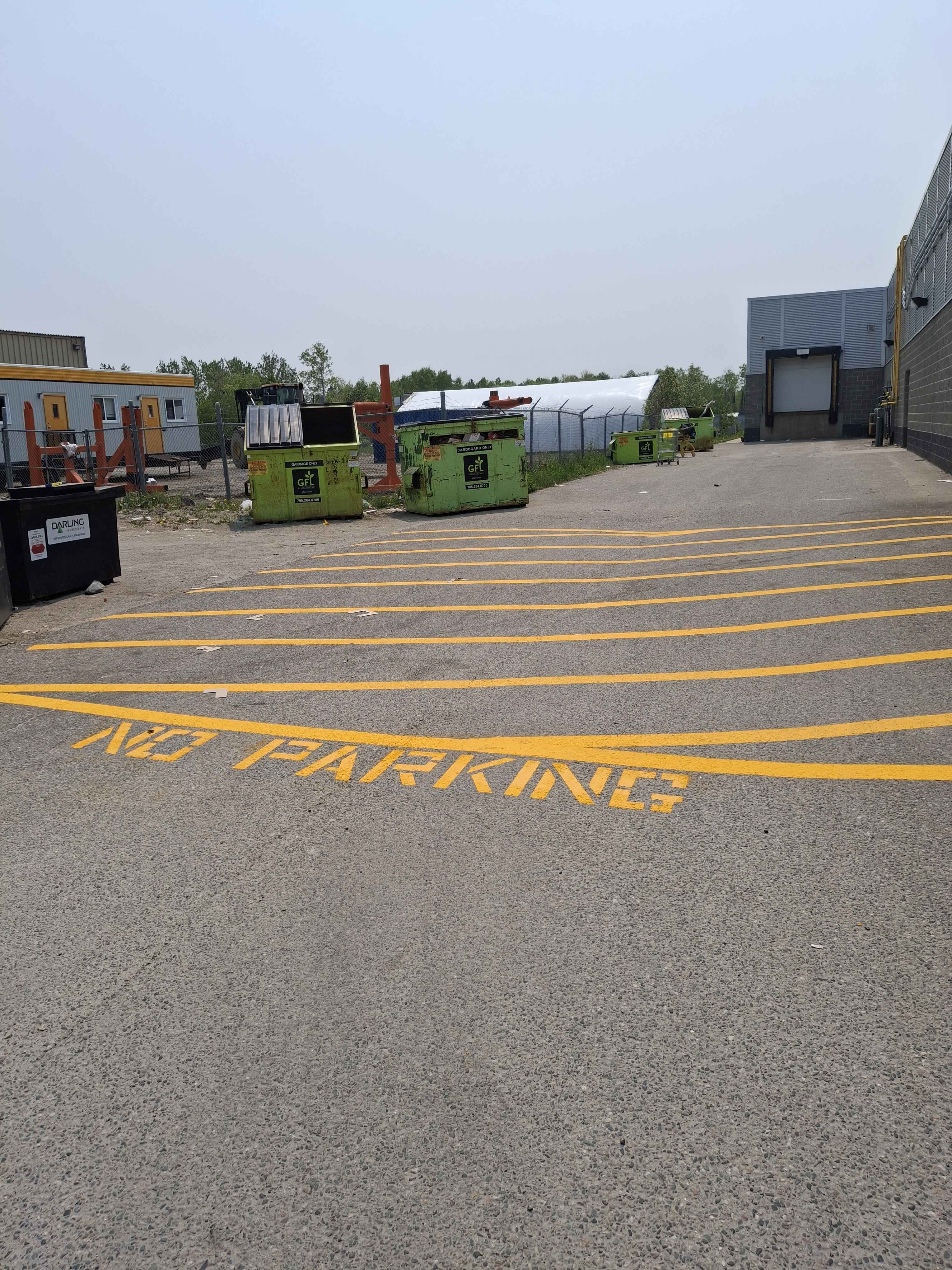
- Use Thermoplastic for: Main thoroughfares, heavy-duty loading docks, pedestrian crosswalks, and high-traffic intersection markings.
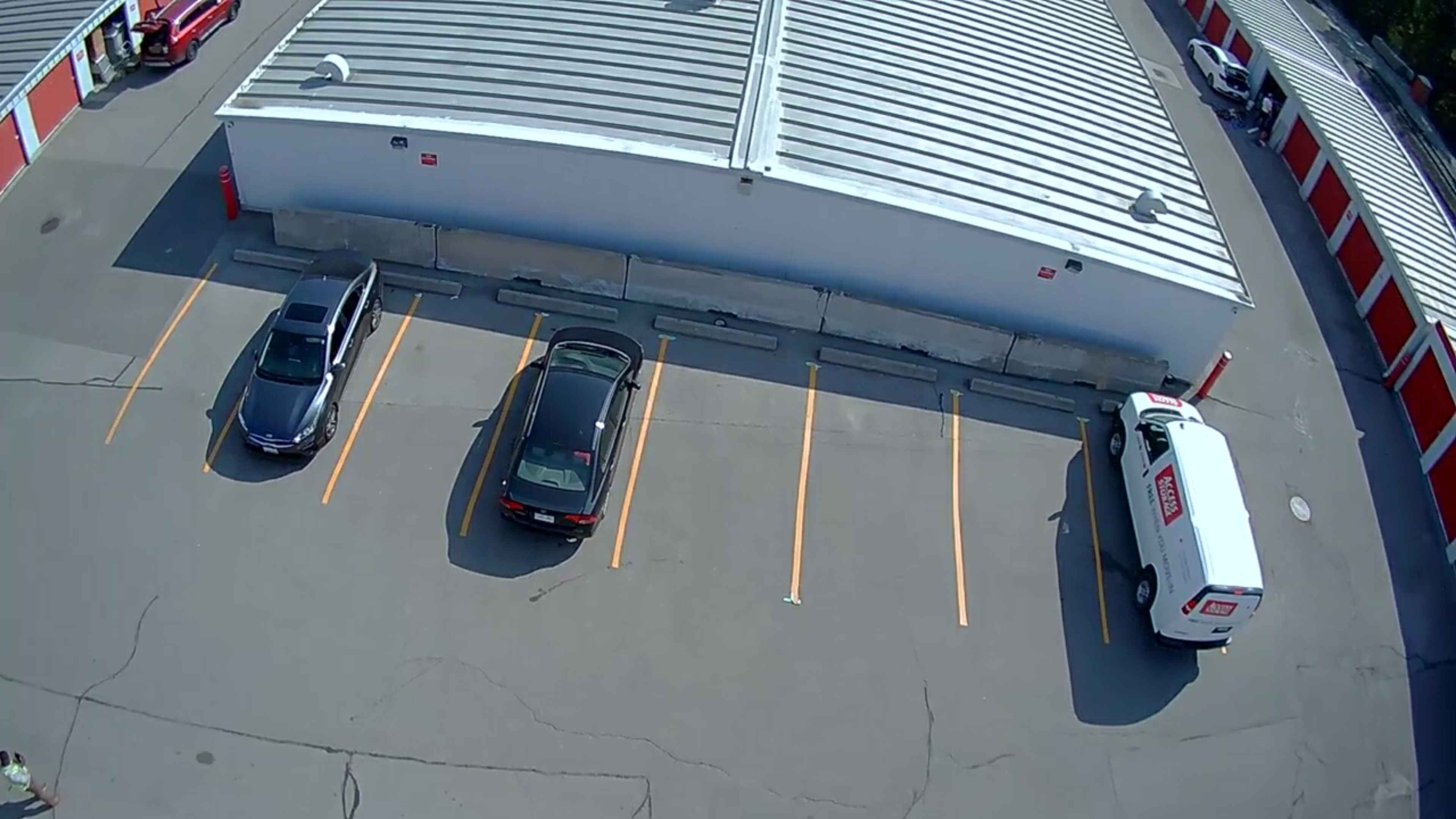
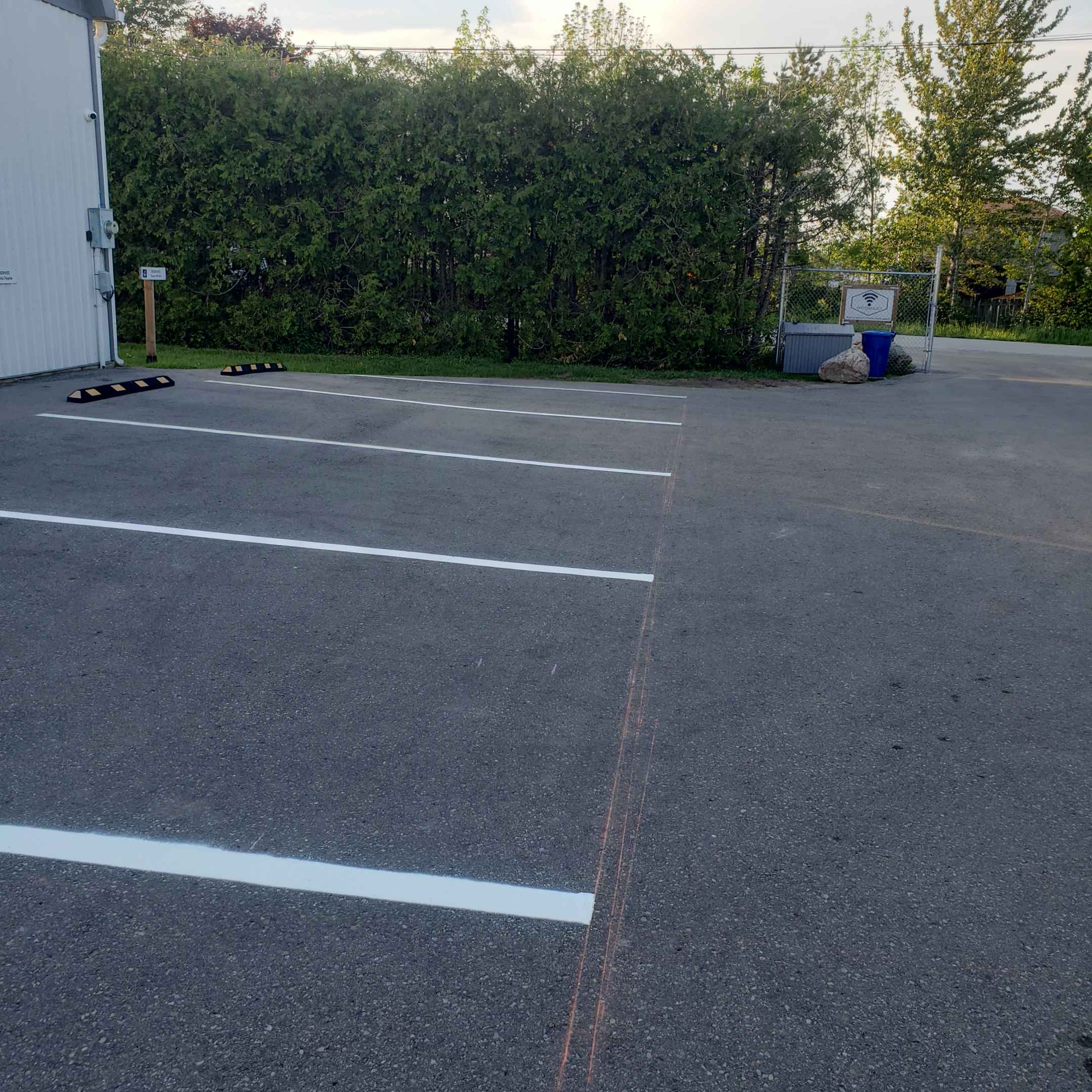
- Use Standard Line Painting for: Low-traffic employee parking stalls or temporary directional markings.
Common Mistakes in Line Marking Management
Even with the best materials, poor execution can lead to premature failure. Facility managers should watch out for these common pitfalls:
Ignoring Surface Prep
Thermoplastic requires a clean, dry surface to bond correctly. Applying it over dirt or moisture will cause immediate lifting.
Poor Timing
Applying markings during improper temperature windows can prevent the material from melting and bonding correctly.
By partnering with professionals like Capital Parking Lot Line Painting, you ensure that the technical requirements of the application are met with precision, protecting your investment for years to come.
Ready to Upgrade Your Facility?
Don't wait for your markings to fade and create safety hazards. Contact the experts to discuss a long-term line marking strategy tailored to your property's specific needs.