Is Your Parking Lot Ready for Sealcoating? A Quick Checklist
A well-maintained parking lot is more than just a place to park; it is the first impression your business makes on every customer who visits your property.
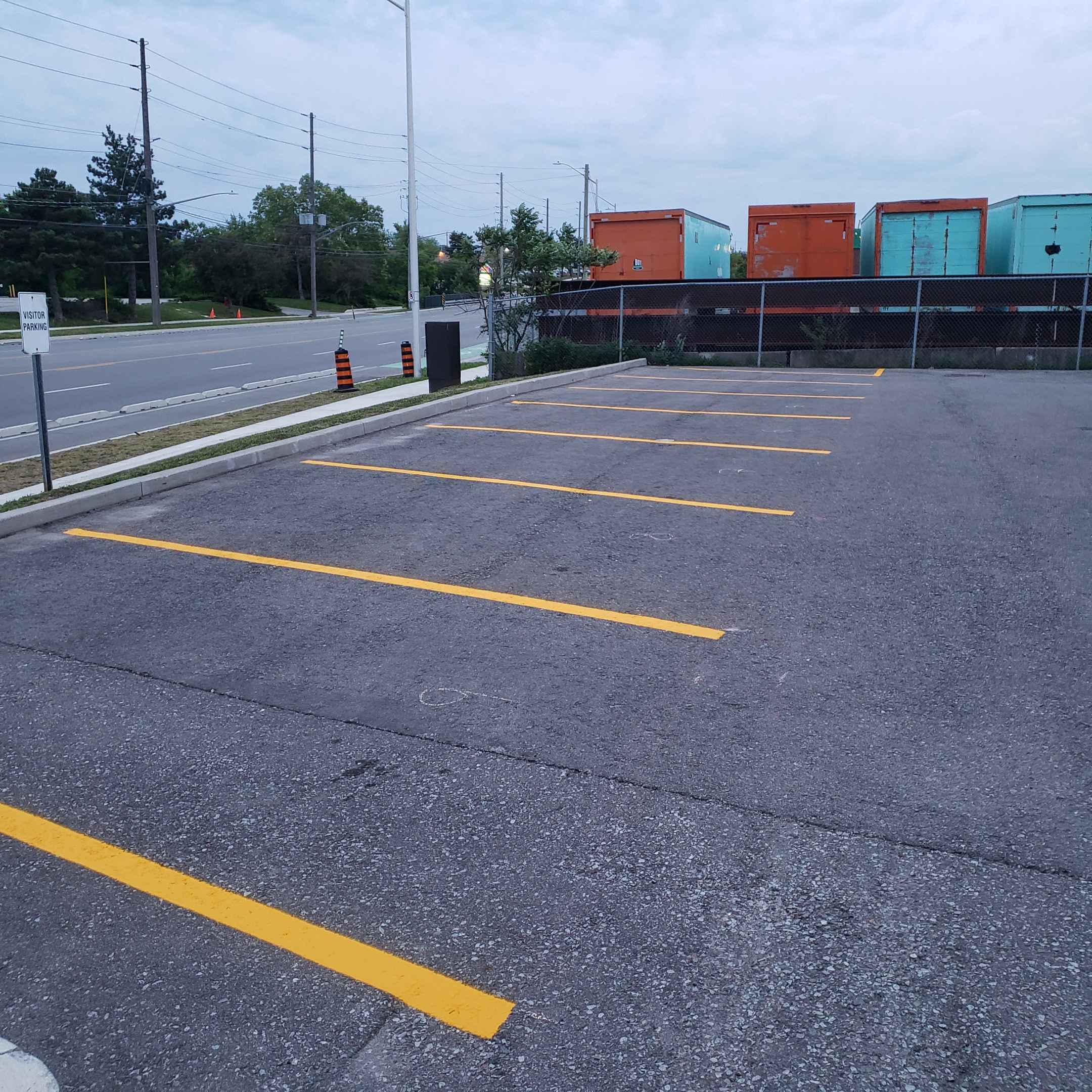
Asphalt is a resilient material, but it is not invincible. Between the harsh Canadian winters and the constant weight of vehicles, your pavement undergoes significant stress every single day. For property owners in Oakville, staying ahead of asphalt deterioration is the key to avoiding massive reconstruction costs down the road.
Sealcoating acts as a protective barrier, shielding your asphalt from UV rays, water penetration, and chemical spills. However, applying sealer to a poorly prepared surface is a waste of resources. To ensure you get the best results, Capital Parking Lot Line Painting recommends performing a thorough assessment before calling in the professionals.
Why Sealcoating Matters
Before diving into the checklist, it is important to understand the "why." Sealcoating serves several vital functions that extend the lifecycle of your investment:
- UV Protection: Sunlight oxidizes asphalt, causing it to turn gray and become brittle.
- Waterproofing: It prevents water from seeping into the sub-base, which can lead to potholes during freeze-thaw cycles.
- Chemical Resistance: It protects against oil, gas, and salt damage.
- Aesthetic Appeal: A fresh, dark coat instantly revitalizes the look of your property.
The Ultimate Sealcoating Readiness Checklist
Run through these points to determine if your lot is prepared for a professional application. If you check most of these boxes, you are likely in the perfect window for maintenance.
1. Inspect for Structural Integrity
Sealcoating is a maintenance procedure, not a repair procedure. It is meant to protect existing asphalt, not fix broken ones. Check for:
- Deep Cracks: If you see cracks wider than a quarter-inch, they likely need professional crack filling before the sealer can be applied.
- Potholes: Large holes must be patched and cured before any sealcoating begins.
- Alligator Cracking: If the surface looks like reptile skin, the base may be failing, and sealcoating alone won't solve the issue.
2. Assess Surface Cleanliness
For the sealer to bond correctly, the surface must be pristine. Capital Parking Lot Line Painting experts look for a surface free of:
- Heavy oil or grease stains.
- Accumulated dirt, sand, or organic debris.
- Existing loose gravel or vegetation growing through cracks.
3. Evaluate the Need for Line Marking
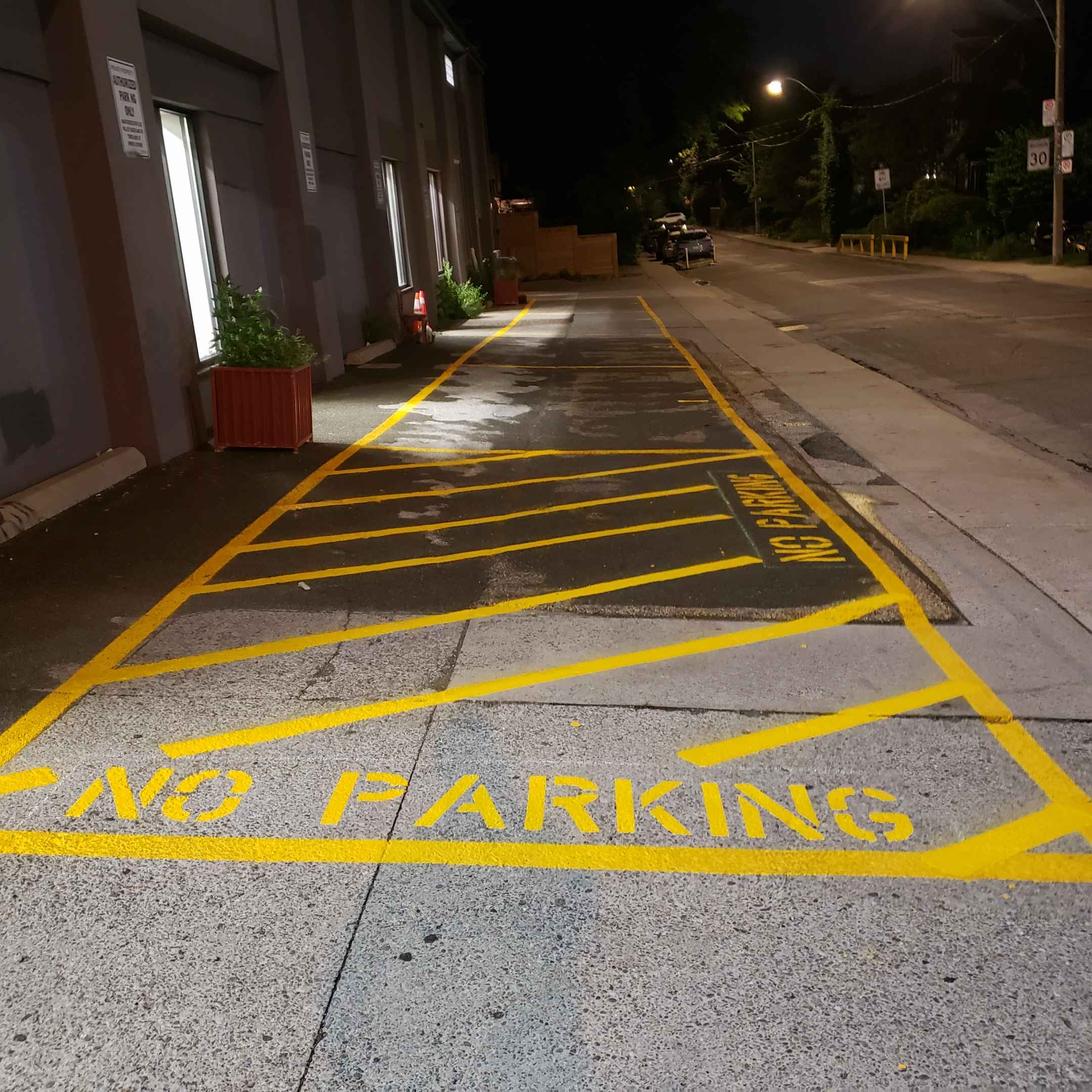
A common mistake is sealcoating first and then realizing your lines are faded. We highly recommend coordinating your sealcoating with fresh line marking. Once the sealer is applied, the crisp, bright lines of a new line painting job will pop, providing maximum visibility and safety for your drivers.
Don't Wait for the Damage to Become Permanent
Proactive maintenance is always more efficient than reactive repair. By scheduling your sealcoating in Oakville during the optimal weather windows, you ensure your pavement remains smooth and functional for years to come.
Common Mistakes to Avoid
When preparing for maintenance, avoid these frequent pitfalls:
- Applying sealer too late: Waiting until the asphalt is crumbling will result in much higher repair costs.
- Ignoring the weather: Sealcoating requires specific temperature and humidity conditions to cure properly.
- DIY attempts on large lots: Commercial-grade sealants are different from residential products. For professional results, trust Capital Parking Lot Line Painting.
Conclusion
Is your parking lot ready? If your asphalt is structurally sound but showing signs of aging, the answer is likely yes. Taking the time to assess your surface now will save you significant headaches in the future. Whether you need a fresh coat of protection or professional line painting to improve traffic flow, getting it done right the first time is essential.