Pavement Marking for Mixed-Use Parking Lots: What You Need to Know
As urban landscapes evolve, the demand for multi-functional spaces continues to grow. Mixed-use parking lots—serving retail, residential, and office tenants simultaneously—present unique logistical challenges that require more than just basic paint on asphalt.
The Complexity of Mixed-Use Environments
In a standard single-use lot, the rules are simple. However, in a mixed-use facility, you are managing a delicate ecosystem of different users. You might have a delivery truck needing access at 5:00 AM, a resident returning home at 8:00 PM, and a retail customer arriving during a lunch rush. Without clear, high-visibility line marking, these different user groups can quickly lead to congestion, confusion, and accidents.
For property managers in growing hubs like St. Catharines, managing these transitions is vital for maintaining property value and tenant satisfaction. Effective pavement marking acts as the silent conductor of your parking lot, directing traffic flow and ensuring every user knows exactly where they belong.
Key Elements of Effective Line Marking
To manage a mixed-use lot successfully, your line painting strategy must be multi-layered. It is not just about marking parking stalls; it is about creating a comprehensive navigational system.
1. Zoning and Separation
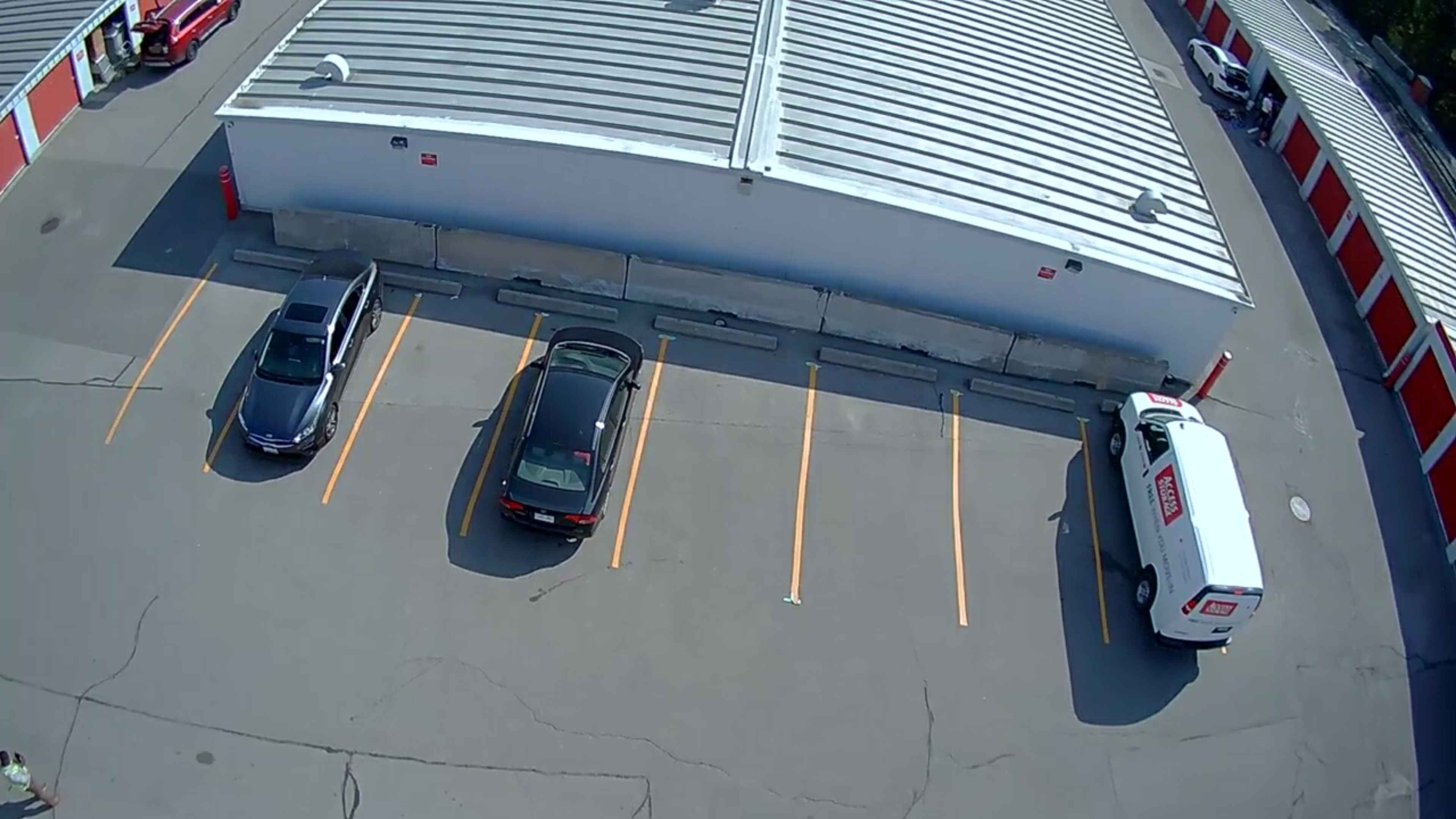
One of the most critical aspects is clearly demarcating zones. Residential parking should be visually distinct from short-term retail parking. This is often achieved through different colors or specific symbols within the stall. Capital Parking Lot Line Painting specializes in creating these distinct boundaries to prevent unauthorized parking and reduce tenant disputes.
2. Pedestrian Safety Corridors
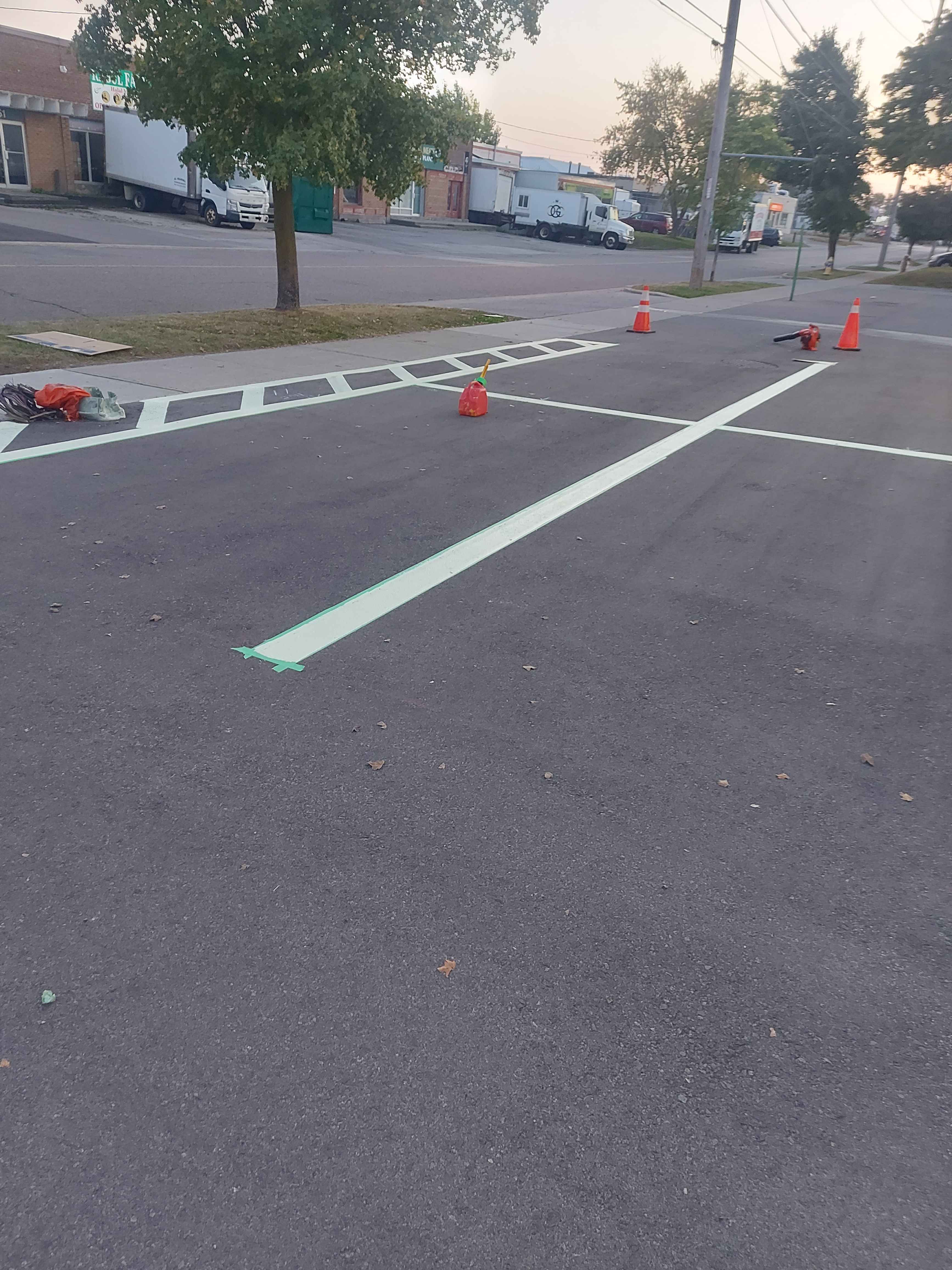
In mixed-use developments, pedestrians are often walking from their cars to nearby shops or residential entrances. Crosswalks and pedestrian walkways must be bold and unmistakable. Using high-contrast line marking ensures that drivers remain vigilant in high-foot-traffic areas.
3. Directional Flow and Signage
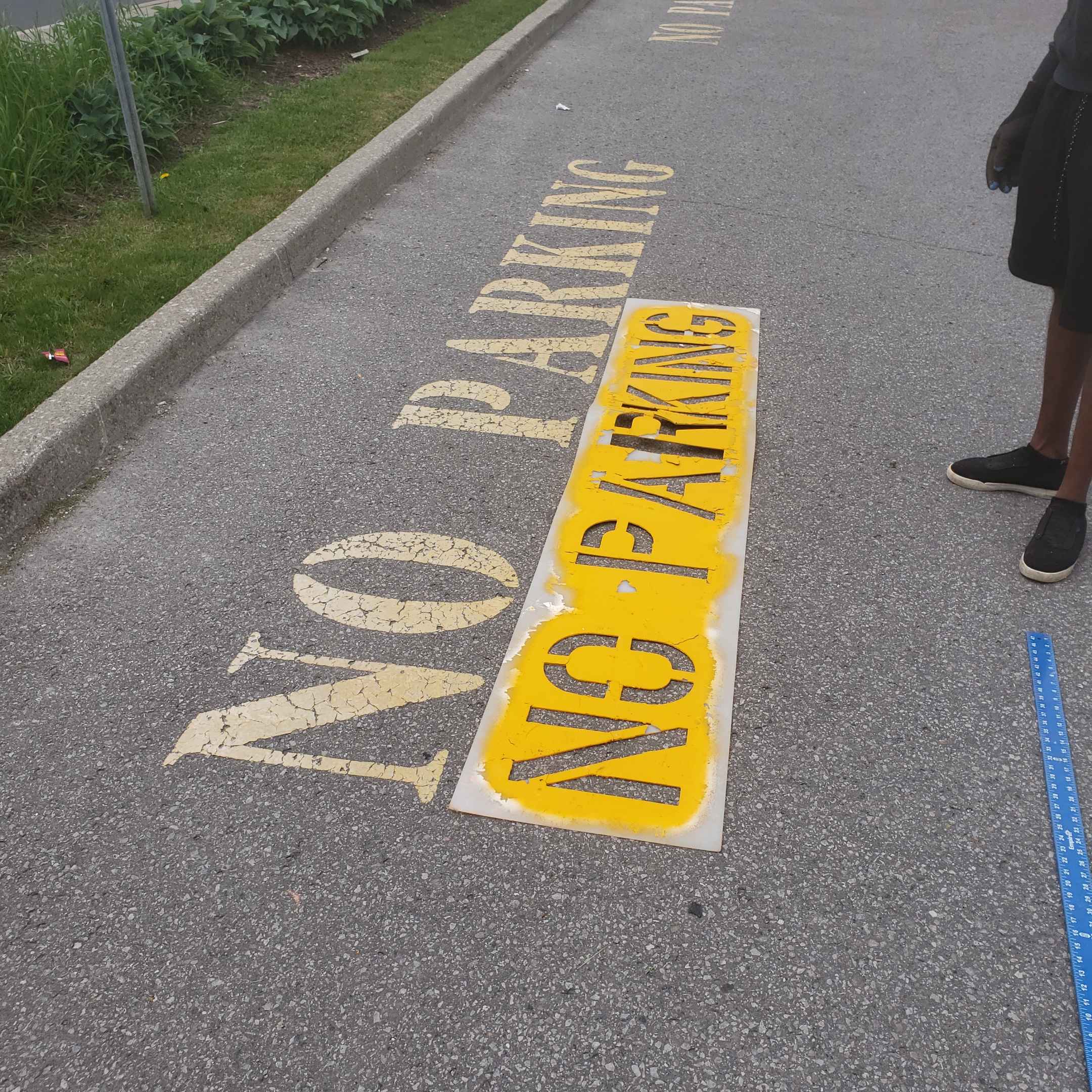
Arrows and directional markings are essential to prevent head-on conflicts in narrow lanes. In a bustling city like St. Catharines, where traffic density can fluctuate, ensuring a one-way flow where possible can significantly reduce the risk of collisions.
Benefits of Professional Line Marking
- Enhanced Safety: Minimizes accidents between vehicles and pedestrians.
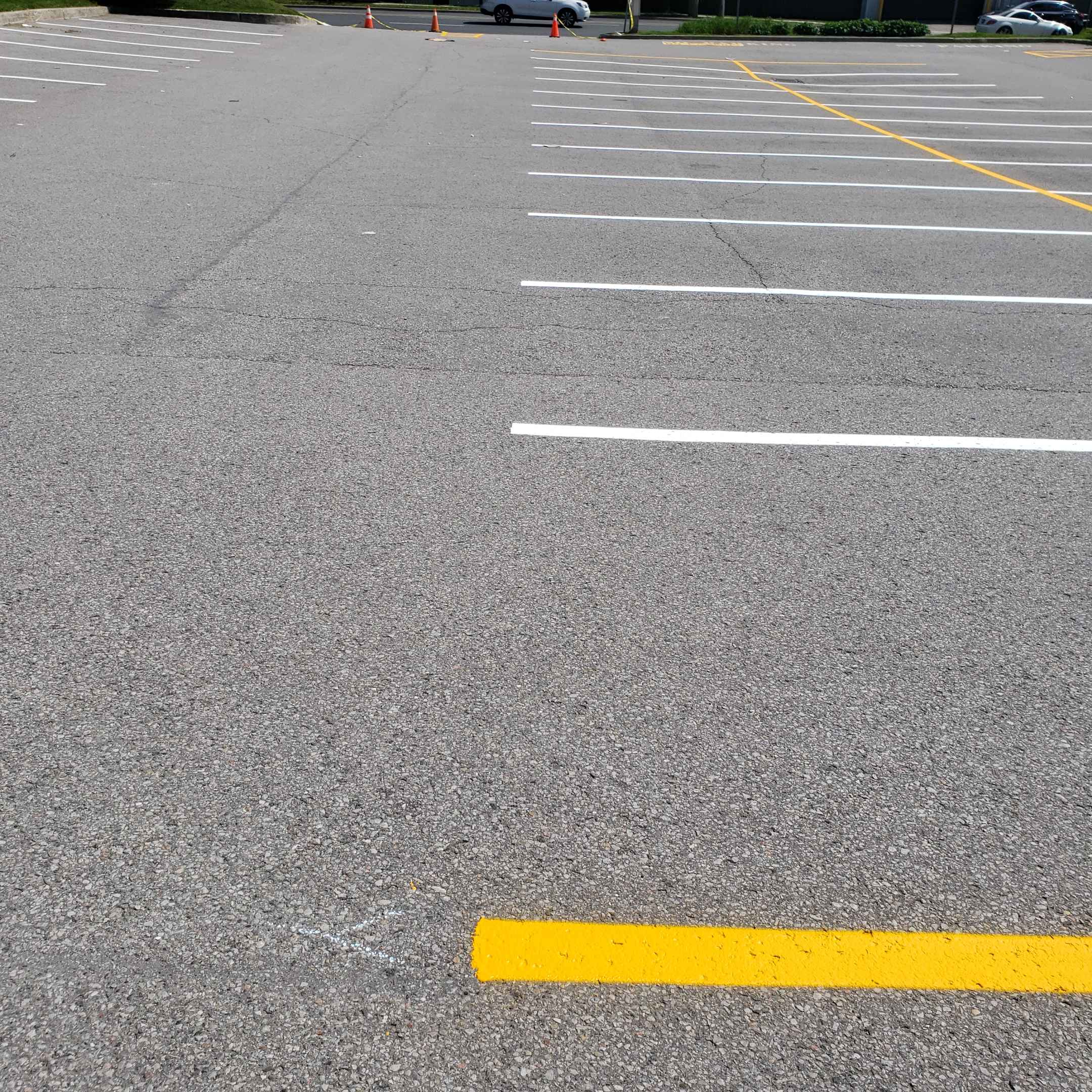
- Optimized Capacity: Precise markings ensure you are utilizing every available square inch of your lot.
- Improved Curb Appeal: Fresh, crisp line painting makes your entire property look well-maintained.
- Reduced Liability: Clearly marked rules and zones protect property owners from legal disputes.
Common Mistakes to Avoid
Many property owners attempt to save time by neglecting their pavement markings, but this often leads to greater issues down the road. When planning your next maintenance cycle, keep these common errors in mind:
- Inconsistent Markings: Using different styles or faded lines in different sections of the lot creates confusion.
- Ignoring ADA Compliance: Accessible parking stalls must be marked according to strict regulations to ensure inclusivity and legal compliance.
- Poor Material Choice: Not all paint is created equal. Using low-quality materials that wear away quickly will result in frequent, costly re-application.
When you partner with Capital Parking Lot Line Painting, you ensure that these mistakes are avoided through professional assessment and high-quality application techniques.
Choosing the Right Partner
A mixed-use lot is a complex asset. You need a service provider that understands the nuances of multi-tenant traffic patterns. Capital Parking Lot Line Painting brings years of expertise to every project, ensuring that your line marking is not just visible, but strategically designed for your specific needs.
Ready to Upgrade Your Parking Experience?
Don't let faded lines and confusing layouts compromise your property's safety and efficiency. Invest in professional line marking that stands the test of time and traffic.