Pavement Marking for Mixed-Use Parking Lots: What You Need to Know
Managing a parking facility that serves multiple purposes—such as residential, retail, and office spaces—presents a unique set of logistical challenges that require strategic visual communication.
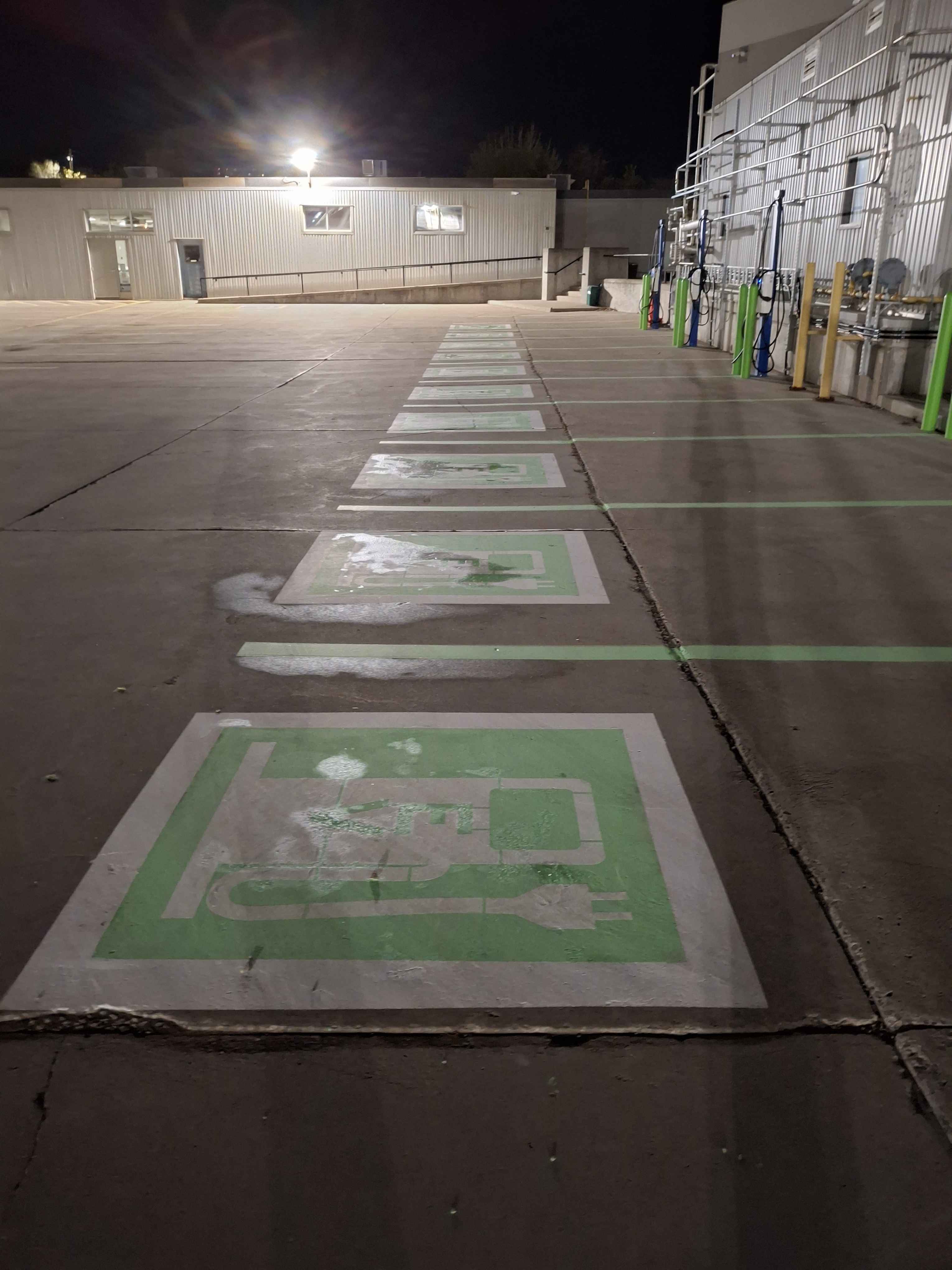
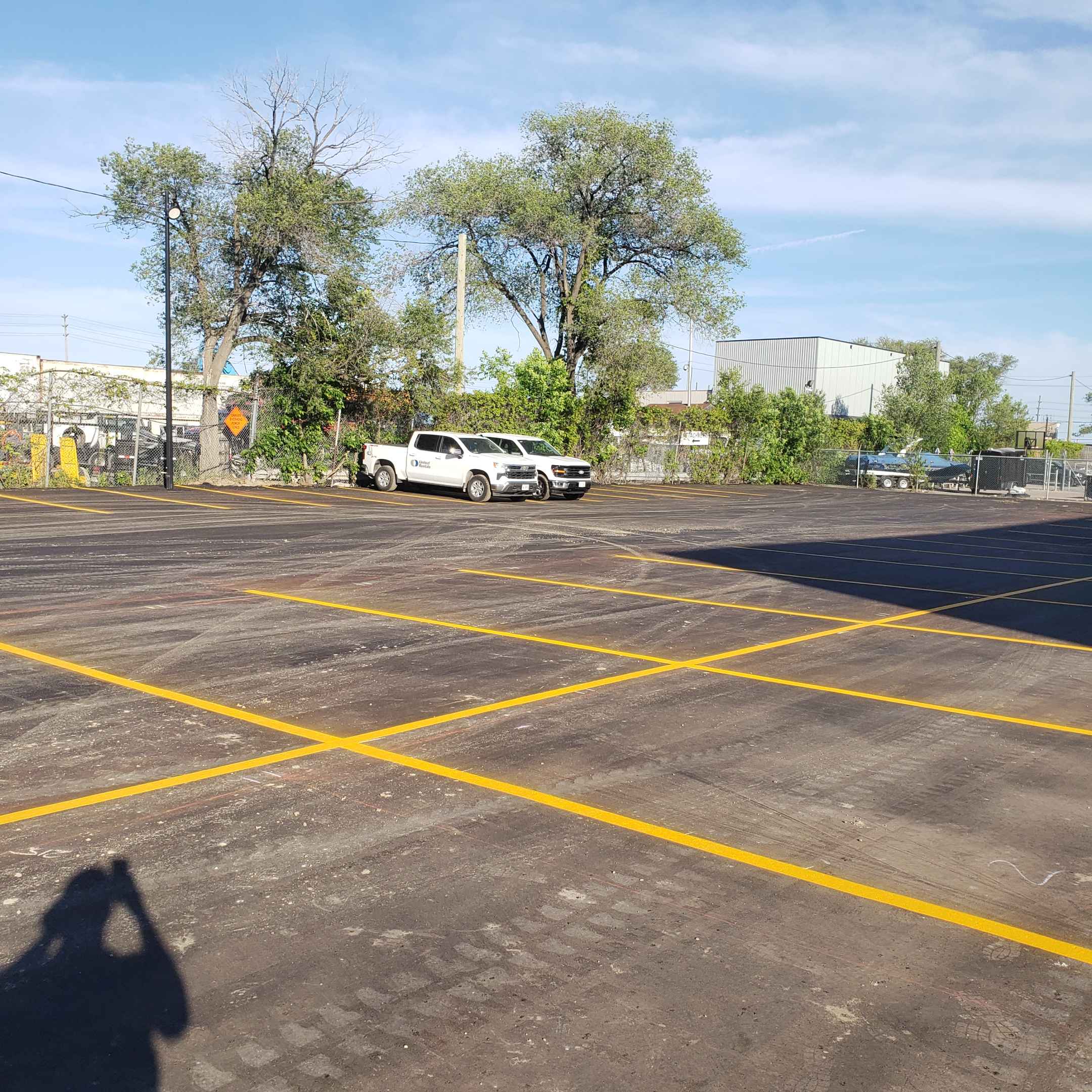
In modern urban development, the "mixed-use" model is becoming the standard. Whether it is a complex in Whitby or a bustling downtown hub, these parking areas must accommodate a diverse demographic: delivery trucks, hurried commuters, residents seeking long-term spots, and shoppers looking for quick access. Without clear and professional line marking, these environments quickly descend into chaos.
At Capital Parking Lot Line Painting, we understand that a parking lot is more than just asphalt; it is a critical component of your property's infrastructure and safety profile. Effective pavement marking acts as the silent conductor of your lot, directing traffic and preventing conflict before it happens.
The Complexity of Mixed-Use Environments
Unlike a single-use lot, such as a private warehouse, mixed-use lots require highly segmented zones. You aren't just marking stalls; you are managing different types of movement and different levels of urgency. If the markings are faded or confusing, you risk accidents involving pedestrians, vehicles, and even cyclists.
High-quality line painting ensures that each user knows exactly where they belong. For instance, a resident needs to know which area is reserved for long-term parking, while a retail customer needs to identify the high-turnover zones. This distinction is vital for maintaining the operational efficiency of the property.
Key Elements of Effective Line Marking
To create a safe and functional space, several specific marking elements must be implemented with precision. Capital Parking Lot Line Painting focuses on these core components to ensure long-lasting results:
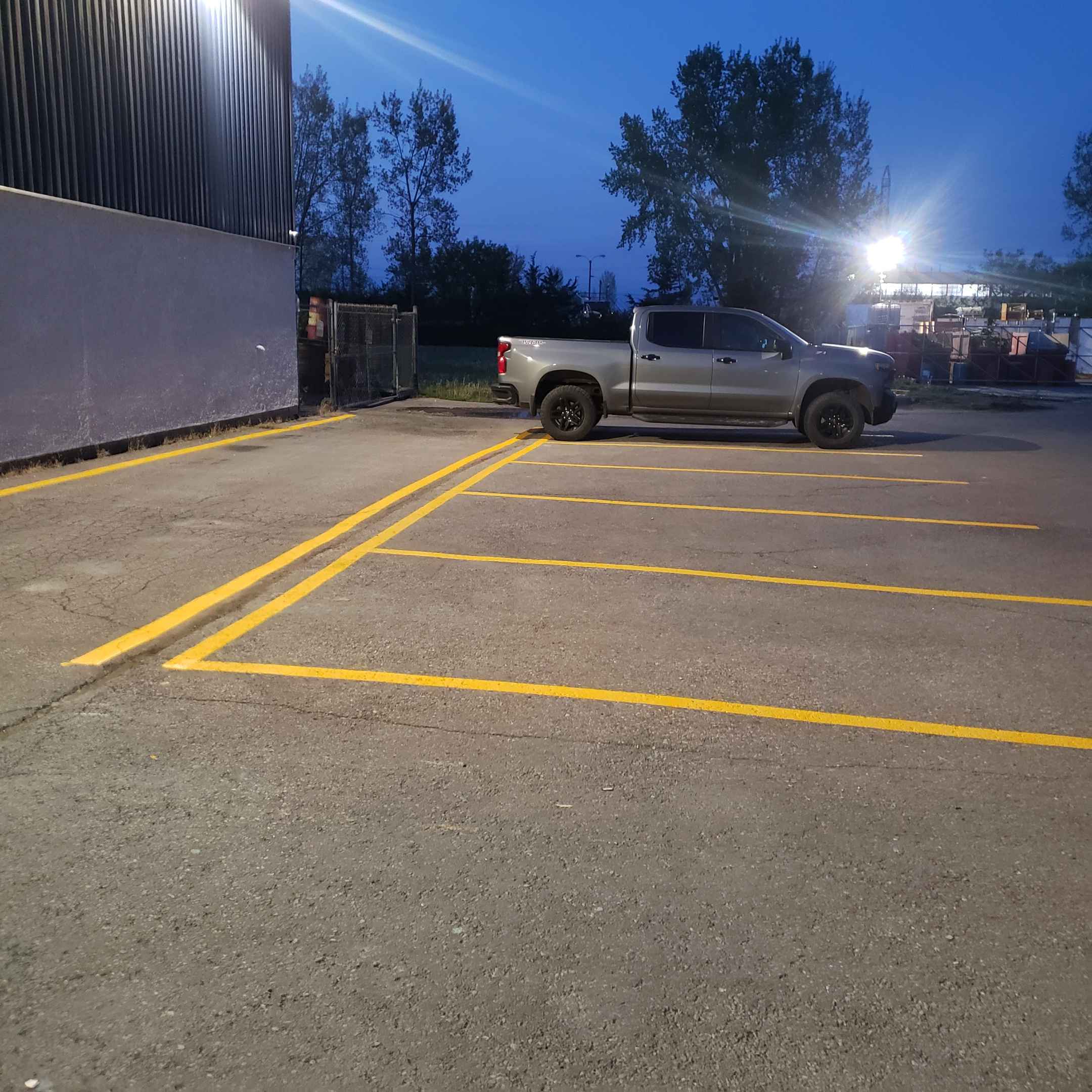
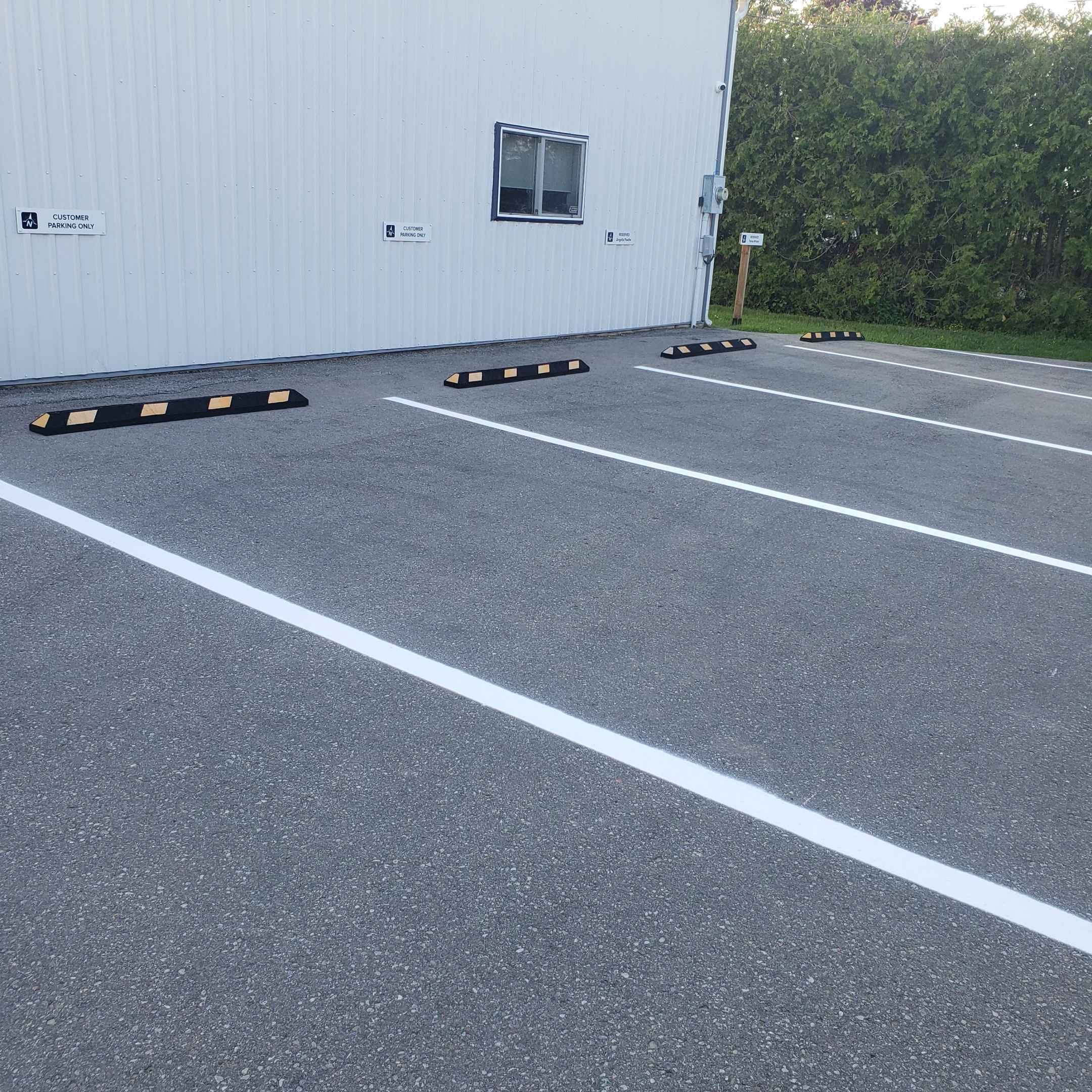
- Stall Definition: Clearly delineated spaces for standard vehicles, compact cars, and accessible (ADA) parking.
- Directional Arrows: Essential for guiding one-way traffic flows and preventing head-on collisions.
- Pedestrian Walkways: High-visibility markings that create safe paths for people moving between buildings and vehicles.
- Loading Zones: Specific markings for delivery vehicles to prevent them from blocking customer access.
- No-Parking Zones: Using cross-hatching to indicate fire lanes, curb ramps, or high-traffic intersections.
Common Mistakes in Parking Lot Maintenance
Property managers often overlook the importance of regular upkeep, leading to several common issues that can compromise safety and aesthetics:
1. Inconsistent Markings
Using different colors or widths for the same type of zone can confuse drivers and lead to illegal parking or traffic congestion.
Over time, weather and tire friction wear down the paint. Faded lines are often ignored by drivers, leading to chaotic parking patterns.
Attempting to squeeze too many stalls into a space without considering turning radii can create dangerous bottlenecks.
Focusing solely on vehicle stalls while forgetting pedestrian safety markings is a major liability risk.
Why Professional Line Marking Matters
When you invest in professional services from Capital Parking Lot Line Painting, you are doing more than just making the lot look better. You are investing in liability reduction and user satisfaction. In a growing city like Whitby, where commercial density is increasing, having a well-organized lot sets your property apart from competitors.
Professional line marking utilizes high-durability materials designed to withstand the heavy traffic and harsh weather conditions typical of Ontario. This ensures that your investment lasts longer and requires less frequent maintenance.
Ready to Upgrade Your Parking Experience?
Don't wait for an accident to happen before you address your parking lot's visibility. Clear, crisp, and professional line marking is the key to a functional mixed-use facility.