The Role of Pavement Marking in Traffic Conflict Reduction
Understanding how high-visibility line marking serves as a silent guardian for road safety and traffic flow management.
When we think about road safety, our minds often jump to traffic lights, stop signs, or speed bumps. However, one of the most critical components of a safe transportation network is often overlooked: the markings on the ground. Pavement marking is not merely an aesthetic choice for property managers or municipal engineers; it is a fundamental psychological and physical tool used to direct human behavior and prevent collisions.
In growing urban hubs like Greater Sudbury, where traffic patterns are constantly evolving, the precision of line marking becomes a matter of public safety. As vehicle density increases, the clarity of lane dividers, pedestrian crossings, and directional arrows determines how effectively drivers can navigate complex intersections without conflict.
The Psychology of Visual Guidance
Driving is a high-speed cognitive task. To manage this, the human brain relies on environmental cues to make split-second decisions. High-quality line marking provides these cues by creating a structured visual environment. When markings are faded or poorly applied, the driver's cognitive load increases, leading to hesitation, lane drifting, and increased reaction times.
By utilizing professional services like Capital Parking Lot Line Painting, property owners ensure that these visual cues remain sharp and unmistakable. Clear markings reduce the "uncertainty factor" in driving, which is a primary driver of traffic conflicts.
Key Functions of Effective Line Marking
Pavement markings serve several distinct roles in reducing conflict. These roles can be categorized into guidance, warning, and regulation.
1. Guidance and Lane Discipline
Solid and dashed lines dictate where a vehicle belongs. Proper lane marking prevents side-swipe collisions by clearly defining the boundaries of a vehicle's path, especially in high-traffic areas of Greater Sudbury.
2. Pedestrian Protection
Crosswalk markings are perhaps the most vital form of line marking. They create a designated "safe zone" for pedestrians, signaling to motorists that they must yield, thereby reducing the risk of pedestrian-vehicle strikes.
Reducing Conflict Points in Parking Facilities
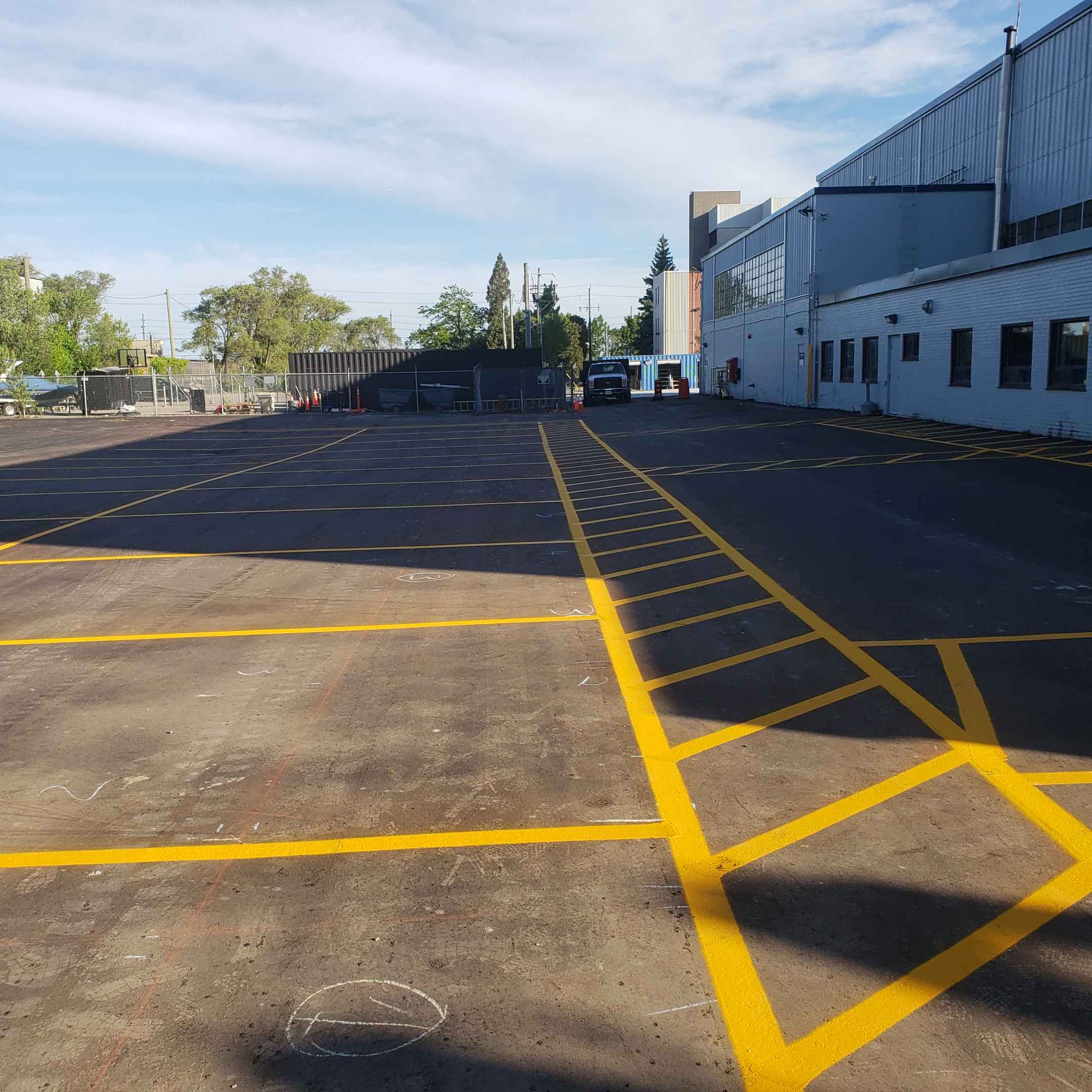
Traffic conflict isn't limited to highways; it is equally prevalent in commercial parking lots. In these confined spaces, the risk of collisions between moving vehicles and pedestrians is significantly higher. This is where Capital Parking Lot Line Painting plays a crucial role in risk mitigation.
Effective line marking in a parking environment provides the following benefits:
- Organized Traffic Flow: Clearly marked one-way aisles prevent head-on conflicts in narrow lanes.
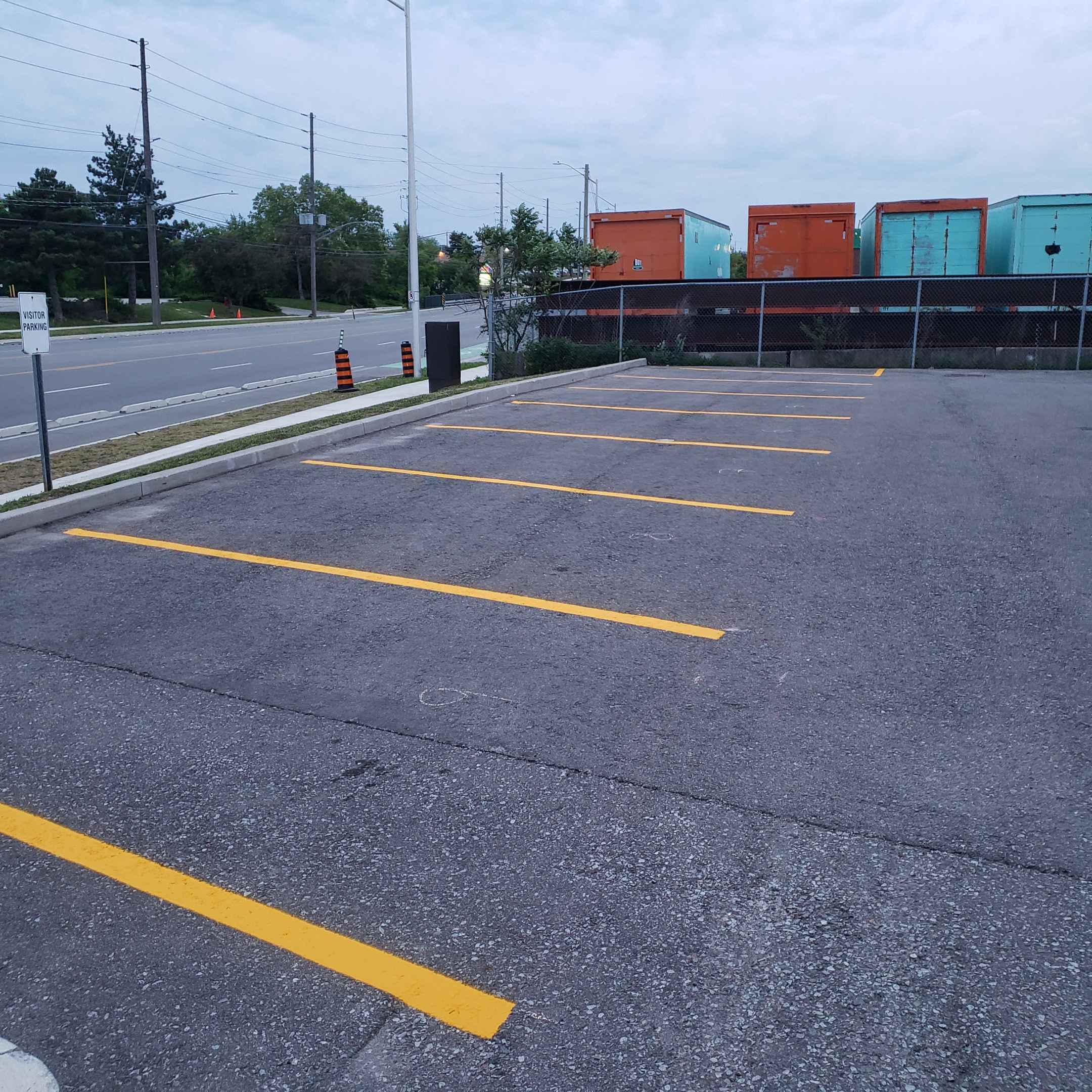
- Defined Parking Stalls: Prevents "encroachment," where one vehicle occupies two spaces, causing confusion for subsequent drivers.
- Pedestrian Walkways: Dedicated paths through parking lots keep foot traffic separate from vehicle paths.
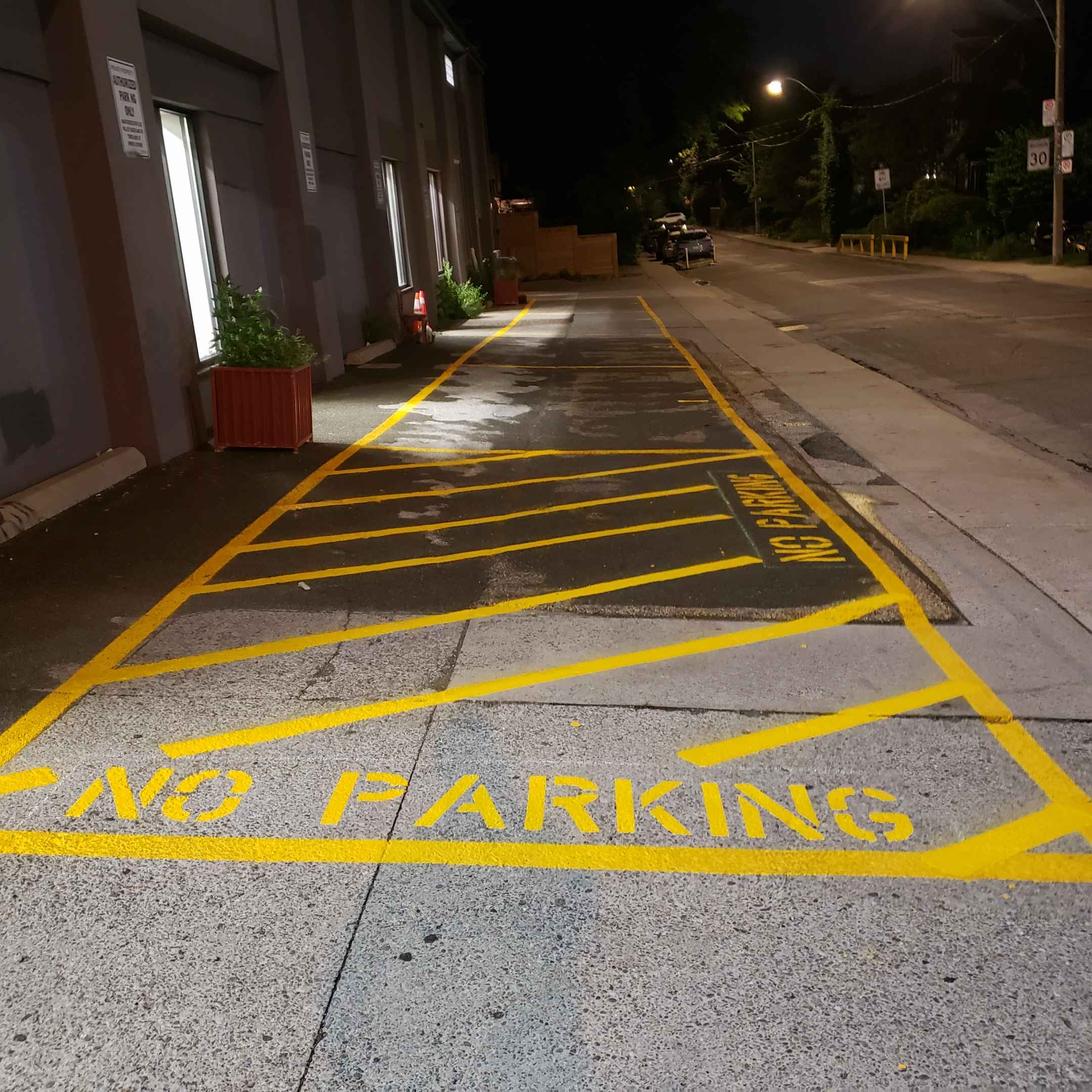
- Loading Zone Delineation: Keeps delivery vehicles in specific areas, preventing them from obstructing general traffic flow.
Common Mistakes in Pavement Maintenance
Neglecting the upkeep of line marking can lead to a rapid decline in safety standards. Many organizations wait until markings are completely invisible before taking action, which is a dangerous oversight. To maintain a safe environment, consider avoiding these common mistakes:
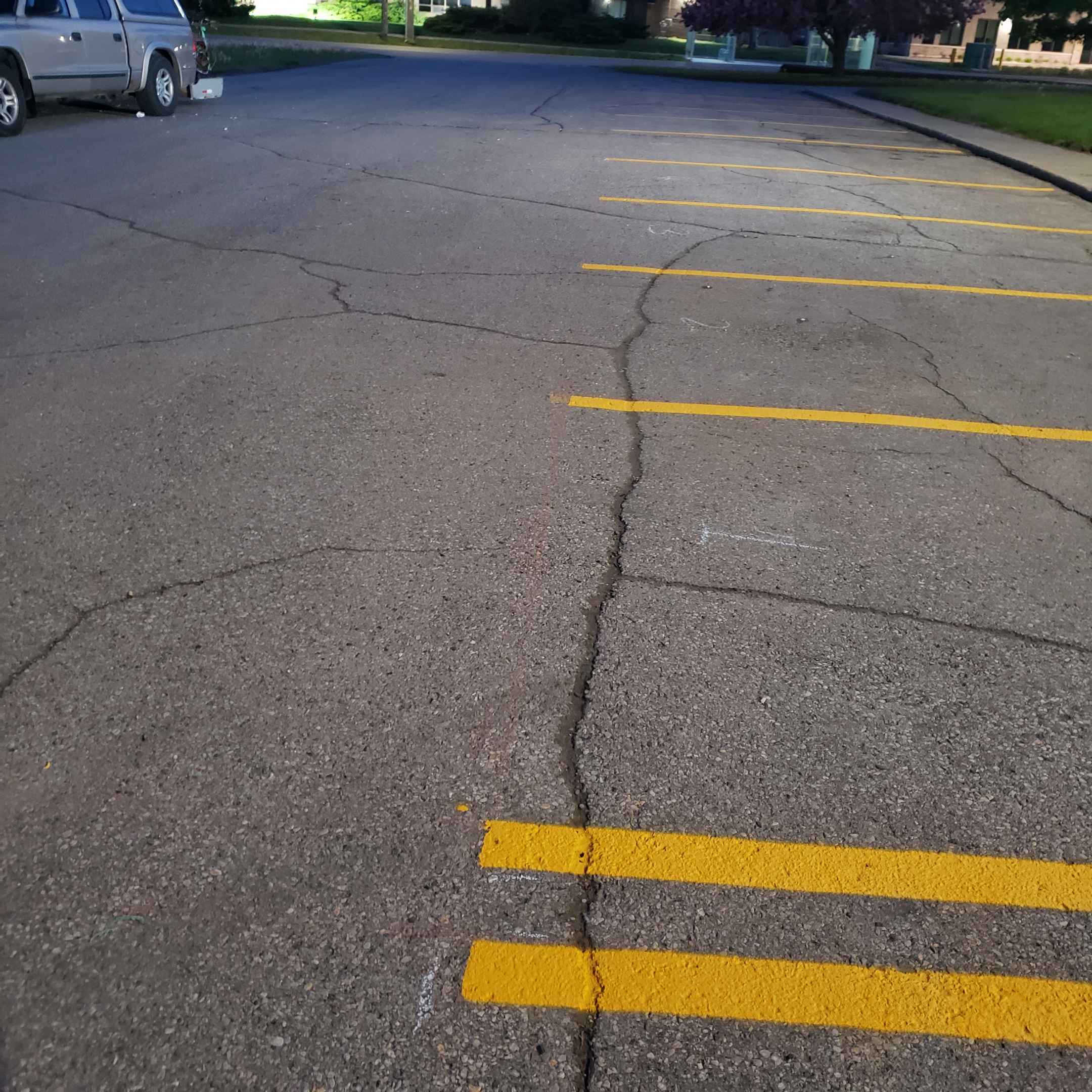
- Delayed Repainting: Allowing lines to fade until they are no longer reflective at night.
- Poor Material Choice: Using low-quality paint that peels under heavy weather or high-traffic loads.
- Inaccurate Layouts: Failing to follow precise engineering specifications, leading to narrow or confusing lanes.
- Ignoring Reflectivity: Neglecting the use of glass beads or reflective additives that are essential for low-light visibility.
Partnering with experts like Capital Parking Lot Line Painting ensures that these mistakes are avoided through the use of industry-standard materials and precision application techniques.
Conclusion: An Investment in Safety
Ultimately, pavement marking is an investment in the safety and efficiency of our infrastructure. Whether it is a major thoroughfare or a private commercial lot, the clarity of the lines on the ground dictates the safety of the people using them. By prioritizing high-quality line marking, we can significantly reduce traffic conflicts and create a more predictable, safer environment for everyone.
Quick Look: Visual Impact
High-quality line marking provides the necessary contrast and visibility required to guide drivers safely through complex environments, reducing the likelihood of accidents and improving overall traffic flow.