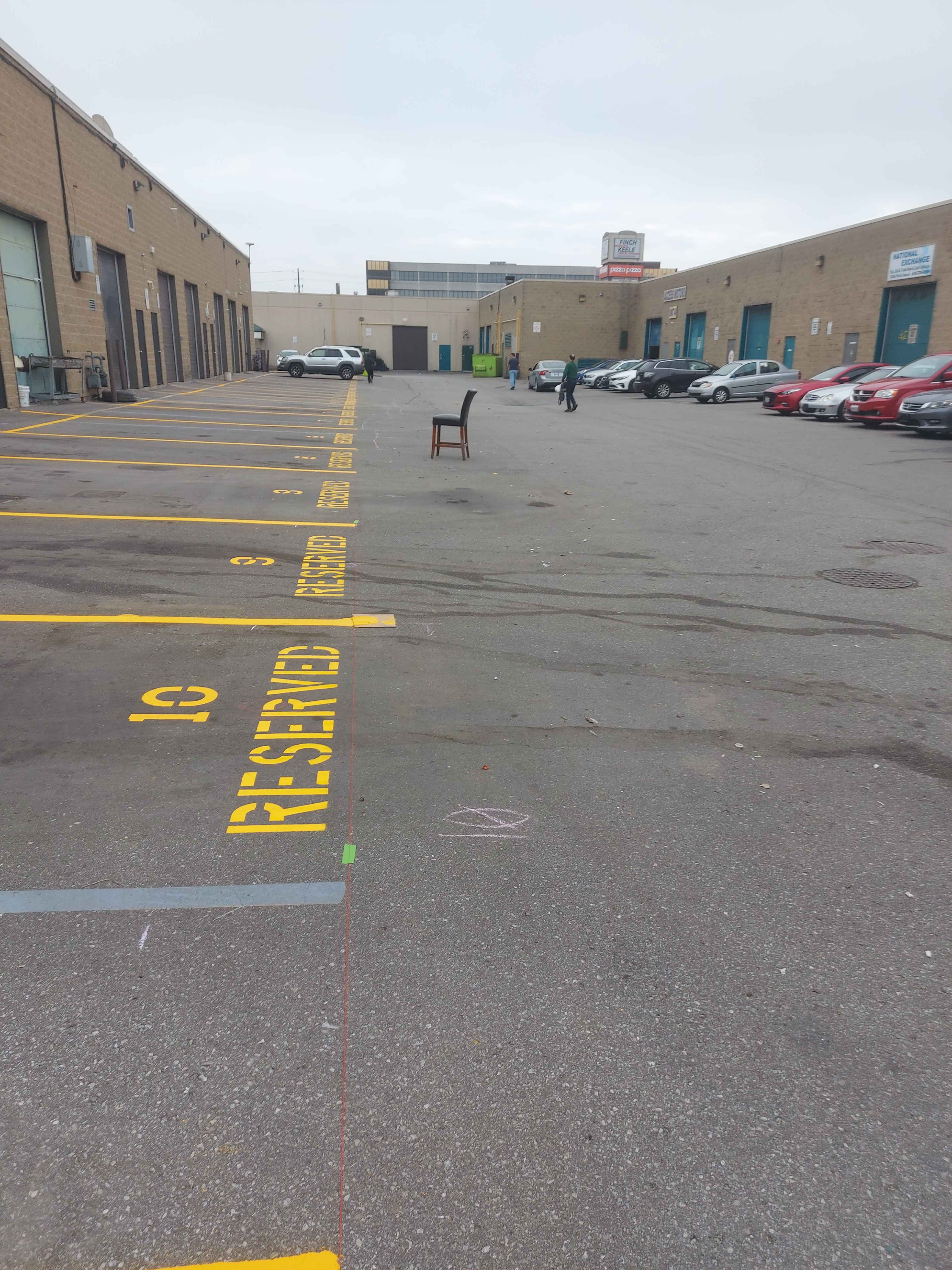
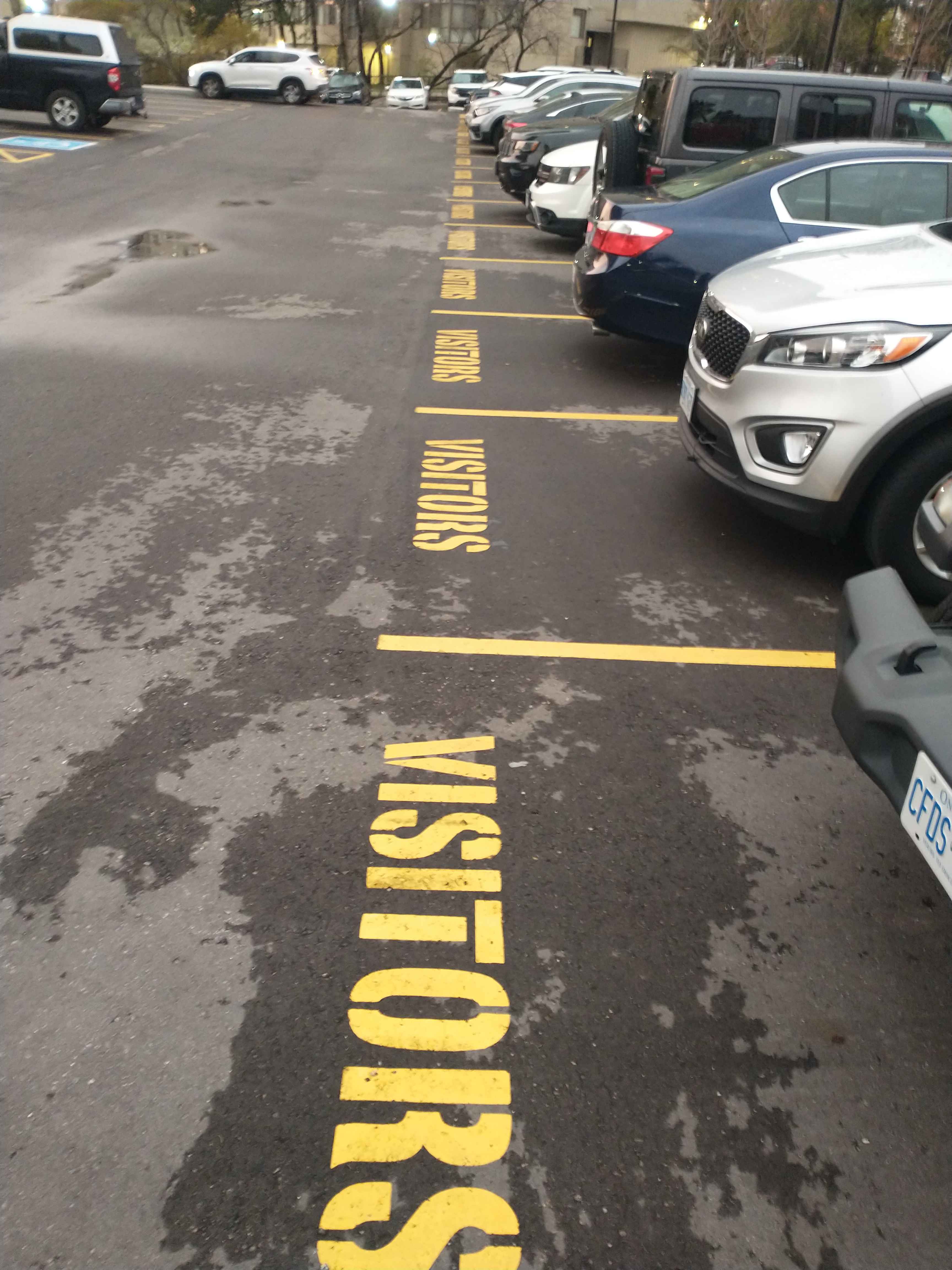
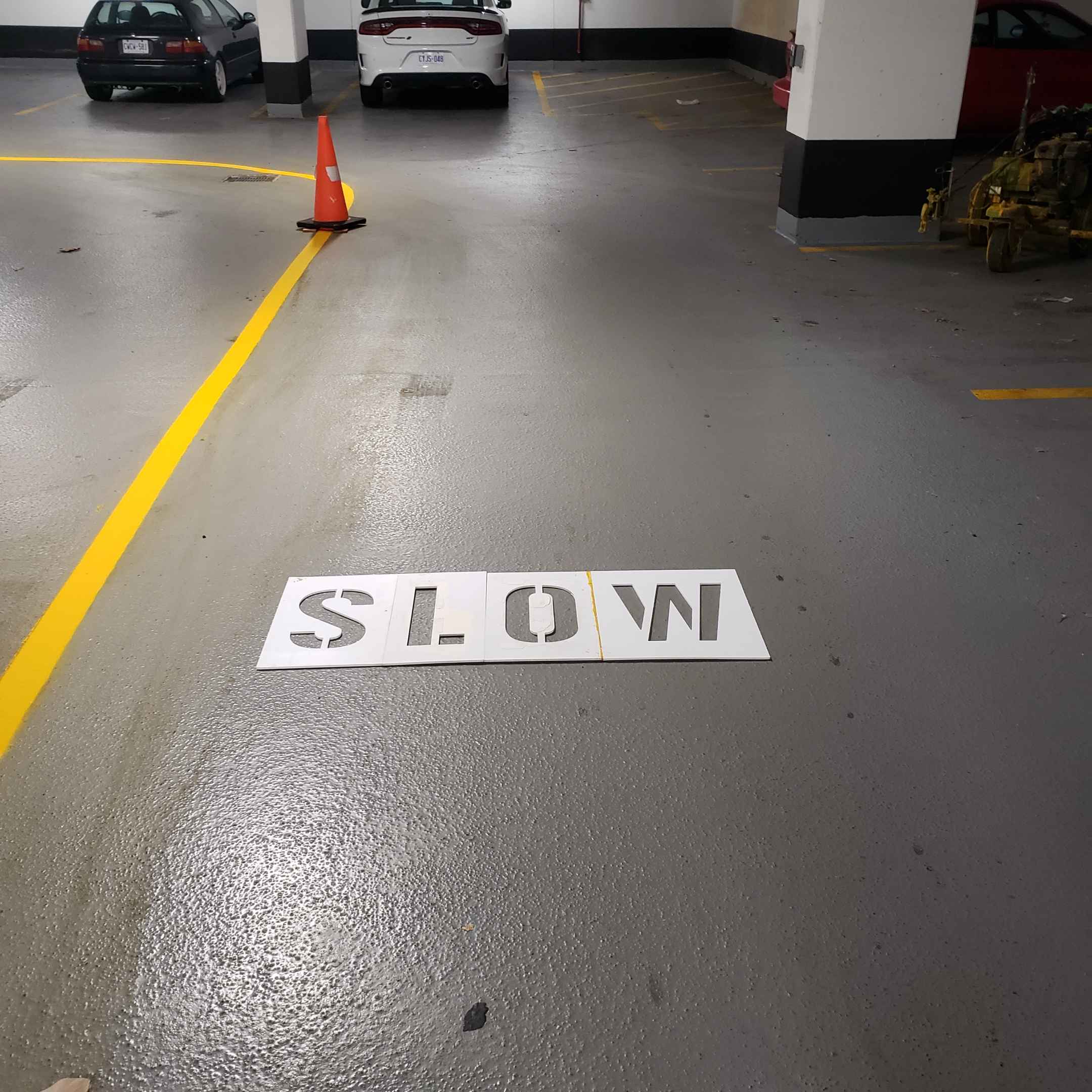
The Role of Pavement Marking in Traffic Conflict Reduction
Understanding how strategic line marking enhances road safety, improves driver psychology, and minimizes vehicular conflicts in urban environments.
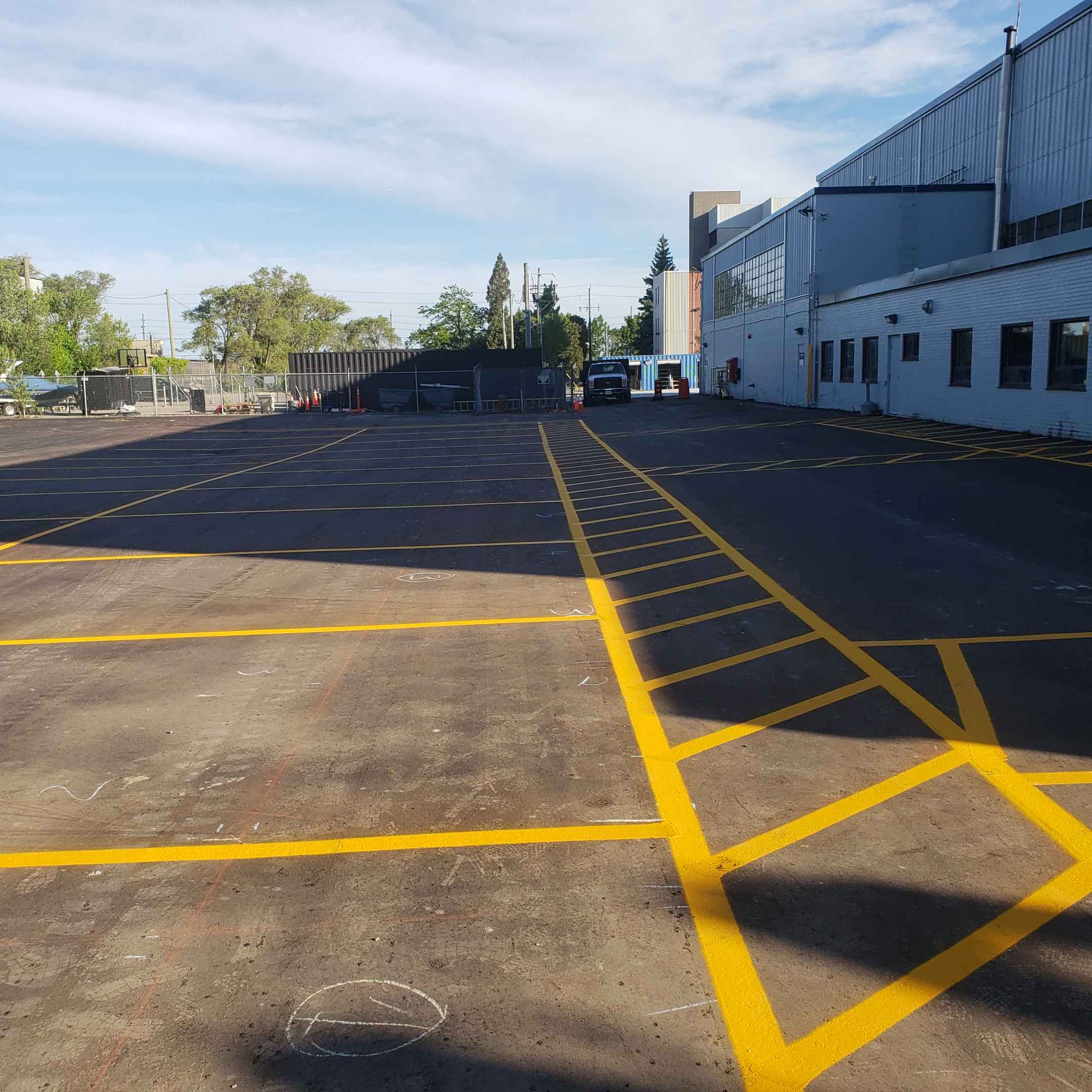
In the complex ecosystem of urban transportation, safety is often viewed through the lens of large-scale infrastructure like bridges, signals, and guardrails. However, one of the most critical components of traffic management is often right beneath a driver's tires: pavement markings. Whether it is a busy commercial lot or a municipal thoroughfare in a growing hub like Oakville, the clarity and precision of line marking play a decisive role in preventing accidents before they happen.
Effective line marking acts as a silent language, communicating rules, boundaries, and directions to motorists, cyclists, and pedestrians. When these visual cues are faded or poorly applied, the risk of traffic conflicts—collisions, near-misses, and pedestrian incursions—increases exponentially. At Capital Parking Lot Line Painting, we recognize that high-quality markings are not just an aesthetic choice, but a fundamental safety requirement.
The Psychology of Visual Cues
Traffic conflict reduction begins with human psychology. Drivers rely on subconscious cues to navigate intersections and lanes. When a driver enters a zone with crisp, high-contrast line marking, their cognitive load is reduced. They can intuitively understand where their vehicle belongs, where the pedestrian crossing begins, and where a turn-only lane starts.
When markings are degraded, drivers experience hesitation. In the world of traffic engineering, hesitation is a primary driver of conflict. A driver unsure of a lane boundary may drift, causing side-swipe accidents, or fail to yield correctly at a junction. By utilizing professional line painting services, property owners ensure that these visual instructions remain unambiguous, maintaining a steady and predictable flow of traffic.
Key Functions of Strategic Line Marking
To understand how conflict is reduced, we must look at the specific roles that different types of markings play in a traffic environment:
- Channelization: Directing traffic into specific paths to prevent chaotic movement and illegal turns.
- Delineation: Defining the edges of the roadway to prevent vehicles from leaving the paved surface.
- Warning: Using transverse markings (like shark's teeth or rumble strips) to alert drivers to upcoming hazards.
- Pedestrian Protection: Clearly marking crosswalks to establish a safe zone for foot traffic, separating them from vehicular paths.
- Regulatory Compliance: Marking stop bars and arrows to ensure drivers adhere to the legal flow of traffic.
Mitigating Specific Conflict Scenarios
1. Pedestrian-Vehicle Conflicts
In high-density areas such as Oakville, the interaction between pedestrians and vehicles is a primary concern for safety officials. High-visibility line marking at crosswalks provides a visual "contract" between the driver and the pedestrian. When the markings are bright and well-maintained, drivers are more likely to recognize the pedestrian zone and proactively reduce speed.
2. Lane Encroachment and Side-Swipes
In parking facilities and narrow roadways, lane encroachment is a frequent cause of property damage and minor injuries. Clear, continuous line marking provides the necessary guidance to keep vehicles centered. Capital Parking Lot Line Painting specializes in creating precise boundaries that help drivers navigate tight spaces with confidence.
3. Intersection Confusion
Intersections are the most high-risk zones in any traffic network. Conflict is often caused by drivers misinterpreting turn lanes or failing to see stop bars. Proper line painting ensures that every driver knows exactly where to stop and which direction they are permitted to travel, significantly reducing the likelihood of T-bone or rear-end collisions.
The Importance of Maintenance and Quality
It is not enough to simply apply paint; the quality of the application and the frequency of maintenance are what truly drive conflict reduction. Over time, weather, tire friction, and UV exposure cause markings to fade. Faded lines lead to "visual noise," where the driver can no longer distinguish between a lane and a shadow.
Investing in professional line marking ensures that the materials used are durable and highly reflective. This reflectivity is crucial during night-time driving or inclement weather, providing the visibility necessary to maintain safety in all conditions. Capital Parking Lot Line Painting utilizes industry-leading techniques to ensure that every line is a reliable safety tool.
Ensure Safety Today
Don't wait for a conflict to occur before addressing your pavement markings. Clear, visible lines are the first line of defense in traffic management. Whether you are managing a commercial lot or a private facility, proactive maintenance is the key to a safe environment.