The Role of Pavement Marking in Traffic Conflict Reduction
Understanding the psychological and physical impact of high-visibility markings on driver behavior and safety.
When we think about road safety, our minds often jump to traffic lights, stop signs, or advanced driver-assistance systems. However, one of the most fundamental and effective tools for managing vehicle movement is often right beneath our tires: pavement marking. Whether it is a complex intersection in a bustling urban center or a private commercial lot, the precision of line marking dictates the flow of traffic and the prevention of collisions.
In growing municipalities like Peterborough, a top 30 city in Ontario, the demand for clear, high-contrast markings is higher than ever. As vehicle density increases, the margin for error decreases. This is where professional intervention from experts like Capital Parking Lot Line Painting becomes essential to maintaining order and safety.
The Psychology of Visual Guidance
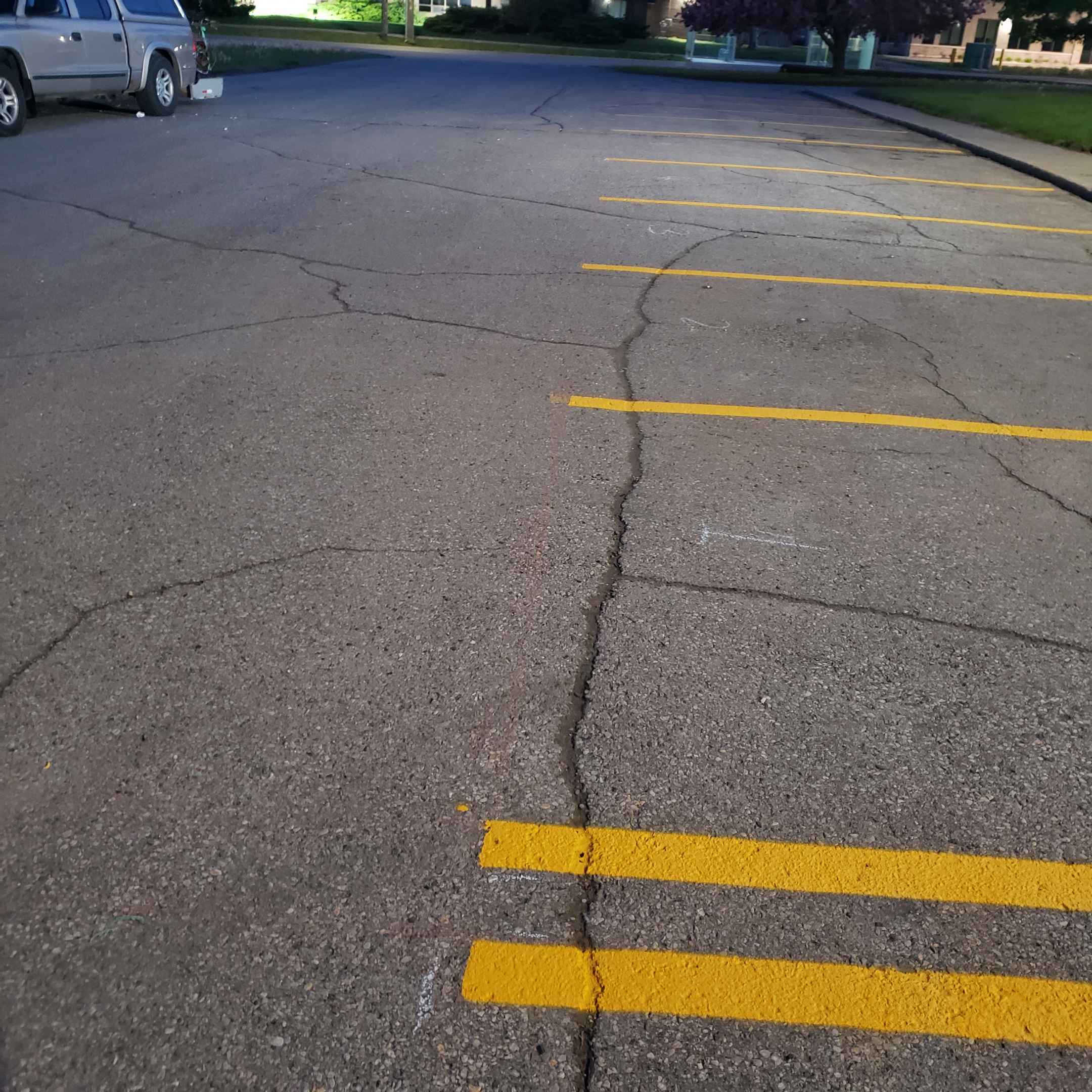
Traffic conflict occurs when the paths of two or more road users intersect in a way that could lead to a collision. Effective line marking acts as a silent instructor, providing continuous visual cues that guide drivers through complex environments. When markings are faded, cracked, or poorly applied, the cognitive load on the driver increases. They must work harder to interpret where a lane begins or where a pedestrian crossing is located.
By implementing high-quality line painting, property managers and municipal planners can reduce this cognitive load. Clear markings provide certainty, and certainty leads to predictable driver behavior. Predictability is the enemy of traffic conflict.
Key Functions of Strategic Line Marking
Line marking serves several critical functions that work in tandem to create a safe driving environment. These include:
- Channelization: Directing vehicles into specific paths to prevent erratic lane changes.
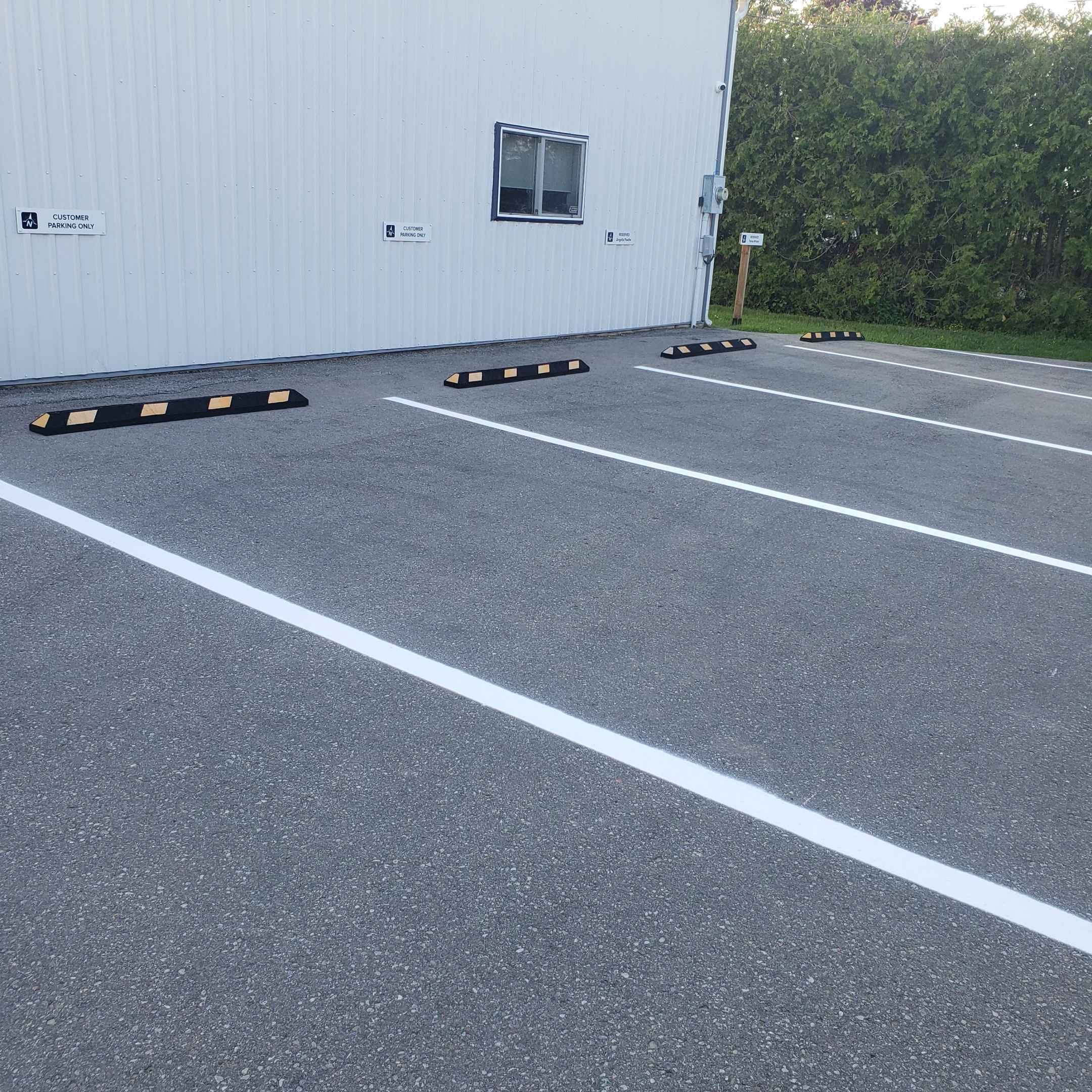
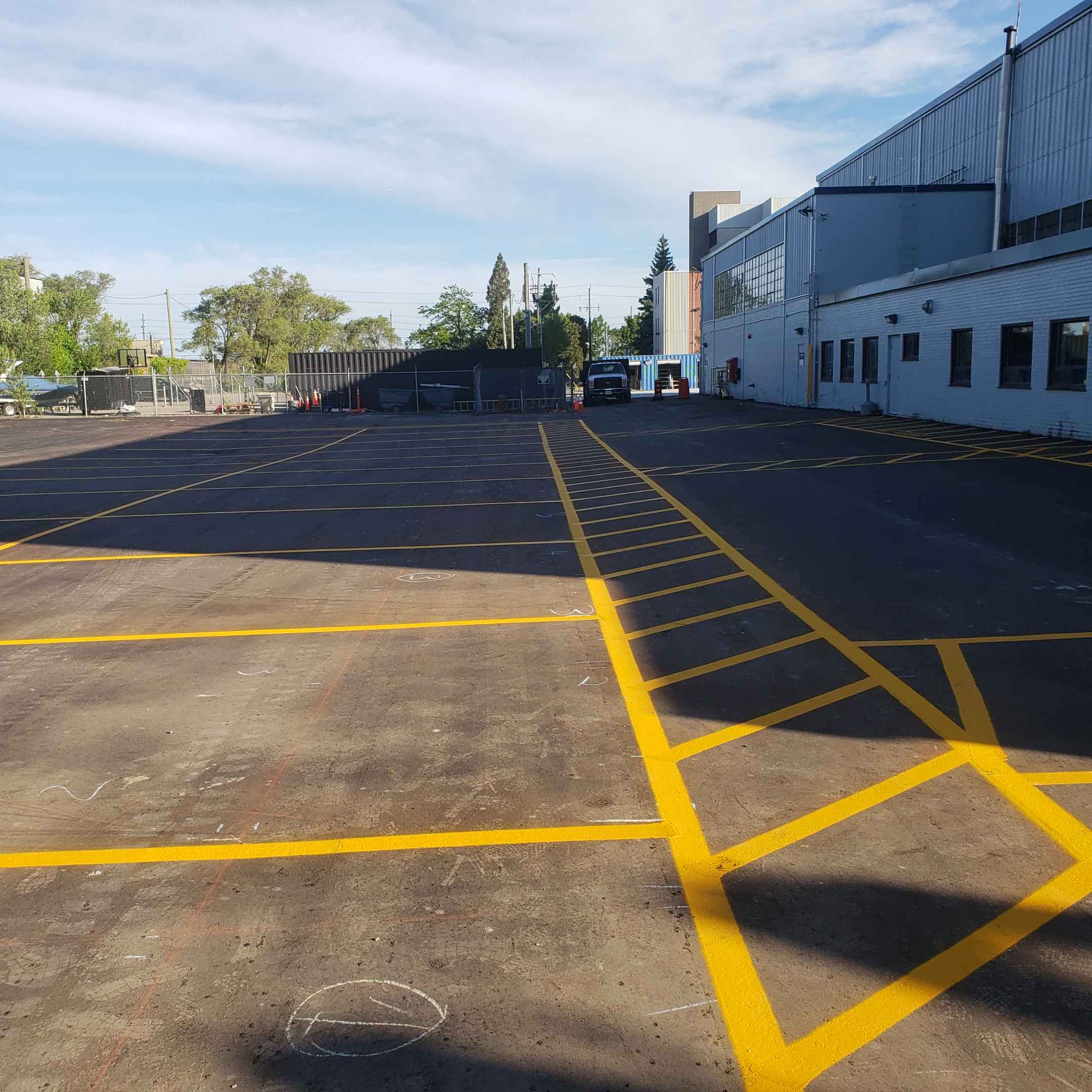
- Delineation: Clearly defining the boundaries of the roadway, parking stalls, and pedestrian zones.
- Warning: Using specialized patterns to alert drivers to upcoming hazards, such as sharp turns or pedestrian crossings.
- Regulation: Enforcing rules of the road, such as no-parking zones or directional arrows.
Mitigating Risks in High-Traffic Areas
In high-density areas, such as the commercial hubs found in Peterborough, the risk of "near-misses" is high. Near-misses are often the precursors to actual accidents. A well-maintained parking lot with crisp, bright line marking can significantly reduce the frequency of these incidents.
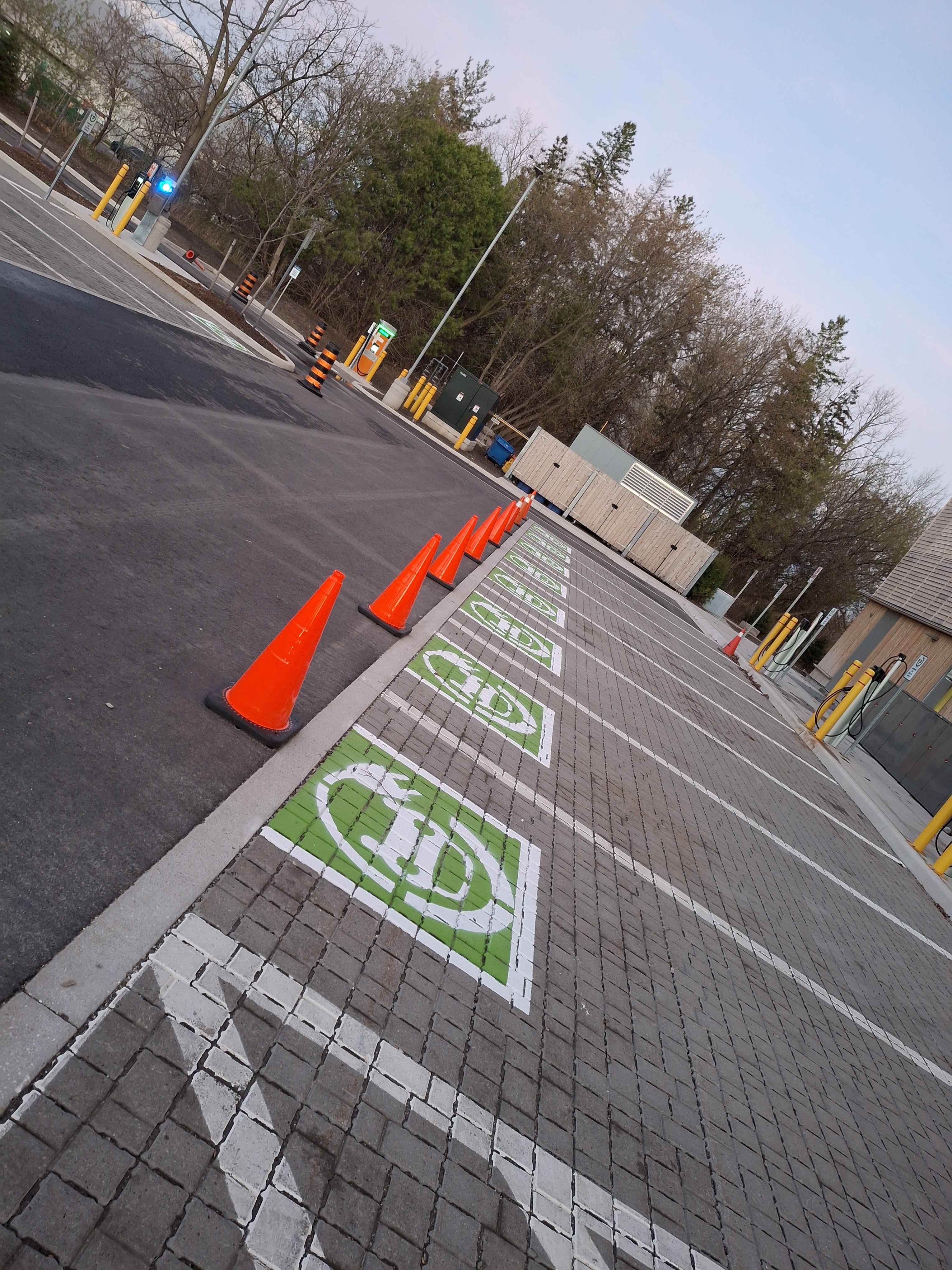
Capital Parking Lot Line Painting specializes in identifying these high-risk zones. For instance, in a busy retail parking lot, the intersection of turning vehicles and pedestrians is a primary conflict point. By using enhanced line painting for crosswalks and high-visibility stall markings, the risk of pedestrian-vehicle conflict is drastically lowered.
Common Mistakes in Pavement Marking Maintenance
Many property owners overlook the importance of regular maintenance, leading to several issues:
- Using low-quality materials that fade quickly under UV exposure.
- Applying markings over dirty or oily surfaces, leading to poor adhesion.
- Inconsistent marking widths that confuse drivers.
- Neglecting the re-application of markings in high-wear areas like entrance lanes.
To avoid these pitfalls, it is vital to partner with a professional service like Capital Parking Lot Line Painting, who understands the science behind durable and visible coatings.
Conclusion: Investing in Safety
Pavement marking is not merely an aesthetic choice; it is a critical safety infrastructure component. By investing in professional line marking, businesses and municipalities are investing in the reduction of accidents, the protection of pedestrians, and the smooth flow of traffic. Whether you are managing a small lot or navigating the streets of a major Ontario city, clear lines save lives.
Ready to enhance your property safety?
Ensure your parking lot meets the highest safety standards with professional line marking services.