Planning Pavement Marking Around Peak Facility Hours
Optimizing facility operations through strategic scheduling for high-quality line marking projects.
Managing a high-traffic facility requires a delicate balance between maintaining infrastructure and ensuring seamless daily operations. Whether you oversee a retail complex, a hospital, or a municipal parking lot, the visibility of your pavement markings is critical for safety and traffic flow. However, the process of refreshing these markings—often referred to as line painting—can introduce significant logistical challenges if not timed correctly.
At Capital Parking Lot Line Painting, we understand that timing is everything. Executing a project during peak hours can lead to congestion, safety hazards, and frustrated visitors. This guide explores how to strategically plan your next line marking project to minimize disruption while maximizing long-term results.
The Critical Importance of Timing in Line Marking
Line marking is not just about aesthetics; it is a vital component of site safety and legal compliance. Faded lines can lead to confusion, improper parking, and increased accident risks. However, the very nature of the work—requiring drying time and restricted access—makes it a sensitive operation.
In a bustling city like London, where commercial activity is constant, facility managers must be particularly vigilant. A poorly timed project can result in a bottleneck that impacts your business's bottom line and reputation. By working with experts like Capital Parking Lot Line Painting, you can navigate these complexities with professional precision.
Identifying Your Facility's Peak Hours
Before scheduling any maintenance, you must conduct a thorough audit of your facility's traffic patterns. Understanding when your lot is at its highest capacity is the first step in successful project management.
Common Peak Patterns to Watch For:
- Retail Centers: Typically see surges during lunch hours, weekend afternoons, and evening shopping rushes.
- Office Complexes: High volume during morning arrivals (7:00 AM - 9:00 AM) and afternoon departures (4:00 PM - 6:00 PM).
- Medical Facilities: Constant flow, but often with specific spikes during morning appointment windows.
- Industrial Hubs: Heavy truck and employee traffic during shift changes.
Strategic Scheduling Strategies
Once you have identified your peak windows, you can begin to map out a maintenance schedule. The goal is to find the "quiet windows" where the impact on your customers or tenants is minimal.
1. Off-Peak Night Work
For many high-traffic locations in London, night work is the gold standard. Performing line painting during overnight hours allows the paint to cure undisturbed and ensures that the lot is ready for the morning rush. While this may require coordination with local noise ordinances, the benefits of zero daytime disruption are immense.
2. Weekend Implementation
If your facility serves a weekday-centric demographic (such as a corporate office park), weekend work can be an excellent alternative. This allows for ample drying time between Saturday evening and Monday morning.
3. Phased Execution
If the entire lot cannot be closed, consider a phased approach. By dividing the facility into zones, Capital Parking Lot Line Painting can work on one section at a time, maintaining partial capacity for your users while progressively improving the entire site.
Common Mistakes to Avoid
Even with the best intentions, planning errors can occur. Avoid these frequent pitfalls to ensure your project stays on track:
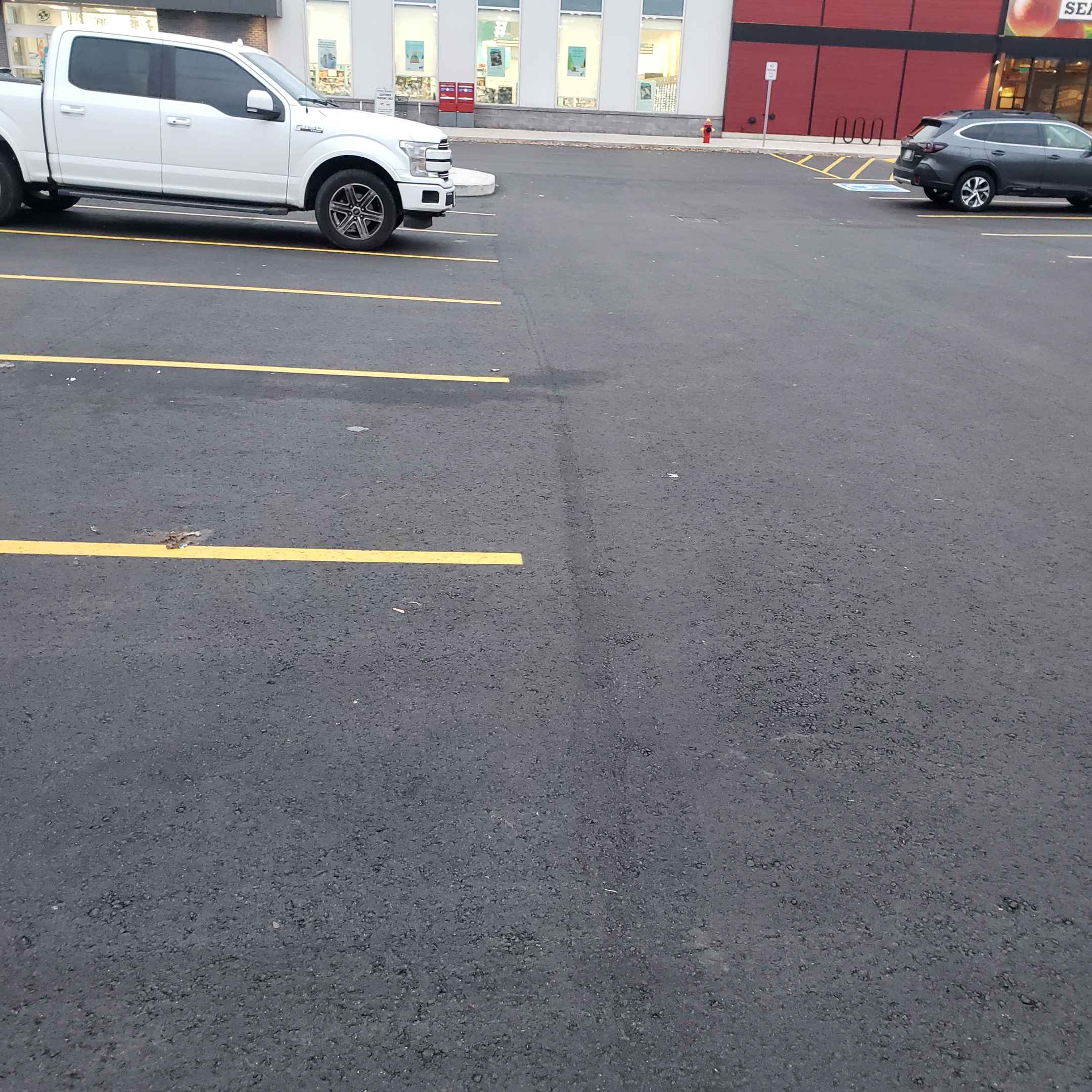
Underestimating Drying Time: Always account for humidity and temperature. If you reopen a lot too early, tire tracks will ruin the fresh line marking, forcing a costly redo.
Lack of Communication: Failing to notify tenants or customers about upcoming maintenance can lead to significant frustration and blocked entrances.
Visual Reference: Professional Standards
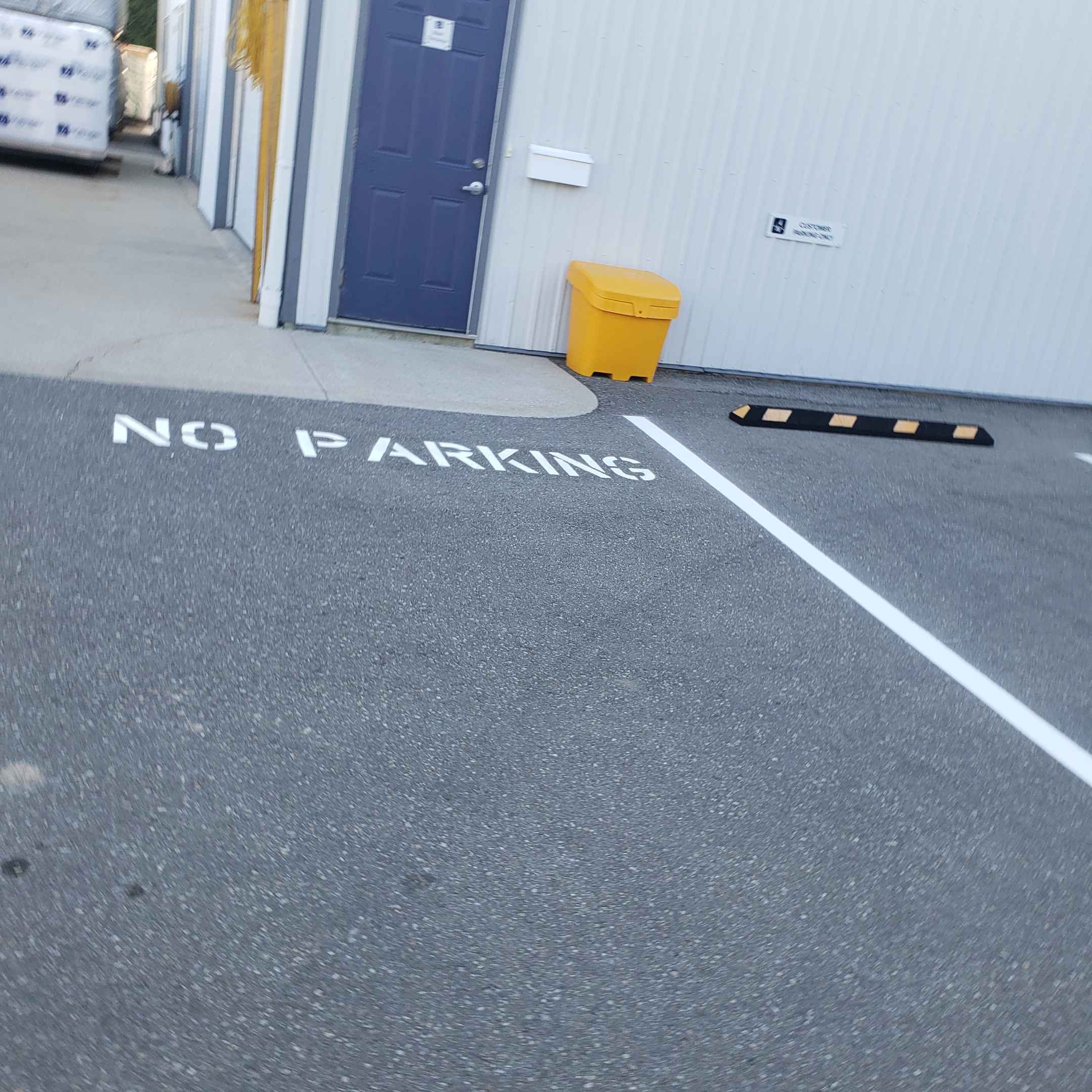
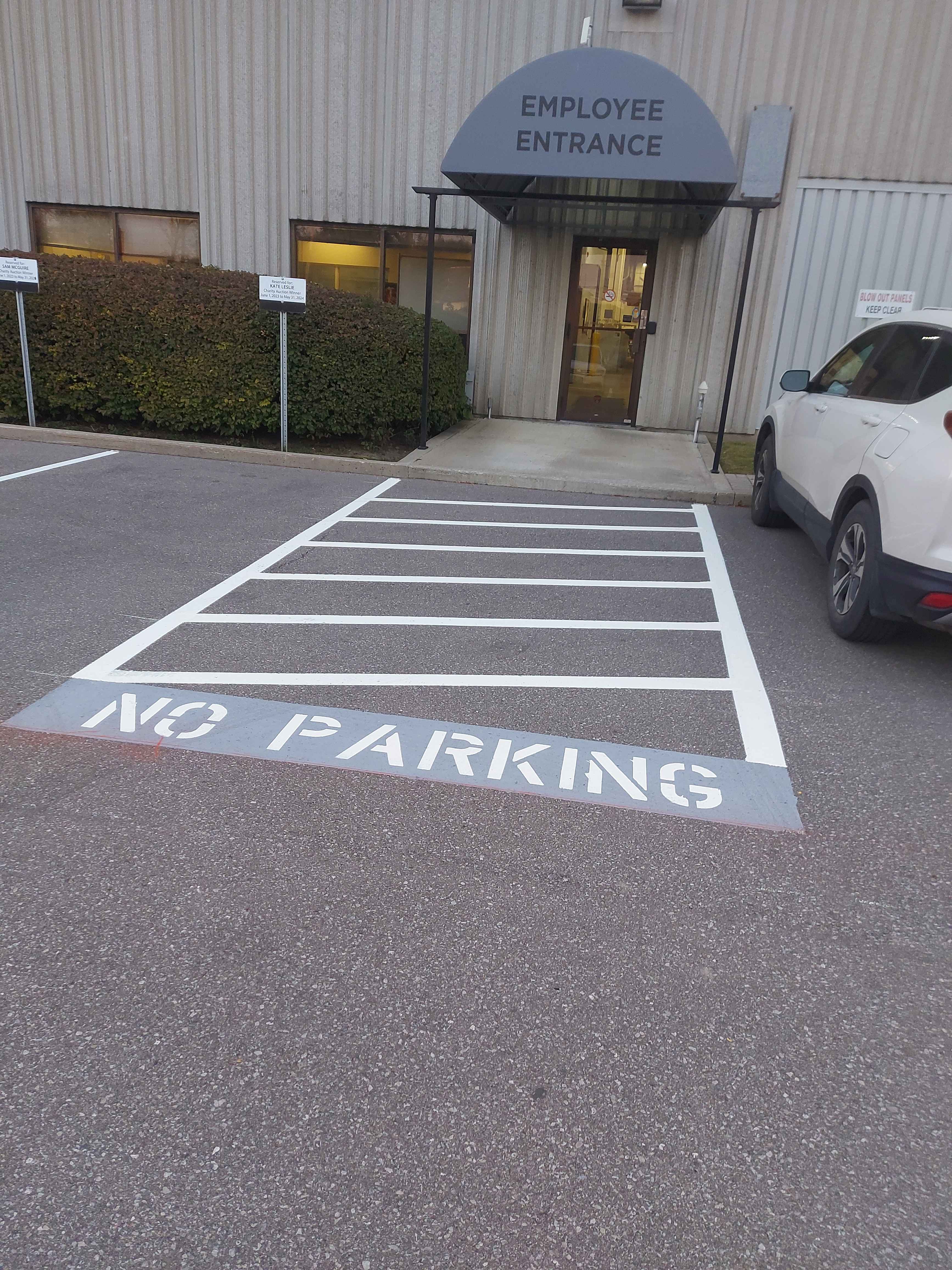
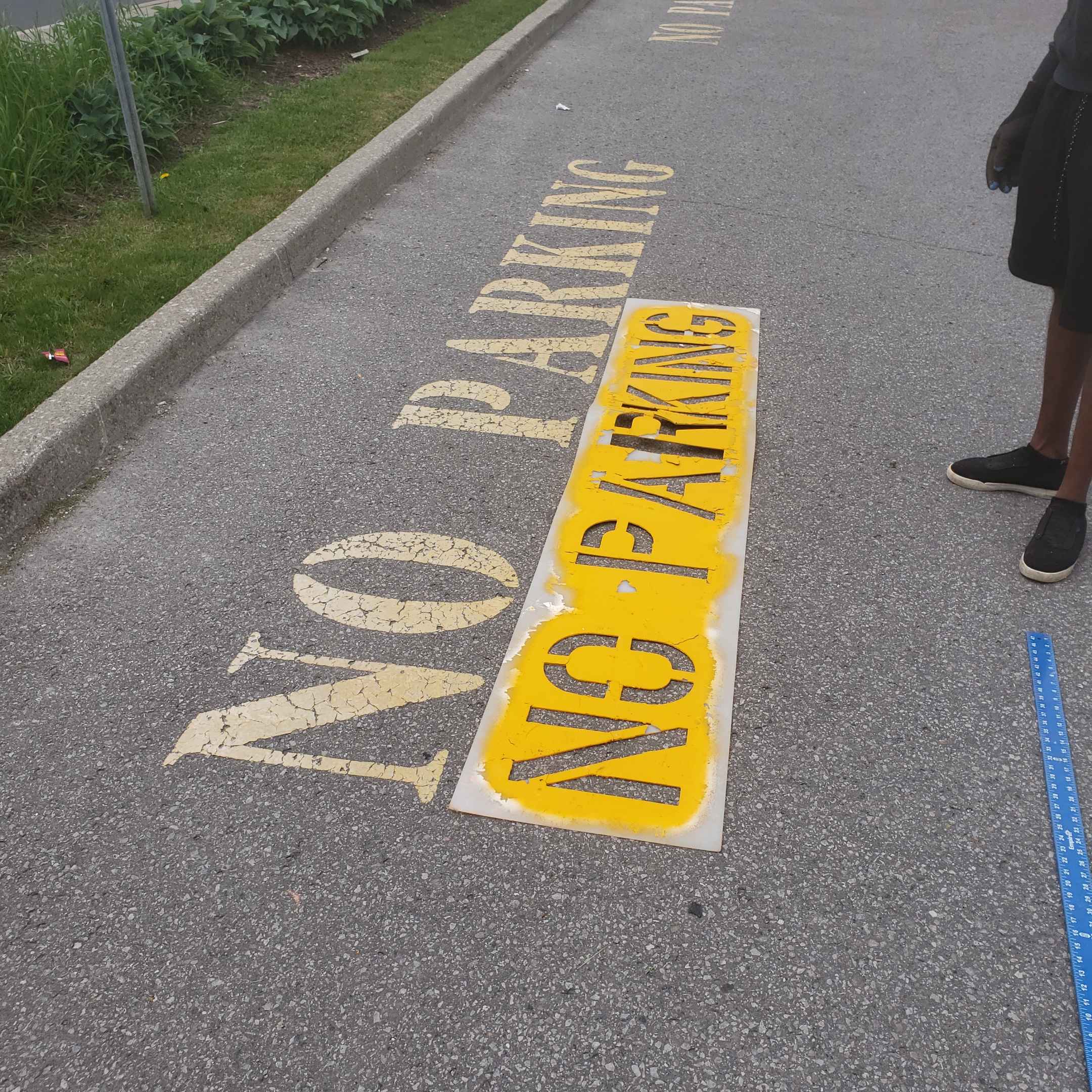
Quality line painting requires precision and high-grade materials. Whether it is directional arrows, handicap symbols, or standard stall lines, the clarity of the markings directly impacts the safety and organization of your facility.
Conclusion
Effective pavement maintenance is a cornerstone of facility management. By prioritizing strategic scheduling and respecting the traffic flow of your site, you can ensure that your line marking projects are a success rather than a disruption. When you are ready to upgrade your facility's appearance and safety, trust the professionals to handle the logistics as expertly as the application.