Do You Need to Power Wash Before Sealcoating?
The short answer is a resounding yes. If you want your asphalt to look brand new and stay protected for years, skipping the cleaning phase is a mistake you can't afford to make.
The Critical Link Between Cleaning and Sealcoating
When property owners in Cambridge look to maintain their asphalt, they often focus on the final aesthetic: the deep, rich black color of a fresh sealcoat. However, the secret to a successful application isn't actually the sealer itself—it is the preparation of the surface. At Capital Parking Lot Line Painting, we have seen firsthand how improper preparation can lead to premature peeling, flaking, and uneven coloring.
Sealcoating is essentially a protective layer designed to bond with the top layer of your asphalt. For this bond to occur, the sealer needs direct contact with the aggregate and the bitumen. If there is a barrier between the sealer and the asphalt, the protection will fail almost immediately.
Why Power Washing is Non-Negotiable
Asphalt is a porous material. Over time, it acts like a sponge, soaking up oil, grease, sand, dirt, and organic debris. If you apply sealcoat over these contaminants, you aren't sealing the asphalt; you are merely sealing a layer of dirt.
The Dangers of Contaminants
- Oil and Grease: These petroleum-based products prevent the water-based or coal-tar sealers from adhering to the surface.
- Sand and Grit: These particles create a textured layer that prevents a smooth, uniform application.
- Organic Growth: Moss, algae, and weeds growing in cracks can trap moisture, leading to rot and bond failure.
- Dust and Fine Debris: Even a thin layer of dust can act as a "release agent," causing the sealer to peel off in sheets.
The Professional Process: Beyond Just Water
While a standard garden hose might wash away loose leaves, it won't suffice for professional-grade results. Professional power washing uses high-pressure water to strip away deeply embedded grime. At Capital Parking Lot Line Painting, we ensure that the surface is not just visually clean, but chemically ready for the sealer.
In a busy city like Cambridge, where heavy traffic and seasonal weather changes take a toll on pavement, the buildup of road salt and grime is significantly higher. A thorough power wash ensures that the subsequent Line Marking and sealcoating processes are performed on a pristine foundation.
The Connection to Line Marking
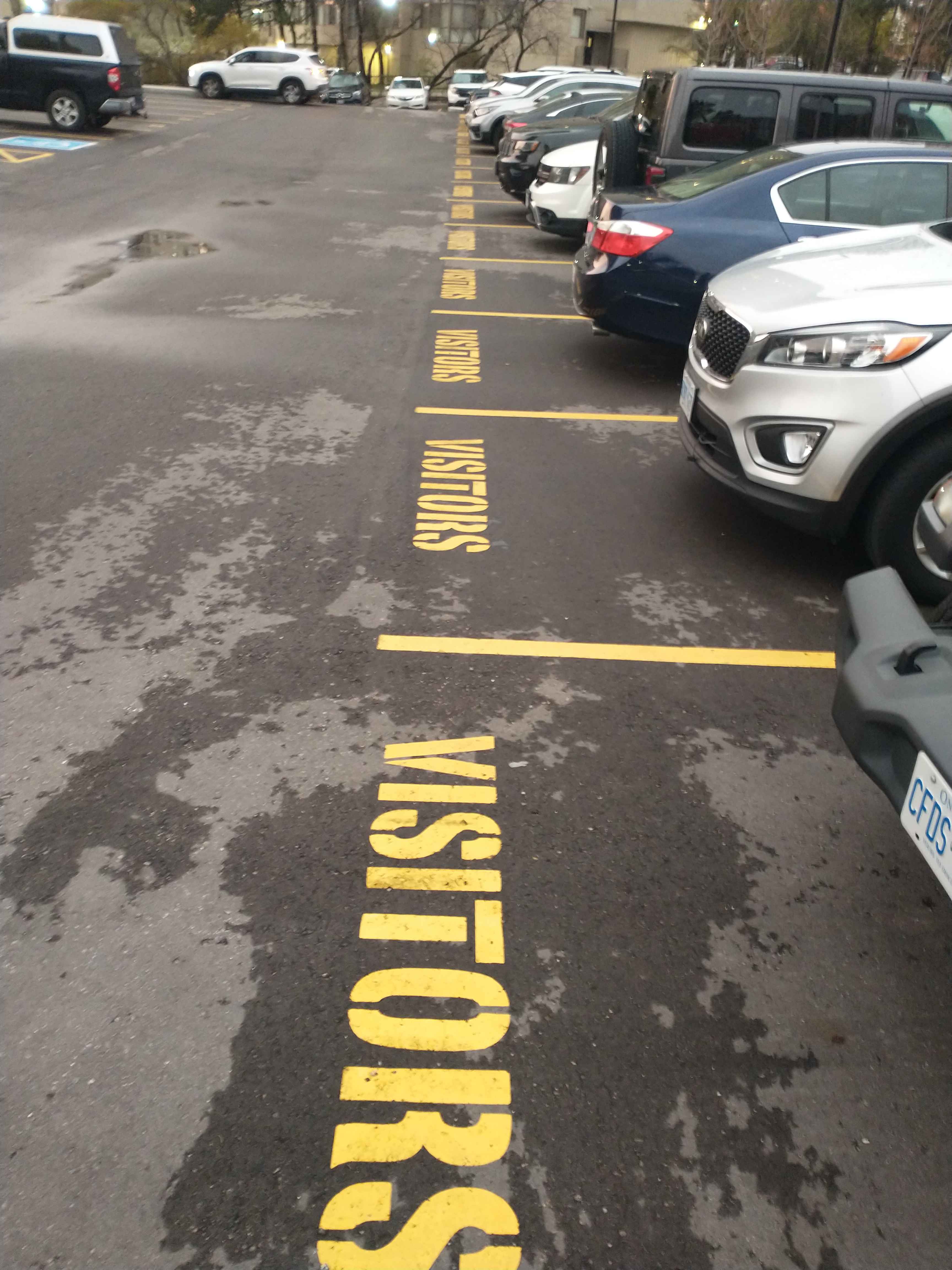
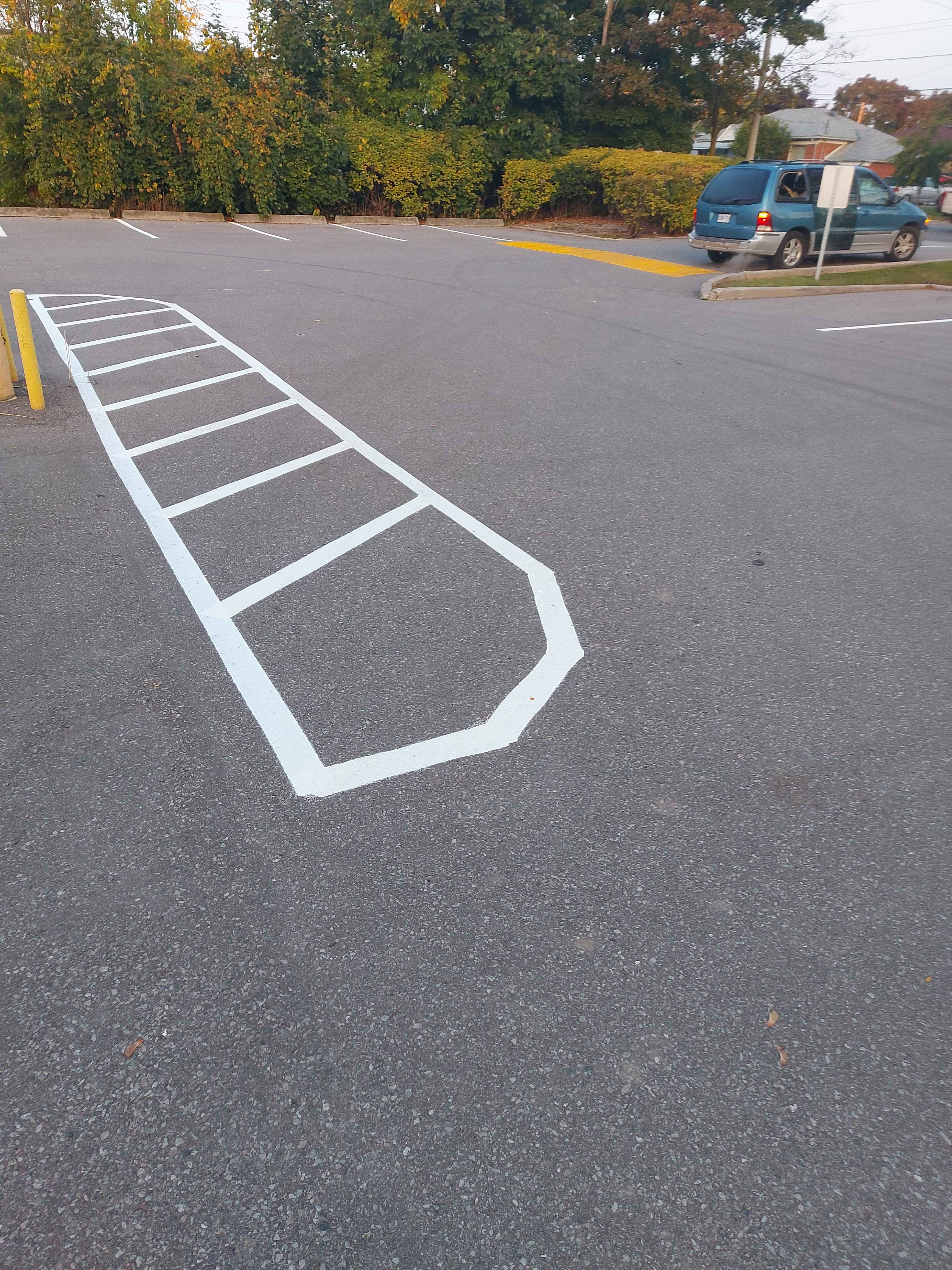
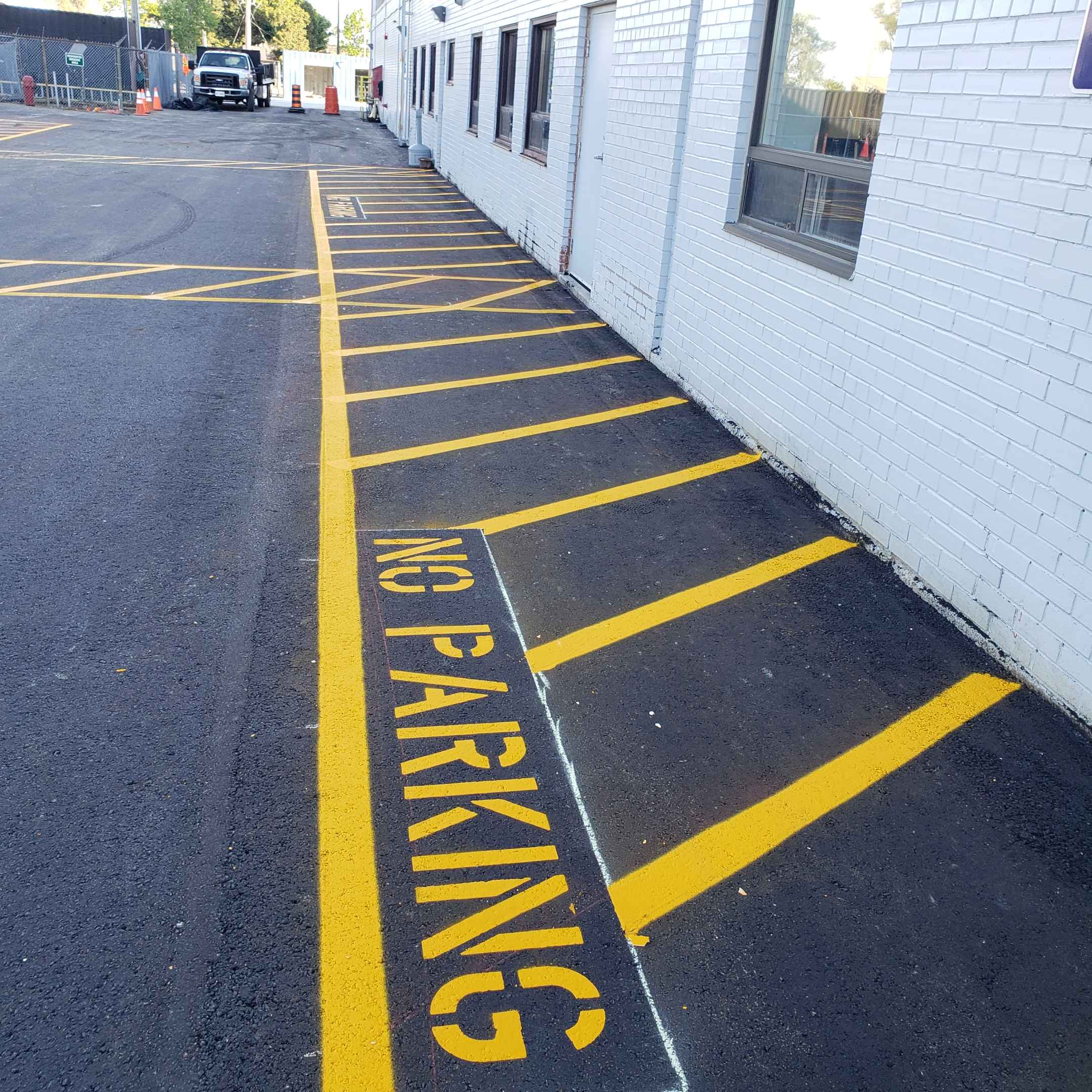
Many people forget that sealcoating and Line Marking go hand-in-hand. If you apply new paint or markings over a dirty or poorly sealed surface, the lines will fade or chip within months. By integrating power washing into your maintenance routine, you ensure that your Line Painting remains crisp, bright, and highly visible for much longer. This is vital for safety and traffic flow in commercial parking lots.
Summary: Preparation is Key
To summarize, skipping the power wash is a shortcut that leads to a dead end. Proper cleaning ensures:
- Maximum adhesion of the sealcoating material.
- A more uniform and aesthetically pleasing finish.
- Increased longevity of your asphalt investment.
- Better durability for your Line Painting.
Trust the Experts
Maintaining your asphalt requires more than just a bucket of sealer; it requires a systematic approach to cleaning, sealing, and Line Marking. Capital Parking Lot Line Painting specializes in comprehensive pavement management, ensuring every step—from the first blast of the power washer to the final stroke of the paint—is executed with precision.