Do You Need to Remove Old Paint Before Repainting Parking Lines?
A comprehensive guide to surface preparation and long-term durability in professional line marking.
When managing a commercial property, the appearance and safety of your parking lot are paramount. One of the most frequent questions we receive at Capital Parking Lot Line Painting is whether it is necessary to physically remove old, faded, or peeling paint before applying a fresh coat of markings. While it might seem easier to simply paint over the existing lines, the decision can significantly impact the longevity, aesthetics, and safety of your pavement.
In a bustling area like Sarnia, where weather conditions can be harsh and traffic volume is high, ensuring your line marking is applied correctly is not just about looks—it is about maintaining the integrity of your asphalt or concrete surfaces.
The Argument for Removing Old Paint
The primary reason professionals suggest removing old paint is to ensure a clean, level surface. When you apply new line marking over old, degraded material, you are essentially building on a shaky foundation. If the old paint is flaking, bubbling, or uneven, the new layer will inherit those same defects.
1. Improved Adhesion
Paint adheres best to a clean, solid substrate. If there is a layer of loose, powdery, or cracked old paint, the new coating will bond to the old paint rather than the actual pavement. This often leads to premature peeling, where both the old and new layers lift away together, leaving you with a failed job much sooner than expected.
2. Precision and Visual Clarity
Over time, parking lines can drift or become obscured by heavy wear. If you attempt to paint new lines directly over old ones that are slightly misaligned, you end up with "ghost lines." These are faint, secondary markings that create confusion for drivers and pedestrians, potentially leading to accidents or inefficient parking layouts. Capital Parking Lot Line Painting recommends a clean slate to ensure every line is crisp, straight, and perfectly positioned.
When Can You Skip the Removal Process?
It is important to note that total removal isn't always mandatory. There are specific scenarios where a fresh application over the old markings is acceptable:
- The existing paint is still firmly bonded to the pavement with no signs of flaking.
- The old markings are in the exact same position as the new markings intended.
- The surface is relatively smooth and free of heavy debris or oil stains.
- You are performing a minor touch-up rather than a full lot refresh.
The Risks of "Over-Painting"
Choosing the shortcut of painting over old material can lead to several long-term headaches. For property managers in Sarnia, these issues can translate into increased maintenance cycles and higher long-term costs.
Thickness and Surface Texture
Each layer of paint adds thickness. While a few microns might not seem like much, multiple layers of accumulated paint can create a textured, uneven surface. This can cause water to pool in certain areas or create trip hazards at the edges of the markings. Furthermore, excessive thickness can sometimes lead to cracking due to the lack of flexibility in the heavy paint buildup.
Color Contamination
If the old paint is a different color or has become heavily stained by tire marks and oil, the new color may appear muddy or inconsistent. To achieve that "brand new" look that Capital Parking Lot Line Painting is known for, a clean surface is the gold standard.
Professional Steps for a Perfect Finish
A professional line marking service follows a rigorous process to ensure the best results. Here is what you can expect from a high-quality job:
- Surface Inspection: Evaluating the condition of the existing pavement and old markings.
- Cleaning/Removal: Using industrial equipment to sweep, pressure wash, or grind away old, loose material.
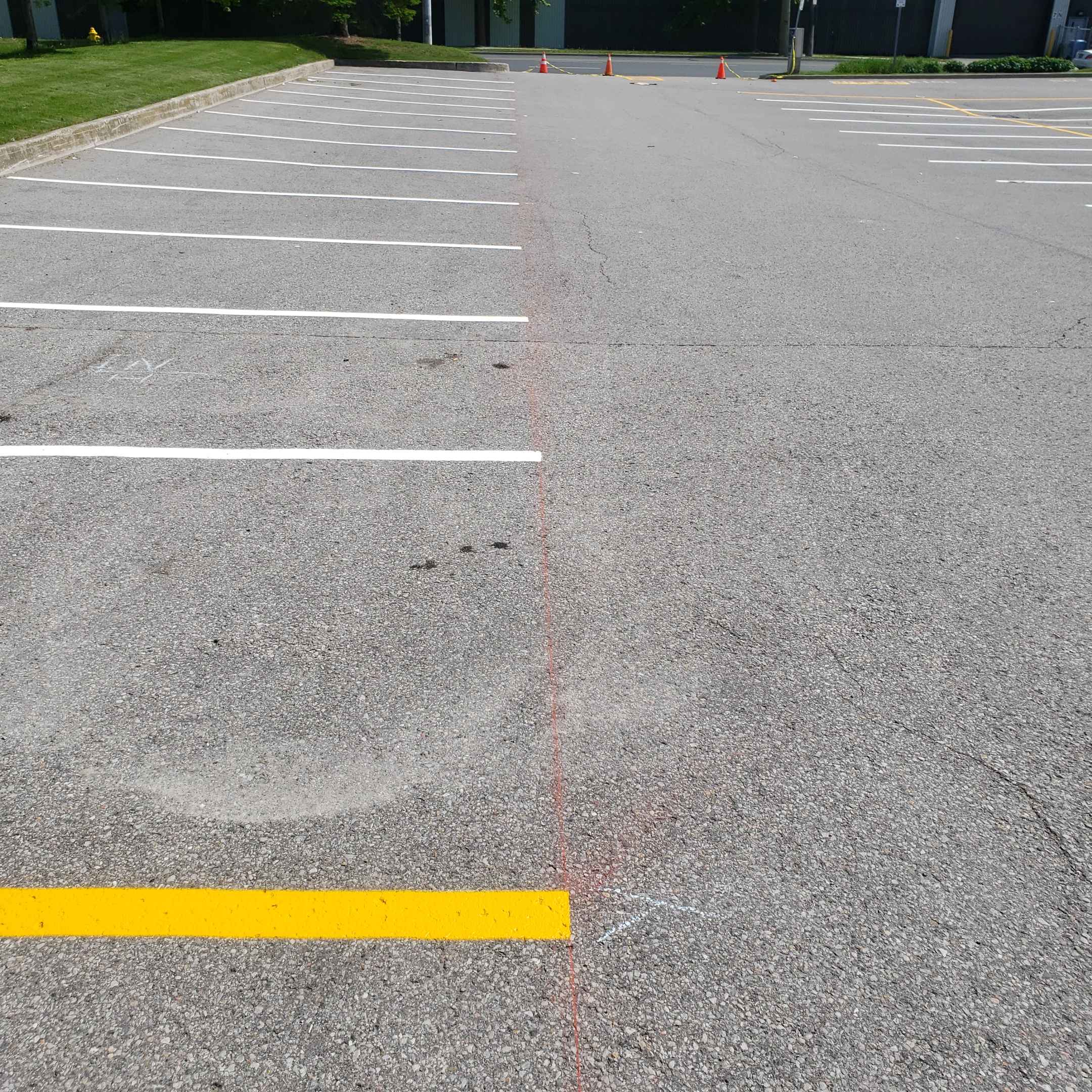
- Layout and Chalking: Precisely marking the new lines to ensure perfect alignment.
- Application: Using professional-grade coatings applied at the optimal temperature and thickness.
- Curing: Allowing the lines to dry completely before reopening the lot to traffic.
Ready for a Refresh?
Don't settle for faded, confusing, or peeling parking markings. Whether you need a complete overhaul or a simple refresh, professional line painting ensures your property remains safe, compliant, and visually appealing.