The Role of Sealcoating in Your Asphalt Maintenance Plan
Understanding how a proactive sealcoating strategy can extend the life of your pavement and save you from costly structural repairs.
Maintaining a commercial parking lot or a private driveway is more than just an aesthetic concern; it is a fundamental aspect of property management. For property owners in Hamilton, a top 30 city in Ontario, the harsh seasonal shifts—from freezing winters to humid summers—can take a devastating toll on asphalt surfaces. One of the most effective ways to combat this degradation is through regular sealcoating. At Capital Parking Lot Line Painting, we believe that understanding the science behind sealcoating is the first step toward long-term pavement success.
What is Sealcoating?
Sealcoating is the application of a protective liquid coating over an existing asphalt surface. It is important to distinguish sealcoating from asphalt resurfacing. While resurfacing involves laying down a new layer of asphalt, sealcoating is a preventative maintenance measure designed to seal the pores of the existing pavement, creating a barrier against environmental elements.
When asphalt is first laid, it is porous. Over time, water, oil, and UV rays penetrate these pores, causing the bitumen (the "glue" that holds the rocks together) to oxidize and break down. Once the bitumen is compromised, the asphalt becomes brittle, leading to cracks and potholes. Sealcoating acts as a shield, replenishing the surface and preventing this oxidation process.
The Core Benefits of Regular Sealcoating
Investing in a professional sealcoating schedule offers several advantages that go beyond simple curb appeal. Here are the primary reasons why property managers should prioritize this service:
- UV Protection: Sunlight breaks down the chemical bonds in asphalt. A sealcoat reflects UV rays, preventing the surface from becoming brittle.
- Waterproofing: By sealing the pores, you prevent water from seeping into the sub-base, which is critical in Hamilton to prevent freeze-thaw damage.
- Chemical Resistance: Oil, gas, and salt spills can dissolve asphalt binders. Sealcoating provides a sacrificial layer that takes the brunt of these spills.
- Enhanced Aesthetics: A freshly sealed lot provides a deep, rich black finish that makes your property look well-maintained and professional.
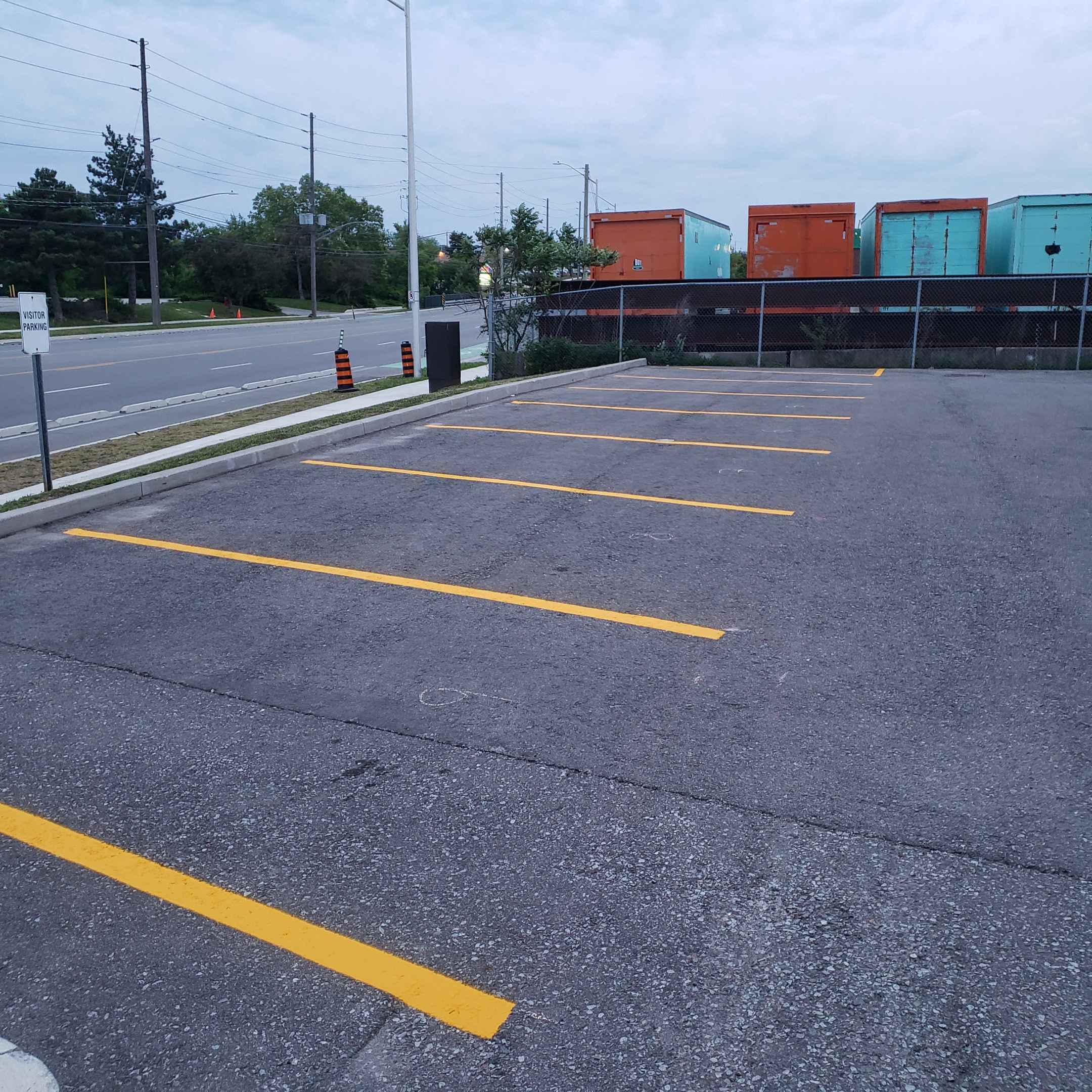
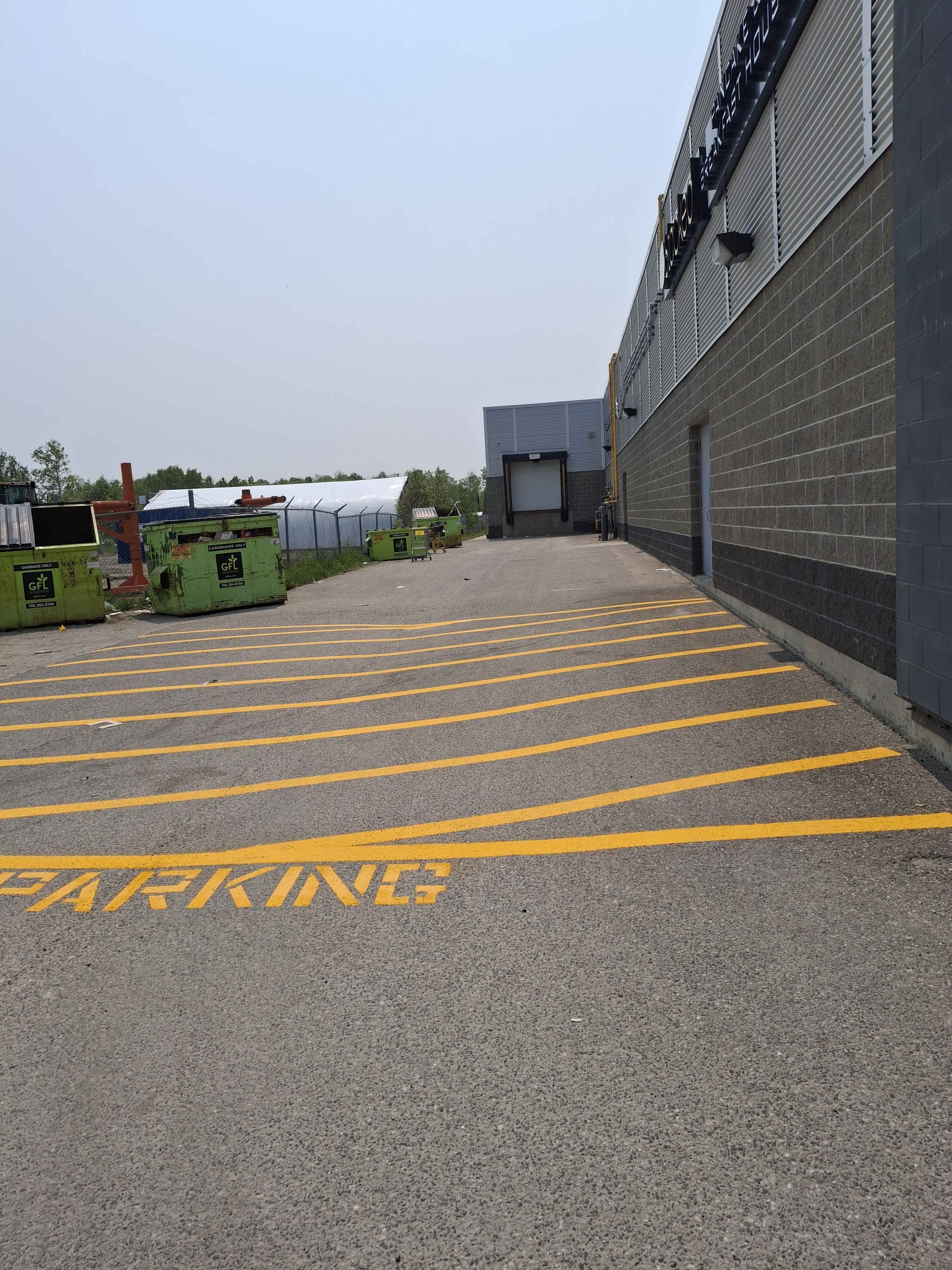
- Improved Visibility: A dark, clean surface provides the perfect high-contrast background for Line Marking, ensuring safety and compliance.
Sealcoating vs. Line Marking: A Synergistic Approach
A common mistake in pavement maintenance is treating sealcoating and Line Marking as isolated tasks. In reality, they work best when executed as part of a unified plan. When you apply a fresh sealcoat, you create a pristine, uniform surface. This allows for much sharper, more durable Line Painting. When the lines are applied over a freshly sealed surface, the pigment adheres better and remains visible for much longer, reducing the frequency of maintenance cycles.
Capital Parking Lot Line Painting recommends coordinating these services to ensure your parking lot is not only structurally sound but also clearly organized for traffic flow and safety.
Common Mistakes to Avoid
Not all sealcoating applications are created equal. To ensure the longevity of your investment, avoid these common pitfalls:
1. Poor Surface Preparation
Applying sealer over dirt, debris, or existing cracks without cleaning and repairing them first is a recipe for failure. The sealer must bond directly to the asphalt to be effective.
2. Ignoring Cracks
Sealcoating is a surface treatment, not a structural repair. If you have deep cracks, they must be filled with a dedicated crack sealant before the sealcoat is applied. If you skip this, water will continue to enter the cracks beneath the new sealer.
3. Choosing Low-Quality Materials
Not all sealants are the same. Professional companies like Capital Parking Lot Line Painting use industrial-grade emulsions designed to withstand heavy traffic and extreme weather.
When Should You Sealcoat?
While every property is different, a general rule of thumb is to sealcoat every 2 to 3 years. However, you should inspect your asphalt annually. If you notice the color turning from deep black to a light gray, or if you see small surface cracks beginning to form, it is time to call in the experts.
Ready to Protect Your Investment?
Don't wait for a pothole to become a liability. Proactive maintenance is the key to a long-lasting parking lot. Contact the professionals at Capital Parking Lot Line Painting today to schedule your inspection and maintenance plan.