The Role of Sealcoating in Your Asphalt Maintenance Plan
Maintaining a pristine parking lot or driveway is more than just a matter of aesthetics; it is a critical component of property management and long-term asset preservation.
Understanding the Basics of Asphalt Deterioration
Asphalt is a resilient material, but it is not invincible. In regions like Markham, where weather patterns can swing from scorching summer heat to freezing winter temperatures, asphalt is constantly under siege. The combination of UV radiation, oxidation, and moisture penetration creates a perfect storm for pavement degradation.
When asphalt is exposed to the elements without protection, it begins to lose its oils. This process, known as oxidation, causes the surface to become brittle and turn a light grey color. Once the surface loses its flexibility, cracks begin to form. If left untreated, these cracks allow water to seep into the sub-base, leading to potholes and structural failure. This is where a proactive maintenance plan becomes essential.
What is Sealcoating?
Sealcoating is the application of a protective liquid coating over the surface of your asphalt. Think of it as a high-performance sunscreen for your pavement. This coating acts as a barrier, preventing harmful elements from penetrating the asphalt binder.
At Capital Parking Lot Line Painting, we emphasize that sealcoating is not just a cosmetic fix to make your lot look black again; it is a preventative structural treatment. By sealing the surface, you are effectively filling in microscopic cracks and providing a fresh layer of protection that keeps the underlying asphalt pliable and strong.
The Core Benefits of Regular Sealcoating
Integrating sealcoating into your annual or biennial maintenance schedule offers several key advantages for commercial and residential property owners:
- UV Protection: Shields the asphalt from sun damage and oxidation.
- Moisture Barrier: Prevents water from infiltrating the base layers, reducing the risk of potholes.
- Chemical Resistance: Protects against oil, gas, and salt spills that can dissolve asphalt binders.
- Enhanced Aesthetics: Restores the deep, dark black finish that gives a property a well-maintained appearance.
- Cost Efficiency: Prevents the need for expensive full-depth repairs or total resurfacing.
Synergy Between Sealcoating and Line Marking
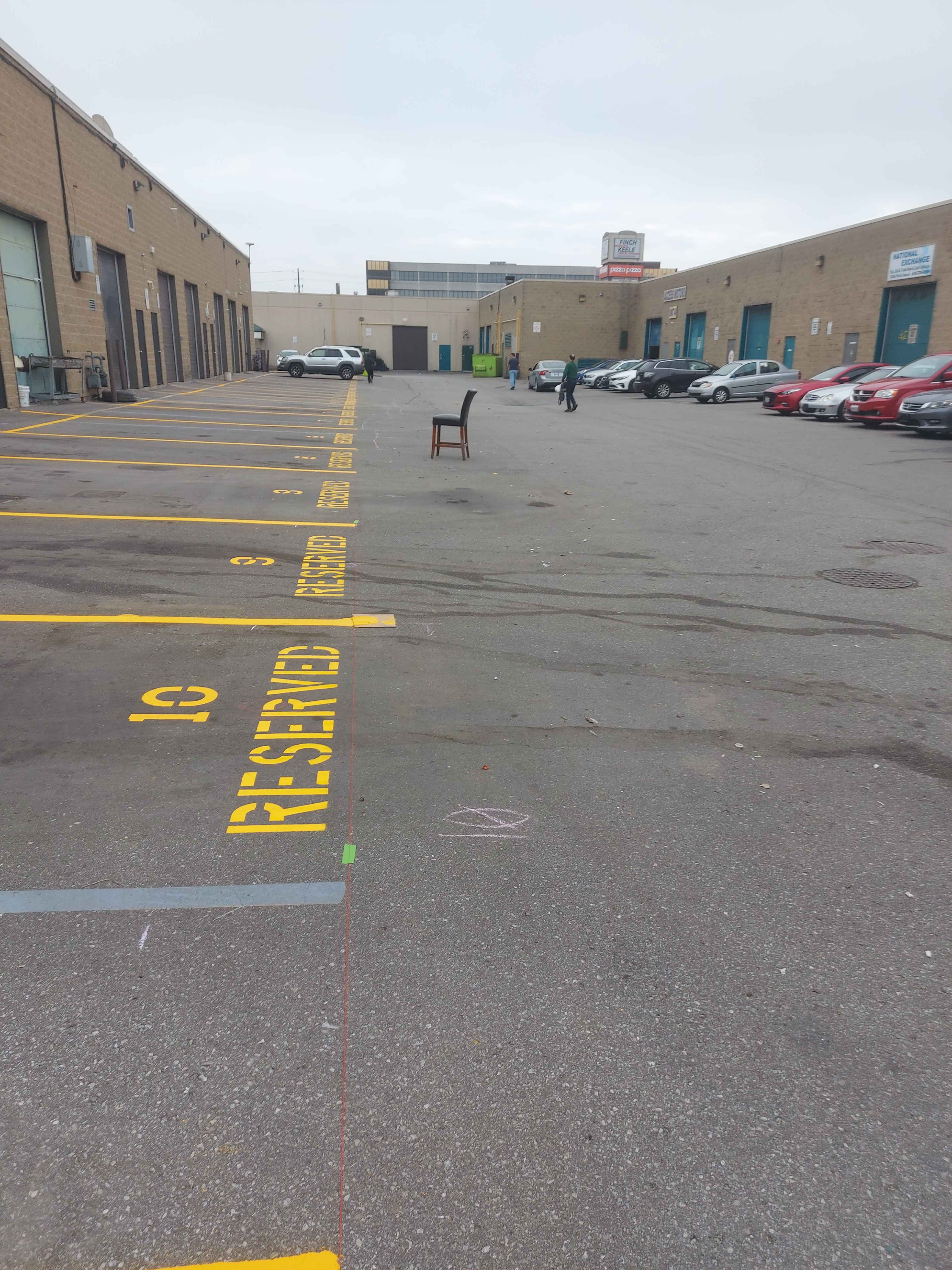
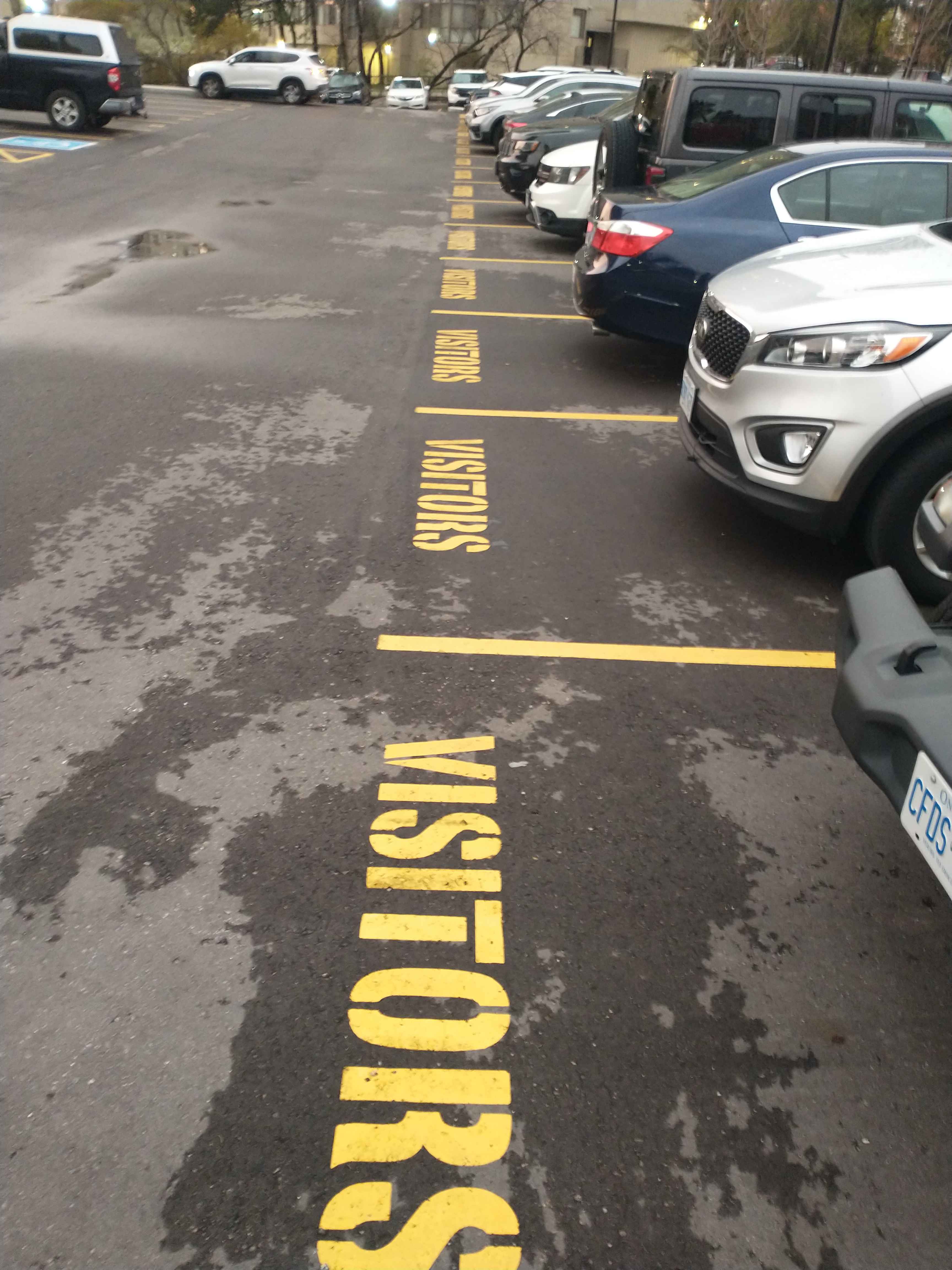
A common mistake in property maintenance is treating sealcoating and Line Marking as separate, unrelated tasks. In reality, they work best when coordinated. For a professional finish, it is highly recommended to perform your Line Painting after the sealcoating has properly cured.
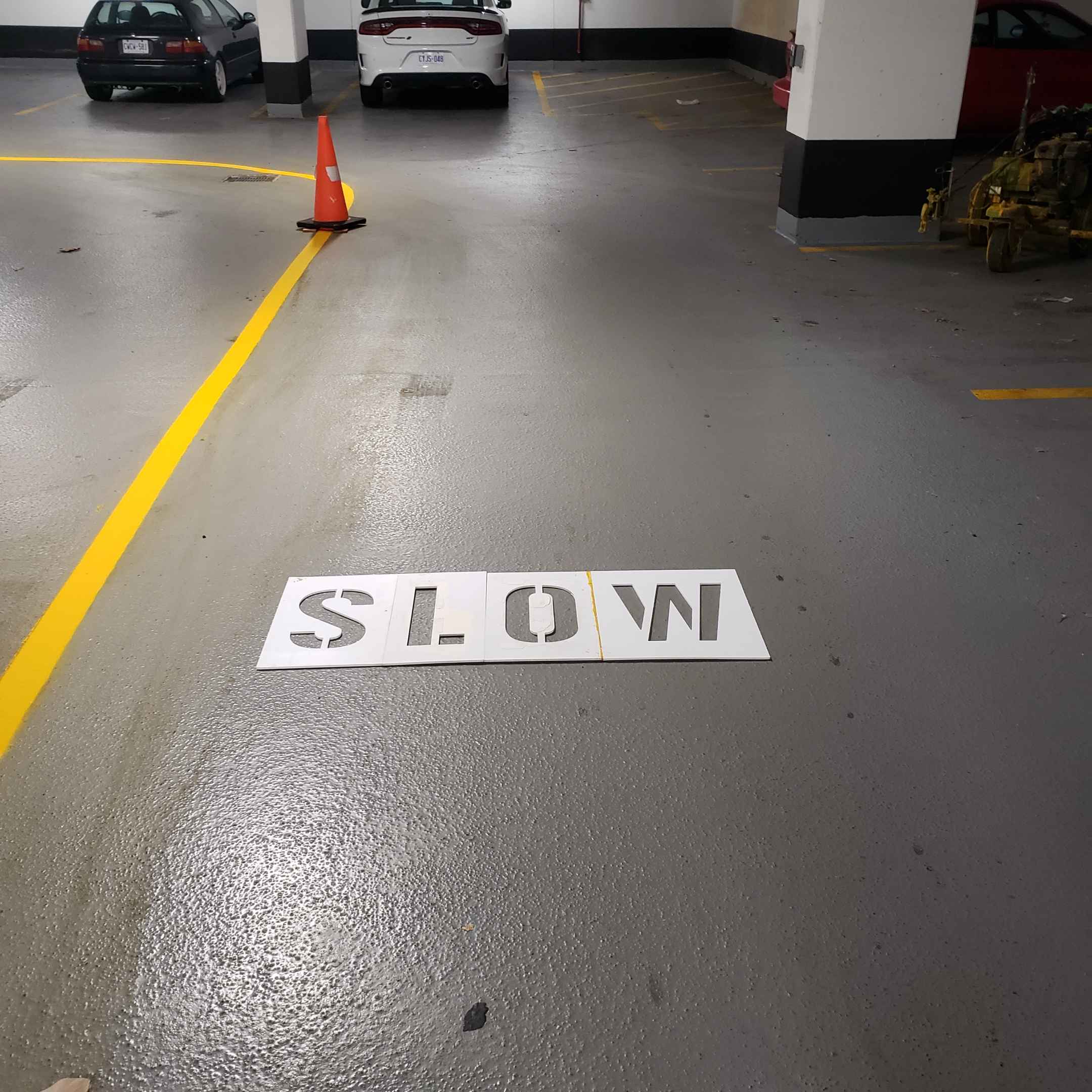
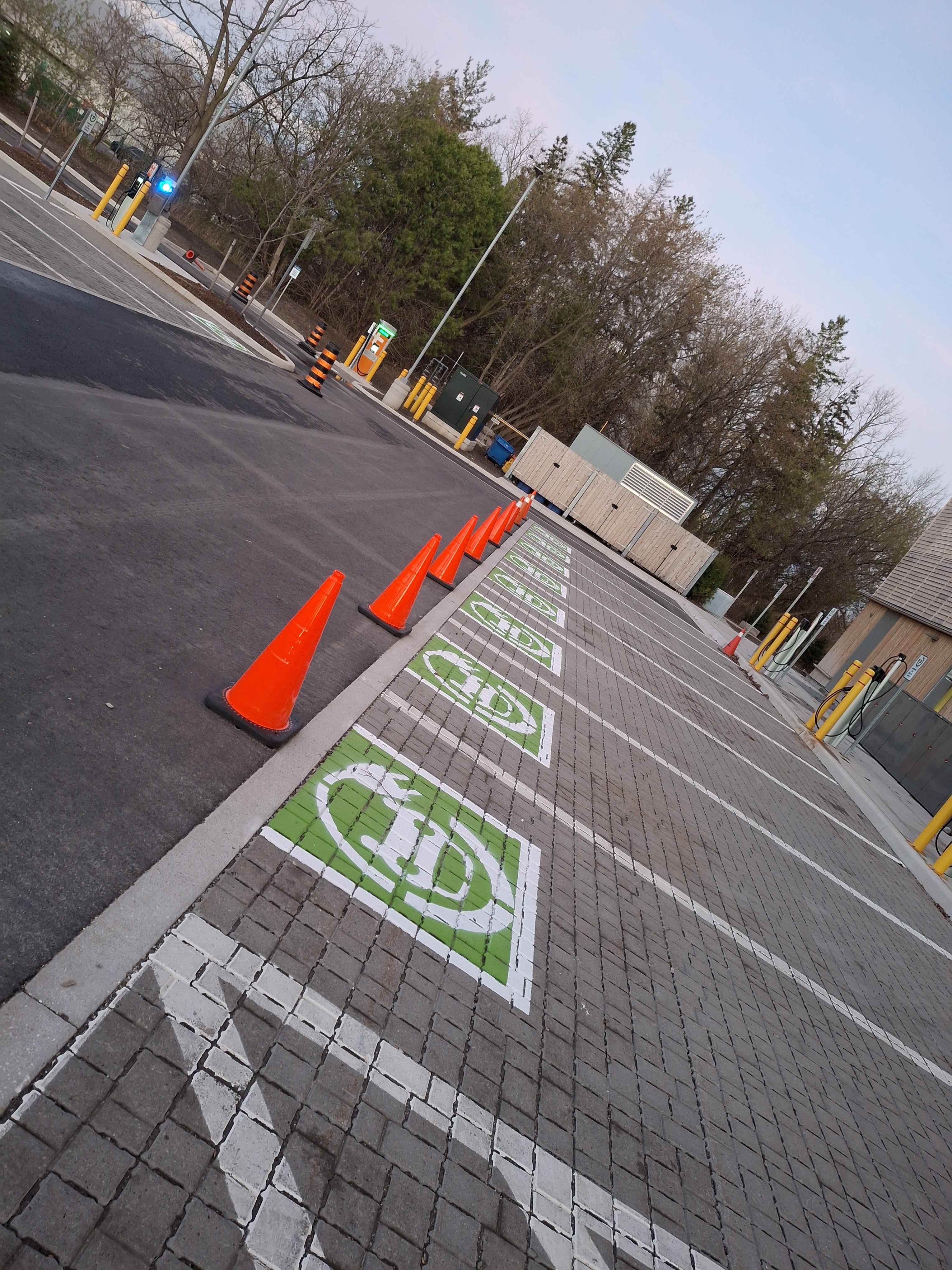
When you combine fresh sealcoating with crisp, bright Line Painting, you create a high-contrast environment that improves safety and navigation for drivers. Capital Parking Lot Line Painting specializes in this holistic approach, ensuring that your parking lot is not only protected from the elements but is also clearly organized and visually striking.
Common Mistakes to Avoid
To get the most out of your investment, avoid these frequent pitfalls in asphalt care:
1. Waiting Too Long
Many property owners in Markham wait until they see large cracks or potholes before calling a professional. By that stage, the damage is often structural. Sealcoating should be done while the asphalt is still in good condition to prevent the damage from occurring in the first place.
2. Ignoring Surface Preparation
Sealcoating over dirt, debris, or loose gravel is a recipe for failure. A professional team like Capital Parking Lot Line Painting ensures the surface is thoroughly cleaned and repaired before the sealant is applied to guarantee maximum adhesion.
3. Poor Timing
Applying sealant during rain or in temperatures that are too low can prevent the product from curing correctly. Proper scheduling is vital for a long-lasting result.
Ready to Protect Your Investment?
Don't wait for your pavement to fail. A proactive maintenance plan featuring regular sealcoating and professional Line Marking is the most effective way to manage your asphalt assets. Contact the experts to schedule your assessment.