The Role of Sealcoating in Long-Term Asphalt Maintenance
Asphalt is a heavy-duty material designed to withstand immense pressure, yet it remains surprisingly vulnerable to the environment. Understanding the science of sealcoating is the first step toward ensuring your pavement lasts for decades rather than years.
Understanding the Vulnerability of Asphalt
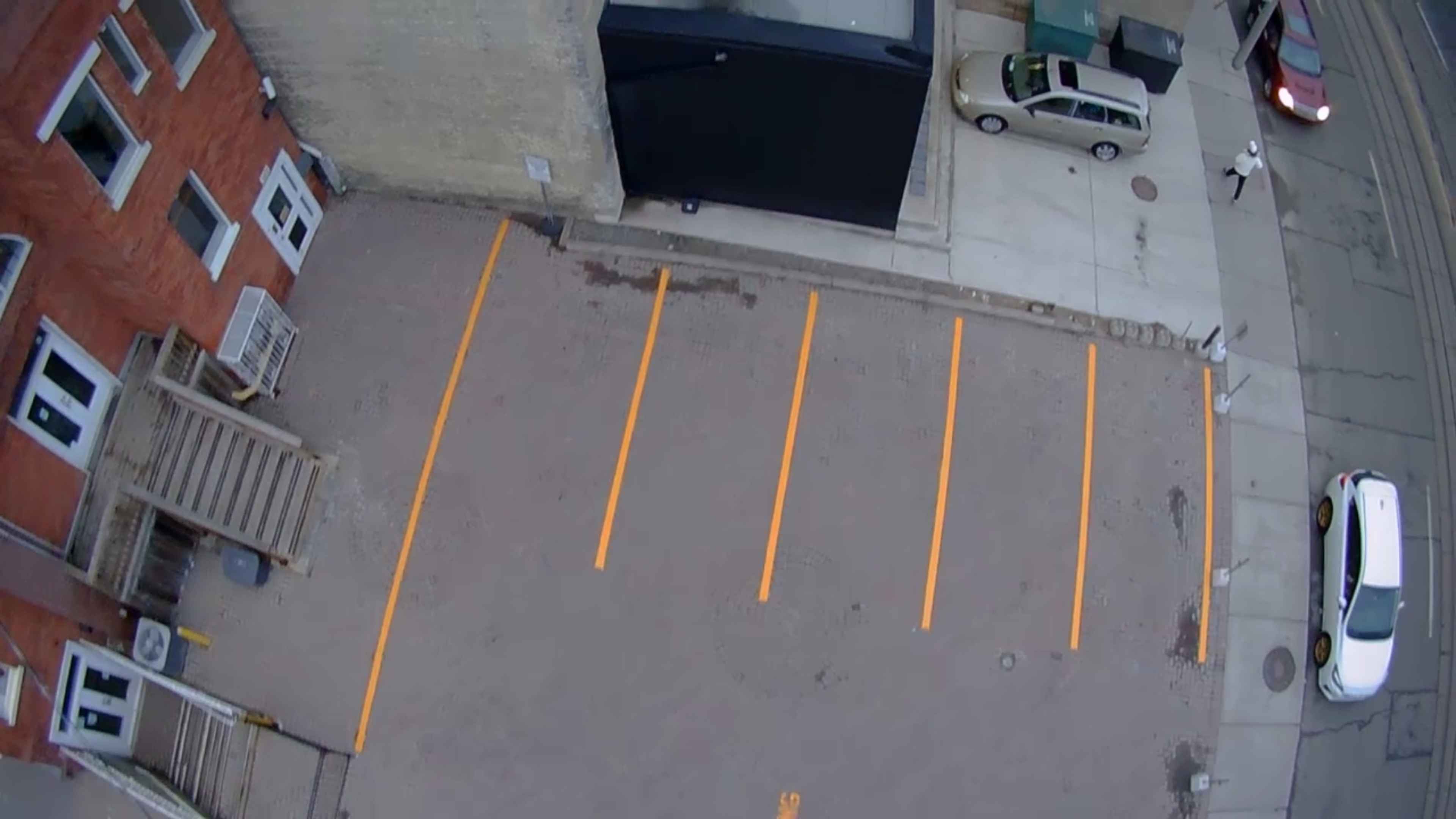
Asphalt is a mixture of aggregates and bitumen. While bitumen acts as the "glue" that holds everything together, it is also the most sensitive component of the mixture. Over time, exposure to UV rays, oxidation, and extreme temperature fluctuations causes the bitumen to harden and crack. Once the binder loses its flexibility, the asphalt becomes brittle, leading to potholes and surface degradation.
For property owners in Sarnia, these challenges are amplified by the seasonal freeze-thaw cycles typical of Ontario. When water enters tiny fissures in the pavement and freezes, it expands, widening the cracks and causing structural damage. This is where professional intervention becomes necessary.
What is Sealcoating?
Sealcoating is the process of applying a protective liquid coating to the surface of an asphalt area. This coating acts as a sacrificial layer, meaning it takes the brunt of the environmental damage so the underlying asphalt doesn't have to. By applying a high-quality sealant, you are essentially creating a waterproof and UV-resistant shield.
At Capital Parking Lot Line Painting, we emphasize that sealcoating is not just an aesthetic upgrade; it is a vital preventative maintenance tool. While a fresh coat of sealant makes a lot look brand new, its true value lies in the structural preservation it provides.
The Core Benefits of Regular Sealcoating
Investing in regular maintenance schedules can save property owners significant amounts of effort and resources in the long run. Here are the primary advantages:
- UV Protection: Prevents the sun's rays from oxidizing the bitumen and turning the surface grey and brittle.
- Waterproofing: Seals small cracks to prevent water from penetrating the sub-base, which is crucial for preventing frost heaves.
- Chemical Resistance: Protects the pavement from oil, gas, and other automotive fluids that can dissolve asphalt binders.
- Enhanced Curb Appeal: Restores the deep black color of the asphalt, providing a professional look for businesses.
- Improved Safety: A smooth, well-maintained surface reduces trip hazards and provides a better foundation for Line Marking.
The Relationship Between Sealcoating and Line Marking
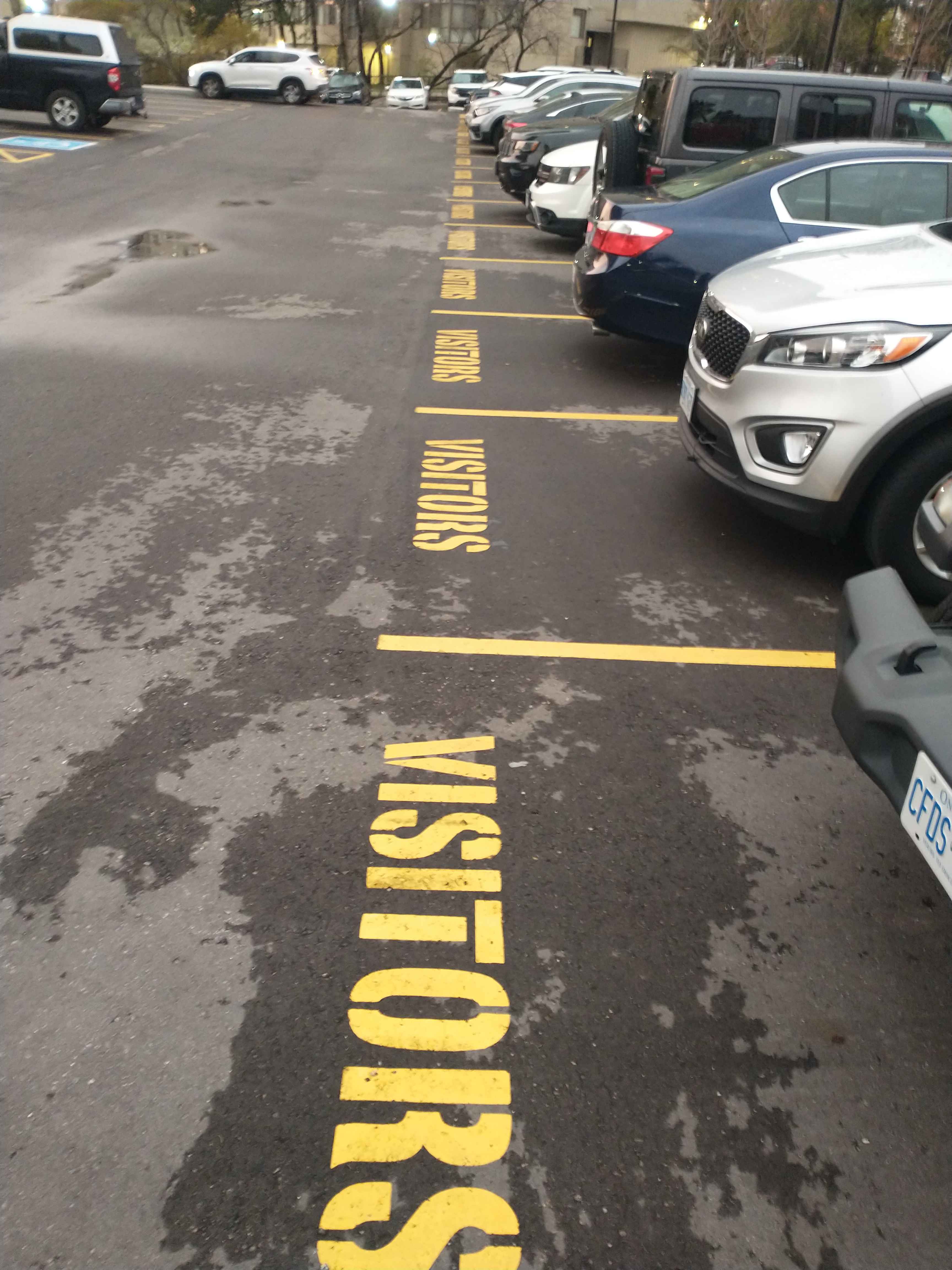
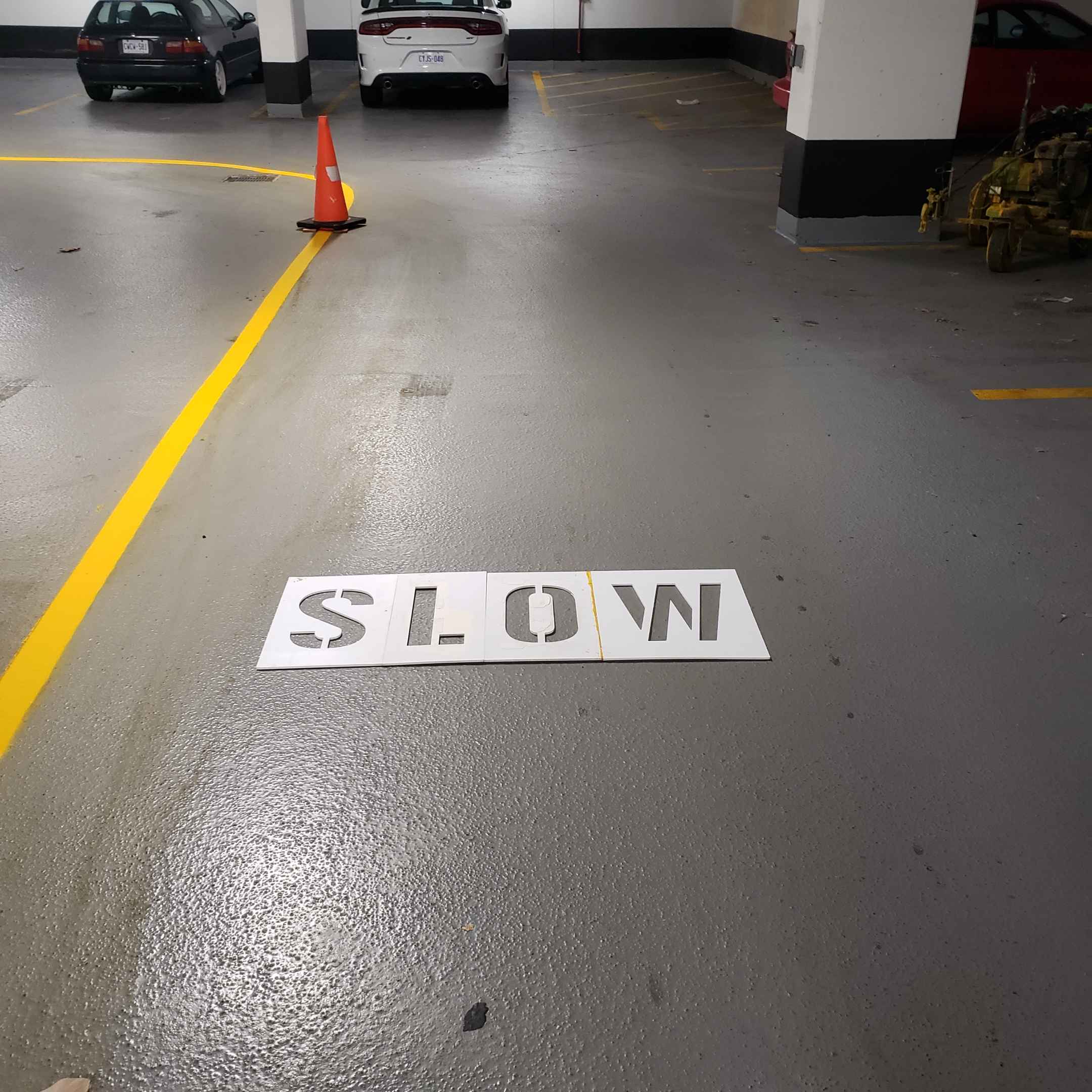
A common mistake property managers make is treating sealcoating and Line Marking as entirely separate tasks. In reality, they are complementary. For a parking lot to be functional and compliant with safety regulations, the markings must be crisp, visible, and well-placed.
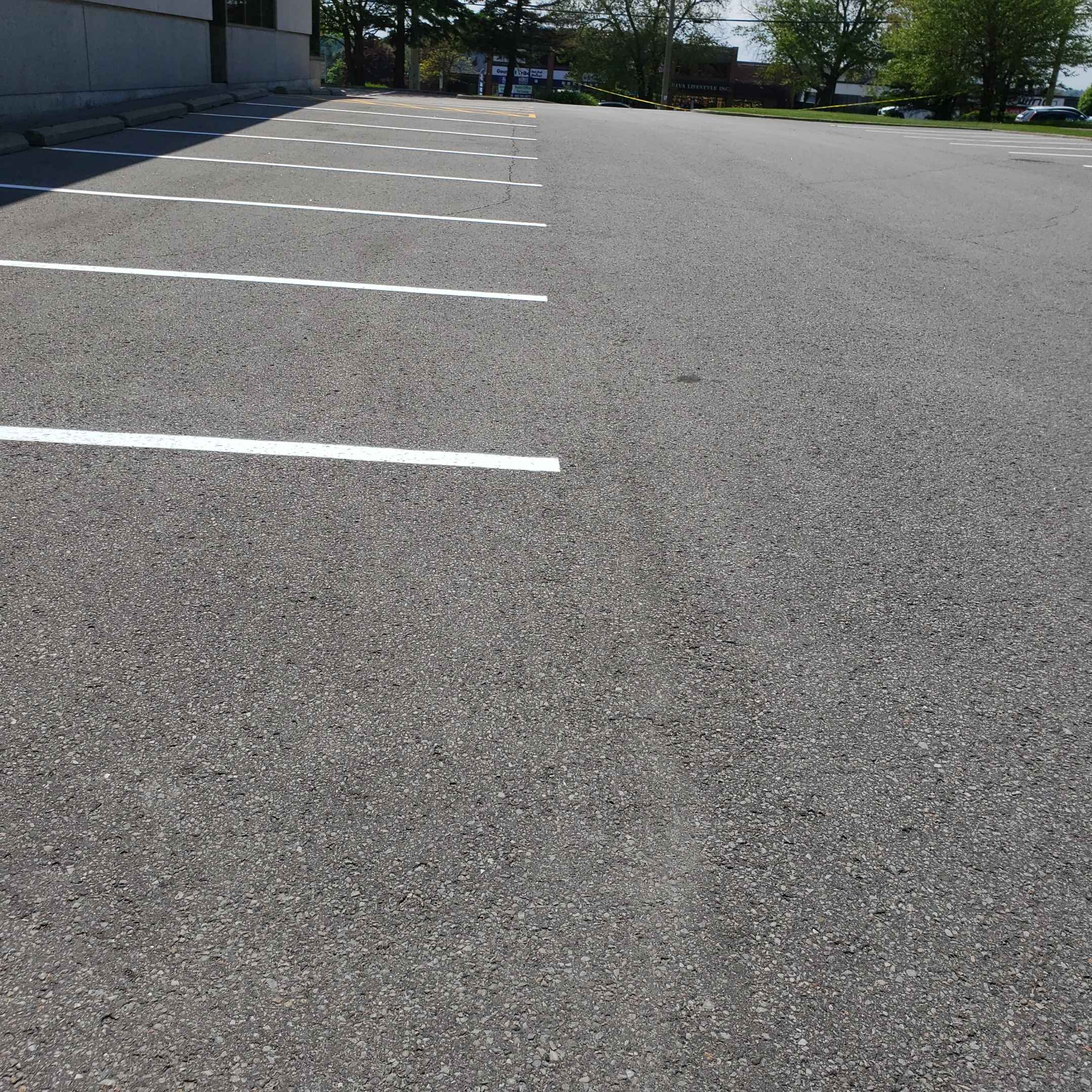
When you work with Capital Parking Lot Line Painting, we recommend performing Line Painting shortly after the sealcoating has fully cured. The dark, fresh surface of the newly sealed asphalt provides the perfect high-contrast background for bright white or yellow lines, ensuring maximum visibility for drivers and pedestrians alike.
Don't Wait for the Cracks to Appear
Proactive maintenance is always more effective than reactive repairs. Waiting until your parking lot in Sarnia is full of potholes means you are no longer just sealcoating; you are entering the much more intensive realm of asphalt patching and reconstruction.
Common Mistakes to Avoid
To get the most out of your maintenance budget, avoid these common pitfalls:
- Applying sealant over dirty surfaces: Dirt and debris prevent the sealant from bonding properly.
- Ignoring small cracks: Sealcoating is a surface treatment; deep cracks should be repaired before the coating is applied.
- Choosing low-quality materials: Not all sealants are created equal. Professional grade materials are essential for longevity.
- Poor timing: Applying sealant in improper weather conditions (too cold or too wet) can lead to premature failure.
Conclusion
Maintaining an asphalt surface is a marathon, not a sprint. By incorporating regular sealcoating into your facility management plan, you protect your investment, enhance safety, and ensure a professional appearance for your clients. Trust the experts at Capital Parking Lot Line Painting to handle your maintenance needs with precision and care.