Why Routine Crack Inspections Should be on Your Calendar
Asphalt is the foundation of your property's accessibility, but it is often an overlooked asset until something goes wrong. Proactive maintenance is the key to longevity.
The Hidden Danger of Small Cracks
For property managers and business owners, a parking lot might seem like a "set it and forget it" feature. However, asphalt is a living, breathing surface that reacts to temperature shifts, heavy vehicle loads, and moisture. What begins as a hairline fracture can quickly escalate into a structural failure if left unaddressed.
In a bustling area like Whitby, where seasonal weather changes can be extreme, the freeze-thaw cycle is a relentless enemy of pavement. When water enters a small crack, it expands as it freezes, pushing the asphalt apart and widening the gap. This cycle repeats annually, turning minor cosmetic issues into deep potholes that require total resurfacing.
At Capital Parking Lot Line Painting, we have seen firsthand how a simple inspection can prevent a complete overhaul of a parking facility.
The Benefits of Proactive Crack Sealing
Scheduling regular inspections isn't just about spotting damage; it's about strategic asset management. By identifying vulnerabilities early, you can implement targeted repairs that extend the life of your surface by years.
- Cost Prevention: Patching a crack is significantly more economical than replacing an entire section of asphalt.
- Enhanced Safety: Regular inspections help identify tripping hazards and uneven surfaces before they lead to liability claims.
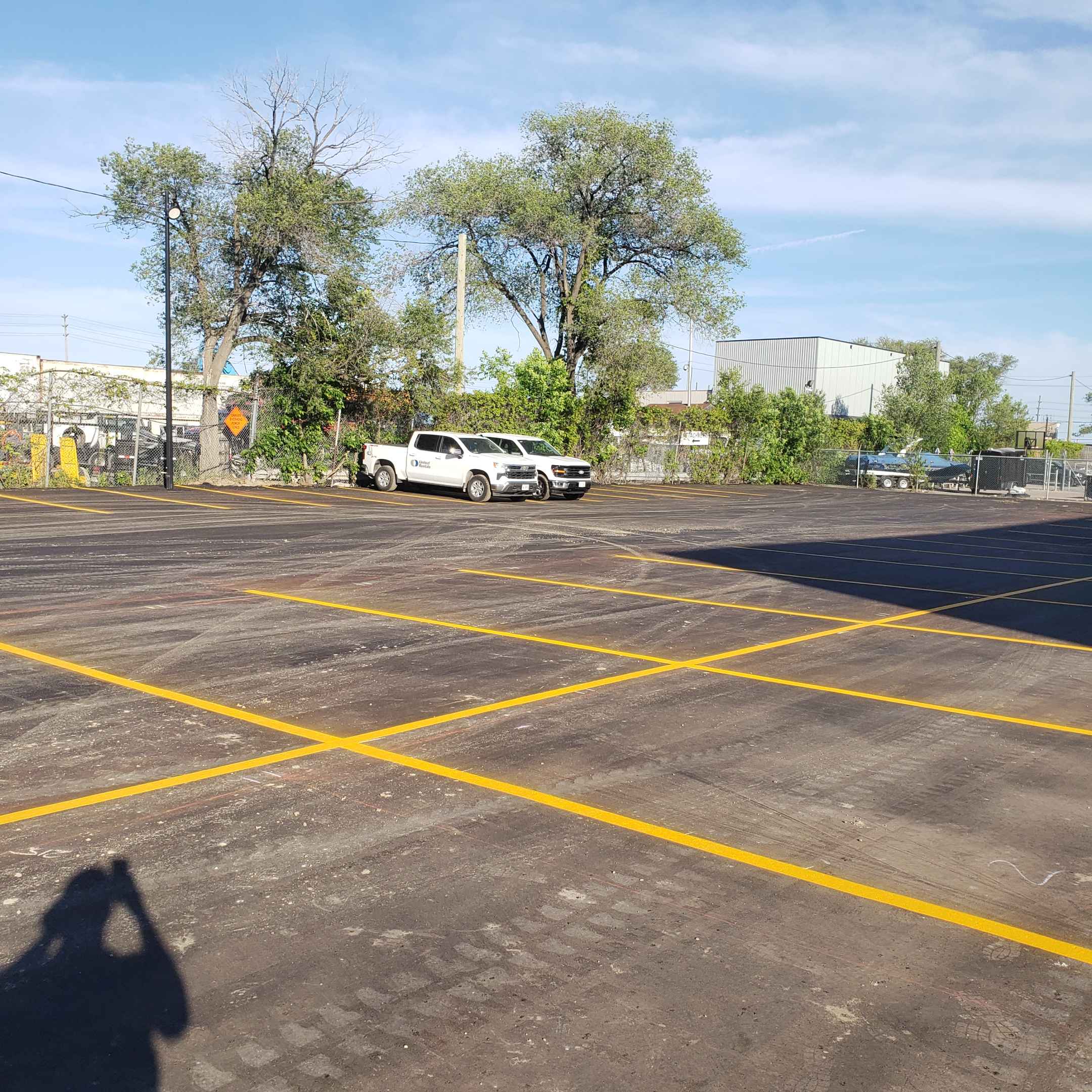
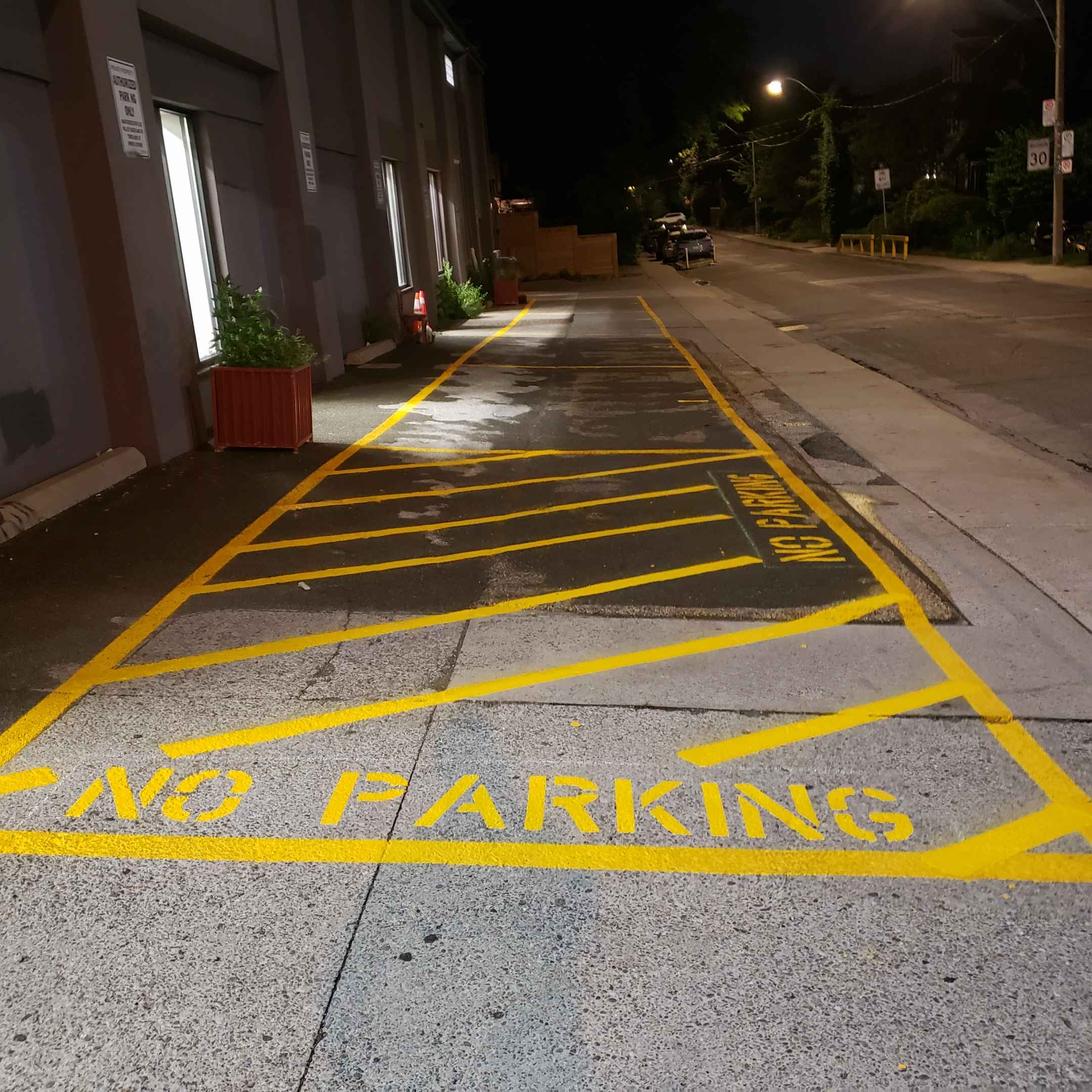
- Improved Curb Appeal: A well-maintained lot with fresh Line Marking and sealed cracks signals professionalism to your clients.
- Structural Integrity: Preventing water infiltration protects the sub-base of your parking lot from erosion.
Common Types of Asphalt Cracks to Watch For
During a professional inspection, several types of cracking are typically evaluated. Understanding these can help you communicate more effectively with your maintenance providers.
1. Alligator Cracking
This resembles the scales of an alligator and is a sign of deep-seated structural failure, often caused by a weakened sub-base. This requires immediate attention from Capital Parking Lot Line Painting professionals.
2. Longitudinal and Transverse Cracking
Longitudinal cracks run parallel to the direction of travel, while transverse cracks run perpendicular. These are often caused by temperature fluctuations or poor joint construction.
3. Block Cracking
This appears as large, interconnected blocks. It is typically a sign of aged asphalt that has lost its flexibility due to oxidation.
Don't Wait for the Pothole
By the time you see a pothole, the damage is already done. Regular inspections and timely Line Painting ensure your lot remains functional and attractive. If you are located in Whitby or the surrounding regions, professional oversight is your best defense against the elements.
How to Build Your Maintenance Calendar
To stay ahead of the curve, we recommend a tiered approach to pavement management:
- Annual Spring Inspection: Check for damage caused by winter ice and salt.
- Late Summer Sealcoating: Apply protective layers when the pavement is warm and dry.
- Bi-Annual Line Marking: Ensure your Line Painting is visible for safety and compliance.
Trusting the experts at Capital Parking Lot Line Painting ensures that your maintenance schedule is optimized for your specific lot conditions and local climate.