Why Sealcoating and Pavement Marking Should Go Hand-in-Hand
Maximizing the lifespan and safety of your asphalt investment requires a holistic approach to maintenance.
When managing a commercial property, the condition of your parking lot is often the first thing a customer notices. It serves as the gateway to your business, providing the initial impression of professionalism and care. For property managers in Burlington, maintaining this gateway is not just about aesthetics; it is about structural integrity and liability management. While many property owners view sealcoating and line marking as two separate maintenance tasks, the most effective way to manage asphalt is to treat them as a unified strategy.
At Capital Parking Lot Line Painting, we have seen firsthand how integrating these two services creates a synergistic effect that protects your pavement far better than treating them in isolation. In this guide, we will explore why these two processes are better together.
The Role of Sealcoating: Your Asphalt's Shield
Asphalt is a porous material. Over time, exposure to UV rays, water penetration, oil spills, and harsh Canadian winters can cause the bitumen to oxidize and crack. Sealcoating acts as a protective barrier, filling in microscopic cracks and creating a waterproof seal that prevents the sub-base from eroding.
By applying a high-quality sealer, you are effectively slowing down the aging process. However, sealcoating alone only addresses the health of the material. To make that material functional and safe for high-traffic environments, you need visual guidance.
The Importance of Professional Line Marking
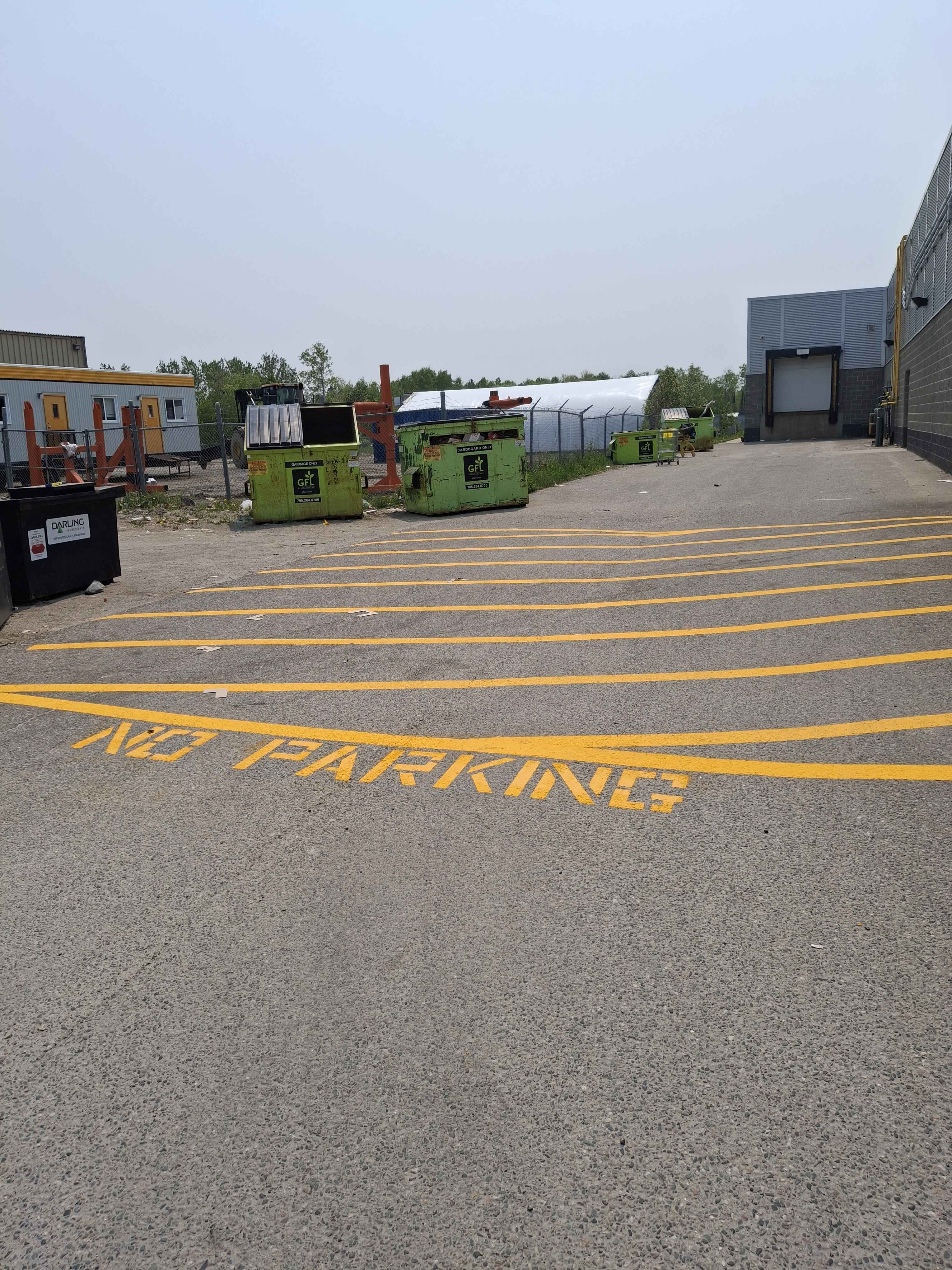
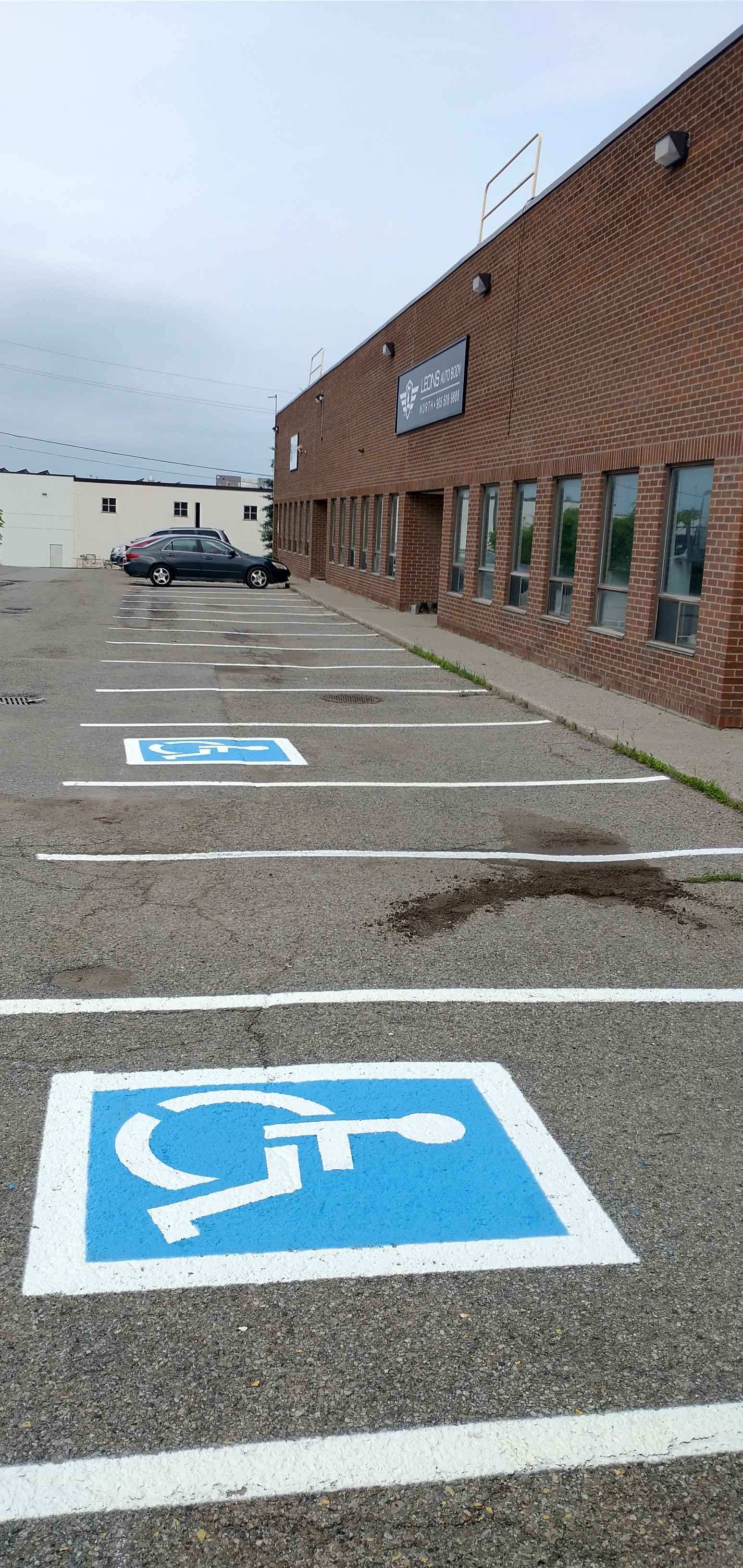
If sealcoating is the shield, then line marking is the roadmap. Line marking (or line painting) provides the essential structure to your parking lot. It defines where vehicles should park, where pedestrians should walk, and where traffic must flow. Without clear, crisp lines, even a perfectly sealed parking lot can become a chaotic and dangerous environment.
Using professional services like Capital Parking Lot Line Painting ensures that your markings are compliant with local regulations and optimized for traffic flow. High-visibility markings reduce the risk of collisions and accidents, which is a critical component of risk management for any business owner.
The Benefits of a Combined Approach
When you schedule sealcoating and line marking to be performed in tandem, you unlock several strategic advantages:
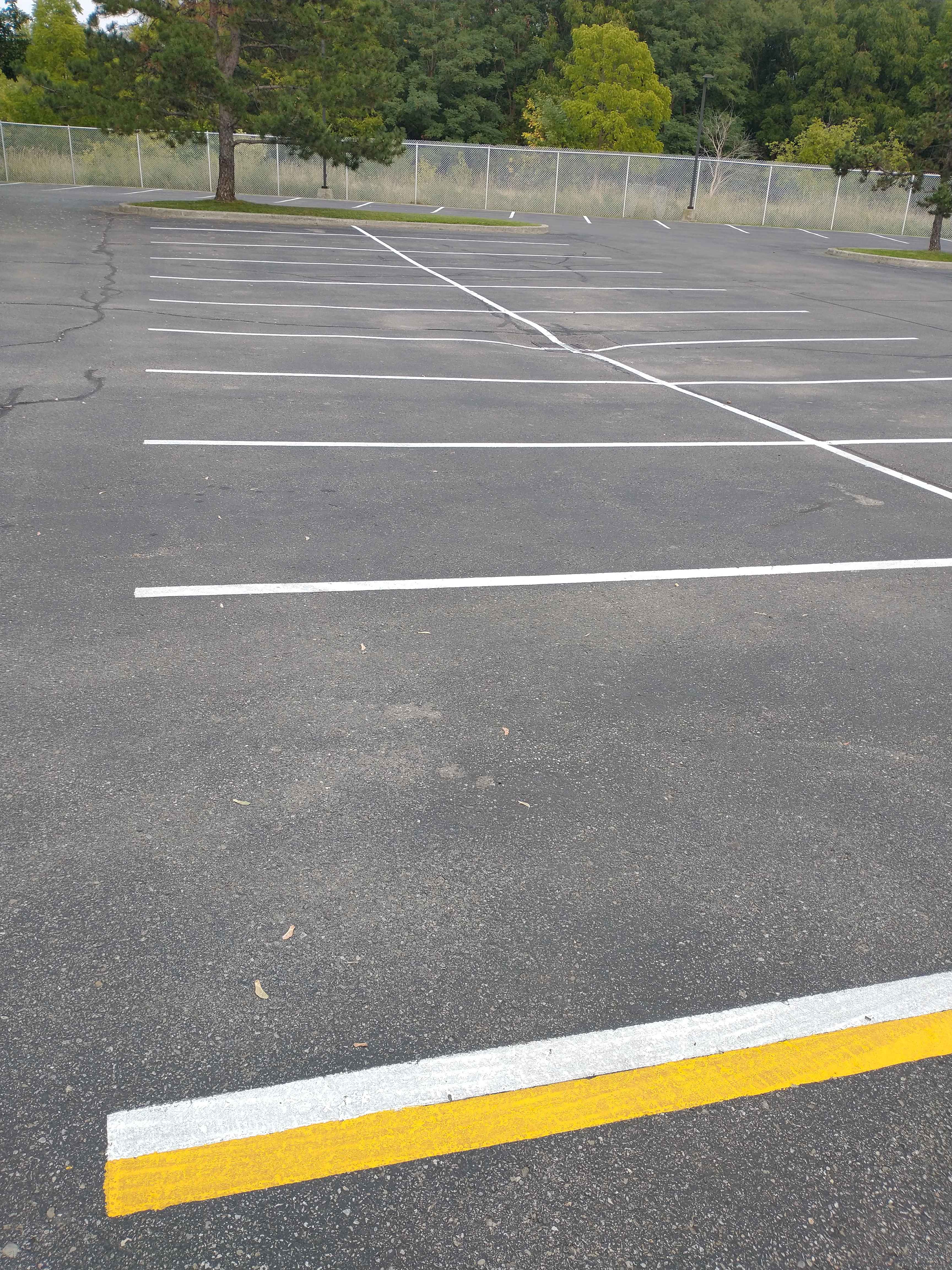
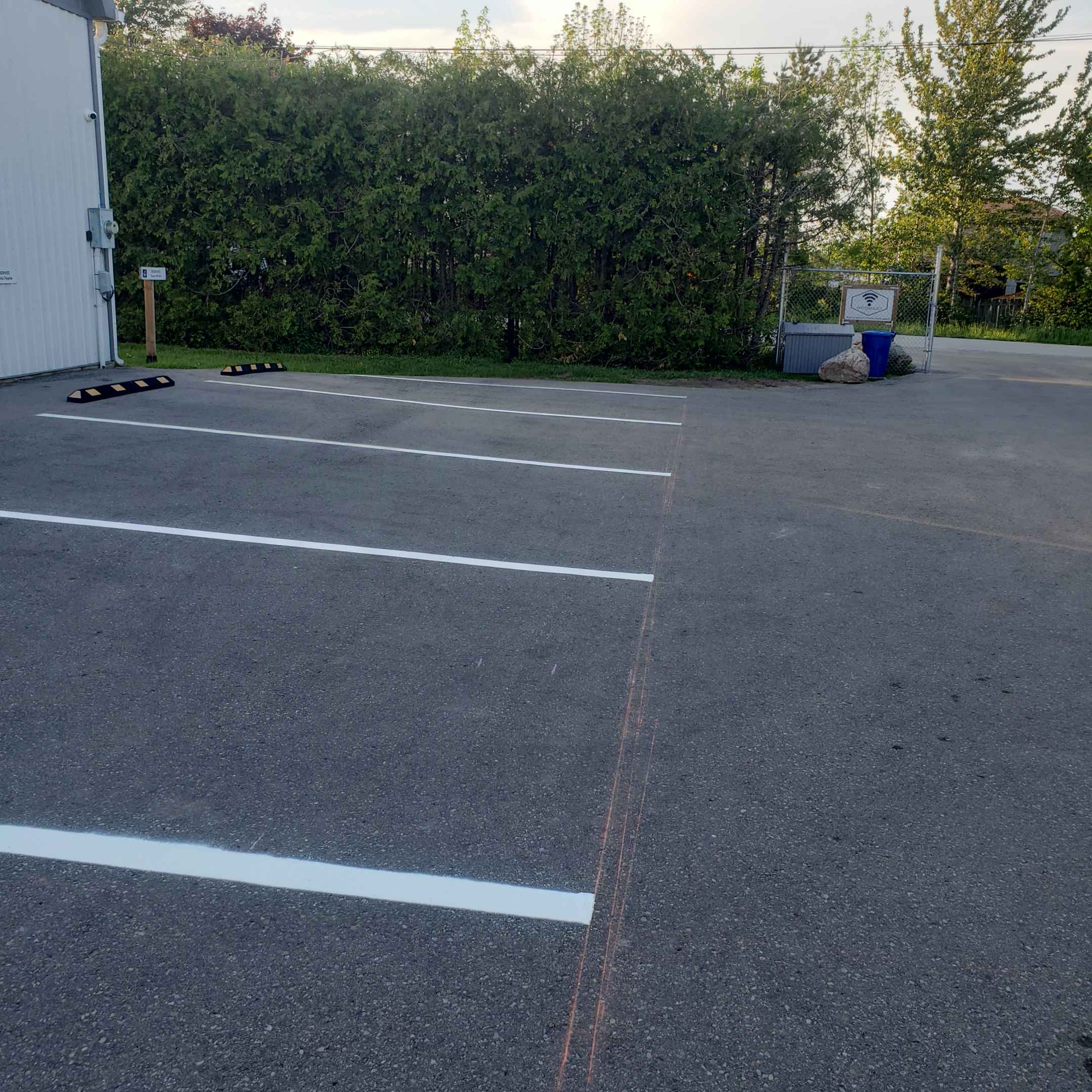
- Enhanced Visual Impact: Fresh, black sealcoating provides the perfect high-contrast backdrop for bright, clean line marking, making your lot look brand new.
- Operational Efficiency: Scheduling both services at once minimizes the downtime of your parking lot, meaning less disruption to your customers and tenants.
- Superior Adhesion: When line marking is applied to a freshly prepared and sealed surface, the markings often appear more vibrant and maintain their integrity longer.
- Comprehensive Protection: You are addressing both the physical degradation of the asphalt and the functional safety of the site in a single maintenance cycle.
Common Mistakes to Avoid
Many property owners in top-tier cities like Burlington make the mistake of delaying one service while prioritizing the other. This can lead to several issues:
1. Painting Over Worn Asphalt
Applying line marking to old, crumbling asphalt is a waste of resources. The paint will not adhere properly to the uneven, oxidized surface, leading to premature peeling and fading.
2. Neglecting the Sealcoat After Painting
If you only focus on line marking and neglect the sealcoating, the underlying asphalt will continue to degrade. Eventually, the cracks will become so wide that the painted lines will break apart along with the pavement.
By partnering with Capital Parking Lot Line Painting, you ensure that these mistakes are avoided through a professional assessment of your lot's specific needs.
A Seamless Workflow for Maximum Results
To achieve the best results, a professional team follows a specific sequence. First, the area is cleaned of all debris and oil stains. Next, any necessary repairs like crack filling are completed. Then, the sealcoating is applied and allowed to cure. Once the sealer has set, the line marking is executed with precision. This sequence ensures that the markings sit atop a stable, clean, and protected surface.
Ready to Transform Your Property?
Don't wait for cracks to become potholes or for faded lines to cause accidents. Proactive maintenance is the key to long-term savings and a professional image.