What Facility Managers Should Know About Sealcoating Curing Times
Effective pavement management is a balancing act between aesthetic appeal, structural integrity, and operational continuity. For facility managers, understanding the science of curing is the key to a successful maintenance cycle.
The Critical Importance of Curing Time
Sealcoating is more than just a cosmetic upgrade; it is a protective shield for your asphalt. However, the protective qualities of the sealant are not immediate. The "curing time" refers to the period during which the sealant undergoes a chemical or physical change to transition from a liquid state to a hard, durable film.
If a vehicle enters a freshly sealed lot too early, it can cause tracking, scuffing, and permanent damage to the protective layer. This is why working with professionals like Capital Parking Lot Line Painting is vital—they understand the delicate window between application and full functionality.
Differentiating Between Drying and Curing
One of the most common mistakes facility managers make is confusing "dry to the touch" with "fully cured." It is essential to distinguish between these two phases to prevent operational headaches.
1. Drying Time (The Surface Phase)
Drying occurs when the moisture or solvents in the sealant evaporate. Once the surface is dry, it may look finished, but the internal structure of the sealant is still soft. During this phase, light foot traffic might be possible, but heavy vehicle traffic remains a significant risk.
2. Curing Time (The Structural Phase)
Curing is the deeper process where the sealant bonds with the asphalt aggregates. In a city like Barrie, where weather patterns can fluctuate, the curing process can be heavily influenced by humidity and temperature. A fully cured surface is resistant to oil spills, UV rays, and heavy tire friction.
Factors That Influence Curing Speed
Not all sealcoating projects are created equal. Several environmental and technical factors will dictate how long your parking lot remains closed to traffic:
- Ambient Temperature: Warmer temperatures generally accelerate the chemical reaction, while cold snaps can stall the process entirely.
- Humidity Levels: High humidity can trap moisture, significantly extending the drying time.
- Sealant Composition: Different types of sealants (coal tar vs. asphalt emulsion) have varying evaporation rates.
- Application Thickness: Over-applying sealant can lead to "soft spots" that take much longer to cure.
- Sunlight Exposure: Direct UV exposure can help speed up certain types of drying, but extreme heat can cause cracking if not managed.
Coordinating with Line Marking
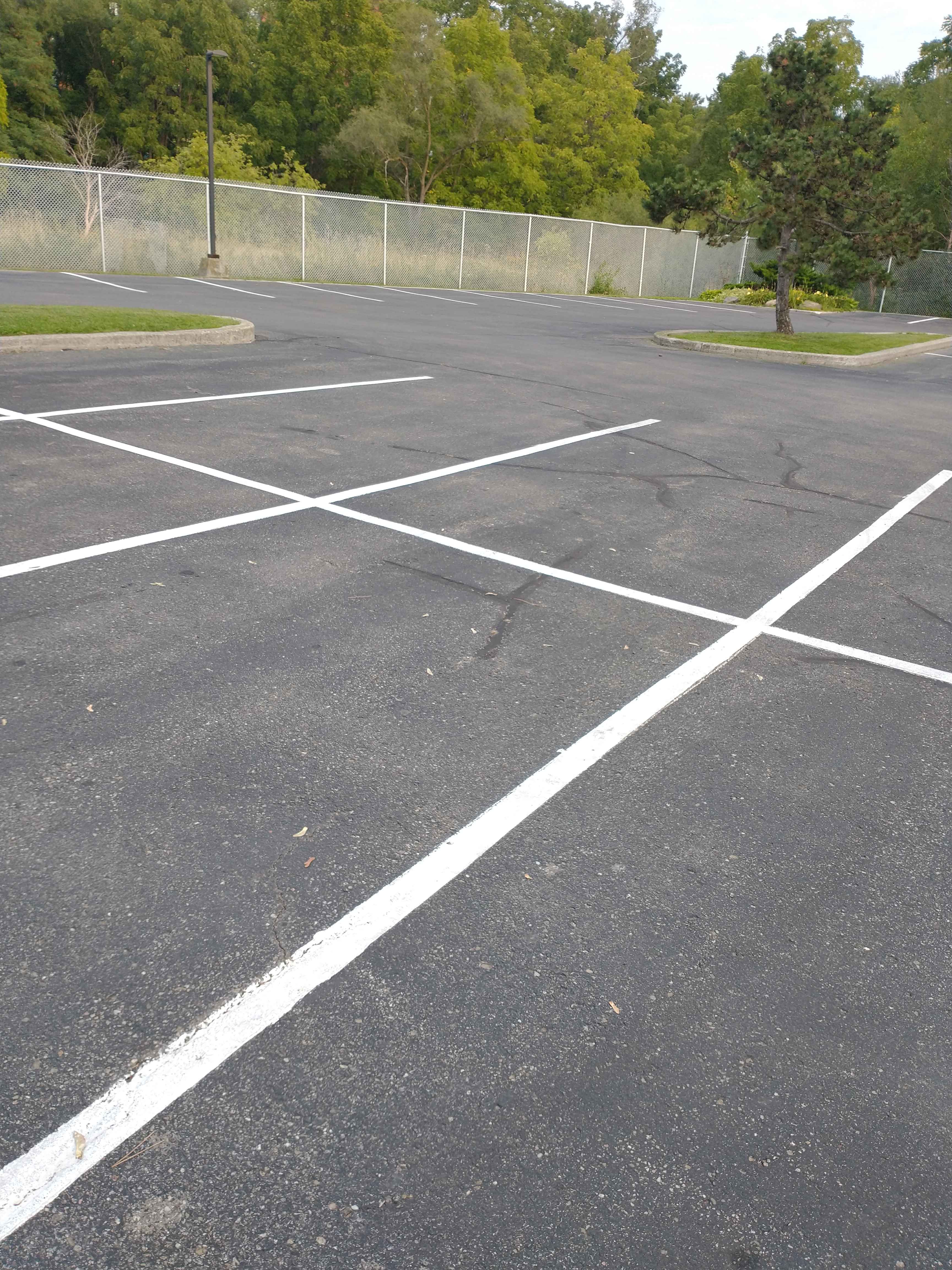
Timing your maintenance is a multi-step process. You cannot simply sealcoat and immediately begin Line Marking. If you apply paint to a sealant that hasn't reached its proper hardness, the paint will peel or bubble shortly after application.
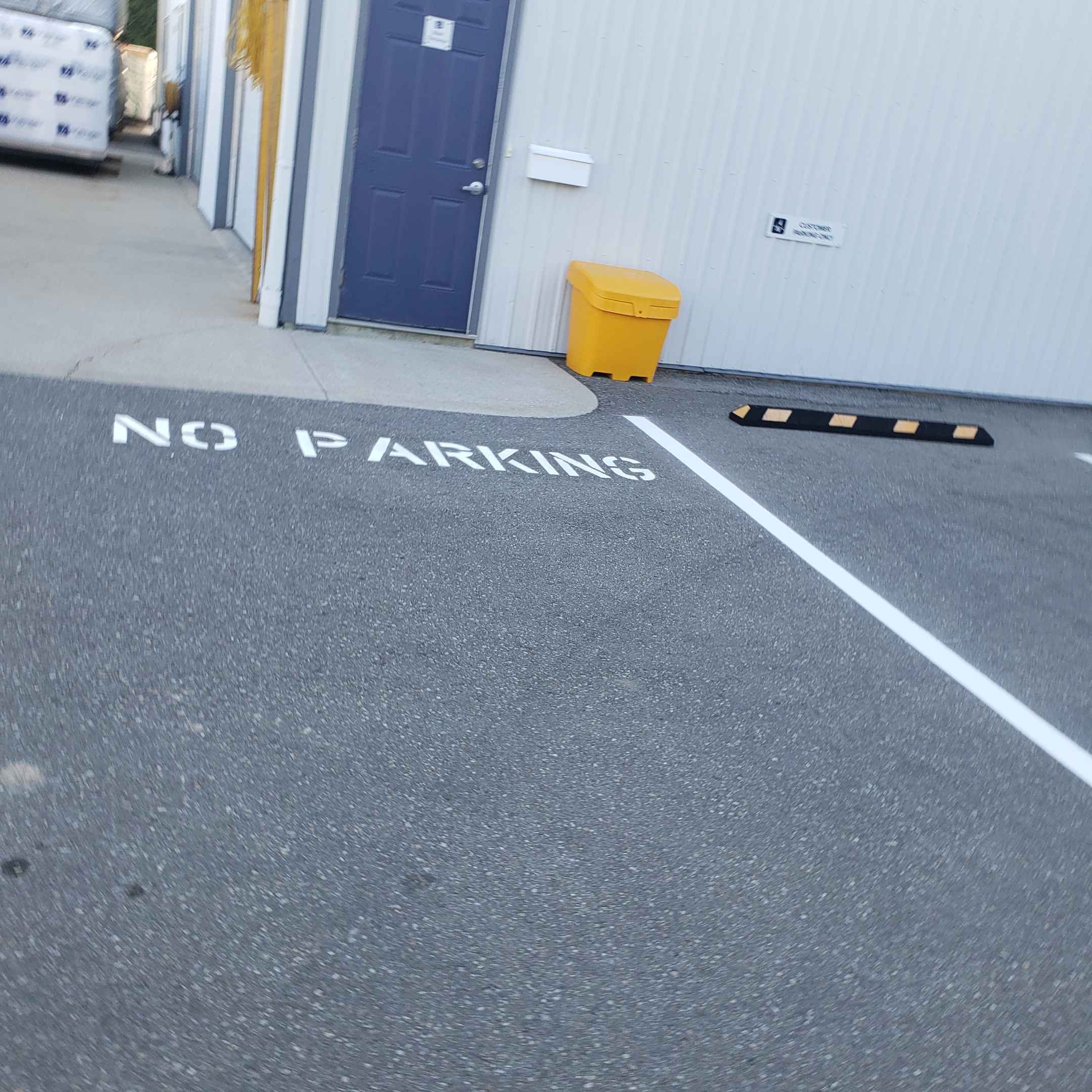
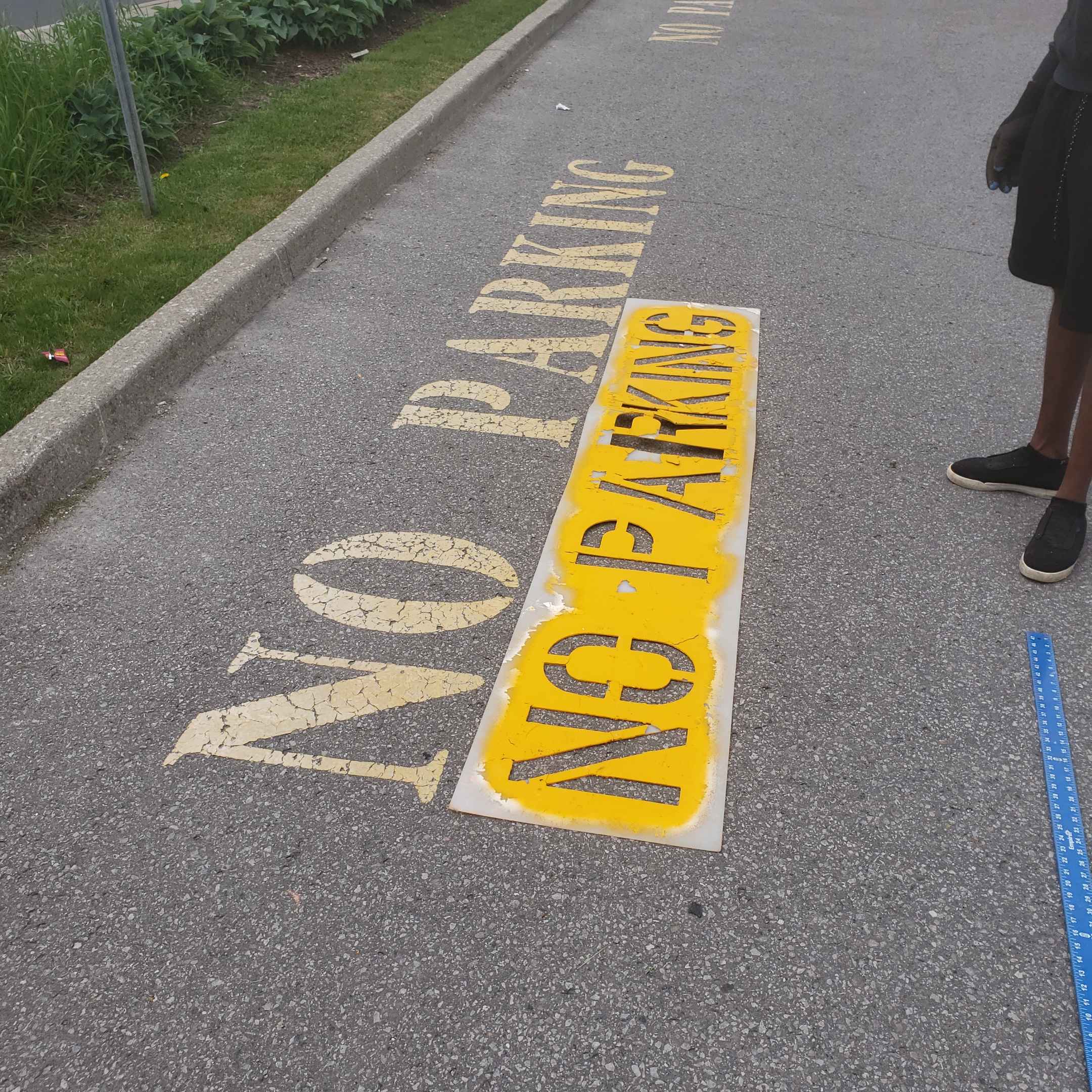
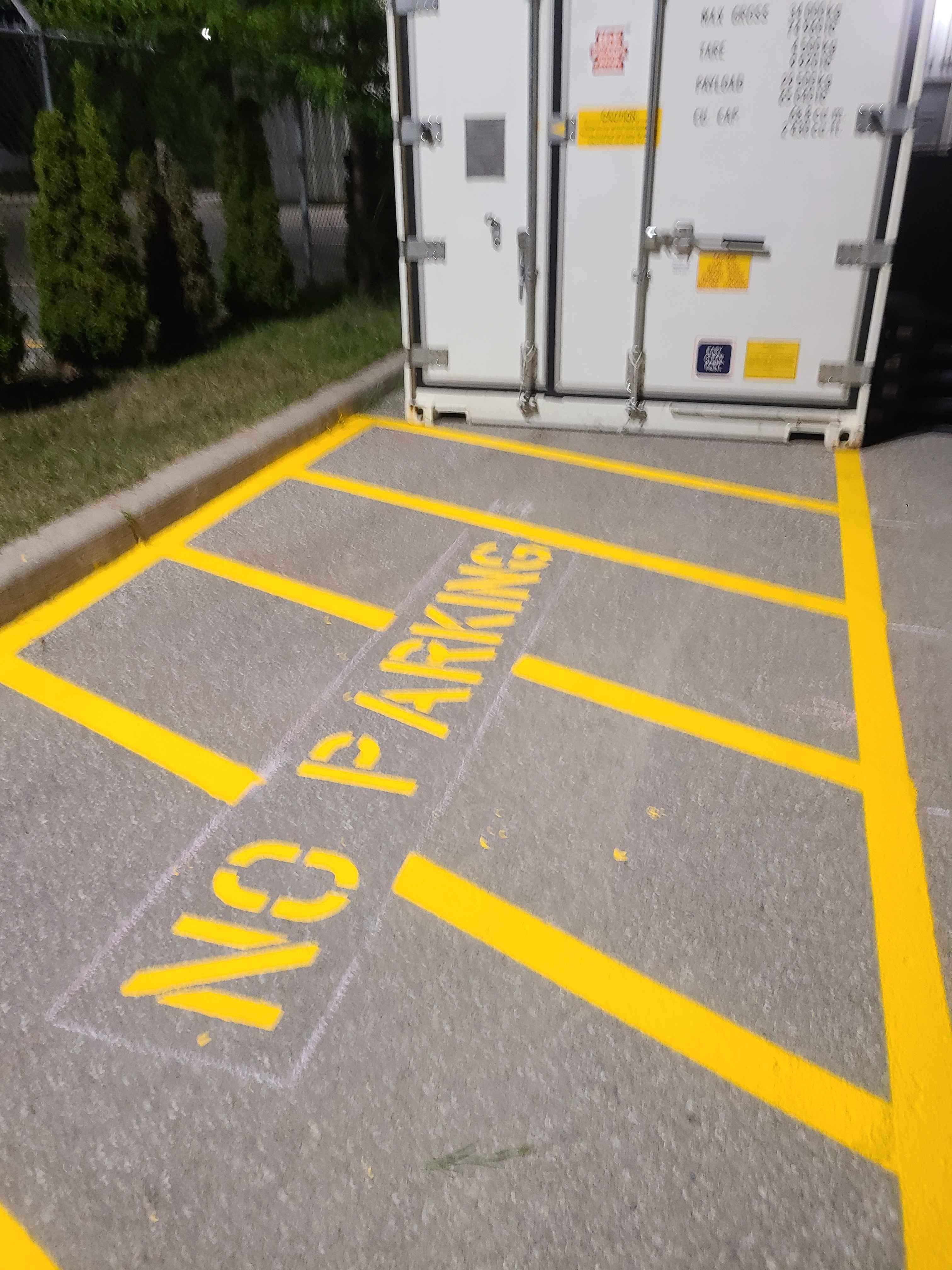
At Capital Parking Lot Line Painting, we recommend a staged approach. First, the asphalt is cleaned and repaired. Second, the sealcoat is applied and allowed to cure. Only after the sealant has achieved sufficient hardness should the Line Painting process begin. This ensures that your directional arrows, stalls, and handicap symbols remain crisp and visible for years to come.
Best Practices for Facility Managers
To ensure your project in Barrie or the surrounding Ontario areas goes smoothly, keep these professional tips in mind:
Plan for Buffers
Always build a 24-to-48-hour buffer into your schedule to account for unexpected rain or high humidity.
Communicate Early
Notify tenants and visitors well in advance about lot closures to avoid frustration and unauthorized vehicle entry.
Summary Visual
Professional Sealcoating Application
Conclusion
Understanding the nuances of curing times allows you to manage your facility's assets with confidence. By respecting the chemical process and coordinating your sealcoating and Line Marking with a professional team like Capital Parking Lot Line Painting, you protect your investment and ensure a safe, professional appearance for your property.