What Facility Managers Should Know About Sealcoating Curing Times
Understanding the science of drying and curing is essential for minimizing operational downtime and maximizing asset longevity.
For facility managers, a parking lot is more than just a slab of asphalt; it is the first impression of a business and a critical piece of infrastructure. When it comes time to protect that investment through sealcoating, the most common question isn't about the application itself, but rather: "How long until we can use it again?"
At Capital Parking Lot Line Painting, we understand that timing is everything. A premature return to traffic can ruin a fresh application, leading to tracking, scuffing, and wasted resources. In a bustling hub like Hamilton, where commercial activity never truly stops, managing these windows of downtime requires strategic planning.
Drying vs. Curing: Knowing the Difference
One of the most significant mistakes facility managers make is conflating "drying" with "curing." While these terms are often used interchangeably in casual conversation, they represent two very different stages of the chemical process.
The Drying Phase
Drying is the evaporation of the solvents or water within the sealcoat. This is the stage where the surface feels dry to the touch. Generally, this happens within a few hours, depending on the weather. However, just because the surface is dry does not mean it is structurally sound.
The Curing Phase
Curing is a much more complex chemical reaction where the sealcoat hardens and bonds with the asphalt substrate. This process can take anywhere from 24 to 72 hours. During this time, the material is still susceptible to damage from heavy vehicles, chemical spills, or even aggressive foot traffic.
Factors That Influence Curing Speed
Not all sealcoating projects are created equal. Several environmental and logistical variables will dictate how quickly your lot can return to service:
- Temperature: Warmer temperatures generally accelerate the chemical reaction, while cold snaps can stall the process entirely.
- Humidity: High humidity levels slow down the evaporation of moisture, significantly extending the drying time.
- Sunlight Exposure: Direct UV rays can assist in drying, but extreme heat can sometimes cause the sealcoat to dry too quickly on the surface, trapping moisture underneath.
- Product Composition: Coal tar-based vs. asphalt-emulsion sealants have different chemical profiles and curing requirements.
- Application Thickness: A thicker layer provides better protection but requires significantly more time to cure through to the bottom layer.
Coordinating with Line Marking Services
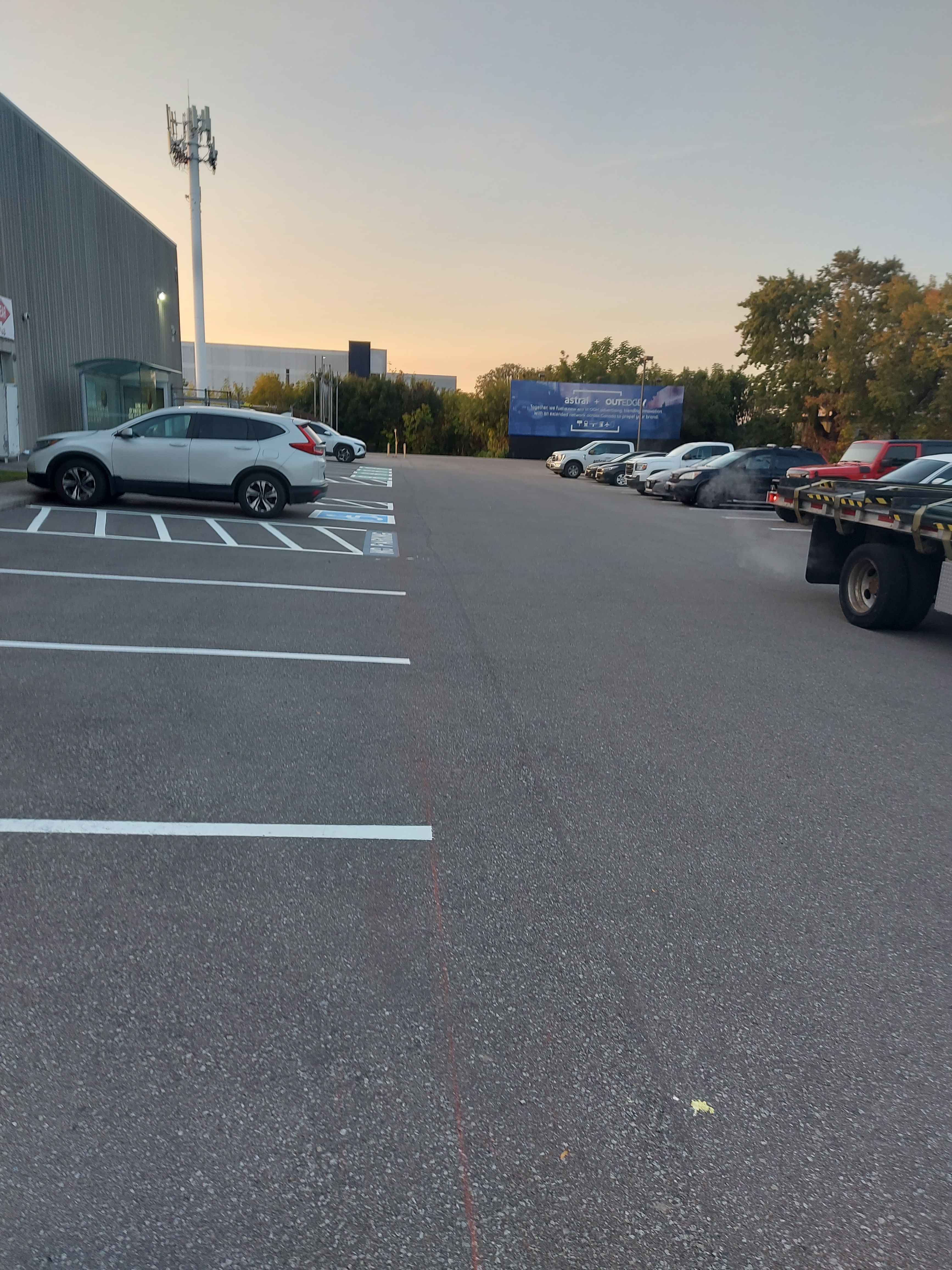
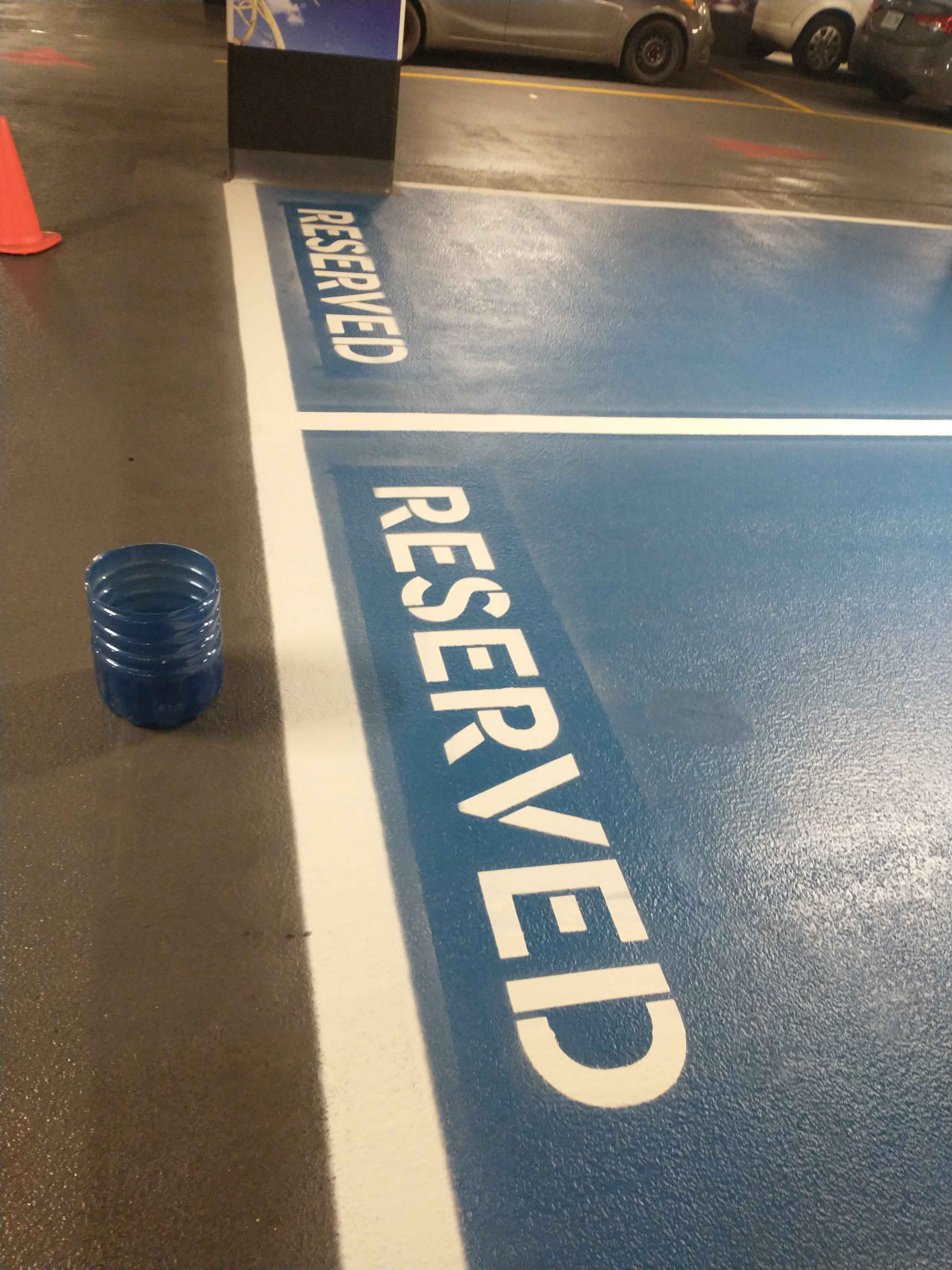
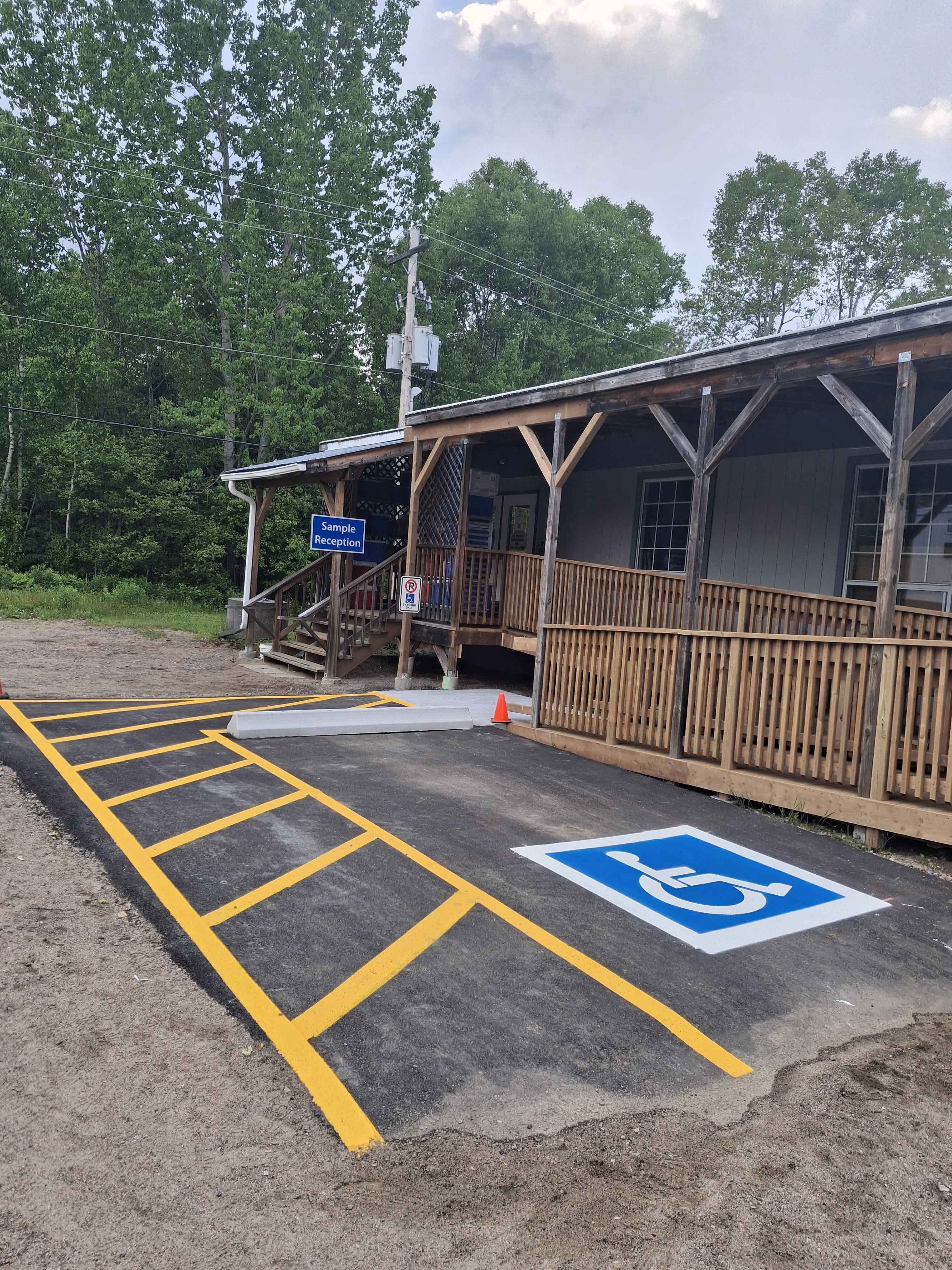
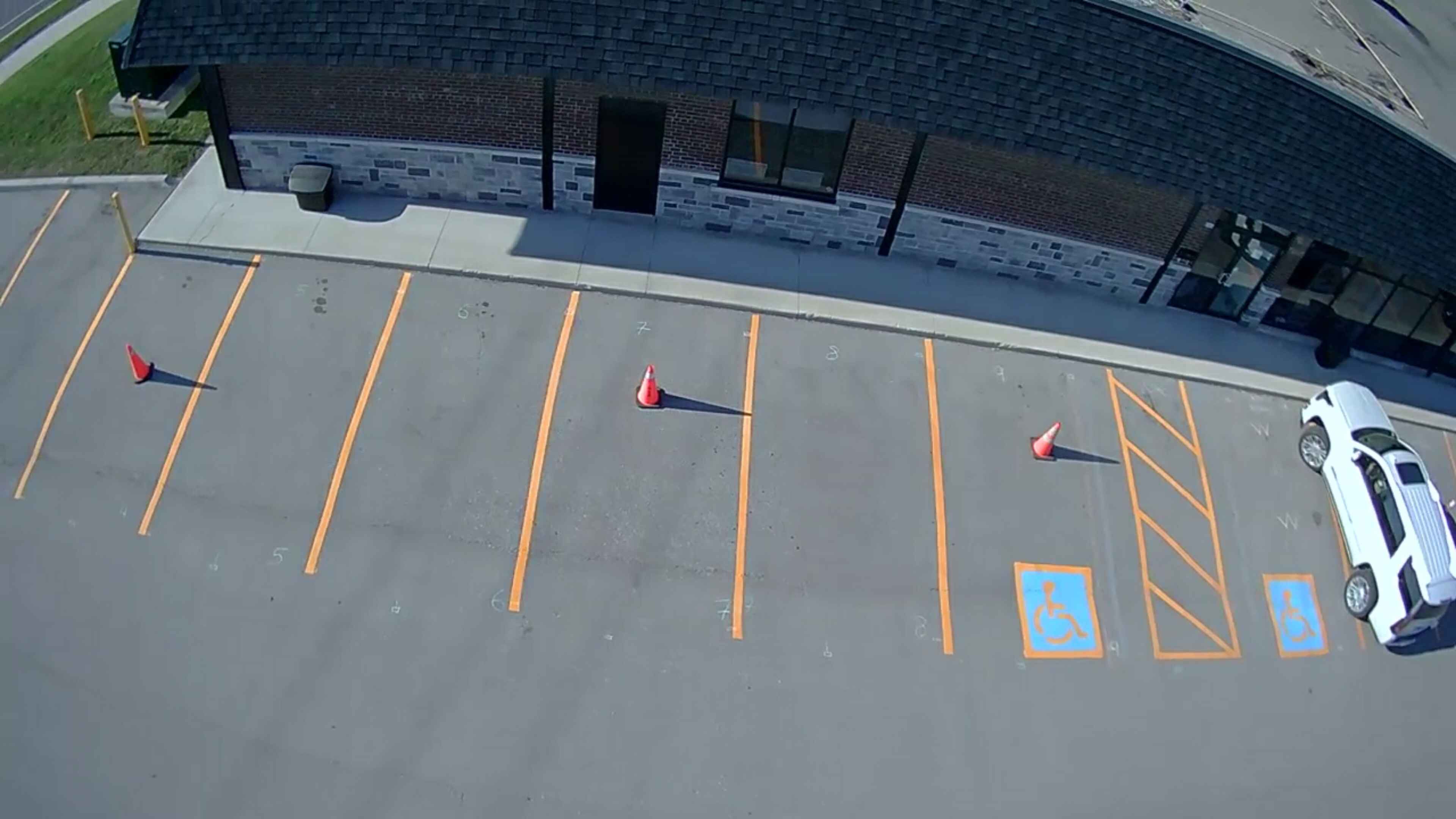
A common mistake in facility maintenance is scheduling Line Marking too early. For a professional finish, the sealcoat must be fully cured before any new lines are applied. If you attempt Line Painting on a surface that is still curing, the paint will not adhere properly, leading to peeling and fading within months.
Capital Parking Lot Line Painting recommends a phased approach. By integrating your sealcoating and Line Marking schedules with a professional team, you ensure that the chemical bond of the sealcoat is established before the pigment is applied. This synergy is vital for maintaining the aesthetic standards of commercial properties in Hamilton and surrounding areas.
Common Mistakes to Avoid
To ensure your maintenance budget is well-spent, avoid these common pitfalls:
Rushing the Traffic Re-entry
Allowing vehicles onto a semi-cured surface can cause "tracking," where the black sealant is pulled onto tires and spread across the entire lot.
Ignoring Weather Forecasts
Scheduling work right before a heavy rainstorm can wash away the sealant before it has a chance to bond.
Summary Checklist for Facility Managers
Before your next maintenance cycle, use this checklist to prepare:
- Verify the weather forecast for a minimum 48-hour dry window.
- Communicate clear closure times to tenants and staff.
- Coordinate the Line Marking schedule to follow the curing period.
- Consult with Capital Parking Lot Line Painting to establish a realistic timeline based on specific product usage.
Ready to Refresh Your Property?
Don't leave your pavement maintenance to chance. Contact the experts at Capital Parking Lot Line Painting to schedule your next service and ensure your facility looks its best.