What Facility Managers Should Know About Sealcoating Curing Times
Understanding the science of drying versus curing is essential for maintaining professional pavement standards and minimizing operational disruptions.
The Critical Distinction: Drying vs. Curing
For facility managers overseeing large commercial properties, a common mistake is equating "dry to the touch" with "ready for traffic." When you schedule a maintenance project with Capital Parking Lot Line Painting, it is vital to understand that these are two distinct chemical processes. Drying is the evaporation of solvents or water, while curing is the chemical reaction that hardens the sealant into a durable protective layer.
In a bustling hub like Sarnia, where commercial traffic patterns are demanding, rushing this process can lead to premature coating failure, tire marks, and unsightly scuffing. If vehicles enter a lot before the cure is complete, they can pull the sealant right off the asphalt, effectively undoing the investment you just made.
Factors That Influence Curing Speed
Not all sealcoating projects are created equal. Several environmental and technical variables dictate how quickly your pavement will return to service. As a top-tier provider in Ontario, Capital Parking Lot Line Painting monitors these variables closely to ensure optimal results.
1. Ambient Temperature and Humidity
Higher temperatures generally accelerate the evaporation process. However, extreme heat can cause the surface to dry too quickly, leading to cracking. Conversely, high humidity slows down the drying process significantly because the air is already saturated with moisture.
2. Material Composition
The specific blend of coal tar or asphalt emulsion used will have different chemical properties. Some sealants are designed for rapid return-to-service, while others are heavy-duty formulas meant for high-traffic industrial zones.
The Facility Manager's Checklist for Success
To ensure your maintenance window is handled professionally, keep the following considerations in mind when planning your next asphalt rejuvenation project:
- Traffic Control Planning: Ensure you have enough barricades or cones to keep vehicles off the lot for the full duration.
- Weather Monitoring: Check local Sarnia forecasts for rain or heavy dew, which can ruin a fresh application.
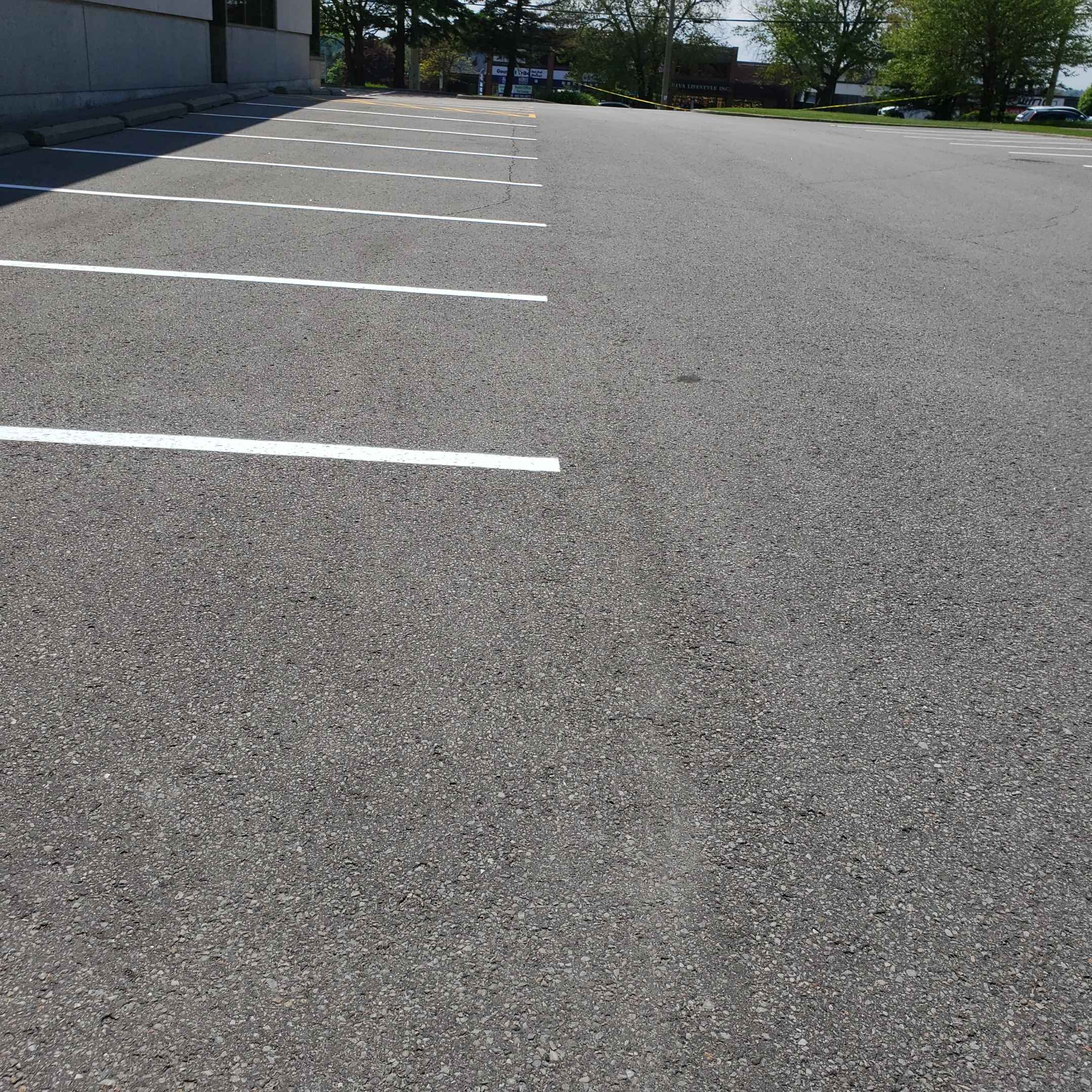
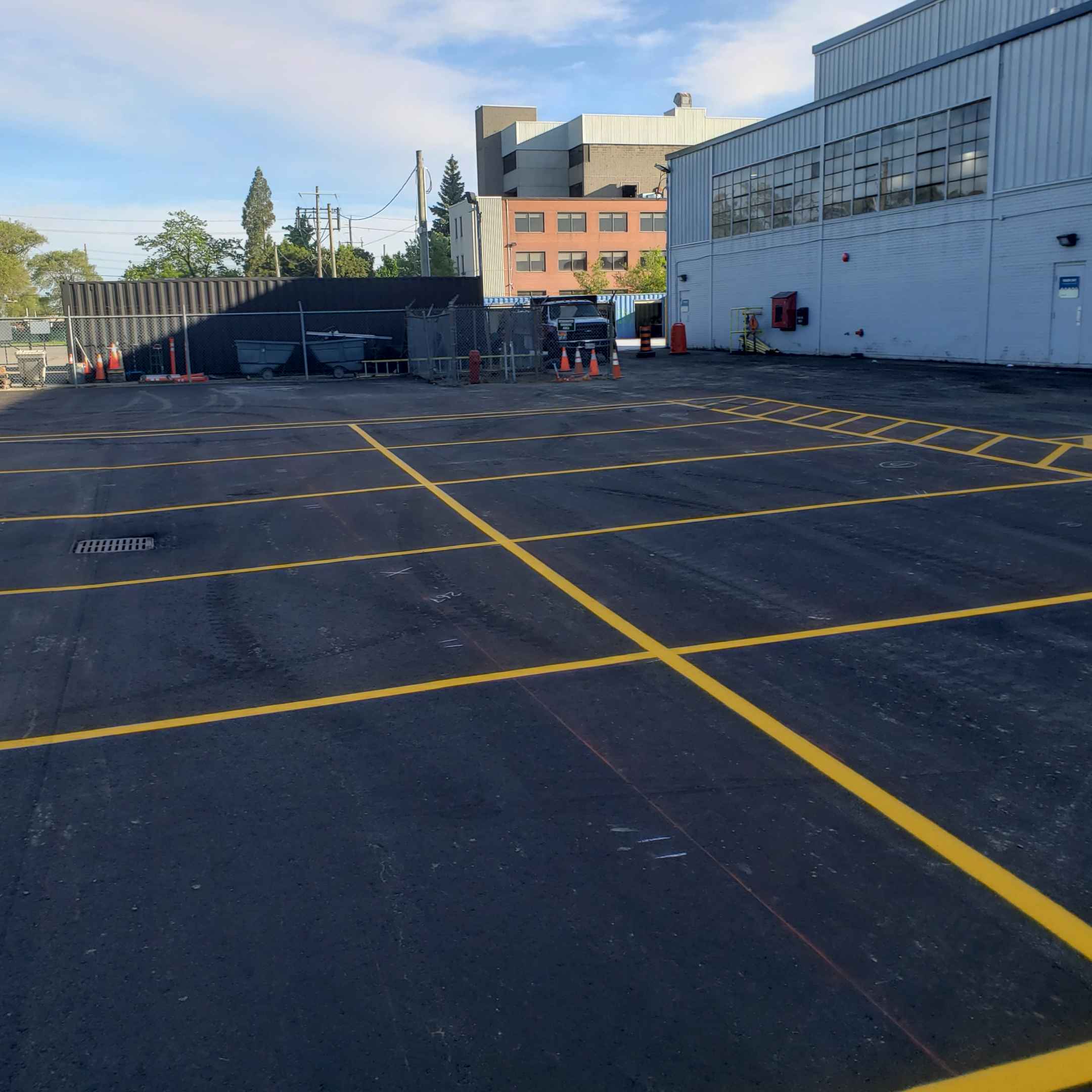
- Coordination with Line Marking: Remember that Line Marking should typically occur after the sealant has reached a sufficient level of hardness.
- Communication: Notify tenants and employees well in advance about the expected downtime.
Expert Implementation
When you partner with Capital Parking Lot Line Painting, we don't just apply product; we manage the timeline. Our team understands the nuances of Ontario's climate to ensure your pavement is protected and your operations are back to normal as safely and quickly as possible.
Avoiding Common Mistakes
Many facility managers attempt to save time by allowing light vehicle traffic (like passenger cars) on the lot earlier than recommended. While it may look dry, the structural integrity of the seal is not yet established. This can lead to "tracking," where the sealant sticks to tires and is carried throughout the entire parking facility, creating a mess that is difficult to clean.
Additionally, failing to coordinate Line Marking with the curing schedule can result in the paint failing to adhere to the sealant. Always ensure your service provider is managing the entire lifecycle of the application, from the initial prep to the final stripe.
Conclusion
Proper sealcoating is an investment in the longevity of your asphalt. By respecting the curing process and understanding the variables at play, you protect your property and ensure a professional appearance for years to come. If you are looking for reliable service in Ontario, trust the experts who prioritize quality and durability.