What Facility Managers Should Know About Sealcoating Curing Times
Effective pavement management is a balancing act between aesthetic upkeep, structural preservation, and operational continuity. For facility managers, understanding the science of curing is the key to a successful project.
The Critical Importance of Curing vs. Drying
One of the most common misconceptions in property maintenance is the belief that once a sealcoat looks "dry" to the touch, the job is done. For a facility manager, this distinction can be the difference between a durable surface and a premature failure. There is a significant difference between surface drying and full chemical curing.
Drying refers to the evaporation of solvents or water, which allows vehicles to drive on the surface without immediate mess. Curing, however, is the chemical process where the sealcoat bonds with the asphalt binder to create a hard, protective shield. Capital Parking Lot Line Painting emphasizes that rushing this process can lead to tracking, where tires pull the sealant off the pavement, ruining the finish and wasting resources.
Factors That Influence Curing Speed
Curing is not a static number; it is a variable process influenced by the environment. If you are managing properties in a climate-variable area like Whitby, you must account for local weather patterns to avoid scheduling disasters.
1. Ambient Temperature and Solar Radiation
Heat acts as a catalyst for the curing process. Warmer temperatures generally accelerate the chemical reaction. However, extreme heat can cause the sealant to dry too quickly on the surface, trapping moisture underneath and leading to blistering.
2. Humidity Levels
High humidity can significantly delay curing. When the air is saturated with moisture, the evaporation process slows down. In coastal or high-humidity regions of Ontario, facility managers should plan for longer closure windows.
3. Material Composition
The specific formula used—whether it is coal tar-based or asphalt-emulsion-based—will dictate the timeline. Professional teams like Capital Parking Lot Line Painting use high-quality materials designed to withstand the specific rigors of Ontario weather, but the chemistry remains subject to environmental laws.
Planning Your Maintenance Window
To minimize disruption to tenants and customers, facility managers should follow a structured timeline. Successful projects usually involve a three-stage approach: preparation, application, and post-application care.
Common Mistakes to Avoid
Even with the best intentions, overlooking the nuances of asphalt care can lead to costly re-dos. Avoid these common pitfalls:
- Ignoring Forecasts: Scheduling work right before a forecasted rainstorm in Whitby can wash away the sealant before it has a chance to set.
- Premature Traffic Re-entry: Opening a lot too early causes "scuffing," which destroys the visual integrity of the new sealcoat.
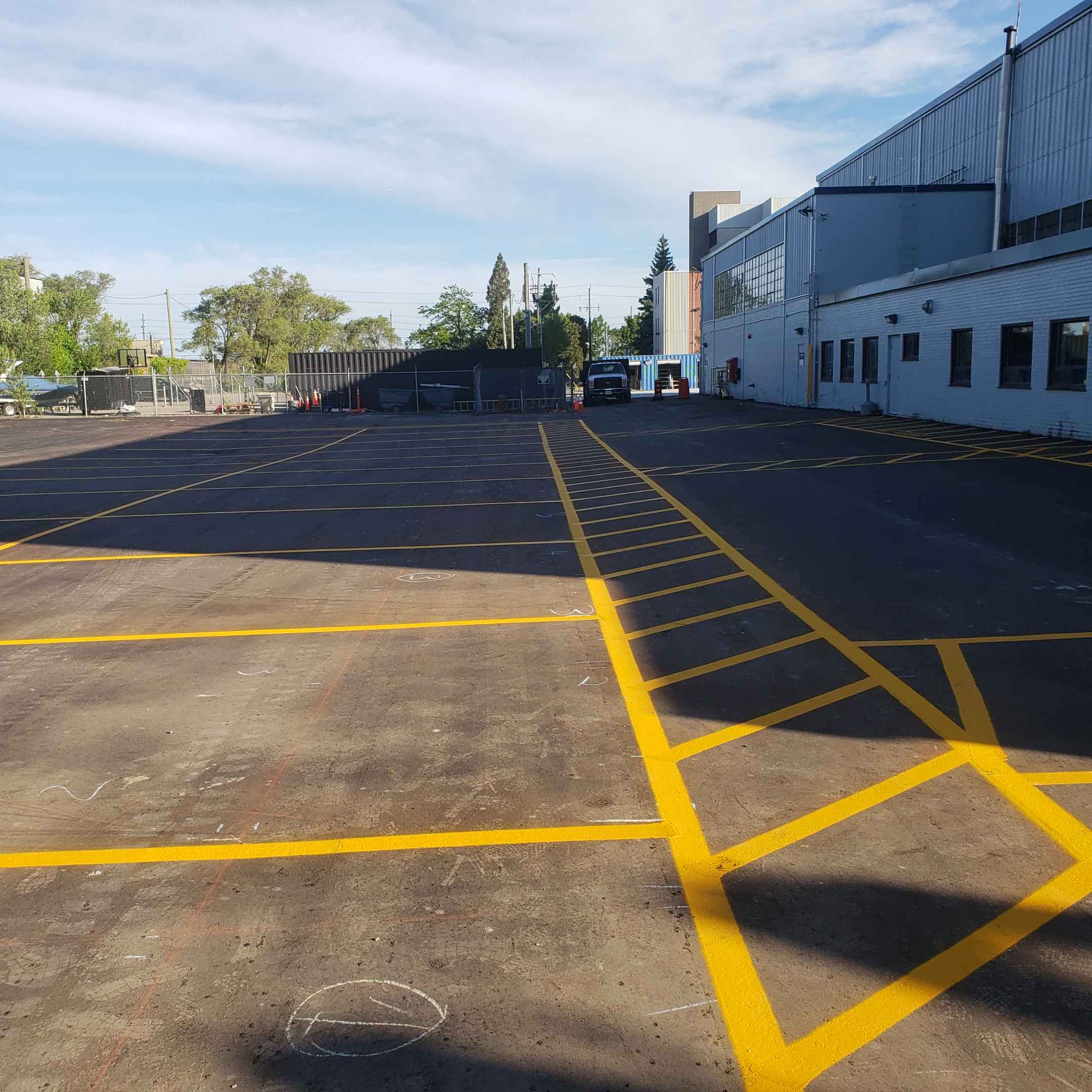
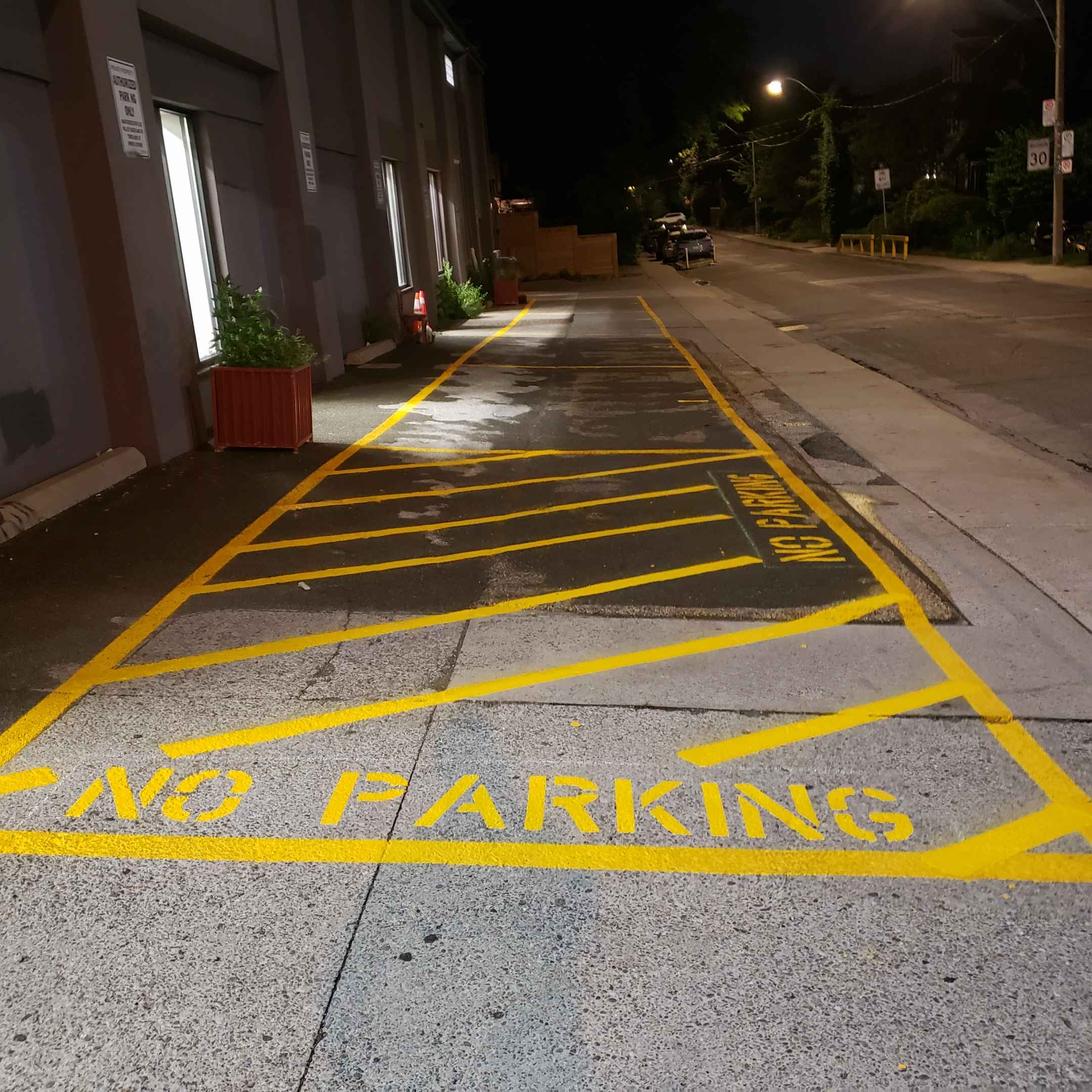
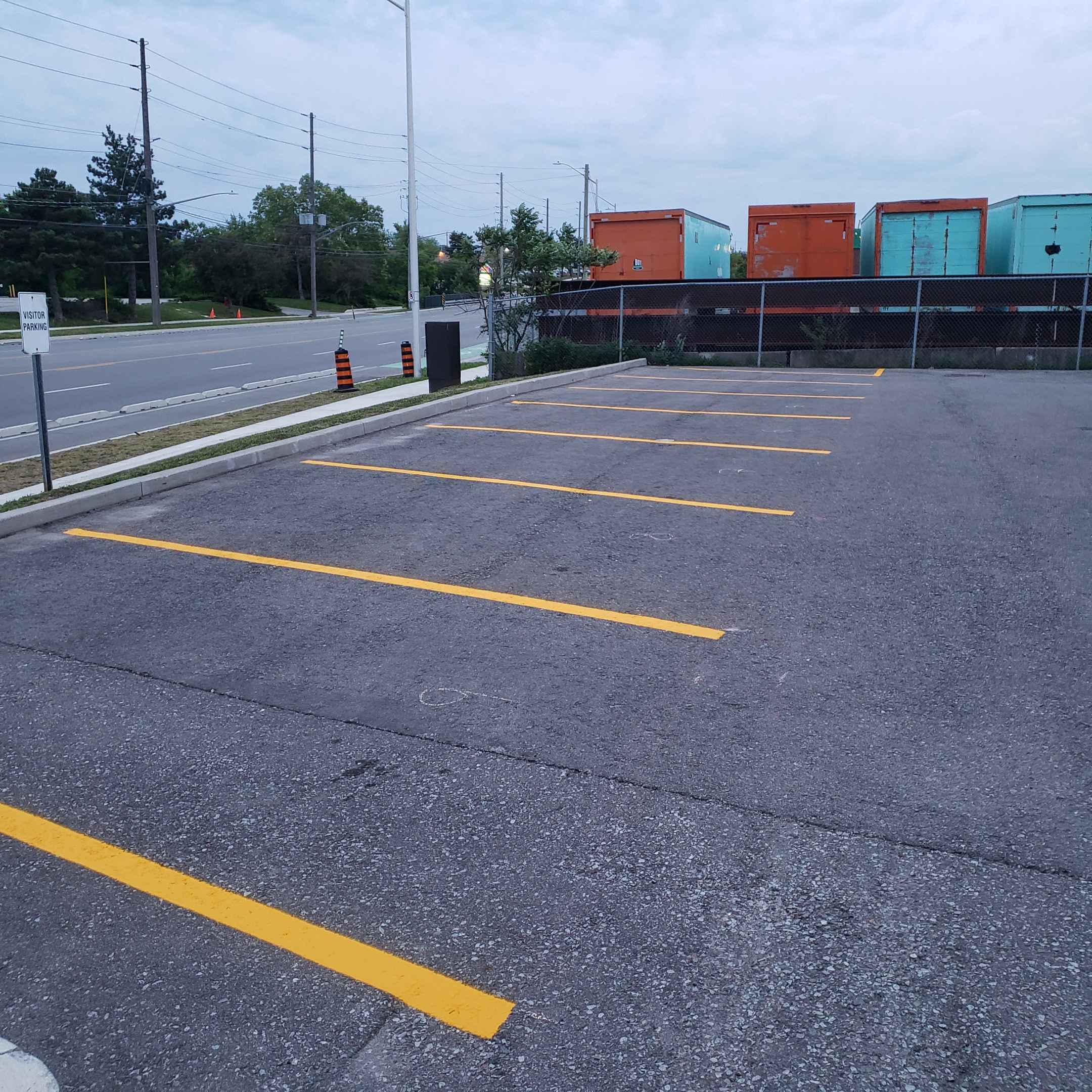
- Neglecting Line Marking: Waiting too long to perform Line Marking after sealcoating can result in poor adhesion. It is best to coordinate sealcoating and Line Painting as part of a single, cohesive maintenance plan.
- Inadequate Surface Prep: If the asphalt isn't cleaned thoroughly, the sealant will cure to the dirt rather than the pavement.
The Role of Professional Coordination
For complex commercial sites, managing multiple vendors can be a headache. This is why many facility managers prefer a single point of contact for all pavement needs. When you partner with Capital Parking Lot Line Painting, you aren't just getting a sealant application; you are getting a managed schedule that accounts for curing, drying, and subsequent Line Painting.
A professional approach ensures that the transition from a freshly sealed surface to a fully marked, traffic-ready lot is seamless. By understanding the technical requirements of the materials, you can set realistic expectations for your stakeholders and ensure the longevity of your infrastructure.