Can You Sealcoat in Early Spring? Pros and Cons
As the snow melts and the ground begins to thaw, property owners in Ontario start looking at their asphalt. One of the most common questions we receive at Capital Parking Lot Line Painting is: "Is it too early to sealcoat?"
The Dilemma of Early Spring Asphalt Maintenance
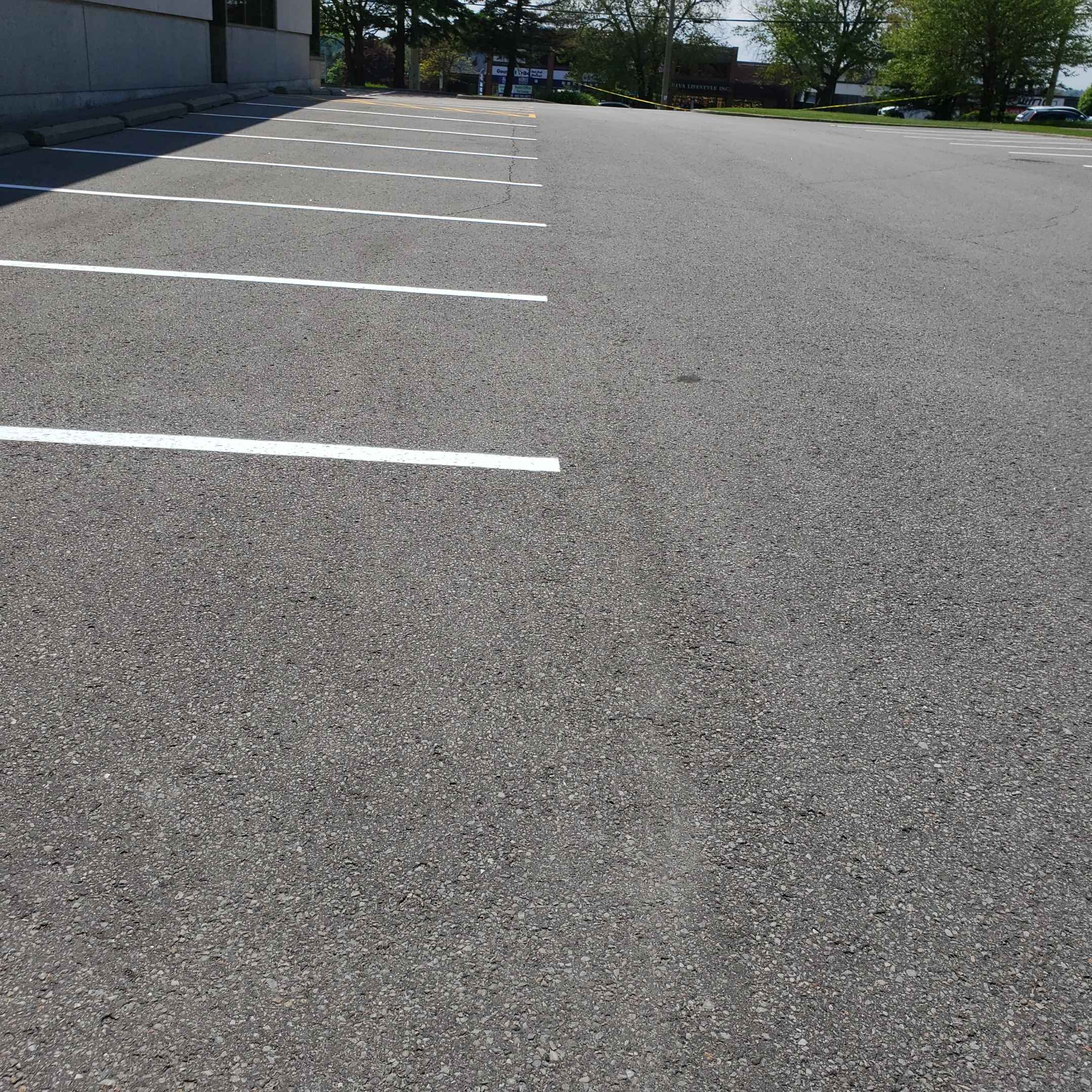
Spring in Ontario is a season of transition. For property managers in Ajax, the sight of melting snow often reveals the true condition of their parking lots. You might see cracks, fading surfaces, or areas where the aggregate is becoming exposed. While the urge to protect your investment immediately is strong, timing is everything when it comes to sealcoating.
Sealcoating is a protective layer applied to asphalt to prevent oxidation, water penetration, and oil damage. However, applying this layer too early in the season can lead to premature failure, wasting both time and resources. Understanding the nuances of temperature, moisture, and surface preparation is key to a successful application.
The Pros of Early Spring Sealcoating
While there are risks, there are specific advantages to getting a head start on your maintenance schedule if the weather cooperates.
- Beat the Summer Rush: By scheduling your service early, you avoid the peak demand period of late spring and summer when most commercial properties are vying for service.
- Prevent Winter Damage: If your asphalt is already compromised, sealing it early provides a shield against the heavy spring rains that can wash away sub-base materials.
- Immediate Line Marking: Once the sealcoat has cured, you can immediately proceed with Line Painting to refresh your parking stalls and safety zones.
The Cons and Risks of Improper Timing
The primary enemy of a successful sealcoat is the unpredictable Ontario weather. If you rush the process, you may encounter several issues:
1. Temperature Constraints
Asphalt sealants require a certain ambient temperature to cure correctly. If the ground is still too cold, the sealant may not bond to the asphalt, leading to peeling or flaking. At Capital Parking Lot Line Painting, we always monitor local forecasts to ensure the thermal conditions are optimal for a long-lasting finish.
2. Moisture and Humidity
High humidity or lingering moisture in the asphalt pores can prevent the sealant from adhering. If you seal over damp asphalt, you are essentially trapping water underneath the surface, which can lead to bubbling and rapid deterioration.
3. The Freeze-Thaw Cycle
In cities like Ajax, spring can be deceptive. A warm Tuesday might be followed by a freezing Thursday. If the sealant has not fully cured before a sudden freeze, the expansion of trapped moisture can crack the new sealcoat almost immediately.
How to Tell if Your Asphalt is Ready
Before you call Capital Parking Lot Line Painting, perform a quick visual inspection of your lot. Your asphalt is likely ready for maintenance if you notice the following:
The surface has turned light gray (a sign of oxidation).
Small cracks are beginning to appear.
The asphalt feels rough or "bony" to the touch.
Oil spills are visible and staining the surface.
The Importance of Professional Line Marking
A freshly sealcoated lot looks brand new, but it isn't complete without clear, visible markings. Once the sealcoat has reached its full cure, professional Line Painting is the final step to ensure your lot is compliant with safety regulations and easy for customers to navigate. High-contrast markings against a dark, fresh sealcoat provide the professional aesthetic your business deserves.
Quick Summary Thumbnail
Don't rush the spring thaw! Proper temperature and dry conditions are essential for a durable sealcoat and crisp Line Marking. Consult with the experts at Capital Parking Lot Line Painting to find the perfect window for your property.